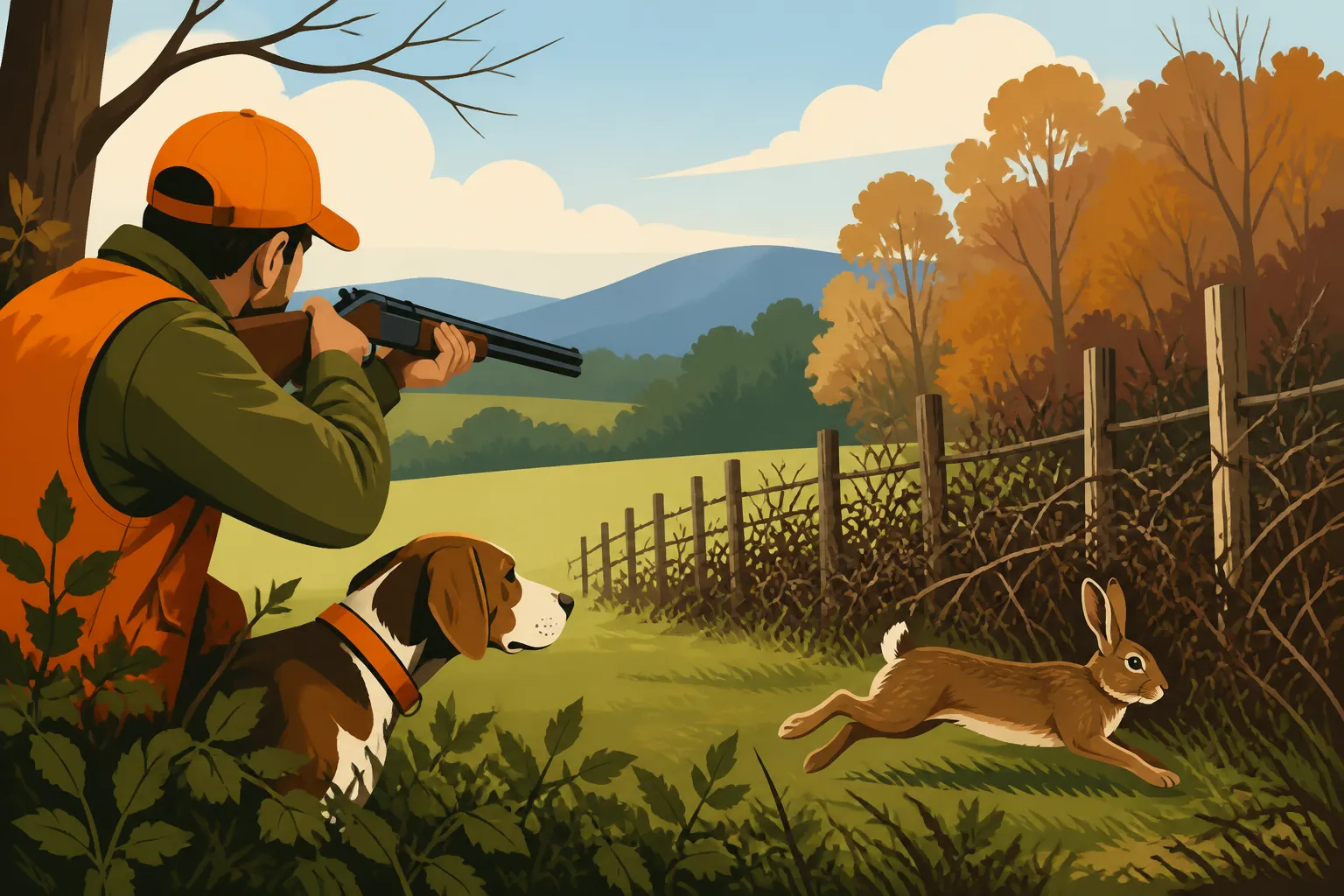
Rabbit Hunting Virginia Fencerows
For many Virginia hunters, the thought of rabbit hunting brings back cherished memories of crisp autumn mornings, the baying of beagles, and the thrill of a cottontail bursting from thick cover. But let's be honest, finding consistent action, especially without a pack of well-trained hounds, can feel like chasing a ghost. This comprehensive guide is here to demystify rabbit hunting specifically along those often-overlooked fencerows in Virginia, providing you with actionable strategies to fill your game bag and relive those classic hunting experiences.
Understanding Virginia's Rabbit Habitat
Fencerows aren't just lines on a map; they are lifelines for cottontail rabbits across Virginia's diverse landscapes. These linear strips of cover often serve as crucial corridors and sanctuaries, especially in areas dominated by agricultural fields or open woodlands. Understanding why rabbits gravitate to them and how to identify the most productive ones is the first step to a successful hunt.
Why Fencerows are Rabbit Magnets
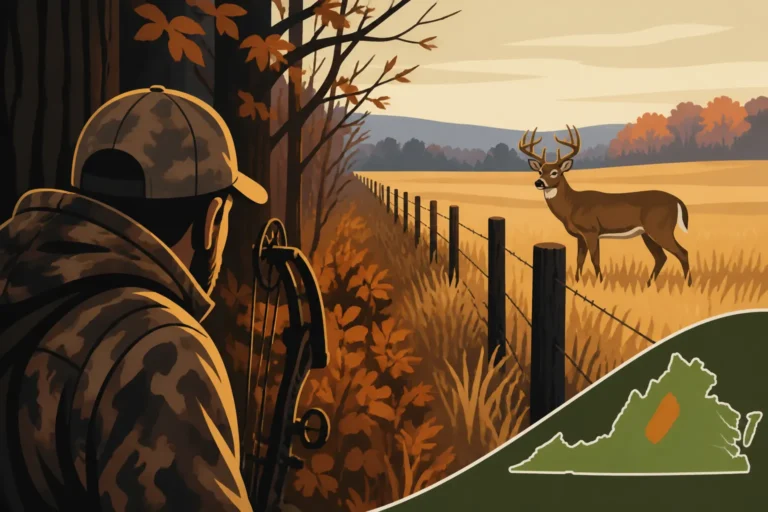
Think about it: a fencerow, whether it's an old wire fence overgrown with briars, honeysuckle, and multiflora rose, or just a thick line of brush separating two fields, offers everything a rabbit needs to survive. They provide excellent thermal cover, protecting cottontails from the biting winter winds and scorching summer sun. More importantly, they're a fortress against predators. A hawk circling overhead or a coyote slinking through a field often can't penetrate the dense, thorny tangle of a fencerow, giving a rabbit a fighting chance. It's their highway, their bedroom, and their dining room all rolled into one. For a prey animal, being able to dart into such dense cover within a few bounds is literally the difference between life and death. You'll often find them just sitting tight in these areas, relying on their camouflage until the very last second.
Identifying Productive Fencerows
Not all fencerows are created equal, and knowing which ones to focus on can save you a lot of wasted effort. The truly productive fencerows are those that offer a dense, multi-layered cover, not just a single strand of wire with sparse weeds. Look for thick, thorny bushes like blackberry, greenbrier, and multiflora rose, intertwined with vines and tall grasses. These create an impenetrable barrier that rabbits love. Old, dilapidated fences are often the best, as they tend to accumulate more natural debris and host a wider variety of dense vegetation. Also, consider the length and connectivity of the fencerow. A longer fencerow provides more habitat and travel routes, while a fencerow that connects two larger patches of woods or thickets acts as a vital wildlife corridor. If a fencerow abruptly ends in an open field, it’s less likely to hold as many rabbits as one that continues into more extensive cover. Using tools like the GoHunt app on your phone can help you scout these areas from home, identifying potential hotspots before you even set foot in the field, showing you property lines and satellite views of cover.
Adjacent Cover and Food Sources
Rabbits rarely live in isolation; their preferred fencerows are almost always adjacent to vital food sources and additional escape cover. Think about a fencerow bordering a harvested cornfield, a clover patch, or a field of winter wheat. These provide easy access to sustenance, and the fencerow offers immediate refuge. On the other hand, a fencerow that runs along the edge of a dense woodlot provides additional escape routes and shelter from weather, allowing rabbits to move between the safety of the fencerow and the deeper woods. This interplay of cover and food is critical. If you find a fencerow that runs between a standing soybean field and a clear-cut area with young pines, you’ve likely hit the jackpot. The soybeans offer food, the young pines offer bedding and escape cover, and the fencerow is the perfect travel lane and immediate hideout. It's important to consider how rabbits access these resources, and a good fencerow makes that access safe and efficient. For more insights on finding game in similar environments, check out our guide on how to spot good rabbit habitat when Rabbit Hunting Thick Virginia Brush.
Essential Gear and Setups for Fencerow Hunting
Rabbit hunting, particularly in the dense cover of fencerows, isn't about long-range precision. It's about quick reactions, close-quarters effectiveness, and staying comfortable while navigating tough terrain. Having the right gear makes all the difference in turning a frustrating bust into a successful outing.
Shotguns and Ammunition Choices
When it comes to rabbit hunting, a shotgun is king. The scattered pattern of shot is ideal for hitting a fast-moving target in thick brush. While a 12-gauge is certainly effective, many experienced rabbit hunters actually prefer a 20-gauge for its lighter weight and quicker swing, especially when navigating dense fencerows. A 28-gauge or even a .410 can also be quite effective at close range, offering less recoil, which can be great for younger hunters. The key is to use an open choke, like an improved cylinder or modified, to ensure a wider pattern at the typically short ranges you'll encounter.
For ammunition, choose smaller shot sizes. Number 6 shot is a popular all-around choice, providing a good balance of pattern density and energy for cottontails. Some hunters might drop down to number 7 ½ or even 8 shot for incredibly dense cover where shots are exceptionally close, or move up to 5 shot if they expect slightly longer shots or denser brush. Always ensure you're using lead shot unless you're hunting in an area that specifically requires non-toxic shot, though this is rare for small game like rabbits on most private lands.
Here's a quick comparison of popular gauges and shot sizes for rabbit hunting:
| Shotgun Gauge | Recommended Choke | Preferred Shot Size | Typical Range (yards) | Pros | Cons |
|---|---|---|---|---|---|
| 12 Gauge | Improved Cylinder | #6, #7 ½ | 15-35 | Versatile, strong patterns | Heavier, more recoil |
| 20 Gauge | Improved Cylinder | #6, #7 ½ | 10-30 | Lighter, quick to shoulder, less recoil | Slightly less pattern density at range |
| 28 Gauge | Modified | #7 ½, #8 | 10-25 | Very light, low recoil | Limited range, less common ammo |
| .410 Bore | Full | #6, #7 ½ | 5-15 | Extremely light, almost no recoil | Very limited range, requires precise aim |
Appropriate Clothing and Footwear
Hunting in Virginia's fencerows means battling briars, thick brush, and often wet conditions. Your clothing needs to be protective, comfortable, and visible. Start with a good pair of brush pants or chaps made from tough canvas, briar-resistant nylon, or waxed cotton. These are invaluable for preventing scratches and punctures from thorns. Layering is key for your upper body; a moisture-wicking base layer, an insulating mid-layer, and a durable outer jacket that can shed light rain and resist snags will keep you comfortable as temperatures fluctuate and you exert yourself.
Footwear is equally crucial. Waterproof, briar-proof boots with good ankle support are a must. You'll be crossing uneven ground, mud, and possibly small streams. A pair of well-broken-in leather or rubber boots, like those from a reliable brand like Irish Setter or LaCrosse, can make a long day in the field much more enjoyable. Don't forget thick socks to prevent blisters and add warmth. Finally, for safety, always adhere to Virginia Blaze Orange Requirements. A blaze orange vest or hat, or both, is not just a legal necessity but a critical safety measure, especially if you're hunting with partners or dogs.
Navigational Tools and Other Essentials
Even if you know an area well, carrying reliable navigational tools is smart. GPS units or mapping apps like GoHunt on your smartphone are excellent for tracking your movements, marking spots where you flush rabbits, and staying aware of property lines, especially if you're hunting on private land adjacent to others. A fully charged phone with a backup power bank is a wise choice.
Beyond navigation, a small hunting vest or pack can hold essentials like extra shells, water, snacks, a small first-aid kit (those briars can be nasty!), and perhaps a pair of game shears for field dressing. A good sharp knife is always a wise addition. If you're hunting with dogs, make sure you have a leash, water for them, and any necessary training collars. Remember, the goal is to be prepared without being overburdened, allowing you to move through the thick cover efficiently.
Hunting Techniques for Virginia Rabbits
Successfully hunting rabbits along fencerows requires a combination of stealth, strategic movement, and an understanding of how these little critters behave when pressured. Whether you're hunting solo or with a small group, adjusting your tactics to the cover and conditions will increase your odds.
Still-Hunting the Edges
If you're hunting alone or prefer a quieter approach, still-hunting the fencerow edges can be incredibly effective. This method relies on slow, deliberate movement and keen observation. Walk parallel to the fencerow, about 10-15 yards out in the adjacent field or open woods, constantly scanning the base of the fencerow, looking for any subtle movement or the tell-tale shape of a rabbit sitting tight. Rabbits will often try to sneak away before you get too close, so moving slowly allows you to spot them as they break cover.
Pause frequently, sometimes for several minutes, scanning the area. Rabbits that might have been hunkered down will often become nervous and move, revealing themselves. When you spot one, be ready to shoot quickly and decisively as they bolt for deeper cover within the fencerow. Pay extra attention to any openings, gaps, or small brush piles within the fencerow, as these are prime locations for rabbits to hide or escape. This method demands patience but can be incredibly rewarding, especially on frosty mornings when rabbit activity is higher.
Small Drives and Push-Throughs
For those hunting with a partner or a small group (2-3 people), organizing a mini-drive along a fencerow is a highly productive tactic. Position one or two "standers" at one end of the fencerow, strategically placed to intercept rabbits that are pushed out. The "pusher" or "pushers" then walk slowly and deliberately through the fencerow, or along one side, actively stomping, kicking brush, and making noise to roust rabbits from their hiding spots.
The key is for the standers to be positioned where they have a clear, safe shooting lane, anticipating where rabbits might break. Rabbits will almost always run along the fencerow for a bit before trying to dart across an open field or into adjacent cover. Communication is vital in these small drives to ensure safety and coordinate movements. This method is particularly effective in longer, denser fencerows that offer a lot of hiding places but eventually force the rabbit to make a move. For a similar tactical approach in larger areas, our guide on Deer Drives With Three or Four Hunters offers transferable strategies for working cover as a team.
Reading Sign and Tracking
Even without snow on the ground, rabbits leave plenty of clues about their presence. Before you even start hunting, take some time to scout the fencerows for sign. Look for small, pea-sized droppings, which indicate recent activity. You might also spot clipped vegetation, where rabbits have nibbled on twigs or grass, leaving characteristic clean cuts. In muddy or soft ground, look for tiny, distinct rabbit tracks – four toes on the front feet and three on the hind, often with the hind tracks landing in front of the front tracks when moving.
Understanding these signs helps confirm that the fencerow is indeed holding rabbits, and gives you confidence to invest your time there. If you jump a rabbit but miss your shot, try to track it a short distance. Rabbits often won't run far into thick cover but will circle back or hold tight in the nearest dense patch. If there's a light dusting of snow, tracking becomes significantly easier, allowing you to follow their path and predict where they might be hunkered down.
Working with Beagles and Other Dogs
While effective rabbit hunting can certainly be done without dogs, nothing quite compares to the thrill and efficiency of hunting with a good pack of beagles. Their superior sense of smell and relentless pursuit are tailor-made for routing rabbits from the densest cover.
The Art of Running Beagles
The beagle, with its keen nose and melodious baying, is the quintessential rabbit dog. When a beagle picks up a rabbit's scent, it will "strike" the trail, vocalizing as it follows. The beauty of a beagle hunt lies in the rabbit's natural tendency to run in a circle. Once jumped, a cottontail will typically run a large circle back to its original bedding area or a familiar piece of cover. This is where the hunters come in.
Instead of chasing the dogs, hunters position themselves in strategic spots where they anticipate the rabbit will complete its circle. This usually means finding an open shooting lane along the fencerow or at a natural break in the cover. Listening to the dogs' baying is critical – as the sound gets louder and closer, you know the rabbit is returning. It's a symphony of sound and anticipation, a truly classic experience that embodies Running Beagles on Virginia Cottontails. A good beagle handler knows their dogs and the terrain, guiding the pack and positioning the hunters for success.
Training and Handling Your Rabbit Dogs
Even the best bloodlines need proper training. A well-trained rabbit dog knows to stay on a rabbit track, ignore deer or other game, and respond to basic commands. Early socialization and exposure to rabbits are crucial. Start with short training sessions in areas with known rabbit populations. Use positive reinforcement to encourage desired behaviors, like trailing and baying, and correct unwanted behaviors immediately. Consistency is key.
Handling your dogs in the field involves more than just letting them run. It means knowing when to encourage them, when to call them off if they get on the wrong scent, and when to bring them back to your location. Leashes, GPS collars (for tracking in dense cover), and a good recall command are indispensable tools for responsible dog handling. Ensuring your dogs are conditioned for the field – well-fed, hydrated, and free from injuries – is also part of being a good handler.
Working Without Dogs
For many hunters, owning and training a pack of beagles isn't a possibility. But don't despair! You can absolutely be successful rabbit hunting along Virginia's fencerows without dogs. The key is to amplify your "pushing" efforts. This means being more active in disturbing the cover. Instead of just walking, actively kick through thickets, stomp your feet, and use a walking stick to probe dense brush.
As discussed in the "Small Drives and Push-Throughs" section, if you have a partner, one person can act as the primary "flusher" while the other is positioned to shoot. If hunting solo, focus on the still-hunting method, but increase your pauses and thoroughly scrutinize every inch of thick cover. Don't be afraid to circle back and hit a productive section of fencerow a second time; sometimes rabbits will hold incredibly tight, and a second pass is needed to roust them. Your success will depend on your patience and your willingness to thoroughly work the cover that dogs would typically penetrate.
Safety and Regulations for Rabbit Hunting
Safety should always be your top priority when hunting, and rabbit hunting is no exception. Given the close-quarters nature of fencerow hunting, and the potential for hunting with partners and dogs, understanding and adhering to regulations and safety protocols is paramount.
Blaze Orange Requirements and Visibility
Virginia has strict regulations regarding blaze orange, and it's not just a suggestion – it's the law and a vital safety measure. During general firearms season, all hunters on public lands or on private lands that are open to public hunting must wear at least 100 square inches of solid blaze orange or pink above the waist, visible from 360 degrees. Even if you're hunting small game outside of big game season, wearing blaze orange is highly recommended, especially when hunting with others or in areas where other hunters might be present. When you're pushing through thick fencerows, it can be incredibly easy to lose sight of your partners, and that bright orange is what keeps everyone safe. Our detailed guide on Virginia Blaze Orange Requirements explains all the nuances. Always identify your target and what is beyond it before taking a shot, especially when firing into or out of dense cover.
Hunting on Private vs. Public Land
Most rabbit hunting in Virginia occurs on private land, often with permission from landowners. Always obtain explicit permission before stepping foot on private property, and respect the landowner's wishes. This might mean only hunting certain areas, avoiding certain times, or sharing part of your harvest. Building good relationships with landowners is essential for continued access.
While private land offers extensive opportunities, Virginia also boasts significant public hunting grounds, including Wildlife Management Areas (WMAs) and National Forests. Check the specific regulations for each public land area, as rules can vary regarding dog use, access hours, and vehicle restrictions. Some WMAs require a WMA Access Permit in addition to your regular hunting license. Always consult the Virginia Department of Wildlife Resources (DWR) website or their Go Outdoors Virginia app for the most current information. You can often find great rabbit hunting on the edges of public timber blocks where they meet agricultural areas. For more on finding access, read Hunting Pressure on Virginia Public Land.
Checking Regulations and Seasons
Before you head out, make it a point to verify the current Virginia Small Game Season Rules. Rabbit season typically runs for an extended period, starting in the fall and continuing through late winter, but specific dates can vary year to year, and some counties might have local exceptions. Pay close attention to bag limits, which specify the maximum number of rabbits you can harvest per day.
It's also crucial to be aware of any concurrent seasons. If you're hunting rabbits during deer season, for instance, you'll need to ensure you're following all blaze orange requirements and any specific rules for hunting with dogs. The Virginia DWR website is your best friend for up-to-date regulations. Don't rely on outdated information; a quick check can prevent a costly mistake or, worse, an unsafe situation.
Post-Hunt Care and Management
A successful hunt doesn't end when the shot is fired. Proper post-hunt care ensures your harvest is respectfully handled, delicious on the table, and that you're in compliance with any reporting requirements.
Field Dressing and Transport
Once you've harvested a rabbit, it's best to field dress it as soon as possible, especially on warmer days. This involves removing the entrails to allow the carcass to cool down quickly, preventing spoilage and improving the meat's flavor. A sharp knife or pair of game shears will make quick work of this. Many hunters simply make an incision in the rabbit's belly and remove all internal organs, then wipe out the cavity with a handful of leaves or grass. Some even remove the head and feet at this stage to reduce bulk.
Transporting your rabbits properly is also important. If you're hunting on a warm day, a cooler with ice is ideal to keep the meat cool until you can get it home. On colder days, simply placing them in a game bag or mesh bag will suffice, allowing air circulation. Avoid piling them in a warm vehicle trunk. Always keep them separate from any other personal gear to maintain hygiene.
Processing and Cooking Your Harvest
Once home, the real work (and reward!) begins. Skinning a rabbit is relatively straightforward. Many hunters make an incision across the back, then use their fingers or pliers to pull the skin off like a glove. Be careful to remove all fur, as stray hairs can stick to the meat. After skinning, quarter the rabbit into front legs, back legs, and saddle (loin) sections. Rinse the meat thoroughly under cold water to remove any remaining hair or blood.
Rabbit meat is lean and mild, making it incredibly versatile in the kitchen. It can be fried, stewed, roasted, or even grilled. Many classic recipes call for slow-cooking rabbit to ensure tenderness, such as a hearty rabbit stew with root vegetables, or a pan-fried rabbit dredged in seasoned flour. For some excellent culinary inspiration, consider our guide on the Best-Eating Game in Virginia, which often features rabbit as a local favorite. Don't be afraid to experiment with different marinades and seasonings to find your favorite way to enjoy this delicious wild game.
Disclaimer
Please be aware that hunting regulations, season dates, and license requirements can change. Always consult the official Virginia Department of Wildlife Resources (DWR) website or publications for the most current and accurate information before planning any hunting trip. This guide is for informational purposes only and should not be considered a substitute for official DWR regulations.