Blood Trailing After Dark in Virginia
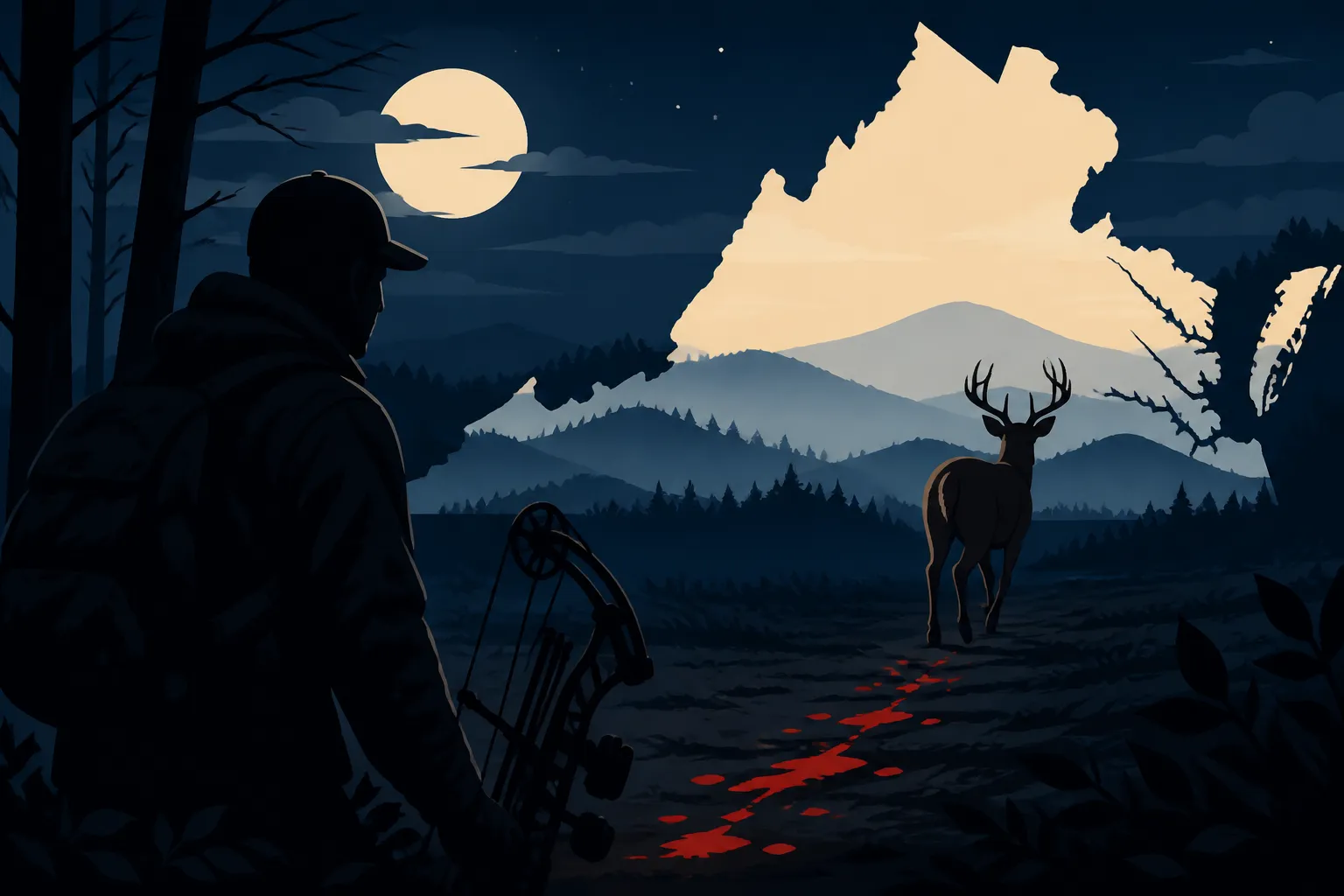
There are few things as gut-wrenching in the Virginia woods as making what you think is a good shot on a deer, only for it to disappear into the fading light, leaving a scant or nonexistent blood trail. The stress and anxiety of knowing an animal is out there, wounded, as darkness creeps in, is a feeling every hunter dreads. This guide is dedicated to helping you navigate that incredibly challenging situation, providing proven strategies and essential gear for effectively blood trailing after dark in Virginia's diverse and often unforgiving terrain.
The Unique Challenges of Night Trailing in Virginia
Blood trailing is tough enough in broad daylight, but when the sun dips below the horizon, Virginia's landscapes present a whole new set of obstacles. It's not just about turning on a flashlight; it's about combating reduced visibility, understanding the increased risks, and dealing with the psychological toll.
Reduced Visibility and Terrain Obstacles
Virginia's hunting grounds are incredibly varied, from the dense, tangled undergrowth of the Piedmont to the steep, rocky slopes of the Blue Ridge and Allegheny Mountains, and the swampy bottoms of the Tidewater region. Each presents its own nightmare for night trailing. A small pinprick of blood that might be obvious in the afternoon sun can vanish entirely against a backdrop of dark, wet leaves, mossy rocks, or pine needles under artificial light.
Imagine you're deep in the Jefferson National Forest, tracking a buck through a thick stand of mountain laurel. By day, you might pick out a few drops on a white oak leaf. By night, with a headlamp beam bouncing off a hundred shiny, wet leaves, those crucial specks can be impossible to discern. The uneven terrain, fallen timber, and rocky creek beds that you navigate easily by day become tripping hazards, diverting your focus from the ground to your footing. Even in relatively open areas, Virginia's famous red clay or dark soil can absorb blood quickly, making it disappear with shocking efficiency.
Pressure and Wildlife Activity
The pressure of trailing after dark isn't just physical; it's intensely psychological. You're fighting the clock, knowing that every minute increases the chance of the animal moving further, bedding down in an impossible thicket, or worse, becoming a meal for nocturnal scavengers. Virginia is home to a healthy population of coyotes and bears, especially in the western mountains and some Piedmont regions. These predators are most active after dark, and a wounded, immobile deer is an easy target. Losing an animal to scavengers after putting in the effort and making a clean shot is a disheartening experience, and the thought drives many hunters to push themselves past their limits.
Beyond predation, the simple fact that the woods come alive with different sounds and movements after dark adds to the challenge. The rustle of a mouse, the hoot of an owl, or the distant howl of a coyote can all play tricks on your mind, making it harder to focus on the task at hand. The woods feel different, more alive and more mysterious, making an already difficult job even more daunting.
Weather and Time Sensitivity
Virginia weather is notoriously unpredictable. A beautiful, clear autumn evening can quickly turn into a cold, damp night, bringing heavy dew or even unexpected rain. Nothing ruins a blood trail faster than precipitation. A sudden downpour can wash away even a robust trail in minutes, leaving you with nothing but disturbed leaf litter to follow. Similarly, a sharp drop in temperature can bring a heavy frost, obscuring any remaining blood sign with a delicate layer of ice crystals.
This means that while waiting is often advisable for a wounded deer to bed down, there's a delicate balance. If you suspect a gut shot, a longer wait is usually recommended, sometimes 6-8 hours or even overnight, allowing the animal to stiffen and expire. However, if conditions are warm (above 50°F) or rain is imminent, you might have to make the difficult call to push the trail sooner, risking jumping the animal but potentially saving the meat. It's a calculation that requires experience and a careful assessment of the initial shot.
Essential Gear for Night Trailing
You wouldn't go deer hunting without your rifle or bow, and you shouldn't attempt a night trail without the right equipment. Having the proper gear can dramatically increase your odds of success and, more importantly, ensure your safety and efficiency in the dark.
Lighting the Way
Your primary tool for night trailing is, unsurprisingly, light. But not just any light will do. You need powerful, reliable, and specialized illumination to cut through the darkness and highlight those elusive blood droplets.
High-quality headlamps are non-negotiable. Look for models with a high lumen output (500+ lumens is a good starting point) and a wide, even beam pattern. A bright, focused spotlight can be great for distance, but when you're nose-to-the-ground trailing, you need a broad floodlight that illuminates your immediate surroundings without creating harsh shadows. Carrying at least two headlamps with fresh, fully charged batteries is critical. If one fails, you're not left fumbling in the pitch black. Brands like Black Diamond or Petzl offer excellent options for durability and light quality.
Beyond standard white light, specialized blood trailing lights, often utilizing UV or specific filtered LEDs, can make a huge difference. These lights react with certain compounds in blood, causing it to fluoresce or appear in stark contrast to the surrounding foliage. While they don't work on every surface or in all conditions, many hunters swear by them for picking up faint trails that white light misses. They can be a game-changer when you're down to just a few tiny drops and desperately need a visual boost.
Finally, consider carrying a small lantern or a powerful area light if you're trailing with a group. These can be invaluable for illuminating a wider area during a grid search or marking the last known blood sign while you fan out to search.
Navigation and Marking Tools
Losing your way is a real danger in the dark, especially when your focus is on the ground. Modern technology has made navigation much easier, but traditional methods are still essential backups.
A reliable GPS unit or a smartphone with a robust hunting app like GoHunt is absolutely crucial. Before you even leave the shot site, mark it on your device. As you find each piece of blood, mark it as a waypoint. This creates a digital breadcrumb trail that shows you the animal's path and ensures you can always find your way back. If you lose the trail, you can jump back to the last marked point and expand your search from there. These apps can also show you property lines, which is vital if the deer crosses onto land where you don't have permission. This ties directly into topics like Scouting With the Virginia DWR App and understanding onX Layers for Virginia Land Status.
Physical markers are equally important. Rolls of bright, biodegradable flagging tape are a must-have. Tie a piece of tape to a branch above every confirmed blood drop or sign. This creates a visible path that you can follow, or that other members of your tracking party can easily pick up. Reflective tacks are also excellent, catching the beam of your headlamp from a distance. For the final confirmed sign before giving up for the night, use multiple pieces of flagging tape or a highly visible marker to make it obvious for a morning restart.
As a backup, especially if you're venturing deep into national forest land, a traditional compass and a physical map can prevent you from getting truly disoriented if your electronics fail.
Personal Comfort and Safety
Night trailing is often a cold, wet, and exhausting endeavor. Being prepared for the elements and potential hazards is vital.
Even if it was 60 degrees when you shot, the temperature can plummet after dark, especially in the mountains. Dress in layers, preferably moisture-wicking synthetics or wool, to stay warm and dry. Think about the advice in articles like Layering for a Virginia Deer Stand. A good waterproof outer shell is non-negotiable, even if rain isn't in the forecast, to protect against dew, fog, or unexpected showers. Insulated, waterproof boots are essential for keeping your feet warm and dry as you trudge through wet leaves and creek bottoms.
Carrying a basic first-aid kit is just common sense. You're walking through rough, uneven terrain in the dark, and scrapes, cuts, and twisted ankles are common. Make sure your kit includes essentials like bandages, antiseptic wipes, pain relievers, and moleskin for blisters.
Communication is key, especially if you're trailing with a group or in a remote area. A fully charged cell phone is a given, but be aware that service can be spotty in many parts of Virginia's public lands. Consider carrying a satellite messenger or two-way radios if you're with a partner, particularly when working a grid search.
Finally, when you do find your deer, you'll need a good knife and potentially a small field dressing kit. Articles like Field Dressing Knives Worth Carrying can help you choose the right tools for the job. Having them ready means you can process the animal efficiently once recovered.
Strategic Approaches to Night Trailing
Once the initial shock and adrenaline wear off, it's time to shift into a systematic, strategic mindset. Panic and rushing will only make things worse. Approaching the task methodically, often with the help of others, will yield the best results.
The Initial Wait and Assessment
This is perhaps the hardest part for any hunter: waiting. Unless you saw the deer drop or heard a distinct crash within sight, resisting the urge to immediately pursue is almost always the best course of action. For a suspected lung or heart shot, a 30-minute to an hour wait allows the animal to lay down and expire. For anything less-than-ideal—a shoulder hit, a leg shot, or worst of all, a gut shot—a much longer wait is required. A gut-shot deer, if pushed too soon, can travel for miles. Allowing it 6-8 hours, or even waiting until first light the next morning, gives it time to stiffen up and expire where it lies. It's a difficult decision, weighing the risk of spoilage against the certainty of recovery, but patience is often rewarded.
During this wait, don't just sit idly by. Mark your shot location meticulously. Use flagging tape or reflective tacks right where you were standing, and then walk to where you last saw the deer or heard it run. Mark that spot too. Take note of the direction it traveled, any obstacles it might have encountered, and the ambient temperature. Did you hear a death rattle? A crash? Did the deer mule kick, run with its tail tucked, or bound away with no reaction? All these observations are critical clues for understanding the type of hit and predicting the animal's behavior. If you’re using the GoHunt app, mark these initial points immediately.
Grid Search and Marking Every Sign
Once you begin trailing, slow down. Seriously. The biggest mistake most hunters make is rushing the trail, walking past crucial signs. Assemble a team if possible; more eyes are always better, and an extra set of hands can mark the trail while others search.
Start at your last known blood sign and establish a systematic search pattern. If working alone, sweep your light in wide arcs, moving slowly in the direction of travel. With a group, form a line, shoulder to shoulder, and sweep an area in a grid. Each person should be looking at their designated section of ground, not just for blood, but for any sign. This includes disturbed leaf litter, scuffed earth, bent twigs, broken spiderwebs, or even deer hair.
Mark every single sign you find with flagging tape. Even the smallest speck of blood. This is important for several reasons. First, it confirms you're on the right track. Second, it gives you a physical trail to follow, especially if you get temporarily disoriented or lose the next drop. Third, if you entirely lose the trail, you can always go back to the last marked sign and expand your search from there, moving in ever-widening circles. This meticulous process can feel agonizingly slow, but it prevents you from overshooting the deer or completely losing the trail. For difficult trails, this methodical approach is discussed further in Tracking a Deer Through Virginia Leaf Litter.
Understanding Blood Signatures
The type and appearance of blood can tell you a tremendous amount about shot placement and, therefore, the animal's likely travel distance and condition. Understanding these "blood signatures" is a skill honed over time but essential for effective trailing.
| Blood Signature | Likely Shot Placement | Characteristics | Implication for Trailing |
|---|---|---|---|
| Bright Red, Foamy/Bubbly | Lungs | Bright, often pinkish-red; small, consistent bubbles; usually plentiful. | Excellent sign! Deer won't go far, often drops within 100 yards. |
| Dark Red, Frothy/Thick | Heart/Major Arteries | Dark, rich red; often frothy or thick, sometimes in spurts. | Very good sign. Deer will drop quickly. |
| Dark Red, Thick, Clotty | Liver | Dark, almost purple-red; often thick, sometimes with liver tissue. | Good sign. Deer will die, but may travel 100-200 yards. |
| Dark Red, Watery, Sparse | Muscle/Peripheral Hits | Dark red, often just a few drops; can be watery or smeary. | Non-lethal or slow-killing. Long trail, possible recovery. |
| Brownish/Greenish, Foul Odor | Gut/Stomach | Brown, greenish, or yellowish; often mixed with stomach contents, partially digested food, and has a distinct foul odor. | Very bad sign. Long wait (6-12+ hours) essential. Very long trail. |
| Pinkish/Light Red, Spotty | Paunch/Peripheral Lung (Non-fatal) | Lighter red, can be foamy but sparse; often found in small, scattered drops. | Indicates a wound, but not necessarily fatal. Long trail. |
For example, bright red, frothy blood, often with small bubbles, is classic lung blood. This is a great sign, indicating a lethal hit, and the deer likely won't travel far. You can often push this trail more aggressively. Dark, thick, clotted blood might indicate a liver hit, which is fatal but can allow the deer to travel 100-200 yards before succumbing. The most challenging blood to deal with is gut blood: it's typically dark, brownish-green, often contains stomach contents, and usually has a very distinct, foul odor. This is where patience is paramount, as pushing a gut-shot deer almost guarantees a lost animal.
Observe not just the color and consistency, but also the volume. A steady, consistent trail is good. A trail that suddenly increases in volume might mean the animal laid down. A trail that gets sparser and sparser is cause for concern, suggesting the wound is sealing or the animal is moving into dense cover.
Involving Tracking Dogs and Experienced Help
Sometimes, despite your best efforts and the best gear, the trail simply vanishes. This is where specialized help can be invaluable. In Virginia, the use of a leashed tracking dog to recover wounded deer is legal, and it's an incredibly effective tool. These dogs are specifically trained to follow the scent of wounded game, not just blood, which means they can often pick up trails where human eyes fail completely.
If you hit an animal and the blood trail disappears, or if you're facing a particularly difficult scenario (like a gut shot with rain coming), don't hesitate to contact a certified tracking dog service. Many experienced handlers operate throughout Virginia, and they are passionate about helping hunters recover game. Finding a reputable tracker, often through local hunting forums or DWR resources, can be the difference between a successful recovery and a lost animal. When contacting a tracker, be prepared to give them exact details of the shot, the direction of travel, and the last confirmed blood sign. Remember, the GoHunt app can precisely mark these points for them.
Additionally, don't underestimate the power of more experienced eyes and different perspectives. Calling in a buddy or a seasoned hunter who has a knack for finding blood can be incredibly helpful. They might notice something you've overlooked in your fatigue and stress. Before you bring extra people, make sure they understand the strategy: slow, methodical, and marking every sign. And importantly, if the deer may have crossed onto private property, make sure you understand Virginia's trespass laws and have permission before entering. Retrieving Game From Private Land in Virginia provides crucial information on this.
When to Call It Quits (For the Night) and Resume in the Morning
Knowing when to temporarily abandon a night trail and restart at dawn is a critical, and often painful, decision. Pushing too hard can spook a deer that might have otherwise expired, or it can lead to exhaustion and mistakes on your part.
Assessing the Situation
You've been trailing for hours, your headlamp batteries are fading, your eyes are burning, and you haven't seen a drop of blood in 50 yards, despite meticulous searching. This is often the point where you need to seriously consider calling it a night. Fatigue and frustration are your worst enemies, making you less likely to spot faint signs and more prone to errors, including getting lost yourself. If you're constantly second-guessing yourself or feeling overwhelmed, it's time to pause.
Another strong indicator is deteriorating weather. If a heavy rain begins or a significant snowfall starts, any remaining blood trail will soon be obliterated. Continuing to search in such conditions is often futile and dangerous. In these cases, it's better to secure your last known point and return with a fresh perspective and perhaps a tracking dog after the weather clears. Considering the presence of Coyotes and Predators in Virginia or a large Virginia bear population, leaving a deer overnight always carries a risk, but sometimes it's the only viable option.
Marking and Planning for Dawn
If you decide to pause the search until morning, the most crucial step is to meticulously mark the absolute last confirmed sign of blood or disturbance. Use multiple pieces of bright flagging tape, reflective tacks, or even a small, highly visible object to make this spot unmistakable in the dim light of dawn. Take a precise GPS coordinate using your GoHunt app or handheld GPS unit. This point will be your starting line for the next day's search.
Before you leave the woods, make a clear plan for your morning restart. Who will be joining you? What gear will you need (fresh batteries, extra water, snacks)? What strategy will you employ (wider circles, bringing in a tracking dog, focusing on bedding areas)? Consider the temperature overnight. If it's going to be very cold, the meat will likely be preserved, giving you more time. If it's unseasonably warm, the urgency to find the animal at first light increases significantly. Leaving an animal overnight is a tough call, but sometimes it’s the most ethical one, allowing the animal peace and giving you the best chance for a successful recovery without violating rules (e.g., Virginia Wildlife Violation Penalties).
Remember, a successful recovery isn't just about finding the animal; it's about doing so safely, efficiently, and with respect for the game. Night trailing is challenging, but with the right preparation and approach, you can turn a potential disaster into a hard-earned success.
Disclaimer
The information provided in this guide is for informational purposes only and is not a substitute for professional advice or your state's hunting regulations. Always consult the Virginia Department of Wildlife Resources (DWR) regulations for the most up-to-date and specific rules regarding hunting and game recovery in Virginia. Safe hunting practices and ethical considerations should always be your top priority.