Grouse Hunting Blue Ridge Cover
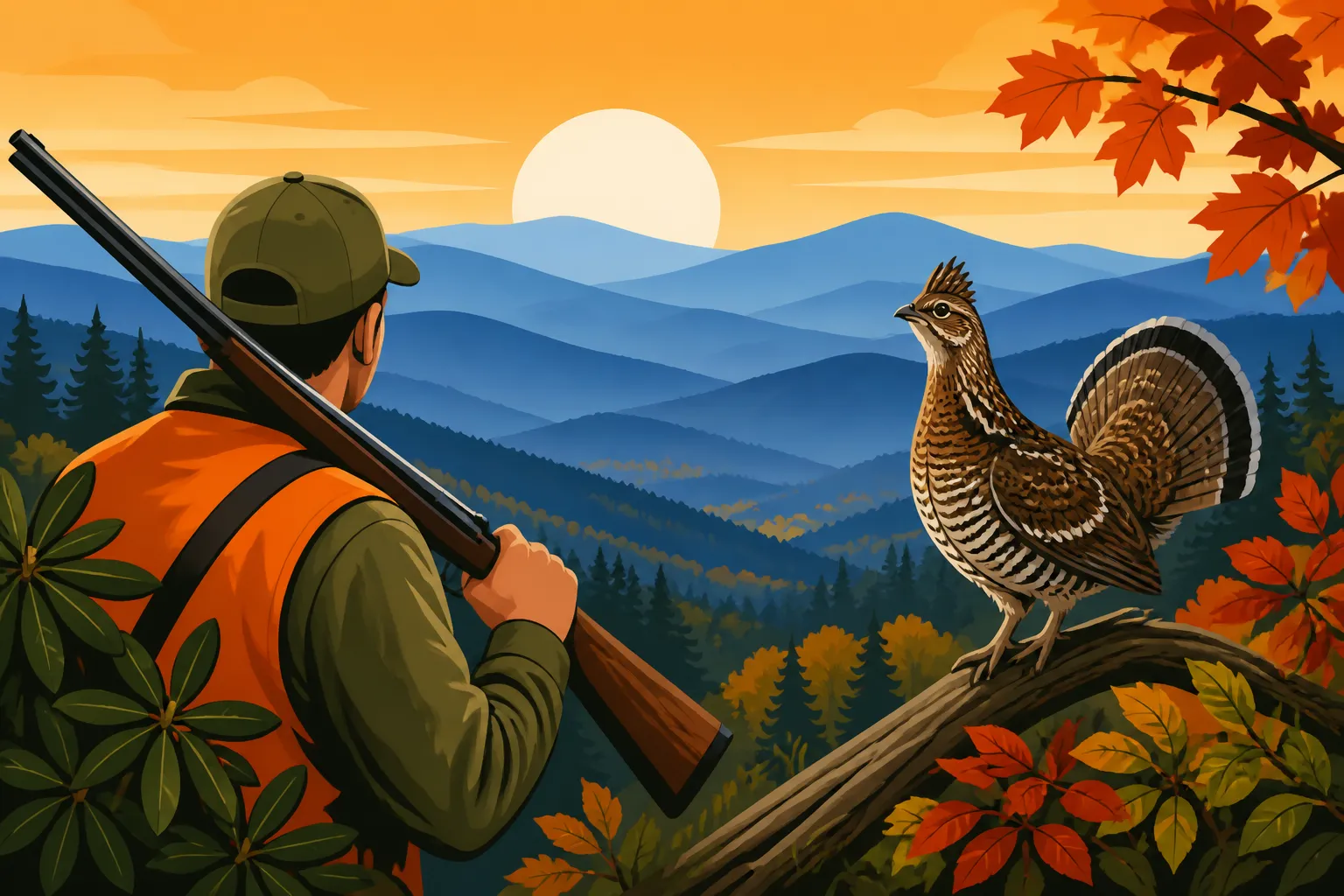
For many Virginia hunters, the thought of chasing ruffed grouse in the dense cover of the Blue Ridge mountains conjures images of frustrating flushes, missed shots, and exhausted legs. It's a notoriously challenging pursuit, often testing patience and skill, especially as populations have faced declines in recent decades. This guide aims to pull back the curtain on successful grouse hunting strategies, helping you navigate the unique challenges of Virginia's Blue Ridge habitat and increase your chances of finding these elusive thunder chickens.
Understanding Ruffed Grouse Behavior in Virginia's Blue Ridge
Ruffed grouse in Virginia, particularly in the Blue Ridge, are a different beast than their northern counterparts. Their habitat is often steeper, thicker, and more fragmented, leading to distinct behaviors and patterns that hunters must understand. These birds are masters of camouflage and escape, making them a true trophy for any upland hunter.
The Elusive Nature of Mountain Grouse
Virginia's grouse population has unfortunately experienced a significant decline over the past several decades, primarily due to habitat loss and maturation of forests. Unlike states further north with expansive young timber stands, Virginia's Blue Ridge grouse often inhabit older, more mature forests with specific pockets of regenerating clear-cuts, mountain laurel thickets, or rhododendron hells. This means they can be incredibly localized, making finding them a puzzle. Their survival often depends on staying hidden, so they are quick to flush and even quicker to put multiple trees between themselves and a hunter. The frustration of hearing a flush but never seeing the bird is a common experience, but understanding their preference for dense escape cover is the first step to figuring them out.
Key Habitat Preferences
To consistently find grouse, you need to understand where they prefer to live. In the Blue Ridge, this isn't always obvious. They thrive in areas that offer a mosaic of cover types:
- Young Forest Stands: These are critical. Look for clear-cuts that are 5-20 years old, offering dense saplings and brush for protection from predators and adverse weather. These areas provide excellent food sources and escape cover.
- Mountain Laurel and Rhododendron Thickets: These evergreen understories provide year-round thermal cover and excellent concealment. Grouse will often dive into these impenetrable thickets upon flushing.
- Logging Roads and Old Timber Landings: These areas often feature diverse regenerating vegetation and can serve as travel corridors or feeding grounds.
- Mixed Hardwood Forests: While they prefer young cover, grouse also utilize mature hardwoods for drumming logs, nesting, and a food source of buds and catkins during leaner times. Proximity to water is also a plus.
When scouting, use tools like the DWR's Go Outdoors Virginia map to identify potential clear-cut areas or timber operations within the national forests. This can give you a significant leg up on finding promising habitat before you even hit the woods.
Key Habitat Features and Scouting Strategies
Successful grouse hunting hinges on knowing where to look, and that requires thorough scouting, often long before the season even begins. The Blue Ridge presents unique challenges with its vastness and often rugged terrain.
Identifying Productive Coverts
Finding a productive grouse covert in the Blue Ridge means looking for specific combinations of features that provide food, water, and dense cover. During the spring and summer, grouse rely on insects, berries, and tender green growth. As fall progresses into winter, their diet shifts to buds, catkins, and accessible mast.
- Elevation and Aspect: While grouse can be found at various elevations, pay attention to north-facing slopes, which tend to retain moisture and foster denser undergrowth, or benches that offer a slight break in the steep terrain. These spots often harbor the thickets grouse love.
- Water Sources: Look for small springs, seepages, or creek bottoms. These areas often have lush vegetation and insect activity, especially during drier periods, attracting grouse.
- Old Apple Orchards or Abandoned Homesteads: These forgotten spots, particularly common on public lands like the George Washington National Forest, can be gold mines. The fruit trees provide food, and the surrounding old fields often grow into dense, ideal grouse habitat.
- Recent Timber Harvests: As mentioned, young timber is key. Look for recent clear-cuts on forest service maps or via satellite imagery on apps like GoHunt. These regenerating areas, often just a few years old, create perfect escape cover and food sources.
When you find these areas, note them down. They'll be your primary targets when the season opens. You can learn a lot by Scouting Virginia Public Land Before Season.
Utilizing Technology for Efficient Scouting
In the vastness of the Blue Ridge, technology is your best friend. Relying solely on boots-on-the-ground scouting can be overwhelming and inefficient.
- Satellite Imagery: Before you ever step foot in the woods, spend hours poring over satellite maps. Look for changes in canopy cover that indicate past timber harvests, dense evergreen patches, or clear-cuts that are starting to grow back. These are the subtle clues that show prime grouse habitat.
- Topographic Maps: Understand the terrain. Identify benches, saddles, and steep draws. Grouse often prefer to fly downhill when flushed, so knowing the topography can help you predict their escape routes.
- DWR Resources: The Virginia Department of Wildlife Resources (DWR) offers online maps and sometimes even details about timber projects on public lands. These resources can point you to areas that are actively being managed for young forest habitat.
- GPS and Mapping Apps: Apps like GoHunt are invaluable for marking potential coverts, tracking your routes, and ensuring you don't get turned around in thick cover. They allow you to drop pins on promising spots or even areas where you've flushed birds, helping you build a database of productive hunting grounds over time. This kind of detailed mapping is essential, especially when you're Finding Ground Others Walk Past.
Effective Hunting Tactics for Thick Cover
Grouse hunting in the Blue Ridge is not a casual stroll. It's an active, often physically demanding pursuit that requires specific tactics to convert flushes into birds in the bag.
Still-Hunting and Dog Work
Both still-hunting and hunting with a bird dog have their place in the Blue Ridge, and often a combination of the two yields the best results.
- Still-Hunting: This involves moving slowly, often pausing for minutes at a time, and relying on keen observation. When still-hunting, you're trying to surprise the bird. Move deliberately through thick cover, always scanning ahead for movement or the tell-tale shape of a grouse. Walk in zig-zags through dense patches, working against the wind if possible, as it can help carry your scent away and also allow you to hear flushes better. Many hunters find success still-hunting along old logging roads or the edges of clear-cuts, where grouse might be feeding or dusting. The key is to be ready to mount your gun in an instant when a bird explodes from cover.
- Hunting with a Dog: A well-trained bird dog, typically a setter or a pointer, can be incredibly effective. Their ability to find and point birds allows for a more controlled flush and a better shot opportunity. However, hunting dogs in the Blue Ridge's steep, tangled cover can be challenging. Dogs need to be close-working and have good bells or GPS collars (like those offered by Garmin or SportDOG) to keep track of them. The dog's nose will lead you to birds you'd otherwise walk past, holding them long enough for you to get into position. Be prepared for thick retrieves and teaching your dog to navigate challenging terrain. A disciplined dog that understands how to work close and honor points is a true asset in this environment.
Shot Placement and Quick Shooting
Grouse often flush fast and furious, presenting only fleeting shot opportunities through a maze of branches.
- Pre-visualization: Anticipate where a flushed bird might go. Usually, they'll fly downhill or follow a slight opening in the canopy. Keep your barrel moving and don't stop your swing.
- Open Chokes: Given the close-range, snap-shooting nature of grouse hunting, open chokes are highly recommended. Cylinder, Skeet, or Improved Cylinder chokes create a wider pattern, increasing your chances of connecting with a fast-flying bird in tight quarters. Many hunters carry a double barrel shotgun with an IC and a Modified choke, giving them options for the first and second shot.
- Shot Size: Small shot sizes are ideal for grouse. No. 7.5 or No. 8 lead shot (where legal) is typically preferred, offering a dense pattern with enough energy to take down a bird. For those needing non-toxic options, bismuth in similar sizes performs well.
- Swing Through: The classic upland shooting technique of swinging through the bird and pulling the trigger is paramount. Don't try to aim. Focus on the bird, swing past it, and fire. Practice mounting your gun quickly and smoothly before the season to build muscle memory. Remember, sometimes you only have a split second.
Navigating Challenging Terrain
The Blue Ridge is beautiful but unforgiving. It's vital to be prepared for rugged conditions.
- Appropriate Footwear: Invest in comfortable, waterproof, and supportive boots. You'll be traversing steep slopes, wet ground, and thick brush. Good ankle support is non-negotiable.
- Layered Clothing: Virginia weather in the fall can be unpredictable. Dress in layers that you can easily add or shed to regulate your temperature as you hike up and down mountains. Wool or synthetic base layers are key for wicking moisture. You might also consider a good pair of Brush Pants for Virginia Mountain Laurel to protect your legs.
- Physical Conditioning: Grouse hunting is a workout. Be in good physical shape before the season starts. Long hikes up and down steep terrain, often pushing through dense cover, will test your endurance.
- Orange Requirements: Always wear sufficient blaze orange as required by Virginia law, even if you’re hunting solo. Safety is paramount, especially on public land where other hunters might be present. Check out Virginia Blaze Orange Requirements for specific details.
Essential Gear and Safety Considerations
Having the right gear won't guarantee a bird in the vest, but it will certainly make the experience more enjoyable and safer. Thoughtful preparation can make all the difference when you're miles into a steep hollow.
Shotgun and Ammunition Selection
The type of shotgun and ammunition you choose plays a significant role in your success and enjoyment.
- Shotgun Type: Side-by-side or over/under shotguns are popular among grouse hunters due to their balance, quick handling, and the ability to choose different chokes for each barrel. A light, fast-swinging 20-gauge or 28-gauge is often preferred over a heavier 12-gauge for the long walks and quick shots required in thick cover. Semi-automatics can work, but their length can sometimes be a hindrance in dense brush. Consider exploring options for Upland Guns for Mountain Grouse Cover.
- Choke Selection: As mentioned, open chokes are crucial. Many hunters will pair an Improved Cylinder with a Modified choke, or even Skeet 1 with Skeet 2, to maximize pattern spread at close ranges. The goal is to get as many pellets on target as possible in the limited window you have.
- Ammunition: Stick to quality upland loads. For grouse, No. 7.5 or No. 8 lead shot is standard. If hunting areas requiring non-toxic shot (which is rare for upland birds in Virginia but good to be aware of if regulations change or you cross into areas with specific rules), bismuth shot is an excellent alternative that performs very similarly to lead. Always carry enough shells for your hunt, but don't overload yourself; every ounce counts on a long mountain hike.
Clothing and Footwear for Mountain Hunting
Being comfortable and protected is paramount when tackling the Blue Ridge.
- Layering System: A good layering system is key to adapting to Virginia's variable mountain weather. Start with a moisture-wicking base layer, add an insulating mid-layer (like fleece or wool), and top it with a durable, briar-resistant outer layer. A good upland vest with plenty of pockets for shells, water, and game is indispensable.
- Briar Pants or Chaps: Virginia's Blue Ridge has plenty of thorns, greenbrier, and multiflora rose. Durable briar-resistant pants or chaps are a must to protect your legs and prevent snags.
- Waterproof Boots: Comfortable, broken-in, waterproof boots with good ankle support and aggressive traction are non-negotiable. You'll be climbing steep, often slippery slopes and crossing small streams. Many hunters prefer a waterproof leather or synthetic boot specifically designed for upland hunting.
- Headwear and Gloves: A blaze orange hat is required for safety. Light gloves can protect your hands from thorns and cold, but choose a pair that allows for good trigger feel.
| Gear Item | Recommended Feature | Why It's Important |
|---|---|---|
| Shotgun | 20 or 28 gauge, O/U or SxS | Lighter, faster swing, maneuverability in thick cover |
| Chokes | Skeet, IC, or Light Modified | Wider pattern for close, snap shots |
| Ammunition | 7.5 or 8 shot (lead/bismuth) | Dense pattern for small, fast-flying birds |
| Boots | Waterproof, ankle support, good traction | Comfort and safety on steep, wet terrain |
| Briar Pants/Chaps | Durable, thorn-resistant | Protection from dense undergrowth and thorns |
| Upland Vest | Ample pockets, game pouch | Carries shells, water, snacks, and birds |
| Blaze Orange Hat | Required by law | Visibility and safety |
| GPS/Mapping App | Offline capabilities, topo maps (GoHunt) | Navigation, marking coverts, tracking route |
Safety in the Mountains
Hunting in the mountains comes with inherent risks. Prioritizing safety is crucial.
- Tell Someone Your Plans: Always let someone know where you're going, your planned route, and when you expect to return. Cell service can be spotty in the Blue Ridge.
- Carry a First-Aid Kit: A small, well-stocked first-aid kit is essential for dealing with minor cuts, scrapes, snake bites, or twisted ankles.
- Water and Snacks: Stay hydrated and energized. Carry more water than you think you'll need, especially on warmer days or long hikes.
- Compass and Map (Physical Backup): While GPS apps are fantastic, a physical compass and paper map can be a lifesaver if your electronics fail. Knowing how to use them is key.
- Awareness of Other Hunters: The Blue Ridge is public land. Always be aware of your surroundings, especially during Virginia's General Firearms Deer Season, when more hunters are out. Follow all blaze orange requirements and identify your target positively before shooting.
- Know Your Limits: Don't push yourself beyond your physical capabilities. If you're feeling exhausted or the terrain is too dangerous, it's okay to turn back.
- Dog Safety: If hunting with a dog, ensure they are wearing bright colors for visibility and have proper identification. Carry a canine first-aid kit and know how to treat common dog injuries like pad cuts.
Grouse hunting in Virginia's Blue Ridge is a demanding but incredibly rewarding pursuit. It forces you to hone your scouting skills, improve your shooting, and truly understand the nuances of the forest. While the birds may be few and far between, the challenge and the beauty of the mountains make every flush, every pointed bird, and every successful shot a memory to cherish.
Disclaimer
Hunting is an inherently dangerous activity. This article provides general information and recommendations. Always consult the Virginia Department of Wildlife Resources (DWR) regulations for the most current laws, seasons, and requirements. Safety should always be your top priority in the field.