Virginia Deer Season Structure Explained
Trying to make sense of Virginia's deer hunting seasons can feel like deciphering a secret code, especially when you're just starting out or coming from another state. Between the different zones, weapon types, and constantly evolving regulations, it's easy to get overwhelmed and even miss out on prime opportunities. This comprehensive guide is designed to cut through the confusion, offering a clear, empathetic breakdown of everything you need to know about Virginia's deer season structure, ensuring you're confident and compliant in the woods.
Understanding the Virginia Deer Season Overview
Virginia's approach to deer season isn't a one-size-fits-all model, and that's often the first hurdle new hunters face. The Old Dominion state is incredibly diverse, stretching from the coastal plain and tidal swamps of the East, through the rolling hills of the Piedmont, and into the rugged mountains of the West. This varied landscape, coupled with differing deer populations and urban development pressures, necessitates a nuanced approach to deer management. Understanding the big picture before diving into the nitty-gritty details will save you a lot of headaches.
The DWR's Approach to Deer Management
The Virginia Department of Wildlife Resources (DWR) employs a science-based management strategy that balances herd health, habitat sustainability, and hunter opportunity. They divide the state into two primary deer management regions: the Eastern Region (generally east of the Blue Ridge Mountains) and the Western Region (west of the Blue Ridge). Each region has distinct characteristics, including deer densities, habitat types, and even hunter traditions, which directly influence season lengths, bag limits, and weapon restrictions. The DWR regularly conducts surveys, collects harvest data, and monitors environmental factors to make informed decisions, ensuring a healthy deer population for generations to come.
This regional approach means that what's legal and common practice in, say, Loudoun County might be completely different from what you'd expect in Tazewell County. The DWR aims to provide ample hunting opportunities while preventing overharvest in areas with lower deer numbers and encouraging harvest in areas where populations might be higher, particularly to address agricultural damage or reduce deer-vehicle collisions. It's a complex dance, but it's all in service of maintaining a robust and huntable deer herd across the commonwealth. Their annual regulations digest, available on their website and through the Go Outdoors Virginia app, is your absolute best friend for the most current information.
Key Season Dates and Overlaps
Virginia's deer season typically unfolds in distinct phases, often with overlaps that allow for different hunting methods simultaneously. It all kicks off with the archery season, followed by muzzleloader, and then the much-anticipated general firearms season. However, these aren't always sequential, and many hunters enjoy the flexibility of hunting with a bow during muzzleloader season, or even with a muzzleloader during portions of the firearms season. This layered approach provides extended opportunities but also requires careful attention to the specific dates and legal weapons for each period.
For example, the statewide archery season often starts in early October, setting the stage for months of deer hunting. Then, an early muzzleloader season usually begins in November, overlapping with the latter half of archery season. Finally, the general firearms season, often starting the Saturday before Thanksgiving, is when the majority of deer are harvested. Understanding How Virginia's Season Runs Urban Archery to January is crucial for planning your hunts and maximizing your time afield, especially if you enjoy switching between different weapons or methods throughout the fall and early winter. The DWR also incorporates special youth weekends and late-season opportunities, extending hunting right up until the first Saturday in January in many areas.
Regional Differences in Virginia's Deer Season
As mentioned, the Blue Ridge Mountains serve as a significant dividing line for many of Virginia's deer hunting regulations. The Eastern Region, generally flatter and more agricultural or suburban, tends to have higher deer densities and often more liberal bag limits to help manage populations. Hunters here might find themselves pursuing deer in large farm fields, dense swamps, or suburban woodlots. The Western Region, characterized by rugged mountains, extensive national forests, and smaller private holdings, typically has lower deer densities and, consequently, more conservative bag limits.
These regional distinctions aren't just about how many deer you can tag; they also influence hunting pressure, deer behavior, and even the types of strategies that are most effective. For instance, in the Western Region, deer often travel greater distances and are more sensitive to human activity, making vast public lands like the Jefferson National Forest challenging but rewarding. In the East, deer might be more accustomed to human presence, but finding access can be a different kind of challenge. Always double-check the specific county regulations, as some counties within each region might have their own unique rules, particularly concerning antler point restrictions or Sunday hunting opportunities.
Delving into Virginia's Archery Seasons
For many, archery hunting is the purest form of deer hunting, demanding stealth, precision, and an intimate understanding of deer behavior. Virginia recognizes this passion with robust archery seasons that offer some of the earliest opportunities to get into the woods. However, like everything in Virginia hunting, there are specific nuances to understand, especially when it comes to statewide versus urban zones and equipment restrictions.
Statewide Archery Season Specifics
The statewide archery season is typically the first major deer season to open in Virginia, usually beginning in the first week of October. This early start provides an excellent opportunity to pursue deer before they become heavily pressured by firearms hunters. During this period, deer are often still on summer feeding patterns, making food sources like acorn flats, soybean fields, or apple orchards prime locations for setting up a stand. This season is entirely statewide, meaning the general rules apply no matter where you are in Virginia, east or west of the Blue Ridge.
The beauty of the statewide archery season is the tranquility it offers. You'll often experience quieter woods, with fewer hunters than later in the year. It's a fantastic time to pattern deer as they transition from summer bachelor groups to more solitary pre-rut movements. Remember, during the statewide archery season, hunters must adhere to strict weapon regulations, generally limited to traditional bows, compound bows, and crossbows (with specific rules we'll get into). For those passionate about the stick and string, Bowhunting Virginia's Statewide Archery Season can provide incredibly rewarding experiences, especially when you catch a mature buck still in its predictable early-season routine.
The Unique Opportunity of Urban Archery
Beyond the statewide season, Virginia offers a distinct urban archery season, which is a fantastic program designed to help manage deer populations in more developed areas. This season typically starts even earlier than the statewide season, often in September, and extends through the full statewide season, sometimes even into January. It's confined to specific designated cities, towns, and counties that have opted into the program. These areas often have higher deer densities due to abundant food sources and reduced hunting pressure, leading to increased deer-vehicle collisions and landscape damage.
Hunting in an urban archery zone requires special attention to local ordinances, as rules can vary between participating localities. You'll usually need written permission from landowners, and strict safety setbacks from occupied dwellings and property lines are always in effect. The rewards, however, can be significant. Hunters in these zones often have access to mature deer that might never step foot on heavily hunted public land. If you live near one of these areas, exploring Urban Archery Hunting in Virginia Cities could open up a whole new world of opportunities right in your backyard, but always check with the local DWR office or the participating municipality for the most up-to-date information on boundaries and special rules.
Crossbow Regulations During Archery
Crossbows have become increasingly popular, offering a blend of archery challenge with some of the ease of a firearm. In Virginia, crossbows are generally legal for all hunters during both the statewide and urban archery seasons. This wasn't always the case, and regulations have evolved to recognize crossbows as a legitimate and effective hunting tool. However, it's not simply a matter of picking one up and heading to the woods.
There are specific requirements for crossbows in Virginia, primarily concerning draw weight and safety features. While the DWR doesn't specify a minimum draw weight, your crossbow must be capable of propelling a bolt (arrow) at sufficient velocity and energy to ethically harvest a deer. It's also critical to understand that during archery season, any hunter, whether using a compound, recurve, or crossbow, must wear blaze orange or pink during the concurrent early muzzleloader or general firearms seasons if they are hunting in a county where those seasons are open. For all the technicalities and specific guidance on what's permitted, a deep dive into Crossbow Rules During Virginia Archery Season is highly recommended to ensure you're completely legal and ethical in your equipment choices.
Muzzleloader Season: A Bridge Between Archery and Firearms
Muzzleloader season in Virginia offers a unique hunting experience, blending the challenge of a single-shot, primitive weapon with the increased range and power compared to archery. It serves as an important bridge, falling between the archery and general firearms seasons, providing an extra opportunity for hunters to take to the field during prime deer activity.
Early Muzzleloader Season Rules
Virginia's early muzzleloader season typically begins in early November, creating a fantastic opportunity to hunt during the early stages of the rut, before the widespread pressure of general firearms season. This period is often characterized by increased buck activity as they begin to cruise for does. The specific dates for this season are statewide, meaning they apply across both the Eastern and Western regions, although bag limits still adhere to regional differences.
During the early muzzleloader season, only muzzleloading firearms are permitted. This means no modern centerfire or rimfire rifles, shotguns with slugs, or handguns are allowed unless you're also legal to hunt with archery tackle in a concurrently open archery season. The rules are designed to ensure a primitive weapon experience. It's also important to remember that if you're hunting in a county that is concurrently open for general firearms or another season where blaze orange is required, you must wear it for safety, even if you're only carrying a muzzleloader. For a detailed look at the season specifics and how to make the most of this period, checking out Muzzleloader Deer Hunting in Virginia is a great resource.
Muzzleloader Opportunities During General Firearms Season
While there's a dedicated early muzzleloader season, many hunters don't realize that muzzleloaders can also be used during the general firearms season. This offers flexibility, especially if you prefer hunting with a muzzleloader but can't make it out during the dedicated early period. When the general firearms season opens, muzzleloaders become a legal weapon choice alongside modern firearms. This means you can continue to enjoy the challenge of muzzleloading, but you'll be sharing the woods with a higher density of hunters using a wider array of weapons.
This overlap provides a great alternative for those who appreciate the historical aspect of muzzleloading or simply prefer it as their primary hunting method. However, all general firearms season rules and bag limits apply during this time. You'll still need to wear your blaze orange, and be mindful of the increased hunting pressure. This versatility makes muzzleloaders a valuable tool in a Virginia hunter's arsenal, allowing them to participate in multiple phases of the deer season with their preferred primitive firearm.
Ammunition and Equipment for Muzzleloading
Hunting with a muzzleloader in Virginia comes with specific equipment regulations designed to maintain the primitive nature of the hunt. During the muzzleloader-only season, hunters must use a muzzleloading rifle, pistol, or shotgun that loads from the muzzle. That means no breech-loading firearms, even if they are "muzzleloader-style" in appearance. The projectile must also be loaded from the muzzle, whether it's a patched round ball, a lead conical bullet, or a modern sabot bullet.
Crucially, only black powder or approved black powder substitutes are allowed as propellants. Smokeless powder, which is used in modern firearms, is strictly prohibited in muzzleloaders during any muzzleloader-only season. Furthermore, the DWR specifies that muzzleloaders must be single-shot, meaning they can only hold and fire one charge at a time. This focus on traditional methods adds to the challenge and reward of muzzleloading. Ensuring your equipment meets these precise requirements is non-negotiable for a legal and successful hunt.
The General Firearms Season: Peak Hunting Time
The general firearms season is undeniably the most anticipated and participated-in deer hunting period in Virginia. It’s when many camps open, friends and family gather, and the woods are filled with hunters pursuing whitetails with modern rifles, shotguns, and handguns. This season, typically kicking off in mid-November, is when the majority of Virginia's annual deer harvest occurs.
Statewide General Firearms Dates and County Variations
The general firearms season usually begins the Saturday before Thanksgiving and runs through the first Saturday in January. This extended period covers much of the breeding season (the rut), as well as the post-rut and late season, offering diverse hunting conditions. While the general framework is statewide, it's absolutely crucial to understand that county-specific regulations can significantly alter the start and end dates, and even the legal days for hunting. Some counties might have shorter seasons, or restrict hunting on Sundays, while others might allow it.
For instance, many counties east of the Blue Ridge allow Sunday hunting on private land during the general firearms season, a relatively recent change, while some western counties still prohibit it. These local variations are often a reflection of local traditions, deer populations, and landowner preferences. Always, and I mean always, verify the exact dates and rules for the specific county you plan to hunt in. The DWR website or the Go Outdoors Virginia app (which I find indispensable for quick checks in the field) will have the most current county-specific information. You can read more about Virginia's General Firearms Deer Season to get a full picture of this popular hunting period.
Understanding Legal Firearms and Ammunition
When it comes to the general firearms season, Virginia offers a broad range of legal weapons, which adds to its popularity. Hunters can use modern centerfire rifles, shotguns (with slugs or buckshot, depending on local rules), muzzleloading firearms, and even certain handguns. This flexibility allows hunters to choose the weapon best suited to their hunting style, the terrain, and the specific property they are hunting.
However, there are still important regulations to keep in mind. For rifles, there are no minimum caliber restrictions, but common sense dictates using a caliber appropriate for deer, like a .243, .270, or .30-06. Shotguns often have restrictions on shot size, with slugs being popular for deer in many areas, while buckshot might be permitted in others, especially in densely wooded or swampy terrain. Handguns also have minimum caliber and barrel length requirements. It's vital to ensure your chosen firearm and ammunition comply with all state and local regulations to avoid any issues. For instance, some areas might have restrictions on rifle use for safety reasons, making shotguns or muzzleloaders the primary options.
Safety Considerations and Blaze Orange Requirements
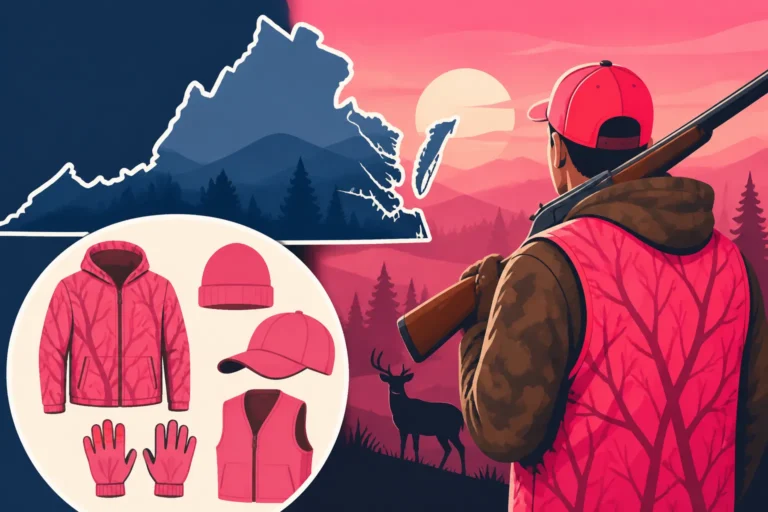
Safety is paramount during the general firearms season, given the increased number of hunters in the woods. One of the most important safety requirements in Virginia is the wearing of blaze orange or blaze pink. During the general firearms season, and any concurrent season where firearms are legal for deer, all hunters must wear at least 100 square inches of solid blaze orange or pink above the waist and visible from 360 degrees. This includes hunters using archery or muzzleloaders during these overlapping periods.
This high-visibility clothing is not just a suggestion; it's a legal requirement designed to make hunters easily identifiable to one another and prevent tragic accidents. Beyond blaze orange, responsible firearm handling, positive target identification, and awareness of your surroundings are critical. Always assume other hunters are in the woods, even if you don't see them. Knowing How Much Blaze Orange Virginia Requires is not just about compliance; it's about protecting yourself and others in the field. Be extra cautious around public lands where pressure can be intense, especially during opening weekend.
Bag Limits and Tagging Requirements
Understanding bag limits and the proper way to tag and report your deer is just as crucial as knowing when and where you can hunt. Virginia has a structured system designed to manage the deer herd effectively, and failing to comply with these rules can lead to serious penalties.
Eastern Versus Western Region Buck Limits
Virginia's regional approach extends significantly to antlered buck bag limits. This is one of the most important distinctions to grasp for deer hunters. Generally, in the Eastern Region (east of the Blue Ridge Mountains), hunters are permitted to harvest a maximum of three antlered bucks per license year. However, there's a significant condition: if you take a third antlered buck, you must have previously harvested at least two antlerless deer in the same license year. This rule encourages antlerless harvest to help manage the overall deer population.
In contrast, the Western Region (west of the Blue Ridge Mountains) has a more conservative antlered buck limit, typically set at two antlered bucks per license year. There are no antlerless prerequisites for these two bucks. This difference reflects the generally lower deer densities and different habitat characteristics in the mountainous western part of the state. Knowing East Versus West of the Blue Ridge Bag Limits is essential for every hunter to avoid accidental violations, as crossing the invisible line of the Blue Ridge can literally change your season's success. Always check the specific DWR regulations for any updates to these limits, as they can occasionally change based on population surveys and management goals.
Antlerless Deer Requirements and Bonus Tags
Antlerless deer, often referred to as does, play a critical role in Virginia's deer management strategy. Harvesting antlerless deer is key to controlling herd growth, reducing agricultural damage, and ensuring a healthy buck-to-doe ratio, which can improve the overall quality of the herd. In the Eastern Region, taking antlerless deer is not only encouraged but, as mentioned, is a prerequisite for harvesting a third buck.
The good news is that opportunities for harvesting antlerless deer are abundant. During the general firearms season, and often during portions of the archery and muzzleloader seasons, antlerless deer can be harvested daily, often with liberal daily limits. Many counties also allow the use of bonus antlerless tags, which can be purchased in addition to your regular big game license, providing even more opportunities to fill your freezer and contribute to sound wildlife management. These tags are usually restricted to specific hunting days or periods, so careful review of the regulations is necessary. Utilizing these antlerless opportunities is not just about compliance; it's a responsible way to manage the herd and ensure future hunting opportunities.
Mandatory Deer Reporting Procedures
Once you've successfully harvested a deer in Virginia, your responsibilities don't end there. All harvested deer must be reported to the DWR. This mandatory reporting is crucial for the DWR to collect accurate harvest data, which in turn informs their management decisions for future seasons. Without this data, they can't effectively monitor population trends or assess the impact of various regulations.
Virginia offers several convenient ways to report your deer:
- Online: The quickest and most common method is through the Go Outdoors Virginia website. You simply log in, enter your harvest information, and receive a confirmation number.
- Go Outdoors Virginia App: For those in the field, the DWR's mobile app (powered by GoHunt) allows for immediate reporting from your smartphone, even in areas with limited cell service (it can often store the data and upload once you regain signal).
- Phone: A toll-free number is also available for reporting, which can be useful if you prefer speaking to someone or have specific questions.
You typically need to report your deer before transporting it from the kill site or within a certain timeframe, usually by midnight on the day of harvest. Failing to report a deer is a violation, so make it a habit to report promptly after securing your animal. This process is straightforward, but it's a critical part of being a responsible hunter in Virginia.
Special Seasons and Youth Opportunities
Virginia understands the importance of fostering the next generation of hunters and addressing specific management needs, leading to several special seasons and unique opportunities outside the main hunting periods. These are fantastic ways to introduce new hunters, extend the season, or help landowners with wildlife conflicts.
The Virginia Youth Deer Weekend
One of the most cherished special opportunities is the Virginia Youth Deer Weekend. This dedicated weekend, typically held in late September or early October, offers young hunters (15 years of age and younger) a chance to hunt deer with adult supervision before the general hunting pressure begins. During this special weekend, youth hunters can use a variety of legal weapons, including firearms, archery equipment, or muzzleloaders, depending on the county and specific regulations. The accompanying adult must be licensed but cannot carry a weapon.
This weekend is a fantastic way to introduce kids to hunting in a less crowded, more relaxed environment. The weather is often pleasant, and deer are typically still in predictable patterns, increasing the chances of success for young hunters. Success during this weekend can build confidence and ignite a lifelong passion for hunting. It's a time for teaching ethics, safety, and woodsmanship in a low-pressure setting. You can find specific dates and rules for Hunting the Virginia Youth Deer Weekend on the DWR website each year.
Managed Hunts and Quota Opportunities
Beyond the general seasons, the DWR, often in partnership with other agencies or private landowners, offers various managed hunts and quota hunts. These hunts typically take place on specific Wildlife Management Areas (WMAs), National Wildlife Refuges (NWRs), military bases (like Fort A.P. Hill or Quantico), or state parks. They are often designed to address specific management goals, such as reducing deer populations in an enclosed area, providing access to highly managed lands, or offering unique hunting experiences.
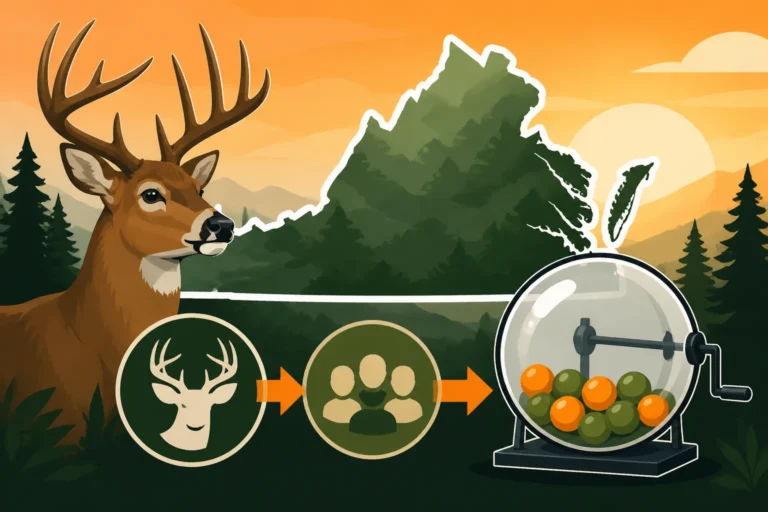
Participation in managed hunts usually requires an application, and often a lottery drawing, well in advance of the hunting season. These hunts can offer exceptional opportunities for quality deer, unique habitats, or extended seasons. The application windows and specific rules vary widely, so if you're interested in these, you'll need to regularly check the DWR website or the websites of specific refuges or bases for application periods and details. While competitive to draw, they provide exclusive access and can be very rewarding.
Landowner Permits and Damage Control Seasons
Virginia also provides options for landowners experiencing deer damage to their crops or property. These typically come in the form of Deer Damage Permits (DDPs) or special depredation permits, which allow landowners or their designees to harvest deer outside of regular hunting seasons or exceed typical bag limits to mitigate damage. These permits are usually issued after a DWR biologist assesses the extent of the damage.
These permits are not general hunting opportunities but rather specific management tools. Hunters participating under a DDP must adhere to strict guidelines, including weapon restrictions, harvest limits, and reporting requirements outlined on the permit itself. While not a conventional hunting season, it’s an important component of Virginia’s overall deer management strategy, helping to balance wildlife populations with agricultural and property interests. If you're a landowner experiencing significant deer damage, contacting your local DWR office is the first step.
Navigating Chronic Wasting Disease (CWD) Zones
Chronic Wasting Disease (CWD) is a serious neurological disease that affects deer, elk, and moose. It's always fatal, and there's no known cure. As a responsible hunter in Virginia, understanding CWD and the regulations designed to manage its spread is absolutely critical, especially if you hunt in or near one of the designated CWD Management Areas (DMAs).
Virginia's CWD Management Areas (DMAs)
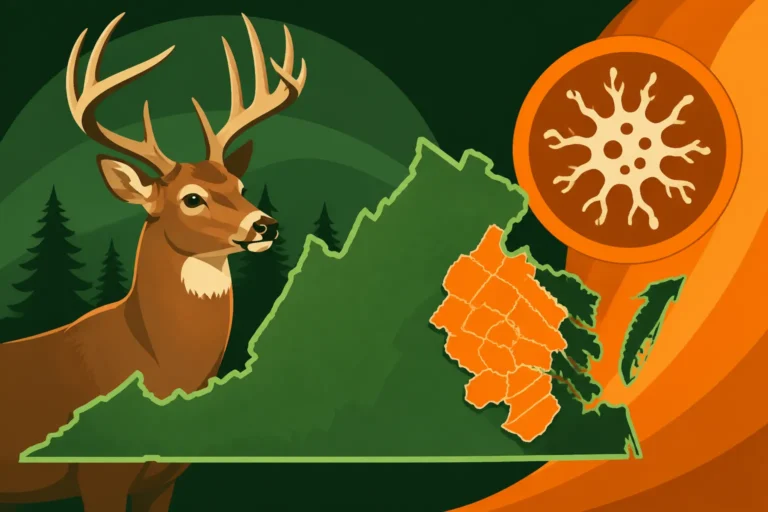
Virginia has established several CWD Management Areas (DMAs) in counties where the disease has been detected or is deemed a high risk for spread. These DMAs are dynamic, meaning their boundaries can change based on new detections or epidemiological data. As of recent updates, Virginia has four distinct DMAs, primarily concentrated in the northern and western parts of the state, particularly in the Shenandoah Valley, where the first cases were identified. These areas have specific regulations that differ from the rest of the state, all aimed at slowing the spread of CWD.
The counties within these DMAs, such as Frederick, Clarke, Shenandoah, and others, are subject to enhanced surveillance and stricter rules for hunters. It's vital for any hunter heading into these areas to know if they are within a DMA, as it will impact how they handle their harvested deer and potentially their hunting methods. Being informed about Virginia's Four Chronic Wasting Disease Areas is not just a recommendation; it's a necessity for ethical and legal hunting in the commonwealth.
Carcass Movement Restrictions and Testing Requirements
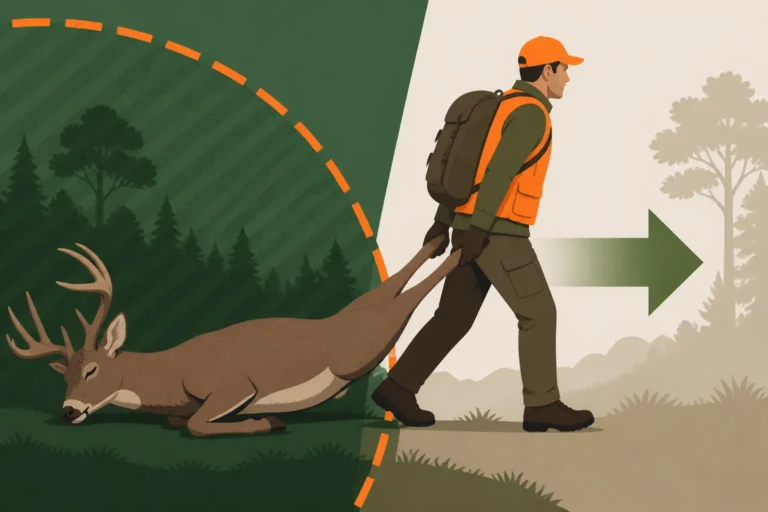
One of the most important regulations within a CWD Management Area is the restriction on carcass movement. To prevent the spread of CWD to unaffected areas, hunters are generally prohibited from moving entire deer carcasses (or certain high-risk parts like the brain, spinal cord, and lymph nodes) out of a DMA. You can typically transport boned-out meat, cleaned skull plates, antlers, and hides out of a DMA, but the full carcass must be processed or disposed of within the zone.
Furthermore, hunters harvesting deer within specific DMAs may be required to submit their deer for CWD testing during designated mandatory sampling periods. These testing stations are usually set up at local DWR offices or specific checkpoints during opening weekends of firearms season. Even outside mandatory periods, voluntary testing is often encouraged and available. These measures are critical to monitoring the disease's prevalence and geographic spread. Always check the DWR's annual hunting regulations for the latest on carcass movement restrictions and mandatory testing locations and dates for specific DMAs.
Feeding Bans and Their Impact on Hunters
Another key component of CWD management in Virginia, particularly within DMAs, is the implementation of feeding bans. Deer congregating at feed sites can facilitate the transmission of CWD from animal to animal, as the prions (the infectious agents of CWD) can persist in the environment. To reduce this risk, the DWR imposes strict prohibitions on feeding deer within designated CWD zones. This includes baiting, mineral blocks, or any other substance that artificially concentrates deer.
These feeding bans have a significant impact on hunters, as using bait to attract deer is illegal within these zones. This means strategies that might be legal in non-CWD counties, like setting up a corn pile, are strictly forbidden in DMAs. This measure, while sometimes inconvenient for hunters, is a crucial public health and wildlife management tool. Adhering to these feeding bans is an essential part of being a responsible steward of Virginia's deer herd and helping to combat the spread of CWD. Ignorance of these rules is not an excuse, so familiarize yourself with the regulations for the specific county you're hunting in.
Strategic Planning for Your Virginia Deer Season
Successful deer hunting in Virginia isn't just about knowing the rules; it's about strategic planning and adapting to the diverse conditions the state offers. From leveraging technology to understanding hunting pressure, a well-thought-out approach will significantly increase your odds of success.
Utilizing Scouting and Technology for Success
Effective scouting is the bedrock of successful deer hunting. Before any season opens, spending time in the woods to identify prime deer habitat, travel corridors, and food sources is invaluable. This might mean walking potential hunting areas, looking for rubs, scrapes, and tracks, or setting up trail cameras to monitor deer movement. Even without stepping foot in the woods, modern technology offers incredible advantages. Aerial maps, topographic maps, and satellite imagery (like those available through apps like GoHunt or other mapping services) allow you to identify potential bedding areas, pinch points, funnels, and natural barriers from the comfort of your home.
These tools are particularly useful for public land hunting, allowing you to scout vast areas quickly and efficiently, pinpointing promising spots where deer might feel secure. Understanding Scouting Virginia Public Land Before Season can give you a significant edge, helping you locate remote areas that see less pressure. By combining physical scouting with digital reconnaissance, you can develop a comprehensive game plan for your hunting season, whether you're targeting a mature buck or simply looking to fill your freezer. Remember, deer patterns change throughout the season, so continuous scouting, even from afar, can keep you updated on their movements.
Adapting to Pressure on Public and Private Lands
Virginia offers a mix of public and private hunting opportunities, and each comes with its own set of challenges and strategies, especially concerning hunting pressure. On public lands, particularly during the general firearms season, you can expect significant hunter density. This pressure often pushes deer into thicker cover, more remote areas, or makes them largely nocturnal. To succeed on public land, hunters often need to be willing to walk further, hunt deeper, and target overlooked pockets of cover that other hunters ignore. Hunting during weekdays or later in the season can also reduce pressure.
On private lands, hunting pressure can vary wildly depending on the landowner and the number of hunters allowed access. Some private tracts are heavily managed and see consistent hunting, while others might be virtually unhunted. Accessing private land often requires knocking on doors, building relationships with landowners, or joining a hunting club. Once you have private land access, understanding the local deer movements and tailoring your strategy to the specific property (e.g., Setting Up on a Piedmont Field Edge or working small woodlots) becomes paramount. Always be respectful of landowner wishes and prioritize ethical hunting practices to maintain your access.
Importance of Staying Informed and Prepared
The world of hunting regulations is rarely static, and Virginia is no exception. Changes to season dates, bag limits, CWD zones, or even legal equipment can occur between hunting seasons, sometimes even within a season if emergency measures are needed. Therefore, the single most important strategy for any Virginia deer hunter is to stay informed and prepared. Before each season, and throughout it, make it a point to:
- Read the DWR Regulations Digest: This is your primary source of truth. Read it thoroughly, paying special attention to your specific region and county.
- Check DWR Online Resources: The DWR website (DWR.Virginia.gov) is continuously updated with news releases, CWD updates, and regulation changes.
- Use the Go Outdoors Virginia App: This app, not just for reporting, often has regulation summaries and license information readily available.
- Subscribe to Newsletters: Sign up for DWR email updates to receive timely notifications about important changes.
Being prepared also means having all your licenses and permits in order, knowing your equipment inside and out, and being physically ready for the demands of the hunt. This proactive approach ensures you're always hunting legally, ethically, and safely, allowing you to focus on the thrill of the chase rather than worrying about compliance.
Virginia Deer Season Quick Reference Table
| Season Type | General Dates (Approximate) | Eastern Region Buck Limit | Western Region Buck Limit | Legal Weapons (Primary) | Blaze Orange/Pink Required? | Notes |
|---|---|---|---|---|---|---|
| Statewide Archery | Early Oct – Mid Nov | 3 (2 antlerless prior) | 2 | Archery, Crossbow | Yes (if concurrent firearm) | Early season, less pressure. |
| Urban Archery | Early Sept – Early Jan (local) | 3 (2 antlerless prior) | N/A | Archery, Crossbow | Yes (if concurrent firearm) | City/County specific, check local rules. |
| Early Muzzleloader | Early Nov – Mid Nov | 3 (2 antlerless prior) | 2 | Muzzleloader (primitive) | Yes | Rut activity often starts, can overlap archery. |
| General Firearms | Mid Nov – Early Jan | 3 (2 antlerless prior) | 2 | Rifle, Shotgun, Muzzleloader, Handgun | Yes | Peak harvest, county variations common. |
| Youth Deer Weekend | Late Sept / Early Oct (specific wknd) | 3 (2 antlerless prior) | 2 | All legal deer weapons | Yes | Youth 15 & under, adult supervision. |
Note: All dates are approximate and should be verified with the current DWR Regulations Digest. County-specific rules, especially for Sunday hunting and CWD zones, can alter these general guidelines.
Disclaimer
The information provided in this guide is intended for general informational purposes only and is not a substitute for the official Virginia Department of Wildlife Resources (DWR) hunting regulations. Hunters are solely responsible for knowing and adhering to all current state and local laws and regulations before engaging in any hunting activities. Always consult the most recent DWR Hunting & Trapping Regulations Digest and relevant county ordinances for the most accurate and up-to-date information.