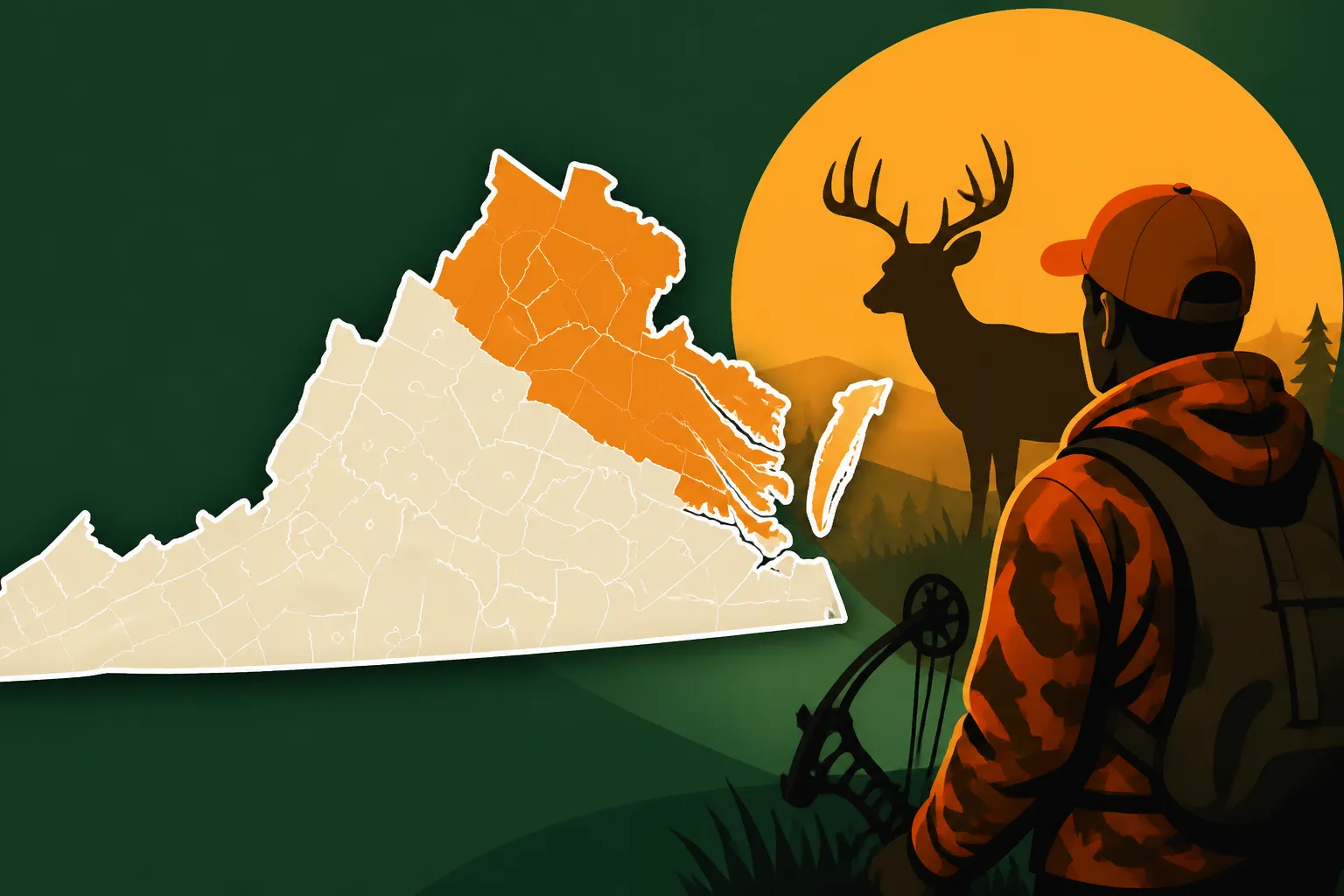
Why DMA1 Accounts for Most of Virginia’s Cases
It’s a tough pill to swallow, but if you hunt deer in Virginia, you've heard the unsettling whispers—or perhaps outright shouts—about Chronic Wasting Disease (CWD). This insidious neurological disease is a real threat to our deer herds, and unfortunately, one particular region, Disease Management Area 1 (DMA1), stands out as the epicenter of Virginia's CWD cases. It's frustrating to see, especially when you're trying to enjoy the tradition of hunting, but understanding why DMA1 has become such a hotspot is crucial for all of us invested in the health of our deer and the future of hunting in the Commonwealth. This guide aims to shed light on the unique confluence of factors that have made DMA1 the primary battleground against CWD in Virginia.
Understanding Chronic Wasting Disease and Its Threat
Before we dive into the specifics of DMA1, let's make sure we're all on the same page about what CWD actually is. It’s not just another deer sickness; it’s a game-changer for wildlife management and hunting.
What Exactly is CWD?
Chronic Wasting Disease is a fatal neurological disease that affects cervids—deer, elk, moose, and reindeer. It's caused by abnormal proteins called prions, which slowly accumulate in the brain and other tissues, literally wasting away the animal's body and brain function over time. Imagine watching a deer slowly lose its coordination, become emaciated, and develop a vacant stare. That's the tragic reality of CWD. There's no cure, no vaccine, and once an animal contracts it, the outcome is invariably fatal. The concern isn't just for the deer; while there's no conclusive evidence of CWD transmitting to humans, health organizations advise against consuming meat from CWD-positive animals, adding another layer of complexity for hunters. The implications for the future of our herds are significant, and it’s a stark reminder of the challenges our wildlife agencies face.
How CWD Spreads Through Deer Populations
The insidious nature of CWD lies in its transmission. It’s not like a common cold where a sneeze or cough does the trick. CWD prions can spread through direct contact between animals, for sure. Think of a dominant buck rubbing antlers with a subordinate, or does grooming each other. But here’s the really problematic part: the prions are also shed into the environment through saliva, urine, and feces. They can even persist in soil for years, possibly decades, remaining infectious. This means a healthy deer can pick up the disease simply by grazing in an area where an infected deer once walked, ate, or died. Carcasses of infected animals left in the field can also continue to contaminate the soil long after the deer is gone. This environmental persistence makes CWD incredibly difficult to contain once it establishes a foothold, turning specific landscapes into long-term reservoirs of infection. This is a primary reason why the Virginia Department of Wildlife Resources (DWR) has implemented such stringent regulations around areas like DMA1.
DMA1: Virginia's CWD Epicenter
Now that we understand the basics of CWD, let’s focus on the heart of the matter: Disease Management Area 1, or DMA1. This isn't just a random designation; it's a critical zone defined by the presence and spread of CWD.
The Geographic Scope and Initial Discovery
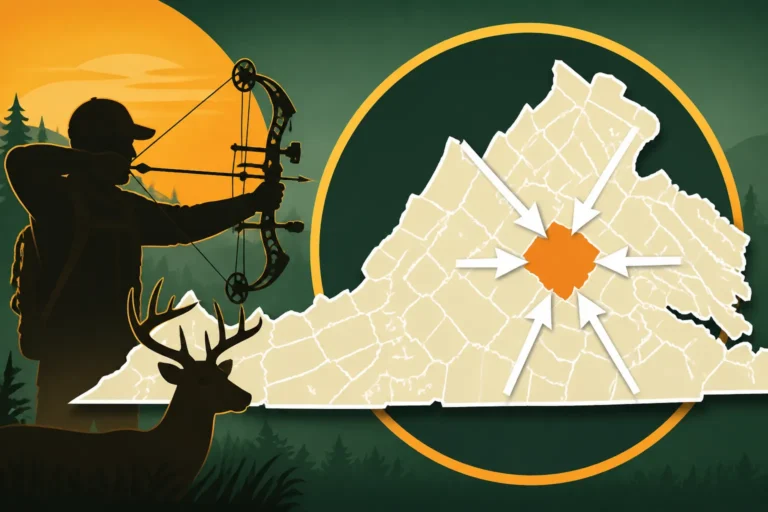
DMA1 encompasses a significant portion of Virginia’s northern Shenandoah Valley, primarily including Clarke, Frederick, Shenandoah, and Warren counties, with parts of Fauquier, Loudoun, and Page also included. It's a beautiful, rich agricultural region, but it's also where CWD first reared its ugly head in Virginia. The very first confirmed case of CWD in the Commonwealth was discovered in a deer harvested in Frederick County back in 2009. That single case was a wake-up call, immediately triggering heightened surveillance and management efforts. Since then, the number of positives has unfortunately grown, with more and more cases being identified within these counties. Each new positive amplifies the concern and underscores the need for continued vigilance. When you check the latest CWD statistics, you’ll quickly see that Which County Sits at the Center of DMA1 often shows the highest number of detections, making it a critical hotspot for monitoring and management.
The Rationale Behind DMA1's Designation
The Virginia DWR didn't just draw lines on a map arbitrarily. DMA1 was meticulously defined based on the geographic spread of confirmed CWD cases and the risk of further expansion. The idea is to create a buffer, a management zone where specific rules can be enforced to monitor the disease, slow its spread, and protect surrounding healthy deer populations. The designation allows DWR to focus resources – surveillance, testing, public education, and regulation – where they are most needed. It’s a proactive, if sometimes challenging, approach to disease management. Without these zones, the efforts would be diluted, and the disease could spread unchecked, making it impossible to contain. Understanding the rules for DMA1 Shenandoah Valley Rules is paramount if you plan to hunt in this area. You can find detailed maps and specific boundaries on the DWR website or by checking helpful apps like GoHunt that integrate this information directly into their mapping layers.
Key Factors Driving CWD Prevalence in DMA1
So, why this area? Why has DMA1 become the hotbed for CWD in Virginia, accounting for the majority of the state's positive cases? It's not one single factor, but rather a complex interplay of environmental, biological, and even historical elements that have created a perfect storm for the disease to take hold and spread.
Deer Population Density and Habitat
One of the most significant contributing factors in DMA1’s CWD prevalence is its historically high deer population density. The Shenandoah Valley is incredibly fertile, with a mix of agricultural fields, mature timber, and suburban edges that provide abundant food and cover for deer. This region has long been known for its robust deer herds, which is great for hunting but less so for disease management. When deer numbers are high, they naturally come into more frequent direct contact with one another. More direct contact means more opportunities for CWD prions to spread from an infected animal to a healthy one.
Think about it: a concentrated deer herd browsing in a clover field, sharing mineral licks (which are illegal but still happen), or simply moving through the same travel corridors day after day creates a network of potential transmission points. Even without direct contact, the more deer using a smaller area, the more contaminated the environment can become with shed prions from saliva, urine, and feces. The rich habitat that allows for a thriving deer population also, unfortunately, facilitates the spread and persistence of this devastating disease. Hunting efforts to control deer density, such as encouraging hunters to take antlerless deer, are crucial in this area to help mitigate this risk. You can learn more about managing herds in different regions by looking at articles like Virginia Deer Population Estimate.
Landscape and Geological Features
The unique landscape and geological features of the Shenandoah Valley also play a critical, albeit often overlooked, role in CWD persistence. The valley floor is characterized by fertile agricultural lands nestled between the Blue Ridge and Allegheny Mountains. This topography often funnels deer movement into specific corridors and feeding areas.
More importantly, the underlying geology is largely limestone. Limestone bedrock can lead to soil conditions that are rich in certain minerals and have a specific pH balance. Research has shown that CWD prions can bind to certain soil particles and minerals, particularly clay, and remain infectious for extended periods. This means the soil itself can act as a long-term reservoir for the disease. If an infected deer dies or sheds prions in the valley's characteristic soils, those prions can persist, potentially infecting other deer years later. This environmental contamination, coupled with the concentrated deer activity in agricultural areas, creates a challenging scenario for eradicating the disease. It means even if every infected deer were removed today, the environment itself could still pose a threat for years to come.
Human-Assisted Spread and Management Challenges
While the natural factors are significant, human actions have also, perhaps unwittingly, contributed to CWD's spread and made its management more complex in DMA1. Historically, before CWD was a known threat, the movement of live deer for breeding or stocking purposes, though not explicitly proven for Virginia, has been implicated in the spread of CWD in other states.
More currently, human behaviors like illegal feeding or baiting, even if well-intentioned, can concentrate deer in unnaturally high densities. When deer gather at a bait pile or a feeder, they exchange saliva and bodily fluids, creating prime conditions for CWD transmission. This is precisely why a Virginia's Twenty-Five-Mile Feeding Ban is strictly enforced in CWD management areas. Hunters, too, sometimes inadvertently contribute to spread if they harvest a CWD-positive deer and move the carcass outside of DMA1 without proper precautions. While DWR mandates certain protocols, awareness and adherence are crucial. The initial lack of widespread understanding of CWD, coupled with natural deer movement across county lines and traditional hunting practices, has unfortunately allowed the disease to gain a stronger foothold in this region. This is where using tools like the GoHunt app to stay up-to-date on regulations becomes invaluable.
Navigating Hunting in DMA1: Regulations and Hunter Responsibilities
Hunting in DMA1 comes with specific responsibilities and regulations designed to help manage CWD. It’s a shift from traditional hunting, but it’s absolutely essential for the long-term health of our deer herd and our hunting heritage.
Mandatory Testing and Carcass Movement Restrictions
If you hunt in DMA1, you're going to encounter mandatory CWD testing requirements. This isn't optional; it's a critical part of DWR's surveillance efforts to understand the prevalence and geographic extent of the disease. During designated periods, typically on opening weekends of general firearms season, hunters are required to bring their harvested deer (or at least the head) to an official CWD sampling station. The DWR has made efforts to make this as convenient as possible, setting up various check stations and even self-service kiosks. You can find specific locations and dates for Finding a Virginia CWD Sampling Location on the DWR website or by checking your GoHunt map.
Equally important are the carcass movement restrictions. You cannot simply harvest a deer in DMA1 and take the entire carcass to your home in a non-DMA county. This regulation is designed to prevent hunters from inadvertently moving CWD prions to new areas. Generally, only deboned meat, clean antlers, hides, and taxidermy-ready heads (with brain matter removed) can leave the DMA. This means you might need to bone out your deer in the field or at a designated processing facility within DMA1. It's an extra step, for sure, but it’s a small price to pay to protect deer populations elsewhere in the state. For comprehensive details, review the rules on Moving a Deer Carcass Out of a DMA.
Feeding Bans and Their Importance
We touched on it earlier, but it bears repeating: feeding bans are a cornerstone of CWD management in DMA1. The DWR has implemented strict prohibitions on feeding deer and placing mineral licks in these areas. Why? Because anything that congregates deer in a small area dramatically increases the likelihood of disease transmission. When deer gather to eat from a bait pile, they exchange saliva, urine, and feces. If even one deer is CWD-positive, the potential for others to become infected skyrockets. The prions shed in these areas can also contaminate the soil, creating a long-term source of infection.
It might feel counterintuitive, especially if you're used to using feeders or attractants, but avoiding all forms of deer congregation is vital. This ban includes not only traditional feeders but also things like corn piles, apple orchards that are intentionally managed for deer consumption, and even some types of food plots if they're used in a way that concentrates deer excessively. Abiding by these rules is not just about avoiding a fine; it's about being a responsible steward of our wildlife. The DWR website and the GoHunt application are excellent resources for understanding the precise boundaries of these feeding bans.
The Hunter's Role in CWD Mitigation
As hunters, we are often the first line of defense and the most important partners in wildlife management. In the context of CWD in DMA1, our role is more critical than ever. First and foremost, educate yourself. Understand the disease, the regulations, and why they exist. Secondly, comply with all DWR regulations, including mandatory testing, carcass movement restrictions, and feeding bans. Your compliance directly impacts the success of containment efforts.
Beyond compliance, consider your impact. If you harvest a deer in DMA1, take the time to properly field dress it and dispose of the carcass remains within the DMA, or transport them to an approved DWR collection site. Report any deer that appear sick or exhibit CWD-like symptoms to the DWR immediately. This could include emaciation, drooling, neurological deficits, or unusual behavior. Your observations are invaluable to wildlife biologists. Also, scouting tools like GoHunt can help you understand public land boundaries and specific WMA rules within DMA1, which can often have additional local requirements. By working together, adhering to regulations, and being vigilant, we give our deer herds the best possible chance to combat this challenging disease.
Factor Impact on CWD Prevalence in DMA1
DMA1 (Confirmed Cases) Higher deer density, prime agricultural habitat, historical proximity to initial cases, specific geology retaining prions, potentially unmonitored human activity (illegal feeding).
Other DMAs (Fewer Cases) Lower deer density, more fragmented habitat, different geological compositions, greater awareness/compliance with regulations in newer DMAs, potentially less time for disease establishment.
Disclaimer
Please remember that hunting regulations and CWD management strategies are subject to change. Always consult the official Virginia Department of Wildlife Resources (DWR) website or contact them directly for the most current information before planning your hunt. This guide is for informational purposes only and should not replace official DWR guidance.