Finding Whether Your County Sits in a Feeding Ban
It can be incredibly frustrating to plan a deer hunt in Virginia, meticulously scouting your spots and prepping your gear, only to realize you’re not entirely sure if the county you’re targeting has a feeding ban in place. These regulations, often tied to disease management, can change, creating a real headache for hunters trying to stay legal and ethical. This comprehensive guide will walk you through exactly how to determine if your hunting county falls under a feeding ban, explaining the nuances, helping you navigate official sources, and ensuring you’re well-prepared for a compliant season.
The Frustration of Virginia's Deer Feeding Bans: Why It Matters to Hunters
Let’s be honest, nobody enjoys more rules. Hunters, by nature, are often traditionalists, and the idea of not being able to put out a little corn or an apple pile to attract deer can feel like an infringement on established practices. But Virginia’s feeding bans aren't about making things harder; they're a critical tool in the fight against a serious threat to our deer herd: Chronic Wasting Disease (CWD). Missing this crucial detail can not only land you a citation but also unknowingly contribute to the spread of a devastating neurological illness. It's a tough pill to swallow when you're just trying to enjoy your time afield, but understanding the "why" can help.
The Core Reason: Chronic Wasting Disease CWD
Chronic Wasting Disease (CWD) is a contagious, fatal neurological disease that affects deer, elk, and moose. It's caused by abnormal proteins called prions, and once an animal contracts it, there's no recovery. The terrifying part? These prions can persist in the environment for years, even after an infected animal is gone. When deer congregate in large numbers, like they do at a feeding site, the chances of disease transmission skyrocket. Saliva, urine, and feces can all contain prions, and shared food sources become hotbeds for spread. Virginia, like many states, has seen its share of CWD cases, particularly in specific regions, leading to the implementation of these feeding bans. You can learn more about how the disease is managed in our deep dive into Virginia's Four Chronic Wasting Disease Areas.
What "Feeding" Actually Means Under the Ban
It's not just about corn. When a feeding ban is in effect, it generally prohibits placing, distributing, or scattering food, minerals, salt, or other materials that attract deer. This means no bait, no mineral blocks, no salt licks, and no supplemental feed. The intent is to prevent the unnatural congregation of deer, which increases nose-to-nose contact and the likelihood of CWD transmission. Even seemingly innocuous actions, like leaving out leftover garden scraps, could fall under the prohibition if they consistently attract deer. The key is understanding that the DWR isn't just targeting intentional baiting; they're looking at anything that acts as an attractant and concentrates deer in one spot. It's a broad interpretation designed to err on the side of caution for the health of the herd.
Navigating the Official Sources: How to Pinpoint Affected Counties
Alright, so you understand why the bans exist, but how do you actually figure out if your specific hunting spot is affected? This is where many hunters get tripped up, often relying on word-of-mouth or outdated information. The Virginia Department of Wildlife Resources (DWR) is your absolute authority on this, and they provide several reliable ways to check. Don't leave it to chance; a quick check can save you a lot of hassle and potential legal trouble.
Your First Stop: The DWR Website and Maps
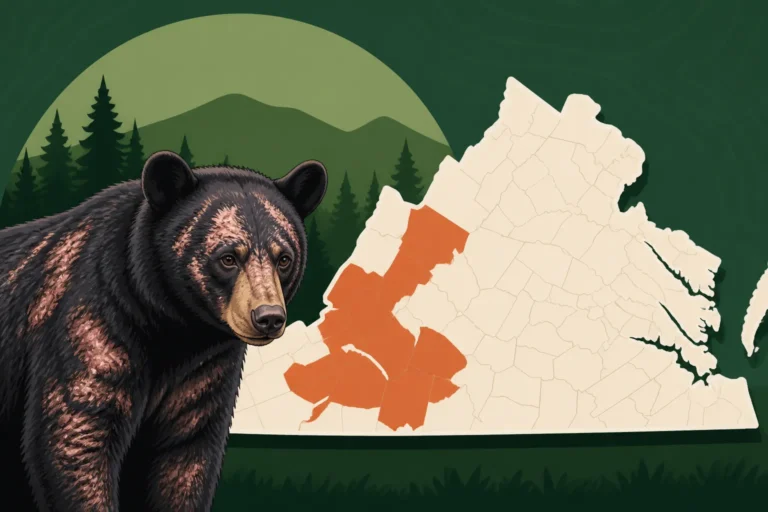
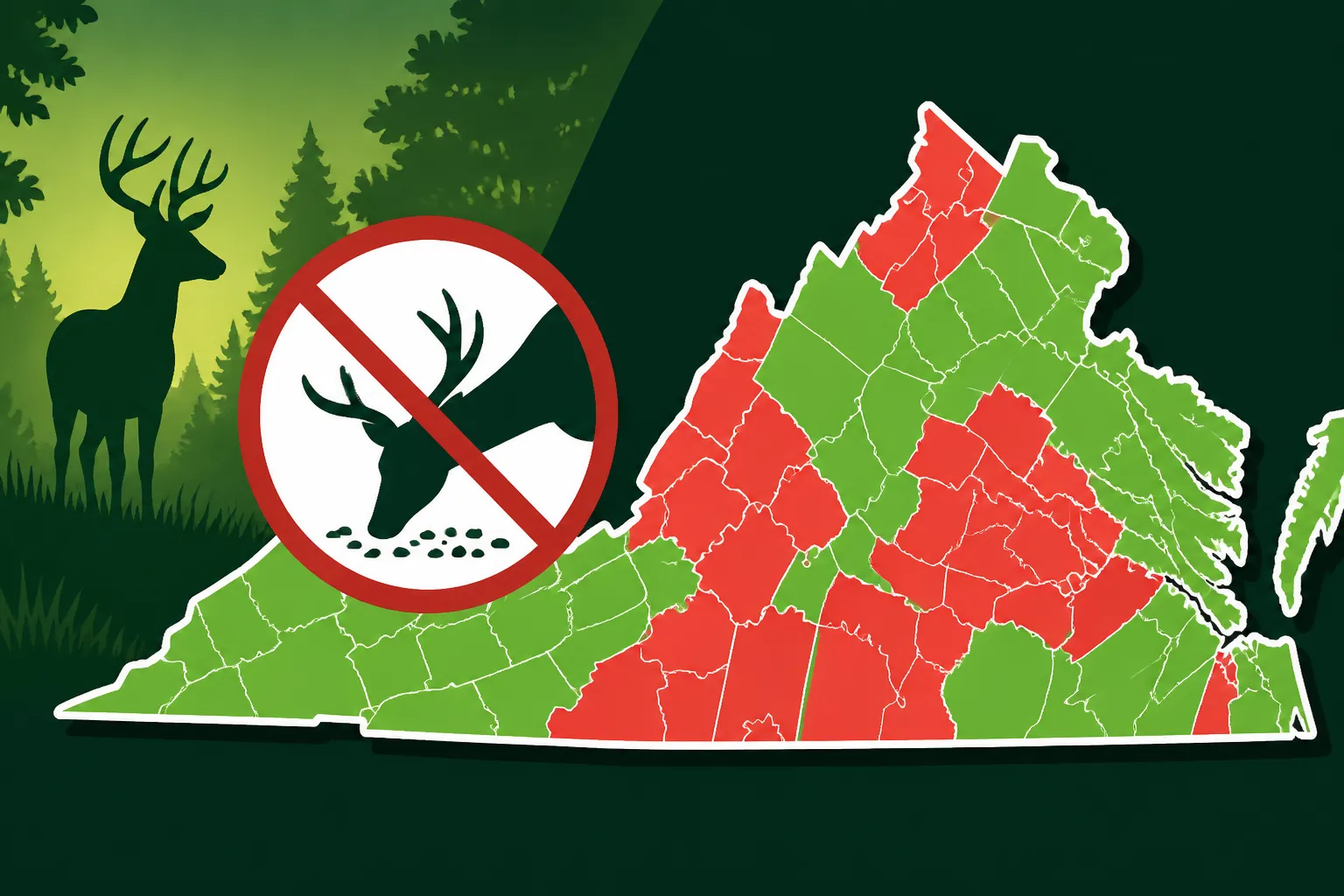
The most current and accurate information about Virginia's feeding bans will always be found directly on the Virginia DWR website. They maintain an interactive map that clearly outlines the boundaries of counties under feeding restrictions. This map is updated regularly, so it’s crucial to check it before each season, or even before heading out for a hunt if you haven’t checked recently. Typically, these maps highlight the specific counties or even portions of counties that fall within designated Disease Management Areas (DMAs). A feeding ban almost invariably accompanies a CWD Disease Management Area. So, if your county is in a DMA, assume there's a feeding ban unless otherwise specified by DWR.
Here’s a general idea of what to expect when looking up the information:
| Information Source | Accessibility | Key Feature | Best For |
|---|---|---|---|
| DWR Website (dwr.virginia.gov) | High | Official CWD maps, regulations text | Definitive legal guidance, detailed rules |
| Go Outdoors Virginia App | Moderate (mobile access) | Digital license, reporting, some regulations | On-the-go reference, post-harvest reporting |
| Local DWR Biologists/Game Wardens | Low (direct contact) | Specific local interpretations, advice | Clarifying ambiguities, specific property questions |
| Virginia Hunting Regulations Digest | High (print/PDF) | Comprehensive rulebook, less dynamic | General overview, pre-season reading |
Cross-Referencing with the Go Outdoors Virginia App
While the DWR website is your primary source, the Go Outdoors Virginia platform, and its associated mobile app, can also be a handy tool. While it might not have the same detailed, real-time map interface for feeding bans as the dedicated CWD section of the DWR website, it's where you'll find the digital version of the Virginia Hunting Regulations Digest. This digest contains all the relevant regulations, including those concerning feeding bans, often listed by county or DMA. It's a great resource to have on your phone when you're out in the field, especially if you lose internet access, as you can download the PDF version. Remember, always double-check the publication date to ensure you're looking at the most current regulations, as rules can occasionally be updated mid-year if new CWD detections occur. This app is also vital for things like Virginia Deer Reporting Requirements after a successful hunt.
The Role of Disease Management Areas DMAs
Virginia has established Disease Management Areas (DMAs) as specific geographic zones where CWD has been detected or is considered a significant risk. Currently, the DWR oversees four distinct DMAs: DMA1 in the Shenandoah Valley, DMA2 in Northern Virginia, and smaller DMAs (DMA3 and DMA4) in Southwest Virginia. These areas are ground zero for enhanced CWD surveillance and management strategies, and a feeding ban is a cornerstone of those efforts. So, if your hunting county is identified as part of a DMA on the DWR's map, you can almost guarantee a feeding ban is in effect. These areas also often come with additional regulations, like mandatory CWD testing for harvested deer or carcass movement restrictions. For instance, Virginia's Eighteen CWD Counties are primarily concentrated within these DMAs, highlighting the scale of the challenge.
Living Under a Feeding Ban: Practical Implications for Your Hunt
Okay, you’ve confirmed your county is under a feeding ban. Now what? It's not the end of the world for your hunting season, but it does mean you'll need to adjust your strategy. It forces you to become a more attuned woodsman or woodswoman, relying on natural deer behavior rather than artificial attractants. This can actually lead to a more rewarding, if challenging, hunting experience.
Beyond Corn Piles: Understanding All Prohibited Activities
The feeding ban isn't just a suggestion; it's a regulation with penalties. As mentioned, it typically prohibits placing any food, minerals, or salt that attracts deer. This includes, but isn't limited to:
- Corn and other grains: The classic baiting method.
- Apples, pears, and other fruit: Often used to attract deer, but prohibited.
- Mineral blocks and salt licks: Even if sold for wildlife, they are illegal in a ban area.
- Processed deer feed: Any commercial product designed to feed deer.
- Hay or silage: Farm byproducts that can concentrate deer.
- Even certain food plot supplements: While planting a food plot is generally not considered feeding under the ban, intentionally putting out supplemental feed on top of it is. The distinction is important. Planting a legitimate food plot for sustained forage growth is typically fine, but using it as a direct dumping ground for attractants is not.
It's paramount to understand that these rules apply to private land too, not just public hunting grounds. The ban is about protecting the deer herd across the entire landscape. This might mean having to shift your scouting approach, focusing more on identifying Late-Season Food Sources for Virginia Whitetails that occur naturally.
What You Can Still Do for Deer Management
Just because you can't put out a feed pile doesn't mean you can't manage your land or attract deer legally. There are plenty of effective, CWD-friendly strategies:
- Plant Food Plots: As long as they are planted for long-term forage and not used as a dumping ground for supplemental feed, food plots are generally permitted and encouraged. Think clover, alfalfa, winter wheat, or brassicas. These provide natural, dispersed forage throughout the year. They draw deer to a sustained food source without creating the intense, close-contact congregation that a feed pile does.
- Habitat Improvement: This is often a more impactful long-term strategy than feeding anyway. Focus on creating diverse habitat:
- Timber Stand Improvement (TSI): Thinning timber allows sunlight to reach the forest floor, promoting the growth of native browse and forbs that deer prefer.
- Creating Edge Habitat: Transition zones between woods and fields are deer magnets.
- Maintaining Water Sources: Essential for deer, especially during dry periods.
- Native Plantings: Encourage natural food sources like oaks (acorns), persimmons, and various browse species.
- Strategic Scouting: Learn to read the land. Focus on natural funnels, pinch points, bedding areas, and transition lines. Knowing how deer use the landscape is far more effective than just hoping they'll find your corn. Our guide on Scouting Virginia Public Land Before Season offers some excellent tips for this. While GoHunt can be a useful tool for visualizing terrain, property boundaries, and potential habitat features when planning your hunts in unrestricted areas, always rely on DWR for specific feeding ban regulations.
Scouting and Strategy Adjustments
Hunting without bait or attractants really hones your skills. Instead of setting up over a pile, you'll need to:
- Identify Natural Food Sources: What are the deer eating right now? Acorns? Browse? Agricultural crops? Find these areas and hunt the trails leading to and from them.
- Locate Bedding Areas: Where are deer resting and feeling secure? Hunt the travel corridors between bedding and feeding.
- Study Topography: Use maps (like those available through GoHunt for general terrain analysis) to find natural funnels, saddles, and benches where deer are likely to travel. Understanding Wind and Thermals on a Blue Ridge Slope can be critical here.
- Increased Mobility: You might need to be more mobile, still-hunting or using a run-and-gun approach, especially in larger timber or public lands.
- Observe Behavior: Without the draw of bait, you'll see more natural deer movement patterns. Pay attention to how they use wind, cover, and topography.
It's a more challenging but ultimately more rewarding style of hunting that builds a deeper connection to the landscape and the animals.
Broader Ethical Considerations and Best Practices
Even if your county isn't currently under a feeding ban, or if you're navigating the complexities of a DMA, adopting some best practices is always a good idea. Hunters are stewards of wildlife, and promoting a healthy deer herd benefits everyone. This goes beyond just legal compliance and delves into the ethical responsibilities we share.
Reducing Disease Transmission Risks
Regardless of specific bans, minimizing deer congregation is a smart move for herd health. Here are a few things to consider:
- Avoid Concentrating Deer: Even where legal, consider the implications of heavily concentrating deer, especially if CWD is detected in neighboring counties. Dispersing food sources (like food plots) is generally better than creating a single, high-traffic site.
- Proper Carcass Disposal: If you harvest a deer in a CWD-positive county, follow all DWR guidelines for carcass disposal. This often means leaving the brain and spinal column at the harvest site or disposing of it in an approved landfill to prevent the spread of prions. Our guide on Virginia Carcass Movement Restrictions details these critical rules.
- Report Sick Deer: If you see a deer exhibiting symptoms consistent with CWD (emaciation, drooling, unusual behavior), report it immediately to the DWR. They can dispatch someone to investigate and test the animal, which is vital for Virginia Wildlife Disease Monitoring.
The Long-Term Health of Virginia's Deer Herd
Our hunting traditions depend on a healthy, robust deer population. By understanding and complying with feeding bans and adopting best practices, we contribute to that long-term health. CWD is a serious threat, and while the regulations might feel inconvenient, they are designed with the future of hunting in mind. Engaging with DWR, staying informed, and sharing accurate information with fellow hunters helps create a more responsible and effective hunting community. Ultimately, learning to hunt effectively without relying on artificial attractants not only safeguards the herd but also enhances your own skills and appreciation for the wild.
Disclaimer
The information provided in this guide is for general informational purposes only and is not intended as legal advice. Hunting regulations, including those related to feeding bans, can change. Always consult the official Virginia Department of Wildlife Resources (DWR) website and the most current Virginia Hunting Regulations Digest for the definitive and most up-to-date rules and regulations before engaging in any hunting activities. Failure to do so may result in fines or penalties.