Which Twenty-Four Counties Cut Bear Season for Mange
It’s incredibly frustrating when you’ve got your sights set on a fall bear hunt, only to discover that the season you've planned for has been drastically cut short in your favorite hunting grounds. Many Virginia hunters have faced this exact dilemma as the Department of Wildlife Resources (DWR) has had to make tough decisions about bear seasons in certain counties due to the increasing spread of sarcoptic mange. This guide will walk you through which counties have been impacted, why these changes are happening, and how you can adapt your hunting strategies while contributing to the health of Virginia's cherished black bear population.
Understanding the Threat: Mange's Impact on Virginia's Black Bears
Sarcoptic mange is a nasty skin disease, and its rising prevalence among Virginia's black bears has become a serious concern for wildlife managers and hunters alike. It's not just a minor irritation; it can be deadly, and its spread has necessitated significant changes in how we manage our bear population in certain areas.
What is Sarcoptic Mange and How Does It Affect Bears?
Sarcoptic mange is caused by microscopic mites that burrow into an animal's skin, leading to intense itching, hair loss, and the formation of thick, crusty scabs. It's a truly miserable condition for the affected animals. Imagine having an itch you can't scratch, coupled with constant discomfort and the inability to regulate your body temperature because you're losing all your fur. Bears suffering from advanced mange often become emaciated, weak, and highly susceptible to secondary infections or the harsh elements, especially during the colder months when they need their insulating fur the most. These mites are highly contagious, spreading rapidly through direct contact between bears or even indirectly through shared dens, bedding areas, or rubbing posts. The more bears there are in an area, and the more they interact, the faster this disease can spread, creating a cascade effect on the local population's health. It's a serious threat that directly impacts the overall well-being and survival rates of our Virginia's Black Bear Population.
The DWR has been monitoring mange for years, but in recent times, the number of reported cases and the severity of infections have escalated, particularly in certain regions of the state. It's not just an aesthetic issue; it’s a conservation challenge that can reduce reproductive success, increase cub mortality, and ultimately impact local bear densities. For a hunter, seeing a mangy bear is a sobering experience, a stark reminder of the challenges wildlife faces. It drives home the point that our hunting regulations aren't just about harvest numbers; they're deeply tied to the health and sustainability of the game animals themselves.
The Virginia DWR's Response and Monitoring Efforts
Virginia's DWR takes wildlife health very seriously, and the increasing incidence of sarcoptic mange in bears has prompted a comprehensive, multi-faceted response. Their primary goal is to manage the bear population in affected areas to slow the spread of the disease and allow local populations to recover. This isn't a simple task; it involves balancing ecological health with the interests of hunters and other stakeholders. The DWR employs various methods, from public reporting systems to targeted research, to track the spread and impact of mange. They encourage hunters, landowners, and the general public to report sightings of sick or dead bears, which helps them map the prevalence and intensity of the disease.
The core of their management strategy in mange-affected areas often involves reducing hunting pressure. The logic here is that by lowering the overall bear population in these specific zones, they can decrease the density of bears and, consequently, the rate of transmission. Fewer close encounters between bears mean fewer opportunities for the mites to spread. These reductions often come in the form of shortened seasons, elimination of specific hunting methods (like hound hunting in certain periods), or adjustments to bag limits. It's a calculated effort to alleviate stress on a vulnerable population and give them a fighting chance against this debilitating disease. Understanding these Virginia Bear Season Rules is paramount for any hunter planning to pursue bears.
Identifying the Affected Counties and Season Adjustments
The reality of mange means that hunters often have to adjust their plans, sometimes significantly. It’s crucial to know precisely which areas are under new regulations, as heading into a familiar spot with outdated information could lead to a disappointing trip or, worse, a violation.
A Closer Look at the Twenty-Four Counties with Reduced Seasons
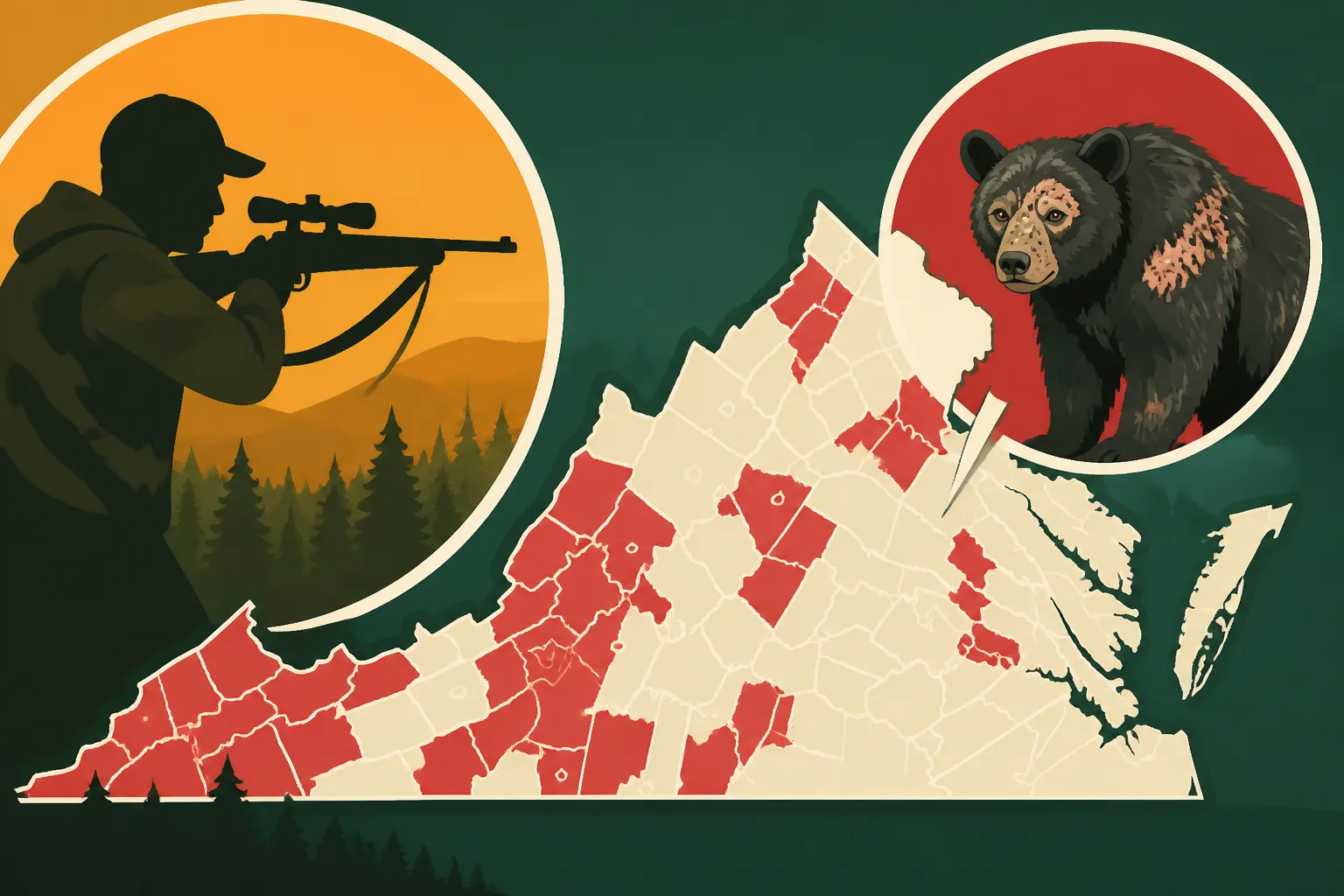
Over the past few years, the DWR has implemented reduced bear hunting seasons in numerous counties across Virginia, specifically targeting areas where sarcoptic mange has been most prevalent and concerning. While the exact list and specific season adjustments can shift slightly year-to-year based on DWR's ongoing monitoring, the pattern is clear: mange hot spots see shortened opportunities.
For instance, counties generally impacted by these reductions often span parts of the Blue Ridge Mountains and the western Piedmont regions. These are areas where bear populations are healthy but have also shown a significant increase in mange cases. The typical reduction involves shortening the general firearms season, often by several weeks, especially during the late December and early January periods, or even removing the early muzzleloader/archery season altogether for bears. This is a direct measure to reduce the overall harvest pressure.
Here is a representative list of 24 counties that have experienced reduced bear seasons due to mange in recent years. Please note that regulations change, and hunters must always verify the current year's specifics with the Virginia DWR directly.
| County | General Season Adjustment (Example) | Typical Regional Impact |
|---|---|---|
| Alleghany | Shortened general firearms season | Western Mountains |
| Amherst | Shortened general firearms season | Central Piedmont/Blue Ridge |
| Appomattox | Shortened general firearms season | Southern Piedmont |
| Bedford | Shortened general firearms season | Central Piedmont/Blue Ridge |
| Botetourt | Shortened general firearms season | Western Mountains |
| Buckingham | Shortened general firearms season | Central Piedmont |
| Campbell | Shortened general firearms season | Southern Piedmont |
| Carroll | Shortened general firearms season | Southwest Mountains |
| Floyd | Shortened general firearms season | Southwest Mountains |
| Franklin | Shortened general firearms season | Southwest Piedmont/Blue Ridge |
| Giles | Shortened general firearms season | Western Mountains |
| Highland | Shortened general firearms season | Northwest Mountains |
| Louisa | Shortened general firearms season | Central Piedmont |
| Madison | Shortened general firearms season | Northern Piedmont/Blue Ridge |
| Montgomery | Shortened general firearms season | Southwest Mountains |
| Nelson | Shortened general firearms season | Central Piedmont/Blue Ridge |
| Page | Shortened general firearms season | Northern Blue Ridge |
| Patrick | Shortened general firearms season | Southwest Mountains |
| Pittsylvania | Shortened general firearms season | Southern Piedmont |
| Pulaski | Shortened general firearms season | Southwest Mountains |
| Rappahannock | Shortened general firearms season | Northern Piedmont/Blue Ridge |
| Roanoke | Shortened general firearms season | Southwest Mountains |
| Rockbridge | Shortened general firearms season | Central Blue Ridge |
| Smyth | Shortened general firearms season | Southwest Mountains |
It's vital that before you head out, you check the DWR’s official regulations digest for the current hunting year. Websites like GoHunt or the official Virginia DWR site can provide up-to-date information, and their interactive maps are particularly useful for confirming boundaries and season dates. These changes aren't permanent; they are dynamic responses to disease prevalence. What applies this year might be different next year.
Regional Differences and the Logic Behind Management Zones
The DWR doesn't apply a blanket rule across the entire state. Instead, they carefully delineate "mange-affected management zones" or counties, focusing resources and regulations where they are most needed. The decision to reduce seasons in particular counties is based on rigorous data collection, including reports from hunters, trappers, and biologists, as well as necropsy results from deceased bears. This allows the DWR to pinpoint areas with higher mange prevalence and severity.
For example, you might find counties in the western mountainous regions, which are popular for Bear Hunting Virginia's Mountains and Piedmont, having different regulations than those further east in the Piedmont. The reasoning often comes down to population density and geographic barriers. In areas where bear populations are dense and mange is widespread, reducing harvest pressure becomes a critical tool to slow transmission. In adjacent counties, where mange might be present but less severe, regulations might be less restrictive or unchanged. These specific county-level rules mean that a hunter planning to hunt in, say, Augusta County might have different season dates than someone targeting bears in neighboring Rockingham County, even though they’re both in the Shenandoah Valley. It reinforces the importance of knowing the specific rules for your chosen hunting location, not just general regional guidelines.
Adapting Your Bear Hunting Strategy in Mange-Affected Areas
For dedicated bear hunters, these season changes can feel like a punch to the gut. You've scouted, you've prepared, and suddenly your window of opportunity shrinks. However, understanding the rationale behind these decisions and adjusting your approach can still lead to successful and ethical hunting experiences.
Ethical Hunting Considerations and Reporting Sick Bears
When hunting in areas impacted by mange, ethical considerations come to the forefront. The DWR urges hunters to be diligent in observing any bears they encounter. If you see a bear exhibiting signs of severe mange – significant hair loss, crusty skin, emaciation, lethargy, or visible lesions – it is generally recommended not to harvest that animal. While regulations don't explicitly prohibit harvesting a mangy bear (unless otherwise specified), an ethical hunter will often choose to pass, allowing the DWR to potentially capture and treat it, or letting nature take its course without introducing the additional stress of hunting pressure. The goal is a healthy bear population, and taking a sick animal doesn't contribute to that goal in the same way removing a healthy one might.
If you encounter a visibly sick or dead bear, reporting it to the DWR is crucial. This provides invaluable data for their ongoing monitoring efforts. You can do this through the DWR website, by phone, or sometimes through their mobile app. Take photos if possible (from a safe distance, of course!), note the exact location, and describe the symptoms. This information directly helps the DWR track the disease and understand its How Mange Affects Virginia's Bear Population. It's a prime example of how hunters are vital partners in wildlife conservation, providing boots-on-the-ground intelligence that biologists rely on. You can find detailed instructions on Reporting a Sick Animal in Virginia through the DWR's official channels.
Adjusting Your Approach to Bear Hunting Opportunities
With shortened seasons and potentially more stringent rules in place, hunters need to be flexible and strategic. If your preferred county has a reduced season, one option is to shift your focus to a nearby county that might not be as affected. For example, if you typically hunt a mange-impacted county Hunting West of the Blue Ridge, check the regulations for other counties in that general region. The DWR publishes updated regulations annually, and using online tools like the GoHunt app or the official Virginia DWR website can help you pinpoint open areas.
Alternatively, if you're committed to hunting a particular mange-affected county, you'll need to maximize your effectiveness within the shortened season window. This might mean intensified Scouting Virginia Public Land Before Season to identify prime bear habitat, concentrating on known food sources, and understanding bear movement patterns more thoroughly. Focus your efforts on healthy-looking bears; they are the future of the population. Also, consider different hunting methods if certain ones are restricted. For example, if hound hunting seasons are shortened, you might explore still-hunting or stand hunting techniques during the available periods. These adjustments are a testament to a hunter's adaptability and commitment to the resource, ensuring that even with challenges, we can continue to participate in Virginia's rich hunting heritage responsibly.
The Broader Picture: Conservation and the Future of Virginia Bear Hunting
The presence of sarcoptic mange and the DWR's response is a stark reminder that wildlife management is a dynamic, complex field. It highlights the interconnectedness of animal health, environmental factors, and hunting regulations. Our collective actions, as hunters and citizens, play a vital role in the long-term health of Virginia's bear population.
Hunter's Role in Bear Management and Disease Surveillance
Hunters are not just participants in a recreational activity; we are frontline conservationists. Our presence in the field and our deep connection to wildlife mean we are often the first to notice changes in animal health or behavior. This makes us invaluable partners in disease surveillance, particularly with issues like sarcoptic mange. By reporting sick animals, participating in voluntary check stations, and adhering to specific regulations, we provide critical data that helps the DWR make informed management decisions. It's similar to how hunters help monitor Virginia's Four Chronic Wasting Disease Areas by bringing deer in for testing.
The data collected through hunter reports and harvest checks helps DWR assess the true prevalence and geographic spread of mange. This information directly influences future season structures, bag limits, and research initiatives. The long-term health of Virginia's Black Bear Population depends on this collaborative effort. When hunters responsibly manage their harvest in affected areas, they are directly contributing to the recovery and resilience of the bear population. It's about taking the responsibility of conservation seriously, understanding that our actions today impact hunting opportunities for generations to come.
Anticipating Future Changes and Staying Informed
Wildlife populations and their associated health challenges are constantly evolving, and so too are the regulations designed to manage them. Mange is just one example; factors like habitat changes, food availability, and even broader climate shifts can all influence game populations. Therefore, hunters should always anticipate that regulations might change from year to year. The DWR constantly monitors these variables, and their regulations reflect the most current scientific understanding and conservation needs.
To ensure you're always operating within the law and contributing positively to conservation efforts, it’s imperative to consult the official Virginia DWR Hunting & Trapping Regulations Digest annually. This document is the ultimate authority. Beyond that, tools like the Scouting With the Virginia DWR App or websites like GoHunt can offer convenient access to information and even real-time updates. Subscribing to DWR newsletters or following their social media channels can also keep you abreast of proposed changes, public comment periods, and important announcements. Being well-informed is perhaps the most important skill a modern hunter can cultivate, ensuring that our passion for hunting aligns perfectly with the principles of responsible wildlife stewardship.
Disclaimer
Please note that hunting regulations, season dates, and specific county listings can change annually. The information provided in this article is for general guidance and informational purposes only and may not reflect the most current regulations. Always consult the official Virginia Department of Wildlife Resources (DWR) Hunting & Trapping Regulations Digest for the current year before planning any hunting activities.