How Mange Affects Virginia’s Bear Population
It's truly heartbreaking to witness an animal suffering, and when you spot a black bear in Virginia with patchy, thinning fur, covered in scabs, it's a sight that sticks with you. Many of us have seen these poor creatures struggling, and it naturally raises questions about their well-being and what's happening to our thriving bear population. This guide is here to shed light on sarcoptic mange, a parasitic skin disease that has unfortunately become a significant concern for Virginia's black bears, impacting their health, numbers, and how we, as hunters and conservationists, approach their management.
Understanding Sarcoptic Mange in Black Bears
Sarcoptic mange is a highly contagious and often debilitating skin disease caused by microscopic mites that burrow into the skin. It’s not just a minor irritation; it can be a severe threat, especially to wildlife like our black bears. Seeing a bear afflicted with mange is tough, and understanding what's going on beneath the surface helps us appreciate the gravity of the situation.
The Cause and Symptoms of Sarcoptic Mange
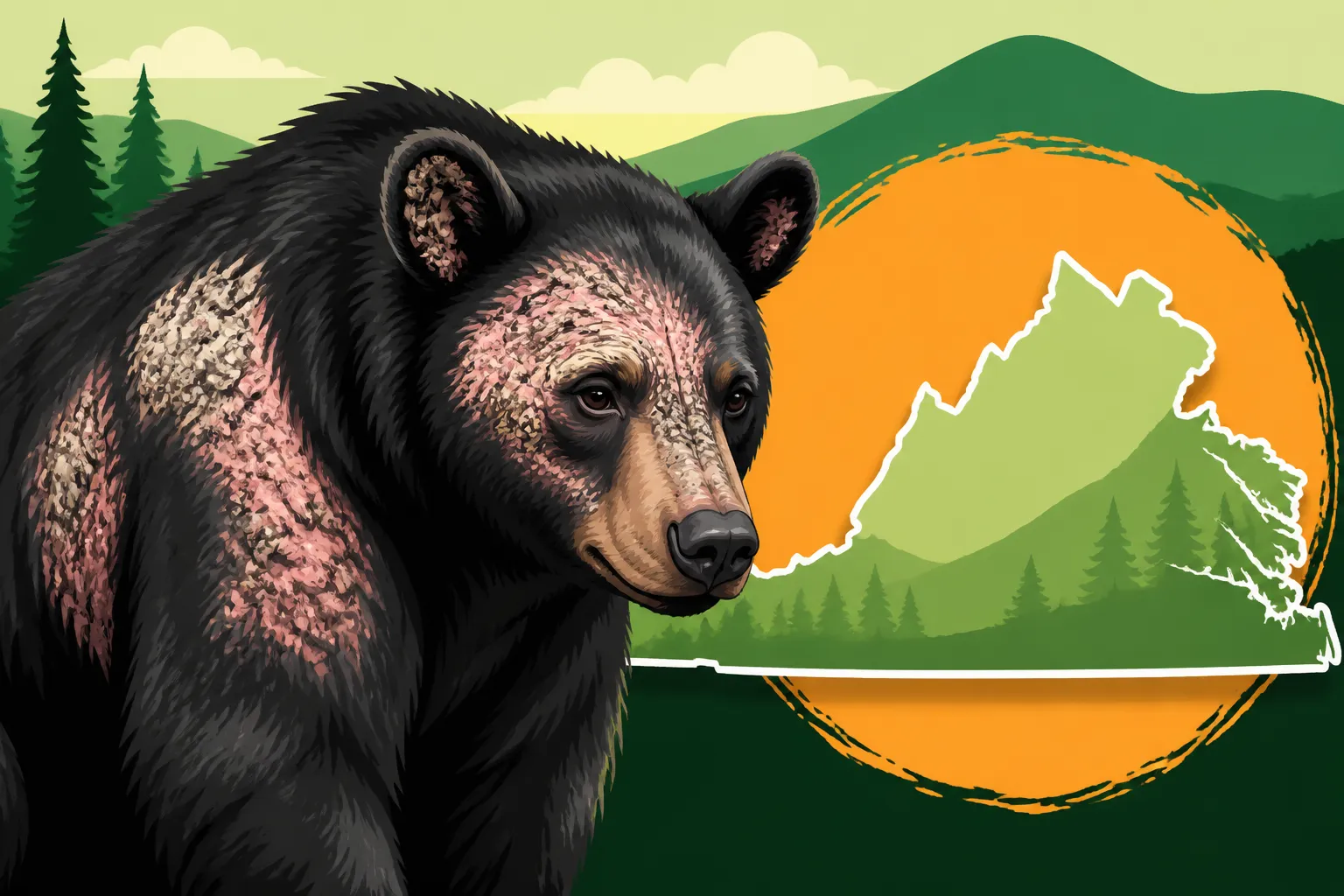
The culprit behind sarcoptic mange is a tiny, eight-legged mite called Sarcoptes scabiei. These minuscule parasites are relentless, digging tunnels within the bear's skin where they live, feed, and reproduce. The bear's immune system reacts intensely to these invaders and their waste products, leading to a cascade of painful and visible symptoms. Initially, you might notice small patches of hair loss, often around the face, ears, and elbows. As the infestation worsens and spreads, these patches grow larger, leading to extensive, widespread hair loss across much of the bear's body. The skin itself becomes thickened, wrinkled, and crusty, often covered in open sores and scabs from the bear's incessant scratching.
Beyond the visible signs, a mangy bear is in constant agony. The itching is excruciating, leading to relentless scratching that further damages the skin, making it susceptible to secondary bacterial infections. These infections can turn minor wounds into serious health threats. A severely mangy bear will often appear lethargic, weak, and emaciated. They spend so much energy scratching and dealing with the discomfort that they struggle to forage effectively, leading to significant weight loss and, tragically, starvation. During the colder months, the lack of a insulating coat of fur makes them highly vulnerable to hypothermia, which is often a direct cause of death for afflicted bears. It’s a truly miserable existence for an animal that should be thriving.
How Mange Spreads Through the Bear Population
The insidious nature of sarcoptic mange lies in its highly contagious transmission. These mites are masters of finding new hosts, making them incredibly difficult to contain once established in a population. The primary mode of transmission is direct contact—when an infected bear rubs against a healthy one during interactions like mating, denning, or even just passing through the same narrow trail. Given that black bears, especially younger males, have expanding ranges and often overlap territories, these direct encounters are frequent.
However, mange can also spread indirectly through environmental contamination. The mites can survive for a limited time off a host, meaning a healthy bear can pick them up from shared bedding sites, denning areas, or even rub trees where an infected bear has recently scratched itself. Picture a communal feeding area, whether it's a natural acorn crop or an illegal bait pile; these locations become hotspots for transmission as multiple bears frequent the same spots, leaving behind mites for the next unsuspecting visitor. High bear densities, particularly in localized areas, act as an accelerant for mange spread. When there are more bears in closer proximity, the opportunities for both direct and indirect transmission increase exponentially. This is why certain regions might see a higher prevalence compared to others. The Virginia Department of Wildlife Resources (DWR) has been keenly observing these patterns, trying to understand the dynamics of spread to better inform their management strategies. It’s a complex puzzle, and every bit of information helps.
Mange's Footprint in Virginia's Black Bear Range
Mange isn't new to wildlife, but its increasing prevalence and impact on black bears in Virginia have become a significant concern for hunters, wildlife enthusiasts, and the DWR alike. What started as isolated incidents has grown into a more widespread challenge, altering the landscape of bear management in specific regions.
Initial Sightings and Geographic Expansion
While sarcoptic mange has likely been present in wildlife populations for a long time, its noticeable emergence as a significant threat to Virginia's black bears began to draw serious attention in the early 2000s. Initially, cases were often isolated, reported here and there across the state, but as the years progressed, a pattern began to emerge. Hunters and landowners in certain western Virginia counties, particularly those in the northern Shenandoah Valley and around the Blue Ridge Mountains, started reporting more frequent sightings of sick-looking bears. These early reports were crucial in alerting the DWR to what was becoming a growing problem.
The mites didn't stay confined, however. Over time, the disease demonstrated its ability to move, slowly but surely, across the landscape. Tracking this expansion is incredibly challenging, given the vast and often remote habitats bears occupy, and their natural mobility. A young bear dispersing from its birth territory, or an adult sow expanding her range, can inadvertently carry the mites into new areas. The geographic spread hasn't been a sudden explosion but rather a gradual, relentless creep, making it a persistent and evolving challenge for wildlife managers to get ahead of. This steady expansion underscores the difficulty of managing a disease that doesn't respect county lines or mountain ridges.
Areas Most Affected and Why
Today, sarcoptic mange is not uniformly distributed across Virginia's expansive bear range. Instead, certain regions bear a disproportionate burden of the disease. The northern and central Shenandoah Valley, including counties like Frederick, Clarke, Warren, Shenandoah, and Augusta, have consistently shown higher prevalence rates. Further south, some of the mountain and Piedmont counties that are part of the broader Blue Ridge region have also experienced significant impacts. If you're planning a hunt, knowing Where Mountain and Piedmont Bears Range can give you an idea of potential hotspots.
Several factors contribute to this uneven distribution. High bear densities play a crucial role; areas with robust bear populations naturally offer more opportunities for mite transmission. Habitat type also matters; regions with a mosaic of forest, agriculture, and human development might lead to more human-bear interactions, which can sometimes inadvertently contribute to disease spread. While illegal, intentional feeding of bears, or even unintentional attractants like accessible trash or pet food, can concentrate bears in unnatural densities, creating super-spreader events for the mites. Additionally, some research suggests that the stress of urbanization or habitat fragmentation could potentially weaken a bear's immune system, making them more susceptible to severe mange once exposed. The DWR regularly reviews and updates information on Virginia's Mange-Affected Bear Counties to keep hunters and the public informed about where the disease is most prevalent and what, if any, specific regulations are in place for those areas. This localized concentration makes understanding and addressing mange a hyper-local effort in many respects.
Documented Impacts on Virginia's Bear Population Health
The presence of sarcoptic mange isn't just an unpleasant visual; it carries tangible, detrimental effects on the health and vitality of Virginia's black bear population. Wildlife biologists at the DWR and university researchers have been diligently studying these impacts, and the findings paint a clear picture of a disease that can severely stress individual bears and influence population dynamics.
Increased Mortality and Reduced Reproductive Success
One of the most alarming consequences of severe sarcoptic mange is the direct increase in bear mortality. Bears afflicted with advanced mange often succumb to hypothermia, particularly during Virginia's colder months, because they lack the insulating fur essential for survival. The constant scratching leads to open wounds, which are ripe for secondary bacterial infections that can quickly become systemic and fatal. Furthermore, the sheer discomfort and energy drain from fighting off the mites and scratching relentlessly can lead to severe emaciation and starvation, as affected bears struggle to forage efficiently. The compromised immune system also makes them more vulnerable to other diseases or environmental stressors.
Beyond direct mortality, mange can significantly diminish a bear's chances of successful reproduction. Female bears (sows) carrying a heavy mite load often exhibit poor body condition. This lack of adequate fat reserves can delay their first breeding age, reduce the frequency of their breeding cycles, and ultimately lead to smaller litter sizes or even complete reproductive failure. A sow struggling with mange might not have the energy or health to adequately care for her cubs, leading to reduced cub survival rates. This ripple effect on reproduction is a serious long-term concern, potentially slowing the growth and overall health of Virginia's Black Bear Population in affected areas.
Adjustments to Hunting Regulations Due to Mange
In response to the documented impacts of sarcoptic mange, the Virginia Department of Wildlife Resources (DWR) has taken proactive steps to manage the bear population in affected areas, recognizing the need for a balanced approach that supports both population health and hunting opportunities. These adjustments often manifest as modified hunting regulations in specific counties known to have high mange prevalence. For example, some counties might see reduced hunting seasons, or alterations to bag limits or the timing of seasons, especially if the DWR observes a decline in bear health or recruitment in those areas.
These changes are not made lightly; they come after extensive data collection, scientific analysis, and public input. The DWR’s goal is to ensure that the bear population remains healthy and sustainable despite the challenges posed by mange. By potentially reducing hunting pressure in heavily impacted areas, the hope is to allow those segments of the population more room to recover, to build resilience, and to maintain a robust number of breeding adults. Understanding these localized rule changes is crucial for any hunter. Resources like the DWR's website or mapping tools, such as those offered by GoHunt, can help you quickly identify if your hunting grounds are subject to special regulations. This adaptive management approach is vital in confronting a dynamic wildlife health issue and preserving the future of Bear Hunting Virginia's Mountains and Piedmont.
The Hunter's Role in Monitoring and Management
Hunters are often the first eyes and ears on the ground, spending countless hours in the woods, observing wildlife up close. This unique position makes us invaluable partners in the DWR’s efforts to monitor and manage sarcoptic mange in Virginia’s black bears. Our observations can provide critical data that helps biologists understand the disease’s spread and severity.
Identifying and Reporting Mange in Bears
Being able to recognize the signs of mange is the first step in helping. When you're out in the woods, whether you're deer hunting in the Shenandoah Valley or specifically focused on Hunting Mountain Bears in November, keep an eye out for bears that don't look quite right. The key indicators of mange are distinct: look for hair loss that can range from small, patchy areas to almost complete baldness across the body. The skin beneath will often appear thickened, wrinkled, and discolored, sometimes with visible scabs, crusts, or open sores. Affected bears might also appear unusually skinny or lethargic, scratching themselves excessively, even ignoring your presence more than a healthy bear might. It's important to distinguish mange from normal seasonal hair loss, which typically occurs uniformly across the bear's body in late summer and early fall, and doesn't involve the severe skin lesions or emaciation seen with mange.
If you do encounter a bear exhibiting these symptoms, it's absolutely crucial to report it to the Virginia DWR. Your report provides valuable data points that help biologists track the disease’s prevalence and distribution. You can typically report sightings through the DWR's official website, their mobile app, or by contacting a local DWR biologist directly. When reporting, try to provide as much detail as possible: the exact location (GPS coordinates if you have them), the date and time of the sighting, and a description of the bear's condition. This information contributes directly to the DWR’s overall Virginia Wildlife Disease Monitoring efforts and helps them make informed management decisions, including potential adjustments to future hunting seasons.
Safe Practices and Avoiding Further Spread
Our responsibility as hunters extends beyond just reporting. We also have a crucial role in preventing the potential spread of mange, both to other wildlife and, albeit less commonly, to domestic animals or even humans. While human transmission is rare, the mites can cause a temporary, itchy rash. The key is to exercise caution and good hygiene, especially if you harvest a bear that shows any signs of mange. Always wear gloves when handling the carcass of any harvested animal, but especially one with visible skin issues. After field dressing or butchering, thoroughly clean and disinfect all tools, knives, and equipment. This includes your boots, clothing, and anything else that may have come into contact with the animal.
One of the most important aspects of preventing spread, and something the DWR strongly advocates, is avoiding any activities that could concentrate bears. This means strictly adhering to regulations against baiting and artificial feeding of bears. When bears congregate at a food source, whether it’s a legal feeder for other game or an illegal bait site, it creates an ideal environment for mites to jump from one animal to another, or to be left behind on the ground or surrounding vegetation. Being mindful of these practices helps reduce the likelihood of further transmission. Always consult the DWR for guidelines, especially regarding Virginia's Twenty-Five-Mile Feeding Ban in certain CWD areas, as these regulations often have broader implications for wildlife health. By being diligent, we help protect the broader bear population from unnecessary exposure and spread.
The Future of Virginia's Bears and Mange Management
While sarcoptic mange presents a significant challenge, it’s not an insurmountable one. The DWR, in partnership with various organizations and the hunting community, is committed to understanding and mitigating its effects on Virginia’s black bear population. Our collective efforts will shape the long-term outlook for these magnificent animals.
Ongoing Research and Mitigation Efforts
Virginia's Department of Wildlife Resources is not just sitting by; they are actively engaged in extensive research and developing mitigation strategies to combat sarcoptic mange. This involves close collaboration with academic institutions like Virginia Tech and other regional wildlife agencies, pooling resources and expertise to tackle this complex issue. These research efforts focus on several key areas: understanding the specific strain of Sarcoptes scabiei affecting Virginia bears, mapping the exact genetic lineage of the mites to trace their origins and spread, and studying the long-term population impacts. Biologists are also looking into the immune responses of bears that seem to be more resilient to the disease, hoping to identify factors that contribute to natural resistance.
Beyond pure research, practical mitigation efforts are being explored. While widespread treatment of wild animals is impractical, targeted interventions might be considered in specific circumstances. A major component of mitigation is public education. The DWR constantly works to inform hunters and landowners about identifying mangy bears, the importance of reporting sightings, and preventing activities that could exacerbate the spread, such as supplemental feeding. Groups like the Virginia Bear Hunters Association often play a vital role in disseminating this information and supporting DWR initiatives. The ongoing data collection from hunter reports and carcass examinations, which is part of Virginia Bear Checking Requirements, also feeds directly into these research models, providing real-world insights into the disease's progression.
Long-Term Outlook for Virginia's Black Bear Population
Despite the serious threat posed by sarcoptic mange, the long-term outlook for Virginia's black bear population remains cautiously optimistic. Black bears are incredibly resilient animals, and while mange can certainly cause localized dips in population and significant suffering for individuals, the species as a whole has shown a remarkable ability to adapt. Historically, How Virginia's Bear Population Grew So Large speaks to their adaptability and capacity to rebound, even from much lower numbers decades ago.
It's entirely possible that, over many generations, some bears may develop a degree of natural immunity or resistance to the mites, leading to a reduction in the severity of outbreaks. However, this is a slow biological process. In the meantime, continued monitoring by the DWR, supported by vigilant hunters, remains paramount. Adaptive management, where regulations are adjusted based on the latest scientific data and observations, will be key to ensuring the long-term health and sustainability of the population. This means being prepared to change seasons or bag limits as needed, and for hunters to stay informed through resources like the DWR website or a subscription to a platform like GoHunt, which often aggregates these crucial regulation updates. While mange will likely remain a persistent challenge, the commitment of Virginia's wildlife managers and conservation-minded citizens offers the best hope for a thriving bear population for generations to come.
| Aspect | Description |
|---|---|
| Cause | Microscopic Sarcoptes scabiei mites burrowing under the skin, leading to intense allergic reaction. |
| Symptoms | Hair loss (patches or widespread), thickened, wrinkled skin, scabs, excessive scratching, emaciation. |
| Spread | Primarily direct contact (bear-to-bear), also indirect via shared dens, bedding, and rub trees. |
| Impact | Increased mortality (hypothermia, secondary infections, starvation), reduced reproduction, weakened health. |
| Management | DWR monitoring, localized hunting regulation adjustments, research, hunter reporting, public education. |
Disclaimer
The information provided in this guide is for general informational purposes only and is not intended as professional advice. Hunting regulations, wildlife health situations, and access rules can change frequently. Always consult the official Virginia Department of Wildlife Resources (DWR) website and current regulations before planning any hunting activities.