Virginia Disability Hunting Permits
For many hunters in Virginia, getting out into the woods or fields is a cherished tradition, but for those living with physical disabilities, the journey often comes with extra hurdles. Navigating dense regulations, finding accessible hunting grounds, and understanding what special accommodations are available can feel overwhelming and exclusionary. This comprehensive guide aims to demystify Virginia's disability hunting permits, walking you through the requirements, application process, and the many opportunities designed to make hunting an accessible and enjoyable experience for all.
Understanding Virginia's Disability Hunting Permits
Virginia's Department of Wildlife Resources (DWR) recognizes that hunters with permanent physical disabilities face unique challenges and has established specific permits to help mitigate these barriers. These aren't just minor adjustments; they are designed to provide meaningful access and opportunities that level the playing field, ensuring that the passion for hunting doesn't have to diminish because of a disability. Understanding the nuances of these permits is the first crucial step toward a more fulfilling hunting season. It's about empowering you to pursue your passion with the support the state provides.
Eligibility Criteria for Hunters with Disabilities
Not every disability automatically qualifies for these special permits, and it's essential to understand the specific criteria set forth by the Virginia DWR. Generally, these permits are aimed at individuals with permanent physical disabilities that significantly impair their mobility, dexterity, or ability to use standard hunting equipment. This often includes conditions that necessitate the use of wheelchairs, crutches, or other mobility aids, or those that prevent the safe and effective use of traditional archery equipment.
For instance, a hunter who has lost the use of a limb, or has severe chronic conditions limiting their physical exertion, would likely meet the criteria. Similarly, individuals with specific visual impairments might also qualify for certain accommodations, though these are typically defined very precisely by DWR regulations. It’s not just about having a disability, but about how that disability impacts your ability to hunt under conventional rules. The DWR's primary concern is safety and equitable access, so their definitions are clear and designed to assist those most in need of these accommodations.
Specific Privileges These Permits Afford
The permits available through the DWR offer a range of critical privileges designed to remove common obstacles for disabled hunters. One of the most significant is the Permanent Disability Parking Permit for Hunting/Fishing. This allows individuals with qualifying disabilities to park in designated handicapped spaces on public lands, or even drive closer to hunting locations where vehicle access is otherwise restricted for the general public, provided the area isn't specifically closed to all vehicles. This can be a game-changer when trying to reach remote spots on a large expanse like the George Washington National Forest Hunting.
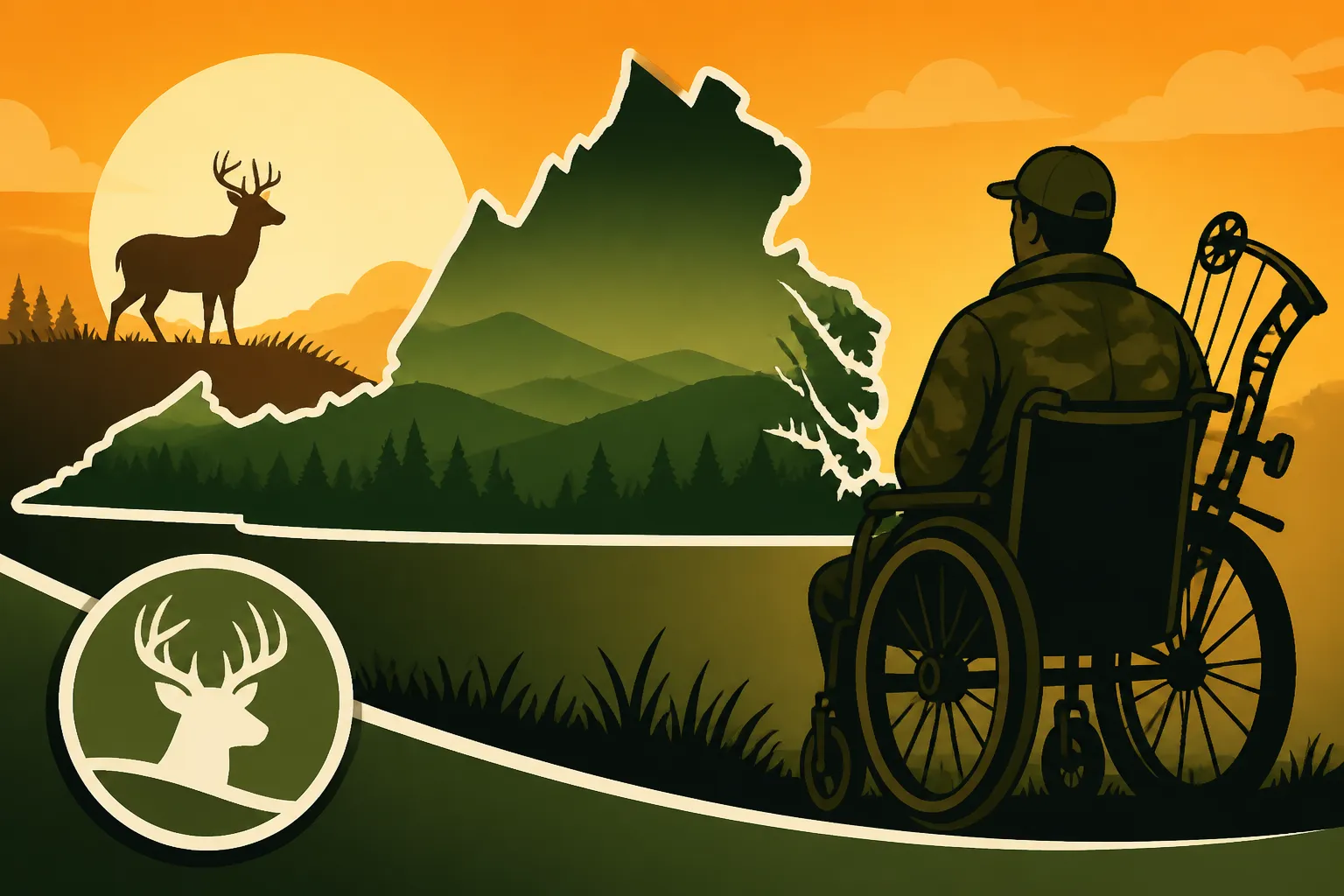
Another vital accommodation for some disabled hunters is the ability to use a crossbow during Virginia's statewide archery season, even without being of the age typically required for crossbow use. This is granted through a Special Archery Season Deer/Bear License and is specifically for individuals whose physical disabilities prevent them from being able to draw and hold a conventional bow. It means you don't have to miss out on the thrill of Bowhunting Virginia's Statewide Archery Season simply because a physical limitation makes a traditional compound or recurve bow unfeasible. These permits are carefully regulated to ensure they serve their intended purpose without granting unfair advantages, maintaining the integrity of the hunt.
| Permit Name | Primary Privilege | Key Eligibility | Required Documentation |
|---|---|---|---|
| Permanent Disability Parking Permit | Access to restricted vehicle areas on public lands | Permanent physical disability affecting mobility (e.g., wheelchair, crutches) | Physician's certification |
| Special Archery Season Deer/Bear License | Use of crossbow during archery season | Permanent physical disability preventing traditional bow use | Physician's certification |
| Permanent Disability Annual Hunting/Fishing | Discounted annual licenses for hunting and fishing | Permanent and total disability | Proof of disability (e.g., VA, SS) |
| Lifetime Disability Hunting/Fishing License | Lifetime hunting and fishing privileges | Permanent and total disability, Virginia resident | Proof of disability (e.g., VA, SS) |
Navigating the Application Process
Once you understand which permits might apply to your situation, the next hurdle is the application process itself. It’s not always straightforward, involving specific forms, medical certifications, and careful submission to the DWR. But don’t let that deter you; with a clear understanding of the steps and required documentation, you can navigate it efficiently and secure the permits you need to enjoy your hunting pursuits. Many hunters find that the small amount of paperwork is well worth the increased access and opportunity it provides.
Required Documentation and Medical Certification
For most disability hunting permits in Virginia, the cornerstone of your application will be a robust medical certification from a licensed physician. This isn't just a casual doctor's note; the DWR typically provides specific forms that your physician must complete. These forms require a detailed description of your permanent physical disability, how it impacts your ability to perform tasks related to hunting (like walking long distances, climbing into a treestand, or drawing a bow), and the physician's professional opinion that you meet the DWR’s criteria for a disability permit. It's crucial that your doctor understands the specific requirements of the form and provides all necessary information, as incomplete documentation can significantly delay your application.
Additionally, for permits related to a permanent and total disability (which often come with reduced license costs or lifetime options), you might need to provide further proof of your disability status, such as documentation from the Department of Veterans Affairs (VA) or the Social Security Administration (SSA). Gathering these documents in advance, along with your regular Virginia Hunting Licenses and What They Cost, will streamline your application process considerably. It’s a bit of a bureaucratic dance, but having everything in order before you start is key.
Where and How to Apply
The Virginia DWR is the central authority for all hunting and fishing licenses and permits, including those for disabled hunters. You’ll typically find the necessary forms and instructions on their official website. Look for sections related to "licenses and permits" or "special accommodations." While some general hunting licenses can be purchased easily online through platforms like Go Outdoors Virginia or even GoHunt, disability-specific permits often require a more direct interaction.
You’ll usually need to print out the specific application form, have your physician complete their portion, and then mail the completed package to the DWR headquarters. Sometimes, there might be an option to submit in person at a regional DWR office, but mailing is the most common route. Always make copies of everything you submit for your records. The DWR processes these applications, and if approved, they will mail your special permit or updated license to you. It's a system designed for thoroughness, ensuring that these special privileges are granted appropriately. Don't forget, even with a disability permit, you'll still need your basic Virginia Resident Hunting License Options to hunt legally.
Special Considerations and Accessibility
Receiving your disability hunting permit is a huge step, but it's just one piece of the puzzle. The next challenge is translating those privileges into actual hunting opportunities. This involves thinking strategically about where to hunt, what equipment might make your experience easier, and how to stay within the bounds of all other DWR regulations. Accessible hunting isn't just about the paperwork; it's about thoughtful planning and leveraging all available resources.
Accessible Hunting Opportunities and Areas
Virginia offers a surprising number of accessible hunting opportunities, especially on its extensive public lands. While vast stretches of the George Washington National Forest Hunting and Jefferson National Forest Hunting can be rugged, many Virginia Wildlife Management Areas (WMAs) and even some state parks actively manage for accessibility. These areas often feature designated accessible parking, improved trails suitable for wheelchairs or mobility scooters, and sometimes even specially constructed ground blinds or elevated platforms that are ADA-compliant. The Permanent Disability Parking Permit truly shines here, allowing closer access to these prepared sites.
It’s always a good idea to research specific WMAs or public lands before you go. The Virginia DWR website or a good hunting app like GoHunt often provides maps and details about facility access. You might find areas with gravel roads that are generally open to vehicles with the proper permit, allowing you to get much closer to your chosen hunting spot than other hunters. Exploring options for Using a Ground Blind on Virginia Public Land can also open up many more accessible locations, especially if you're not able to use a traditional treestand. Always check the individual WMA rules, as some have unique regulations regarding vehicle access or specific hunting methods.
Understanding Specific Regulations and Exceptions
While disability permits grant certain privileges, they don't exempt you from all other hunting regulations. You still need to adhere to season dates, bag limits, and general safety rules. For example, even with a special archery season crossbow permit, you must still follow the Virginia Deer Season Structure Explained and tag your deer properly. The DWR's intent is to provide access, not to create an entirely separate set of rules that could compromise wildlife management or hunter safety.
Additionally, understanding exceptions for specific equipment, like the legal firearms for deer hunting, remains crucial. While your permit might allow a crossbow during archery, it doesn't change the caliber requirements for Virginia Legal Firearms for Deer Hunting during general firearms season. You'll also still need to meet blaze orange requirements during applicable seasons, often a minimum of 500 square inches above the waist, which is detailed in the DWR’s Virginia Blaze Orange Requirements. It’s vital to read the current DWR regulations yearly, as rules can occasionally be updated or modified.
Beyond the Permit: Resources and Support for Disabled Hunters
Securing the right permits is a critical first step, but the journey of accessible hunting often benefits immensely from a strong support network and appropriate gear. Hunting isn't always a solo endeavor, and for disabled hunters, connecting with organizations and exploring adaptive equipment can unlock even greater opportunities and enjoyment in the field.
Organizations Supporting Disabled Hunters
Virginia is home to a passionate community of hunters, and that includes several fantastic organizations dedicated to supporting disabled hunters. Groups like the Paralyzed Veterans of America (PVA) Outdoor Recreation Program or local chapters of Disabled American Veterans (DAV) often host accessible hunts, provide mentoring, and can connect you with resources and equipment tailored to your needs. These organizations understand the unique challenges and work tirelessly to create inclusive experiences.
They can offer invaluable advice on everything from specific accessible hunting locations to navigating complex DWR regulations, even helping with the application for permits. Many even coordinate special events on private lands that are specifically set up for accessible hunting, providing blinds, transportation, and assistance in the field. Engaging with these groups not only provides practical support but also fosters a sense of camaraderie and shared passion, turning potential isolation into a vibrant community experience.
Gear and Adaptations for Accessible Hunting
Beyond the permits, the right gear can make all the difference in a disabled hunter's success and comfort. Innovations in adaptive equipment have transformed what's possible in the field. For example, specialized shooting rests can allow hunters with limited upper body strength to steady a rifle or crossbow. All-terrain wheelchairs or specialized mobility scooters can navigate surprisingly rugged terrain, opening up areas that were once considered inaccessible.
Think about other adaptive gear like remote-controlled game carts to assist with recovery, or modified treestands that are easier to access and safer for individuals with mobility challenges. Even something as simple as a comfortable, quiet ground blind, coupled with an appropriate chair, can provide an excellent hunting setup if climbing is difficult. When it comes to finding such gear, talking to other disabled hunters through forums or organizations can provide real-world insights into what works best. The hunting industry continues to evolve, and manufacturers are increasingly recognizing the importance of creating adaptive solutions, making it easier than ever to tailor your setup to your specific needs.
Disclaimer
The information provided in this guide is for general informational purposes only and does not constitute legal advice. Hunting regulations, permit requirements, and eligibility criteria are subject to change. Always consult the official Virginia Department of Wildlife Resources (DWR) website or contact them directly for the most current and accurate information before planning any hunting activities.