Virginia Public Dove Field Draw Rules
Many Virginia dove hunters dream of that perfect opening day shoot, but finding a prime public field, especially one that's actively managed for doves, can feel like winning the lottery. The competition is stiff, and simply showing up isn't always enough to guarantee a spot. This comprehensive guide will walk you through Virginia's public dove field draw rules, explaining how the system works, how to apply, and what to expect when trying to secure one of those coveted spots on a DWR-managed field.
Understanding Virginia's Public Dove Fields
Dove hunting in Virginia is a beloved tradition for many, marking the unofficial start of hunting seasons for migratory birds. However, not all public land offers the same quality of dove hunting. The Virginia Department of Wildlife Resources (DWR) plays a crucial role in enhancing these opportunities by actively managing specific fields.
The Purpose of Managed Fields
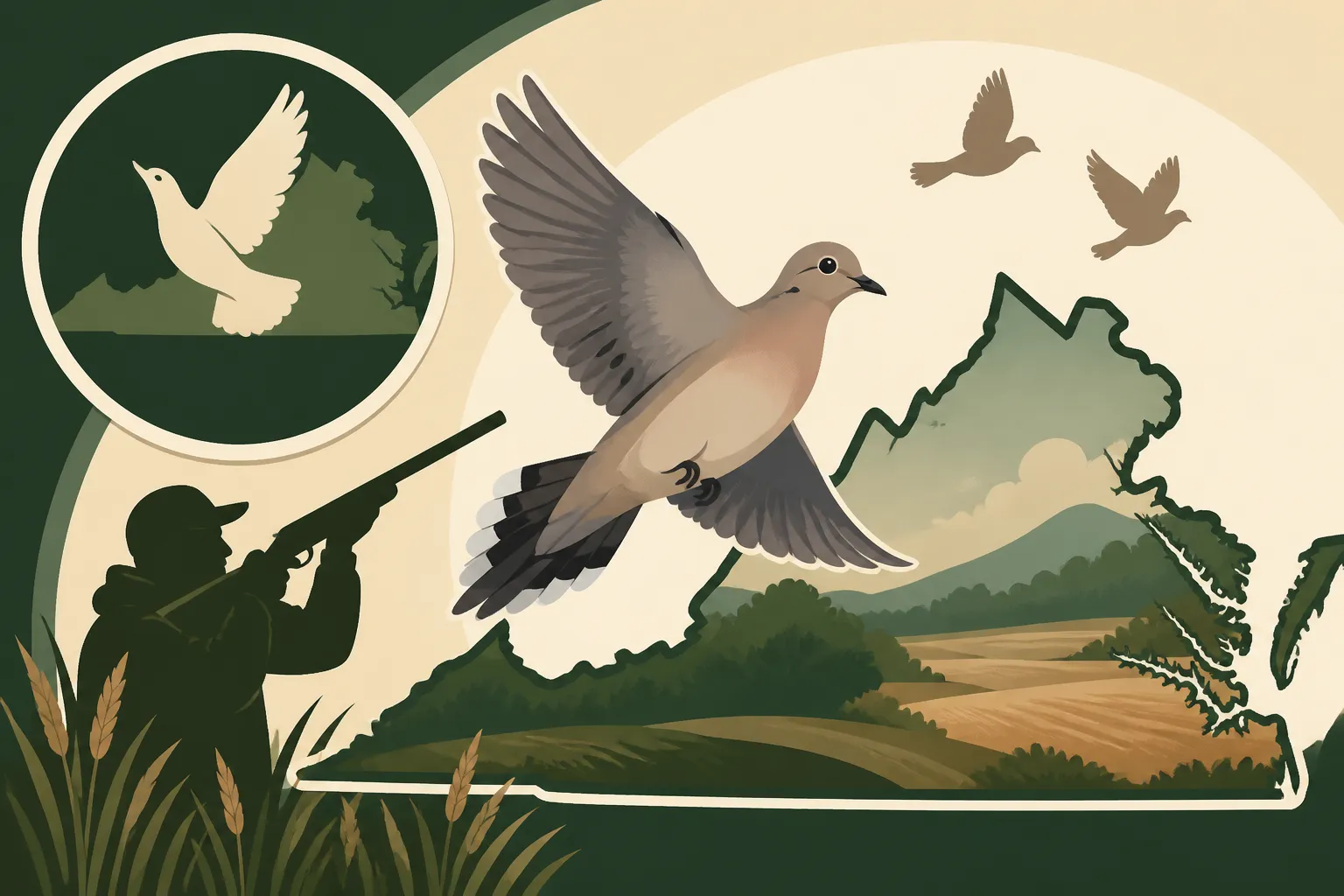
Doves are incredibly popular game birds, and opening day is almost a holiday for many hunters. To help spread out hunting pressure and provide quality opportunities, the Virginia Department of Wildlife Resources (DWR) manages specific fields across the state. These fields are often planted with dove attractants like sunflowers, millet, or wheat, creating ideal feeding grounds that draw birds in. Without these managed areas, public land dove hunting would be much more challenging, often relying on less predictable natural forage or scattered agricultural fields. The draw system ensures fair access to these prime locations, which are often the best bet for a successful shoot.
It's a huge undertaking for the DWR to plant, maintain, and then manage access to these fields. They do it to ensure robust public hunting opportunities, especially for a migratory bird like the mourning dove. For hunters, it means a chance at a quality experience, but it also means adhering to specific regulations designed to keep things fair and safe. Knowing where these fields are and how they are managed is the first step, and resources like the DWR's Go Outdoors Virginia platform, or even an app like GoHunt, can be invaluable for scouting and planning your approach to hunting public land.
The alternative, of course, is finding private land, which can be a whole other challenge in Virginia's increasingly developed landscape. So, for many, these public fields are the primary, or even sole, option for dove hunting. The DWR publishes an annual dove hunting guide, usually detailing which fields will be managed and whether they'll be quota hunts or open access. Always check this guide, as specific field management and access rules can change year to year.
Types of Public Access for Dove Hunting
Not all public dove fields operate under a draw system. Virginia has a variety of public lands, including Wildlife Management Areas (WMAs), National Forests, and occasionally even some state parks that might offer dove hunting. However, the managed dove fields that are specifically planted for birds are often, though not exclusively, the ones that utilize a draw. Other public lands might allow dove hunting, but without the benefit of active management, finding concentrations of birds can be a hit-or-miss affair. You might want to consider Mourning Doves in Virginia to understand more about their habits and where they prefer to congregate.
For example, some WMAs might have standing corn or cut grain fields that attract doves naturally, and these might be open to general hunting with just a WMA access permit. Other, more intensely managed fields, particularly for opening day and the first few weekends, are where the draw system typically comes into play. It's crucial to differentiate between these: a "public dove field" might just mean a field on public land where you can hunt doves, while a "DWR managed draw field" implies a higher level of preparation and restricted access.
Beyond DWR lands, you might also find opportunities on National Wildlife Refuges (NWRs), though these often have their own unique application processes and hunt dates, which might differ from statewide DWR regulations. Always check the specific refuge's website for their current rules and application windows, as they are federal lands and operate under a different set of guidelines. Many of these require a federal duck stamp and Virginia HIP Certification for Bird Hunters.
Navigating the Dove Field Draw System
The Virginia DWR has a structured system to ensure fair access to its most sought-after public hunting grounds. Understanding how to navigate this system is key to participating in a public dove field hunt.
How the Draw Works
The Virginia DWR utilizes its "Go Outdoors Virginia" system for most quota hunts, including those for managed dove fields. This online portal is where you'll apply. Typically, there's a specific application period, usually several weeks long, leading up to the opening of dove season. During this window, hunters can log in, select the specific managed dove field they wish to hunt, and submit an application. Many fields will offer multiple hunt dates, often for the first few Saturdays of the season, and you might be able to apply for several dates or even multiple fields, though usually with some restrictions on how many times you can be drawn.
The draw isn't first-come, first-served. It's a true lottery system. Once the application period closes, the DWR conducts a random drawing, assigning successful applicants to specific fields and dates. This system is designed to provide equal opportunity to all hunters, regardless of how quickly they submit their application within the window. It removes the stress of trying to be the first to click submit and instead relies on luck, much like winning the actual lottery.
When you apply, you'll typically indicate the number of hunters in your party. If you're drawn, your entire party is allocated a spot. This is a great feature for hunting buddies or families. Make sure everyone in your party has their appropriate Virginia Hunting Licenses and What They Cost and any required federal or state migratory bird stamps, like the federal duck stamp. All of these are prerequisites for any migratory bird hunting.
Key Dates and Deadlines
The specifics of the draw application period change annually, so it's absolutely critical to consult the current Virginia DWR Hunting & Trapping Regulations digest or the DWR website. Generally, applications open in mid-to-late summer, often July or early August, with drawings taking place shortly after the application window closes. Notifications to successful applicants usually go out a few weeks before opening day, giving hunters time to plan.
Missing the application deadline means missing out on the opportunity to hunt these prime managed fields through the draw. There's no late entry, no second chance. Mark these dates on your calendar, set reminders on your phone, and even consider utilizing tools like GoHunt, which can often integrate DWR season dates and application windows into their planning features. It's a small detail that can make or break your opening day plans for Virginia Small Game Season Rules.
Once notified, there's often a strict deadline to accept your drawn spot. Failing to confirm your spot by this deadline usually results in forfeiture, and the spot might be offered to an alternate. So, check your email regularly, and make sure your contact information on your Go Outdoors Virginia profile is up-to-date. I've heard stories of hunters missing out because the email went to their spam folder or an old address. Don't let that be you!
Notification and Acceptance
If you're among the lucky ones chosen in the draw, the DWR will typically send you an email notification. This email will contain details about which field you were drawn for, the specific date, and any instructions for confirming your attendance. You'll usually need to log back into your Go Outdoors Virginia account to formally accept the quota hunt slot.
It's not just about getting the email; it's about acting on it. The DWR needs to know if you're actually going to use the spot, so they can reallocate any unclaimed spots to alternates. This acceptance step is vital. Think of it like accepting a college admission offer – you got in, but you still need to say "yes, I'm coming!" before they finalize your spot.
Once you've accepted, you'll often receive a permit or confirmation that you'll need to carry with you on the hunt. This permit, along with your valid hunting license and other required stamps, will be your ticket to the field. Make sure to print it out or have it readily available on your smartphone. Some fields might have DWR staff or volunteers checking permits at the entrance, so being prepared ensures a smooth start to your day.
Maximizing Your Chances and What to Expect
Even with a lottery system, there are smart ways to approach the draw and be fully prepared for your hunt day.
Strategic Application Tips
While the draw is largely luck-based, there are a few things you can do to potentially improve your odds or at least increase your opportunities. First, consider applying for dates beyond just opening day. The first Saturday is almost always the most popular and therefore the hardest to draw. Later dates, or even fields that aren't quite as well-known, might have slightly less competition. Remember that the dove season often has multiple segments, so even if you miss the first draw, there might be opportunities for Hunting the Second Dove Split in October.
Another strategy is to apply for multiple different fields, if the DWR rules allow for it within the same application period. While you likely won't be drawn for more than one prime opening day hunt, applying to several increases your overall chances of getting a spot somewhere. It’s like buying multiple lottery tickets – more chances, even if the odds for each individual ticket remain the same. The Go Outdoors Virginia platform is generally user-friendly for this, but always double-check the rules for maximum applications.
Don't overlook the smaller, less-hyped fields. Everyone wants the famous sunflower field, but a well-managed millet or wheat field can be just as productive, especially after the initial opening day frenzy. Utilizing scouting resources like the Scouting With the Virginia DWR App, or simply pouring over aerial photos and maps for the different WMAs, can help you identify these lesser-known gems. Sometimes, finding ground others walk past is key to success on public land.
On the Day of the Hunt
So, you've been drawn, you've accepted, and opening day is finally here! What should you expect? First, plan to arrive early. Many managed fields operate on a first-come, first-served basis within the drawn party. This means even if you have a permit, the best spots in the field might be taken by other permit holders who arrived earlier. Early arrival also gives you time to set up your spread, get comfortable, and observe bird movement.
Upon arrival, there may be a DWR representative or volunteer who will check your permit, confirm your party size, and possibly assign you to a specific hunting zone within the field. These zones are put in place for safety, ensuring hunters are spread out adequately. Listen carefully to any instructions given, as they often contain critical safety information or specific rules for that particular field. You'll want to be familiar with Virginia Public Land Hunting Hours and other general rules.
Remember to bring all your necessary gear: your shotgun, plenty of shells (non-toxic shot may be required on some federal lands), a dove stool or bucket, a cooler for your birds, and plenty of water. It can get hot on those early September days! Also, don't forget your hunter education card, as Virginia Hunter Education Requirements stipulate you must carry proof of completion, or an apprentice license. And, of course, your Virginia Blaze Orange Requirements may apply depending on the specific field rules, so always be prepared.
Rules and Etiquette on Public Dove Fields
Beyond the thrill of the draw, participating in a public dove hunt requires adherence to all regulations and a healthy dose of courtesy towards fellow hunters and the environment.
General Hunting Regulations
Beyond the draw system, all standard Virginia hunting regulations apply to public dove fields. This includes daily bag limits, season dates for the Virginia Small Game Season Rules, shooting hours (often half-hour before sunrise to sunset), and shotgun plug requirements (no more than three shells in your gun). It's easy to get caught up in the excitement, but staying legal is paramount. Remember that Virginia Waterfowl Zones and Seasons may have different rules, but dove seasons are statewide.
Always know your target and what's beyond it. Dove hunting often involves fast-flying birds and multiple hunters, so situational awareness is key. Never shoot low. Ensure you have a safe backdrop and clear line of sight. Safety should always be your number one priority, especially when hunting with others on public land.
Also be mindful of retrieving downed birds. This means having a dog (if allowed and trained) or being ready to quickly mark where your bird fell and retrieve it promptly. Leaving downed game is not only wasteful but unethical and potentially illegal. Consider Working a Dove Field on Opening Day for more specific tactics, but always within the bounds of safety and regulations.
Respecting Other Hunters and the Resource
Public hunting is a shared experience, and respecting your fellow hunters makes it better for everyone. That means not crowding another hunter's spot, keeping noise to a minimum, and being considerate with your shooting. No one enjoys having their birds flared by someone who sets up too close or shoots recklessly.
It also means cleaning up after yourself. Pick up all your spent shell casings, any trash, and leave the field better than you found it. The DWR puts a lot of effort into managing these fields; doing our part to keep them clean helps ensure they continue to be available for years to come. You can even check out Setting Up a Dove Field Before Opening Day for tips on how to prepare your spot while being mindful of others.
Remember that doves are a shared resource. The DWR monitors bird populations and sets limits to ensure sustainable hunting. Adhering strictly to bag limits and identifying birds correctly is part of being a responsible hunter. If you’re unsure, it’s always better to pass on a shot than to potentially take a non-target species or exceed your limit. Sometimes, especially with fast-flying birds, it's easy to take an optimistic shot, but being patient and waiting for a clear shot on an identifiable bird is always the better approach.
Typical Dove Draw Season Timeline (General)
| Action | Approximate Timing |
|---|---|
| DWR Announces Managed Fields & Regulations | Early Summer (June/July) – Check DWR website and annual digest |
| Application Window Opens | Mid-July to Early August – Via Go Outdoors Virginia portal |
| Application Window Closes | Mid-August |
| Draw Conducted & Notifications Sent | Late August – Typically 1-2 weeks after application closes, via email |
| Acceptance Deadline | ~1 week after notification – Must log in to Go Outdoors Virginia to confirm |
| Season Opens (First Segment) | Early September (Labor Day Weekend often) – Check Virginia Small Game Season Rules for exact dates annually |
| Follow-Up Draws (if available) | Some WMAs may offer additional draws for later season segments, check specific WMA rules |
Disclaimer
Please remember that hunting regulations, season dates, and specific draw rules can change annually. Always consult the most current Virginia Department of Wildlife Resources (DWR) Hunting & Trapping Regulations and the DWR website (Go Outdoors Virginia) before planning any hunt. This guide is for informational purposes only and should not replace official DWR publications.