Virginia Elk Viewing Only Status
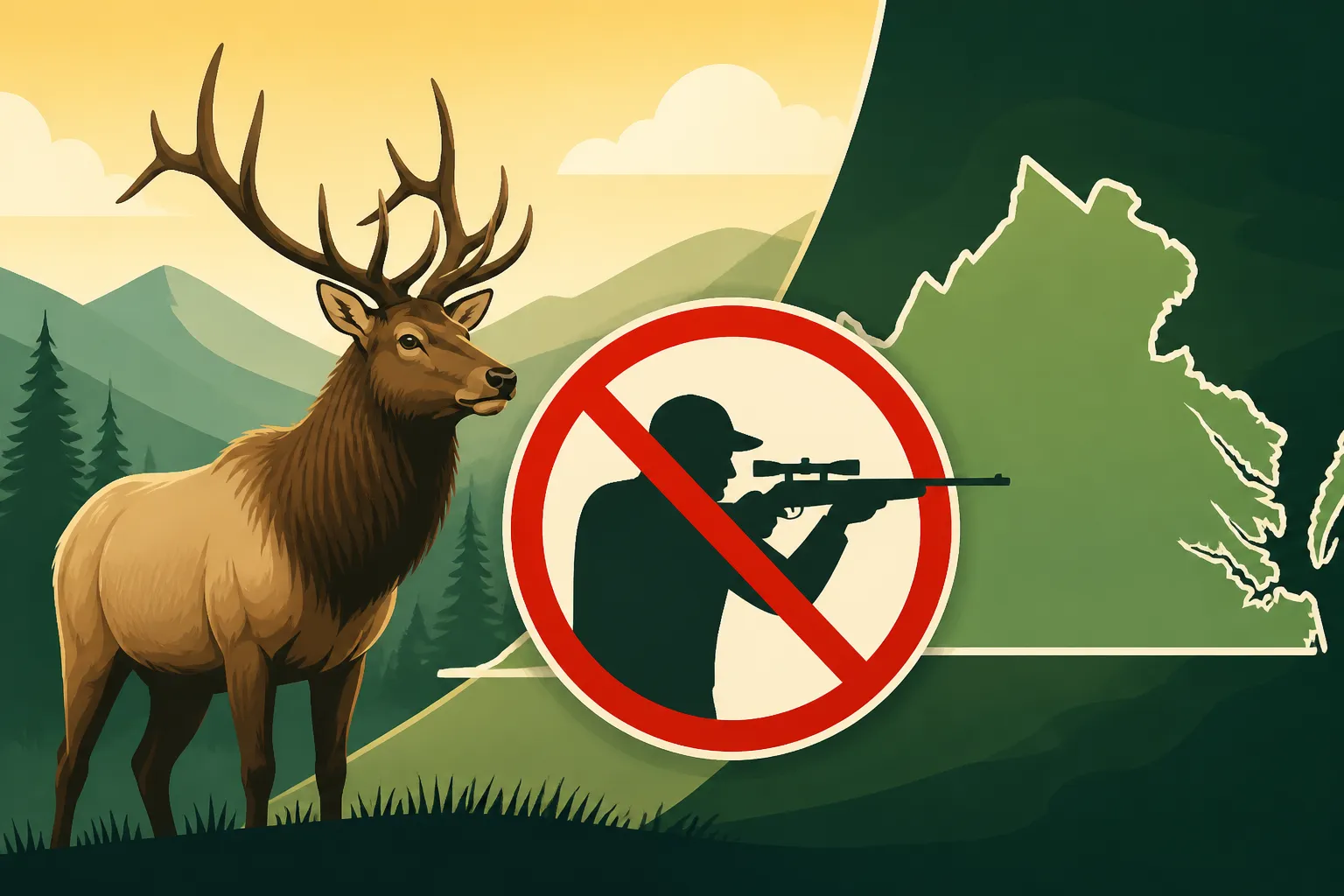
It's completely understandable to feel a pull when you hear whispers of elk roaming the Virginia mountains. For many of us, the sight of a magnificent bull elk is a bucket-list wildlife experience, and the natural hunter's instinct immediately wonders, "Can I hunt them here?" The reality, for now, is that Virginia's elk population is a precious, growing resource strictly managed for viewing. This guide will delve deep into why these incredible animals are currently off-limits to hunters, where you can find them, and how you can ethically experience the awe of Virginia's elk.
Why No Elk Hunting in Virginia's Elk Zone
The story of elk in Virginia is a fascinating tale of loss, dedicated restoration, and careful management. It's a journey that prioritizes the long-term health and growth of the herd above all else, which means a "viewing only" status for the foreseeable future.
A Look Back at Virginia's Elk History
Believe it or not, elk once roamed freely across Virginia, a majestic part of our native wildlife heritage. However, by the late 1800s, unchecked hunting pressure and rampant habitat destruction had sadly led to the complete extirpation of elk from the Commonwealth. They were gone, a stark reminder of what can happen when conservation isn't a priority. There were a few attempts at reintroduction in the early 20th century, notably in Giles County in 1917 and later near Shenandoah National Park. These early efforts, while well-intentioned, ultimately didn't take hold. A lack of widespread public acceptance, combined with insufficient habitat and a continued struggle with poaching, meant these reintroduced herds faded away. We learned some hard lessons from those times, lessons that heavily influenced the success of today's program.
The Restoration Project's Journey
Fast forward to 2012, and a new, far more strategic chapter began. The Virginia Department of Wildlife Resources (DWR), then known as the DGIF, embarked on an ambitious restoration project. This wasn't a solo endeavor; it was a true partnership, most notably with the Rocky Mountain Elk Foundation (RMEF) and, crucially, with local landowners. The plan kicked off with the release of 16 elk from Kentucky into the wild landscapes of Buchanan County. Over the next few years, more elk were brought in, carefully chosen for their genetic diversity and health. This time, the approach was different. There was a strong emphasis on fostering public support, actively managing habitat to ensure the elk had what they needed to thrive, and, critically, implementing strict non-hunting regulations. The goal was simple: give these animals every possible chance to establish a self-sustaining, robust population.
Challenges to Population Growth
Restoring a species is rarely a quick or easy feat, and Virginia's elk project has certainly faced its share of hurdles. One of the biggest factors is simply the biology of elk themselves; their reproduction rates are much slower than, say, white-tailed deer. A cow elk typically has one calf per year, and factors like calf survival rates can significantly impact how quickly the herd grows. Another major challenge is habitat. Elk require vast tracts of diverse land – a mosaic of contiguous forests, open pastures, and clearings for foraging, bedding, and security. Virginia’s landscape, while beautiful, is also heavily fragmented in many areas.
Disease monitoring is also a constant, critical concern. While Chronic Wasting Disease (CWD) has not been detected in Virginia’s elk herd, it's a very real threat to cervids (deer and elk alike) in other parts of the state and neighboring regions. The DWR rigorously monitors for CWD, especially given the established Virginia's Four Chronic Wasting Disease Areas elsewhere in the Commonwealth, to ensure the health of this recovering population. Beyond biological and habitat issues, human disturbance and vehicle collisions are ongoing challenges that impact individual elk and the herd's overall growth potential. Until these populations are truly thriving and self-sustaining, hunting simply isn't an option.
The Elk's Current Home: Virginia's Restoration Zone
When we talk about Virginia's elk, we're talking about a very specific region of the state, a designated "Elk Restoration Zone" where these magnificent animals are working hard to reclaim their place in the ecosystem. It's a place where dedicated efforts are focused on giving them the best chance to succeed.
Mapping the Southwest Virginia Elk Zone
Virginia's elk population is primarily concentrated in the southwestern part of the state, specifically centered in Buchanan County. From there, the elk have begun to expand naturally into adjacent areas of Wise, Dickenson, and Russell counties. This region isn't just a random spot on the map; it was carefully chosen for its potential to support a robust elk population. It's an area characterized by unique landscapes, often featuring reclaimed mine lands interspersed with rugged forested mountains and smaller agricultural fields. This unique blend of open clearings, rich vegetation from reclamation efforts, and protective timber provides a fantastic array of resources for elk. For an even deeper dive into this incredible effort, you might want to check out the article on Virginia Elk Restoration in the Coalfields. It really highlights the specific geographic and ecological considerations that went into choosing and managing this vital area.
Preferred Habitats and Movement Patterns
Elk are remarkably adaptable creatures, but they truly thrive in a diverse habitat that offers both abundant food and secure cover. In Southwest Virginia, they have found a perfect mosaic of these elements. The reclaimed strip mine lands are proving to be particularly valuable. These areas, once disturbed, have been reseeded and now boast a rich variety of grasses, forbs, and young shrubs, which are prime forage for elk. Interspersed with these open clearings are dense forest stands that provide essential bedding areas, thermal cover in extreme weather, and security from perceived threats.
Elk are creatures of habit but also opportunists, and their movement patterns often reflect the availability of food and cover throughout the day and across seasons. They'll typically move from dense bedding areas into more open feeding grounds during dawn and dusk, maximizing their foraging time while minimizing exposure during the brighter, busier parts of the day. Forest edges, riparian zones along creeks, and transitions between different habitat types are often key corridors for their movements. Understanding these patterns is absolutely vital for anyone hoping to catch a glimpse of them.
Observing Elk in the Restoration Zone
For those eager to witness Virginia's elk firsthand, the core of the restoration zone in Buchanan County is your best bet. The DWR, in partnership with other organizations, has worked to establish public viewing opportunities in certain areas, ensuring that wildlife enthusiasts can experience the elk while minimizing disturbance to the animals. While much of the elk habitat exists on private land, the DWR actively engages with landowners to facilitate limited public viewing access and education.
Patience is more than just a virtue; it's a necessity when it comes to elk viewing. These are wild animals, and there's no guarantee of a sighting, but knowing where and when to look significantly increases your chances. Tools like those offered by GoHunt, with their detailed mapping capabilities, can be incredibly helpful for identifying potential public access points or understanding land ownership boundaries adjacent to known elk habitat, though you must always verify access and respect all postings. Combining these digital resources with DWR's official recommendations can help you plan a more successful and respectful viewing trip to Virginia's elk country.
Best Practices for Ethical Elk Viewing in Virginia
Viewing elk is an incredible privilege, and it comes with a responsibility to the animals and their habitat. Ethical viewing practices are paramount to ensuring these majestic creatures continue to thrive and remain wild.
Choosing the Right Time and Place
If you're serious about seeing elk in Virginia, timing is everything. Just like many other large game animals, elk are most active during the low-light hours of dawn and dusk. This is when they move between their bedding areas and their preferred feeding grounds. Planning your trip to be out in the field during these magical hours significantly increases your chances of a sighting.
As for seasons, the fall can be particularly exciting. The cooler weather means elk are often more active, and while Virginia's elk rut isn't quite as pronounced or widely observed as in western states, September and October can offer some glimpses of increased activity. Late winter and early spring can also be prime viewing times, as the foliage is sparse, making spotting easier, and elk may sometimes gather in larger groups. As mentioned before, Buchanan County's designated viewing areas are a great starting point, but always check the Virginia DWR website for the most current information, guidelines, and any specific areas they recommend for public viewing.
Essential Gear for a Successful Viewing Trip
You wouldn't go deer hunting without your rifle and optics, and you shouldn't go elk viewing without the right setup either. Good quality optics are, without a doubt, your most important tool. A reliable pair of binoculars, ideally 8x or 10x magnification, will allow you to scan distant hillsides and pick out elk movements without needing to get too close. For more detailed observation of a bedded elk or a bull bugling far off, a spotting scope on a sturdy tripod is invaluable. It lets you "reach out" and get a closer look without disturbing the animal. This kind of thoughtful optical planning is something we often discuss for other species, like in our guide to Optics for Blue Ridge and Piedmont Hunting, and it applies perfectly here.
Beyond optics, wear comfortable, layered clothing. Mountain weather is fickle, and being able to adjust to temperature changes will keep you in the field longer. Sturdy, waterproof hiking boots are also a must, as the terrain in Southwest Virginia can be rugged and muddy. Don't forget reliable maps or a GPS unit; cell service can be spotty, and knowing your way around is essential for safety and efficiency. Tools like the GoHunt app can be fantastic for pre-scouting and on-the-ground navigation, allowing you to mark potential viewing spots or confirm property boundaries. While a camera is great for capturing memories, always prioritize the ethical viewing experience over getting that "perfect" shot, and never compromise the animal's well-being for a photo opportunity. For general outdoor preparedness, consider insights from Scouting Virginia Public Land Before Season.
Ethical Viewing: Respecting Wildlife and Land
This is the most critical aspect of elk viewing. The success of Virginia's elk restoration hinges on public cooperation and respect. First and foremost, maintain a respectful distance. Never, under any circumstances, approach elk. Use your binoculars and spotting scope to bring them closer visually. Disturbing elk causes them stress, can disrupt their natural behaviors, and can even put you in a dangerous situation, especially during the rut or if cows have calves nearby.
Keep noise to a minimum. Loud conversations, slamming car doors, or sudden movements can easily spook elk and send them retreating into thick cover. Your goal is to be an observer, not a disruptor. A cardinal rule for all wildlife viewing: never feed elk. This habituates them to humans, which can lead to aggressive encounters, alter their natural foraging behaviors, and introduce them to foods that might not be healthy for them. Lastly, remember that much of Virginia's elk habitat is on private land. Always be aware of your surroundings, know where property lines are, and never trespass. Using an app like GoHunt can help you stay on legal public access areas and identify land ownership, which is crucial for responsible viewing. Always practice Leave No Trace principles—pack out everything you pack in.
| Best Time for Viewing | Best Seasons | Recommended Gear | Ethical Practice |
|---|---|---|---|
| Dawn & Dusk | Fall, Late Winter, Early Spring | Binoculars (8x/10x), Spotting Scope, Camera, Maps/GPS, Layered Clothing, Hiking Boots | Maintain Distance, Be Quiet, Never Feed Elk, Respect Private Property, Leave No Trace |
The Future of Elk in Virginia: Potential for Hunting
The question on many hunters' minds is, "When will Virginia have an elk hunting season?" It's a valid curiosity, especially given the success of elk hunting programs in other states where restoration has taken hold. While the answer remains "not yet," understanding the path forward offers a glimpse into potential future opportunities.
Population Benchmarks for Future Hunting
The Virginia DWR has been very clear about their long-term vision and the benchmarks that must be met before a hunting season can even be considered. The current goal is for the elk herd to reach a stable, self-sustaining population of approximately 1,000 to 1,500 animals. Currently, the population is still well below this target, which underscores why the "viewing only" status is so critical right now. This target isn't just a random number; it's based on scientific modeling to ensure the herd's genetic health, ecological impact, and long-term viability. As detailed in resources like Virginia Elk Restoration in the Coalfields, every aspect of the project is geared towards reaching these numbers responsibly.
Should Virginia ever establish an elk hunting season, it would undoubtedly be a highly regulated and carefully managed program, likely resembling a lottery or draw system similar to those used in other states for limited tag opportunities. The focus would primarily be on managing herd health, controlling population densities in specific areas if needed, and generating revenue for further conservation efforts, rather than simply maximizing harvest. This approach mirrors the careful management seen in the Virginia Deer Season Structure Explained, where seasons and bag limits are tailored to regional deer populations and conservation goals.
Ongoing Management and Research
The DWR's commitment to Virginia's elk extends far beyond just releasing animals and hoping for the best. It's an ongoing, intensive management and research effort. Biologists regularly monitor the elk population through various methods, including aerial surveys to estimate herd size and distribution, deploying trail cameras (keeping in mind Trail Camera Rules on Virginia Public Land) to track movement and behavior, and collaring individual animals to gather data on survival rates, movements, and habitat use.
Habitat improvement projects are also a continuous priority. The DWR collaborates closely with landowners to create and maintain the diverse habitats that elk need, whether it's prescribed burns to rejuvenate grasslands or planting specific forage species. Furthermore, disease surveillance remains a paramount concern. The health of the herd is constantly monitored for any signs of illness, which is a critical lesson learned from managing other wildlife populations like Virginia's Black Bear Population and, of course, the ongoing efforts to track Virginia Deer Population Estimate and CWD. These proactive measures are essential for protecting the investment and hard work that has gone into restoring this species. Understanding habitat, even from a broad perspective like Reading Aerial Photos for Piedmont Deer, can give insights into the DWR's management approaches in elk country. Many of these efforts also take place on and around Virginia Wildlife Management Areas, which are crucial for wildlife.
The Public's Role in Elk Conservation
While hunting may not be an option, the public plays an incredibly vital role in the ongoing success of Virginia's elk conservation. If you happen to see elk outside of the established core restoration zone, it's crucial to report your sighting to the DWR. This information helps biologists track dispersal patterns and understand the elk's expansion. Supporting conservation efforts is another powerful way to contribute; organizations like the Rocky Mountain Elk Foundation and various local conservation groups are instrumental in providing funding and volunteer hours for habitat work and education.
Perhaps most importantly, be an ambassador for ethical wildlife viewing. Share your knowledge with others about responsible viewing practices and emphasize the profound importance of allowing this herd to grow undisturbed. Respecting the "viewing only" status isn't just a regulation; it's an act of collective conservation that ensures future generations of Virginians will also have the chance to marvel at these magnificent animals in their natural habitat.
Disclaimer
Please note that hunting regulations and wildlife management strategies are subject to change. Always consult the most current Virginia Department of Wildlife Resources (DWR) regulations and official publications before planning any hunting or wildlife viewing activities. This guide provides general information and should not be considered a substitute for official DWR resources.