Virginia Small Game and Furbearers
It’s easy to get caught up in the pursuit of Virginia’s trophy deer or that elusive spring gobbler, and sometimes, the rich opportunities that small game and furbearers offer can slip right past us. Many hunters, myself included, often lament the perceived decline in small game populations or feel overwhelmed by the regulations. But the truth is, Virginia's woods and fields still hold incredible experiences for those willing to embrace the chase of squirrels, rabbits, or even the challenging pursuit of coyotes. This comprehensive guide aims to peel back the layers, offering a deep dive into the species, seasons, and strategies that will help you reconnect with the fundamental joy of small game and furbearer hunting in the Old Dominion.
The Enduring Appeal of Small Game Hunting in Virginia
For many of us who grew up in the rural landscapes of Virginia, small game hunting wasn't just a pastime; it was an initiation into the rhythms of the outdoors. Before the big buck fever truly took hold, it was the squirrel in the oak tree or the rabbit flushing from a briar patch that first taught us patience, tracking, and marksmanship. There’s a simplicity and accessibility to small game hunting that often gets overshadowed by the allure of larger quarry, but it remains a vital part of our hunting heritage and offers tremendous rewards for those who pursue it.
Why Small Game Still Matters
Beyond the pure enjoyment, small game hunting plays a crucial role in hunter recruitment and retention, especially for younger generations. It provides more action, shorter learning curves, and less financial investment than big game hunting, making it an excellent entry point into the hunting tradition. Think about it: a child’s first successful hunt is often a squirrel or a rabbit, not a ten-point buck. These early successes build confidence and foster a lifelong love for hunting. Moreover, chasing small game forces you to learn the land intimately, understanding cover, food sources, and travel corridors in a way that often gets overlooked when focused solely on deer sign. You learn to interpret the landscape, read the subtlest clues, and understand the intricate relationships within an ecosystem. It sharpens your senses and makes you a better, more well-rounded hunter, no matter what you eventually choose to pursue.
A Return to Simplicity
In an era of increasingly complex gear, expensive leases, and intense social media pressure to bag giant animals, small game hunting offers a refreshing return to simplicity. You don't need the latest high-tech trail cameras, specialized scent control systems, or expensive thermal optics. Often, all it takes is a reliable shotgun or a .22 rifle, a good pair of boots, and a keen eye. This accessibility makes it a perfect way to escape the pressures of modern life and reconnect with the foundational elements of hunting. Imagine a crisp autumn morning, a thermos of coffee, and a quiet walk through a Virginia hardwood forest, listening for the chatter of a squirrel or watching for the tell-tale twitch of a rabbit's ear. It's an experience that strips away the unnecessary, reminding us that the true essence of hunting lies in the quiet pursuit and the connection to nature, not the size of the animal or the cost of the equipment. It's also an excellent way to introduce new hunters to ethical practices and game processing without the daunting scale of a deer.
Common Small Game Species and Their Habitats
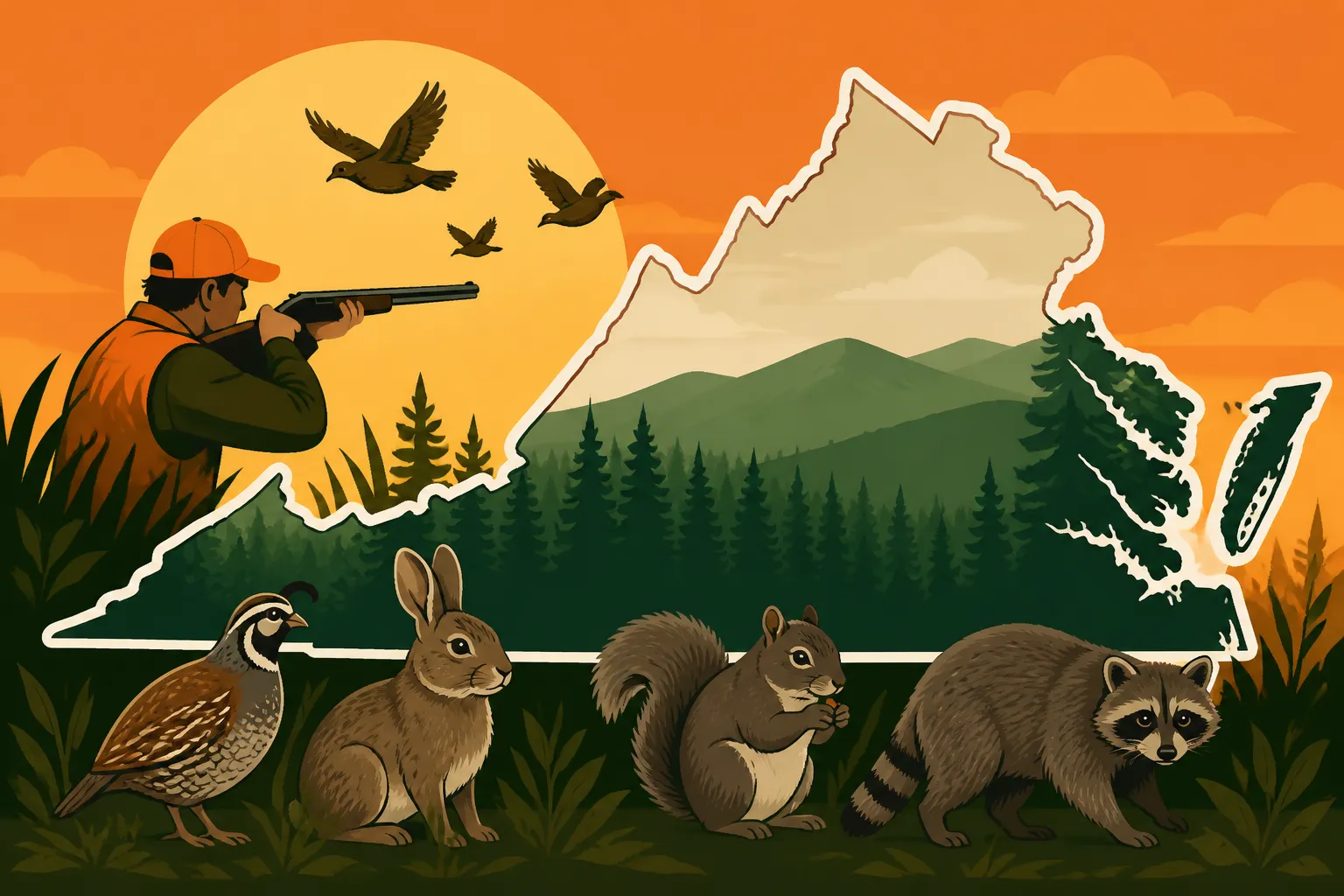
Virginia is blessed with a diverse array of small game species, each offering unique challenges and rewards. From the chattering squirrel in the mighty oak to the explosive flush of a grouse, these animals provide countless hours of outdoor enjoyment. Understanding their preferred habitats and behaviors is key to consistent success.
Virginia's Squirrel Abundance
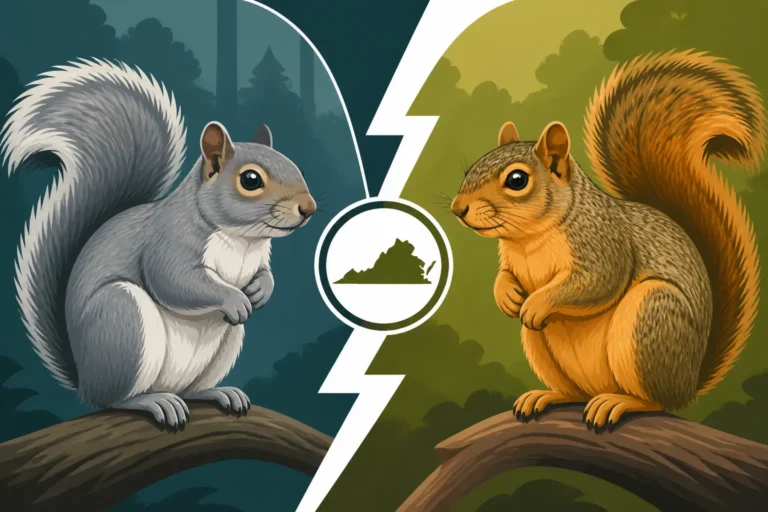
Squirrels are arguably the most ubiquitous and accessible small game animal in Virginia. Both gray squirrels and fox squirrels call the Commonwealth home, though gray squirrels are far more widespread. You’ll find them in almost any mature hardwood forest, from the Appalachian Mountains to the coastal plain. They thrive in oak, hickory, and beech stands where mast crops provide their primary food source. A keen understanding of which trees are dropping nuts, or "cuttings" as we call them on the forest floor, will put you on the squirrels. You’ll often find them scampering up the trunks of towering oaks or working through the canopy, especially during the early morning and late afternoon hours. During the fall, they are constantly burying nuts, a behavior that makes them particularly active and visible.
Hunting squirrels can be a wonderfully relaxed affair. Still-hunting, where you move slowly through the woods, stopping frequently to scan the trees and listen, is a popular and effective method. Or, if you prefer a more stationary approach, finding a comfortable spot with good visibility under a productive oak or hickory can yield plenty of opportunities. Patience is a virtue here; often, sitting quietly for 15-20 minutes will allow squirrels that have scurried away to return to their normal activities. For an even more active hunt, a good squirrel dog can turn a quiet walk into an exciting chase, barking at treed squirrels and making them easier to spot. You can learn more about specific tactics in our guide on Squirrel Hunting a Virginia Oak Ridge.
Rabbit Hunting in the Commonwealth
The cottontail rabbit is another classic Virginia small game animal, providing fast-paced action and delicious table fare. You'll find rabbits in thick, brushy cover – fencerows, briar patches, clear-cuts, powerline rights-of-way, and the edges of agricultural fields are all prime rabbit habitat. They thrive where there’s a good mix of dense cover for escape and nearby open areas for feeding on grasses, clover, and other herbaceous vegetation. Unlike squirrels, rabbits are often found closer to the ground, hunkering down in thickets, especially on cold or windy days.
Rabbit hunting is often a social endeavor, best done with a group of hunters and a pack of beagles. The melodic baying of beagles as they pursue a rabbit through the brush is one of the most iconic sounds of a Virginia winter hunt. Hunters typically position themselves strategically around the edges of thick cover, waiting for the dogs to push the rabbit their way. Without dogs, hunters can "kick" brush piles and dense cover, flushing rabbits as they walk. This can be surprisingly effective, but requires more physical exertion. A crisp, cold day after a fresh snow can provide some of the best rabbit hunting, as the tracks are easy to follow and rabbits often hold tighter in cover. Our guide on Rabbit Hunting Virginia Fencerows offers more in-depth strategies.
The Elusive Ruffed Grouse
For many upland bird hunters, the ruffed grouse is the king of Virginia's small game. However, grouse hunting in Virginia is a challenge, as their populations have seen significant declines over the past few decades. They are primarily found in the western mountainous regions of the state, particularly in areas with early successional forest, young timber cuts, and dense thickets of mountain laurel and rhododendron. Grouse require a mosaic of habitats: dense cover for nesting and escape, older timber for roosting, and areas with berries and buds for food. Finding these specific habitat types within the vastness of the George Washington National Forest or Jefferson National Forest is a significant part of the challenge.
Hunting grouse is not for the faint of heart. It involves navigating steep terrain, pushing through dense cover, and being ready for an explosive flush that often sounds like a jet engine taking off right under your nose. A good bird dog, typically a setter or pointer, is invaluable for locating these wary birds and helping to pin them for a shot. Even with a dog, shooting opportunities are fleeting, demanding quick reflexes and accurate wing shooting. The reward, however, is immense: the satisfaction of outsmarting such a challenging bird in some of Virginia's most beautiful wild country. Unfortunately, the status of Virginia Grouse Season Status often reflects the ongoing struggles of this magnificent bird.
The Comeback of the Wild Quail (or lack thereof)
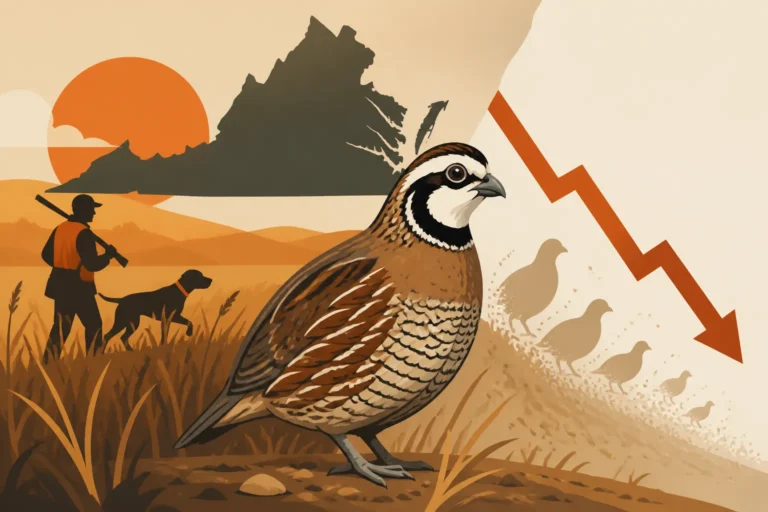
The bobwhite quail, with its distinctive "bob-white" call, was once an icon of Virginia's agricultural landscape. Sadly, like the ruffed grouse, wild quail populations have suffered a drastic decline since the mid-20th century, largely due to habitat loss and changes in farming practices. Today, finding huntable populations of wild quail in Virginia is exceptionally difficult, primarily limited to a few specific areas on private lands that are actively managed for quail habitat. These areas typically feature open pine woodlands with a healthy understory of native grasses and forbs, often maintained through prescribed burns and specific timber management.
While wild quail hunting is a rare luxury for most Virginia hunters, significant efforts are underway to restore their populations. The Virginia Department of Wildlife Resources (DWR) and private conservation groups are working on habitat improvement projects. These projects aim to create the diverse early successional habitats that quail need to thrive. For the average hunter, the opportunity to pursue wild quail is largely limited to specific managed hunts or private land where landowners have dedicated extensive resources to habitat restoration. Despite the scarcity, the dream of hearing a covey rise remains a powerful motivator for conservation efforts. Learn more about their struggles and the hopeful future in How Virginia Quail Numbers Fell Since the 1960s.
Other Upland Birds: Doves and Woodcock
Beyond grouse and quail, Virginia offers exciting opportunities for other upland and migratory birds. Mourning doves are incredibly popular, providing fast-flying action and a social hunting experience, particularly on opening day. Dove season typically begins in early September, drawing crowds to harvested grain fields, especially cut corn or sunflower fields, across the Piedmont and Tidewater regions. Setting up decoys and waiting for flights of doves to pass over is the classic method, demanding quick, instinctive shooting. It's often a lively affair, with friends and family enjoying the camaraderie as much as the shooting.
Woodcock, often called "timberdoodles," are a less commonly pursued migratory bird, but they offer a unique and rewarding hunt. These fascinating birds migrate through Virginia in the fall, pausing in moist, young woodlands, especially along creek bottoms and swamp edges, where they probe the soft soil for earthworms with their long bills. Hunting woodcock is similar to grouse hunting in its physical demands, requiring hunters to navigate dense cover. They hold tight, often flushing at your feet, flying in an erratic, twisting pattern. A good pointing dog is highly beneficial for locating these camouflaged birds. While not as numerous as doves, a successful woodcock hunt offers a distinct satisfaction for the dedicated upland hunter, and many hunters will chase them in the same cover they might find small game like rabbits or squirrels. Our guide on Working a Dove Field on Opening Day offers valuable insights.
Virginia's Diverse Furbearer Population
Furbearers in Virginia represent a unique set of hunting and trapping opportunities. These animals, often nocturnal or highly elusive, offer a different kind of challenge and play crucial roles in the ecosystem. From the ever-present coyote to the secretive bobcat, understanding these species is key to successful management and pursuit.
Coyotes: A Modern Challenge
Coyotes are a relatively new addition to Virginia's ecosystem, having expanded their range into the Commonwealth over the last few decades. They are incredibly adaptable and can be found across the entire state, from the mountains to the suburban fringes of Richmond and Virginia Beach. While they provide excellent hunting opportunities, they also present challenges to deer and turkey populations, as well as livestock producers. This makes them a species of significant interest for management and year-round hunting on private land.
Hunting coyotes can be an intense and rewarding experience. Calling, using electronic or mouth calls to mimic prey in distress or other coyote vocalizations, is the most popular and effective method. This can be done day or night on private lands. Strategic setup, playing the wind, and using good cover are paramount, as coyotes are incredibly intelligent and wary. Night hunting, particularly with legal lights on private land, has become increasingly popular, offering a thrilling chase under the stars. For hunters looking for a year-round challenge that also benefits local deer populations and farmers, coyote hunting is an excellent option. Tools like mapping applications from GoHunt can be invaluable for identifying optimal calling locations and understanding property boundaries for safe and legal hunting. Our guide on Night Hunting Rules for Virginia Coyotes dives deeper into these regulations.
Foxes: Red and Gray
Virginia is home to both red and gray foxes, each with distinct habitats and behaviors. Red foxes are typically found in more open country, around agricultural fields, pastures, and woodland edges. They are beautiful animals, known for their cunning and distinct reddish-orange coat. Gray foxes, on the other hand, prefer denser, more heavily wooded areas and are unique in their ability to climb trees, often using them as escape routes or to sunbathe. Both species are primarily nocturnal but can occasionally be seen during daylight hours, especially at dawn and dusk.
Fox hunting and trapping have a long tradition in Virginia, whether through classic foxhunts with hounds or through more modern calling and trapping methods. Trapping can be an effective way to manage local fox populations, particularly for landowners experiencing depredation issues. For hunters, calling foxes can be a challenging but rewarding pursuit, similar to coyote calling but often requiring a slightly different set of vocalizations and a more patient approach. Their keen senses of smell and hearing make them difficult to fool, demanding a high level of stealth and field craft. Understanding Virginia Coyote Range and Density can also indirectly inform fox population insights, as their territories can sometimes overlap.
Raccoons and Opossums
Raccoons and opossums are abundant across Virginia, found in almost every habitat type, from deep woods to suburban backyards. Raccoons, known for their masked faces and dexterous paws, are highly intelligent and opportunistic omnivores, thriving near water sources and in areas with mature trees for denning. Opossums, North America's only marsupial, are less particular about habitat, often found scavenging near human dwellings and in various woodland and agricultural settings. Both species are predominantly nocturnal.
Hunting raccoons with hounds, especially at night, is a cherished tradition for many Virginia hunters. The chase, the baying of the dogs, and the eventual treed raccoon offer a unique and exciting experience. Trapping is also a very effective method for managing raccoon and opossum populations, particularly in areas where they cause nuisance issues or property damage. These species provide excellent opportunities for beginners to learn about furbearer behaviors and trapping techniques due to their abundance and relatively predictable movements. They offer accessible outdoor activity, often closer to home than other game.
Beaver and Muskrat: Water-Dwelling Furbearers
Virginia's waterways, from small creeks to large rivers and impoundments, are home to beavers and muskrats. Beavers, the largest rodents in North America, are master engineers, constructing dams and lodges that can dramatically alter landscapes. While their dams create valuable wetlands for other wildlife, they can also cause significant flooding and timber damage, making them a target for management through trapping. Muskrats, smaller aquatic rodents, are also found in marshes, ponds, and slow-moving waters, building dome-shaped lodges or burrowing into banks.
These water-dwelling furbearers are primarily pursued by trappers. Trapping beaver requires specialized knowledge of their habits, dam locations, and a skilled hand with various trap types, including body-gripping and snaring sets. Muskrats, while smaller, also require careful placement of traps along their travel routes or near their lodges. Trapping these species contributes to flood control, protects timber resources, and provides valuable pelts. It's a highly specialized form of hunting that often requires a deep understanding of aquatic ecosystems and the particular challenges they present.
Bobcat: The Stealthy Hunter
The bobcat is one of Virginia's most elusive and beautiful furbearers. These medium-sized wild cats are found throughout the state, though they are most common in the more rugged, forested regions of the mountains and Piedmont. They prefer dense cover, rocky outcrops, and areas with plenty of prey, such as rabbits, squirrels, and small rodents. Bobcat populations in Virginia have shown signs of recovery over recent decades, a testament to conservation efforts and their adaptability.
Hunting bobcats is a significant challenge, largely due to their secretive nature and excellent camouflage. They are primarily nocturnal and operate with incredible stealth. Calling is a primary method, often mimicking rabbit or bird distress calls, but it requires extreme patience and a deep understanding of bobcat behavior. Trapping is also a common method, regulated by the DWR to ensure sustainable populations. Spot-and-stalk hunting, while possible, is exceptionally difficult given their preferred dense habitats. A successful bobcat hunt or trap is a true trophy, a testament to the hunter's skill and persistence. Our article on Virginia's Recovering Bobcat Population offers more details on their status.
Seasons, Regulations, and Licensing for Small Game and Furbearers
Navigating the rules and regulations for small game and furbearers in Virginia can feel like deciphering a complex puzzle. The Virginia Department of Wildlife Resources (DWR) sets specific seasons, bag limits, and licensing requirements that vary by species and sometimes by region. Staying informed and compliant is crucial for a legal and ethical hunting experience.
Navigating Virginia DWR Regulations
The Virginia DWR is the primary authority for all hunting and trapping regulations in the Commonwealth. Their annual Hunting & Trapping Regulations Digest is your go-to resource, available both online and at license vendors. This digest outlines everything from season dates and bag limits to legal weapons and general hunting rules. However, it's not enough to just skim it. You need to read it thoroughly, paying close attention to any county-specific regulations or public land restrictions. For instance, some Wildlife Management Areas (WMAs) might have different open dates or require special access permits compared to general statewide rules.
It’s also wise to check the DWR website regularly for any updates or emergency closures, especially for migratory birds or furbearers where conditions might necessitate changes. Understanding the difference between statewide regulations and those specific to a WMA or National Forest is paramount. Ignoring these nuances can lead to citations, fines, or even loss of hunting privileges. It’s also important to remember that general firearms season for deer can overlap with small game seasons, which often means an increase in hunter numbers, especially on public lands like the George Washington National Forest. Being aware of peak pressure times, which you can often anticipate by looking at the hunting forecast on GoHunt, helps you plan your hunt to either avoid crowds or use them to your advantage.
Essential Licenses and Permits
Before you even step foot in the woods or set a trap, you'll need the appropriate Virginia hunting licenses. For residents, this typically includes a basic resident hunting license and, if you plan to hunt big game (which often happens concurrently with small game like squirrels), a big game license. For furbearers, particularly for trapping, you'll need a specific trapping license. Migratory bird hunters will also need a Virginia Migratory Bird Hunting License, a federal duck stamp (for waterfowl), and HIP (Harvest Information Program) certification.
The DWR offers various license packages, including annual and multi-year options, which can be purchased online through the Go Outdoors Virginia portal, over the phone, or at authorized license agents. It’s always best to purchase your licenses well in advance of the season. Remember that Virginia also has a hunter education requirement, especially for new hunters, so ensure you meet all the prerequisites before heading afield. You can find all the details on Virginia Hunting Licenses and What They Cost and Virginia Hunter Education Requirements. Always carry proof of your license while hunting or trapping, whether a physical copy or on your mobile device as allowed by DWR.
Specific Season Dates and Bag Limits
Season dates and bag limits are critical for all small game and furbearer species. These are subject to change annually, so always consult the current DWR digest. Here’s a general overview of some common species, but remember, this table is for illustrative purposes only and does not supersede official DWR regulations. Always check the current year's digest.
| Species | Typical Season Start | Typical Season End | Daily Bag Limit (often) | Possession Limit (often) | Notes |
|---|---|---|---|---|---|
| Gray Squirrel | Mid-September | End of February | 6 | 12 | Varies slightly by region; often splits. |
| Rabbit | Early November | End of January | 6 | 12 | Great after a fresh snow. |
| Ruffed Grouse | Early November | End of January | 3 | 6 | Western Mountains only, declining populations. |
| Mourning Dove | Early September (1st segment) | Mid-January (multiple segments) | 15 | 45 | Multiple splits; check for specific field regulations. |
| Woodcock | Mid-October | End of November (usually) | 3 | 9 | Highly migratory, dates can shift. |
| Coyote | Year-round (private land) | Year-round (private land) | No Limit | No Limit | Can be hunted day or night on private land. |
| Fox (Red/Gray) | Mid-October | End of February | No Limit | No Limit | Hunting with dogs may have specific hours/dates. |
| Raccoon | Mid-October | End of March | No Limit | No Limit | Night hunting with dogs is popular. |
| Opossum | Mid-October | End of March | No Limit | No Limit | Often hunted concurrently with raccoons. |
| Beaver (Trapping) | Early November | End of March | No Limit | No Limit | Trapping only; can be regulated by specific counties for damage. |
| Muskrat (Trapping) | Early November | End of March | No Limit | No Limit | Trapping only. |
| Bobcat | Mid-October (Hunting) | End of February | No Limit | No Limit | Trapping season runs similar dates, specific regulations apply. |
Always consult the current Virginia DWR Hunting & Trapping Regulations Digest for the most accurate and up-to-date information.
These dates and limits highlight the significant opportunities available. For instance, the long squirrel and rabbit seasons provide ample time to get out, even if you're busy with deer season. The "no limit" designation for many furbearers also reflects their robust populations and the DWR's encouragement of their harvest for management purposes.
Hunting and Trapping Techniques for Success
Success in small game hunting and furbearer trapping relies on more than just knowing the regulations; it's about understanding animal behavior, mastering specific techniques, and having the right gear for the job. Each species presents its own unique set of challenges and rewards, requiring a tailored approach.
Classic Small Game Hunting Methods
Small game hunting often hearkens back to simpler times, utilizing methods that have been passed down through generations.
Still-Hunting and Stalking for Squirrels: This is perhaps the most peaceful and immersive way to hunt squirrels. It involves moving incredibly slowly through the woods, taking a few steps, then pausing for several minutes to scan the trees and listen. Squirrels often "bark" or chatter when they detect movement, giving away their position. Look for movement in the canopy, or scan tree trunks for the tell-tale bulge of a squirrel hugging the bark. Early mornings and late afternoons are prime times when squirrels are most active, foraging for nuts. A .22 rifle is ideal for precision shots in the timber, though a small gauge shotgun with light loads can be effective for moving targets. Our guide on Squirrel Hunting Virginia Bottomland Hardwoods offers specific habitat tips.
Hunting Rabbits with Beagles: For many, rabbit hunting is beagle hunting. A good pack of beagles is irreplaceable for pushing rabbits out of thick cover. The strategy involves positioning hunters strategically around a briar patch or fencerow while the dogs work the thicket. Rabbits, when flushed, often run in a circular pattern, eventually returning close to where they were jumped. This allows hunters to intercept them. This method is highly social, perfect for a group of friends, and provides a lot of exciting action, especially during colder months when rabbits hold tighter.
Kicking Brush and Walking Up: If you don't have dogs, you can still effectively hunt rabbits (and occasionally grouse) by simply walking up game. This involves systematically working through dense cover, kicking brush piles, and pausing frequently. Be ready for a quick shot, as rabbits can burst out of cover with surprising speed. This is a very physical style of hunting, often done in tandem with one or two other hunters who can cover different angles. It's a great way to explore forgotten corners of a farm or public land.
Effective Furbearer Trapping and Hunting Strategies
Furbearers demand a blend of patience, stealth, and sometimes, specialized equipment.
Coyote Calling: Coyote calling has evolved into a highly refined art. Electronic callers are extremely popular and effective, offering a wide range of sounds from distress calls (rabbit, fawn) to coyote howls and barks. Mouth calls are also effective and require less gear. The key is to set up strategically, always playing the wind, with good cover behind you and an open shooting lane in front. Calling sequences should vary, starting soft and building intensity, then pausing to scan. Coyotes are cunning and will often circle downwind to scent-check, so anticipating their approach is critical. For the best results, use a powerful scope on your rifle to spot them at distance, and don't be afraid to try different areas. A good mapping tool, such as those offered by GoHunt, can help you find remote, overlooked locations with good access and favorable wind directions. You might find our piece on Predator Calling Virginia Farm Country insightful.
Trapping for Multiple Species: Trapping is a highly effective way to manage and harvest furbearers like fox, raccoon, opossum, beaver, and muskrat. It requires specific knowledge of each animal's habits, preferred travel routes, and an understanding of different trap types (foothold, body-grip, snares) and proper set construction. For instance, raccoons are often caught with cage traps or dog-proof traps baited with sweet treats near water sources. Beaver trapping often involves setting large body-grip traps in "runways" or near dam breaks. Always ensure you are familiar with and adhere to all DWR trapping regulations, including trap tags and checking requirements. It’s a skillset that takes time and dedication to master but yields consistent results.
Night Hunting: For coyotes and raccoons, night hunting is legal on private land in Virginia, often with the use of legal artificial lights. This adds an entirely new dimension to the hunt. Thermal and night vision optics have revolutionized this practice, allowing hunters to detect animals at great distances in the dark. However, even with powerful spotlights, it’s an exhilarating experience. For raccoons, coonhounds excel at tracking and treeing at night, providing a classic Southern hunting tradition. Safety is paramount during any night hunt, requiring careful identification of targets and backstops.
Gear Considerations for Small Game and Furbearers
The beauty of small game and furbearer hunting is that it doesn't require a fortune in gear, but having the right tools makes a significant difference.
- Firearms: For squirrels, a .22 rifle is a classic choice for its accuracy and quiet report. A 12 or 20 gauge shotgun with light birdshot (like 6s or 7.5s) is perfect for rabbits, grouse, and doves. For coyotes and other larger furbearers, a flat-shooting centerfire rifle, such as a .223 or .22-250, is ideal for the longer shots often presented by calling.
- Optics: Good binoculars (8x or 10x) are always useful for spotting distant game. A quality scope on your rifle, especially for coyotes, will improve accuracy.
- Clothing: Layered clothing suitable for the weather, durable boots, and brush pants (especially for rabbit and grouse hunting) are essential. Blaze orange is required during many deer seasons, and it's always a good idea to wear it during any concurrent firearms seasons for visibility and safety. Our guide on Blaze Orange Jackets Versus Vests provides more on safety.
- Calls: For coyotes and foxes, both electronic and mouth calls are crucial. For raccoons and opossums, good hounds are often the best "call."
- Trapping Gear: A variety of traps, setting tools, lures, and bait are needed for trapping different species. This is an area where specific knowledge and investment are required.
- Mapping & Navigation: A GPS unit or a reliable mapping app like GoHunt on your smartphone is incredibly helpful for navigating public lands, marking hotspots, and ensuring you stay within legal boundaries.
Conservation Efforts and Population Trends
The populations of Virginia's small game and furbearers are dynamic, influenced by a multitude of factors, from habitat changes to disease and predator-prey dynamics. Understanding these trends and the conservation efforts underway is crucial for ensuring healthy populations for future generations of hunters and trappers.
Challenges Facing Virginia's Small Game
Many of Virginia's small game species, particularly quail and grouse, have faced significant declines over the past 50-70 years. The primary culprit is habitat loss and degradation. Modern agricultural practices, which often involve larger fields and fewer fencerows, have eliminated much of the early successional cover that rabbits and quail depend on. The maturation of forests, while beneficial for species like deer and turkey, reduces the young, brushy growth that grouse require. Virginia Ruffed Grouse Decline is a stark example of this.
Another challenge is climate change, which can affect breeding cycles, food availability, and disease prevalence. Increased predator populations, especially coyotes, can also put pressure on small game. The DWR, along with organizations like Quail Forever and the Ruffed Grouse Society, are actively working on habitat restoration projects. These include prescribed burning, targeted timber harvests to create young forest stands, and planting native warm-season grasses. While these efforts are making strides, the scale of habitat loss means a full recovery for some species is a long-term endeavor. As hunters, supporting these organizations and practicing good land stewardship on private property can make a real difference.
Furbearer Management and Ecological Balance
In contrast to some small game, many of Virginia's furbearer populations are thriving, and some, like coyotes and beavers, have even expanded their ranges significantly. This can lead to different management challenges. Coyotes, while providing hunting opportunities, also exert predatory pressure on deer fawns and turkey poults, and can impact livestock. Beavers, with their impressive dam-building abilities, can cause extensive flooding and timber damage.
The DWR manages furbearer populations through regulated hunting and trapping seasons, allowing for sustainable harvest while addressing nuisance issues. Trappers, in particular, play a vital role in managing populations and mitigating conflicts with humans and agriculture. The "no limit" regulations for many furbearers reflect the DWR's approach to allowing hunters and trappers to help keep these populations in check where they are abundant or causing problems. For species like the bobcat, where populations are more sensitive, seasons are carefully structured to ensure long-term health. Understanding Virginia's Black Bear Population and its management strategies can offer parallels to how other thriving furbearer populations are handled.
How Hunters Contribute to Conservation
It's easy to overlook, but hunters and trappers are, in fact, some of the most dedicated conservationists. The sale of hunting licenses, big game tags, and specific permits directly funds the DWR's wildlife management, habitat restoration, and enforcement efforts. This "user-pays, user-benefits" model is a cornerstone of wildlife conservation in North America, known as the American System of Wildlife Conservation. Every dollar spent on a hunting license, or on specific gear for your trip, contributes to the overall health of Virginia's wildlife.
Beyond financial contributions, hunters and trappers provide invaluable data through mandatory harvest reporting, which helps biologists track population trends and make informed management decisions. Many hunters also volunteer their time for habitat projects, participate in clean-ups, and advocate for sound wildlife policies. Ethical hunting and trapping inherently mean respecting the resource and contributing to its long-term viability. When you head out to chase squirrels or set a trap for a coyote, you're not just enjoying the outdoors; you're actively participating in the ongoing story of conservation in Virginia. You can find more information about these contributions by checking out the DWR website and their various programs, often accessible through platforms like GoHunt that integrate with state wildlife agencies.
Ethical Considerations and Responsible Hunting
As hunters and trappers, we hold a special responsibility to the land, the animals, and our fellow outdoors enthusiasts. Ethical conduct isn't just about following the rules; it's about upholding the integrity of our sport and ensuring a positive perception for future generations.
Respecting the Resource and Landowners
One of the most critical aspects of responsible hunting is respecting the game we pursue. This means striving for clean, humane harvests, and utilizing the animals we take, whether for food or fur. It also means leaving the land better than you found it, packing out all trash, and minimizing your impact on the environment. For instance, if you're hunting squirrels, ensure you're harvesting them efficiently and preparing them for the table.
Even more vital is respecting landowners, especially in a state like Virginia where a significant amount of hunting occurs on private property. Always obtain explicit permission before hunting on private land, even if it appears unposted. Knocking on doors in Piedmont farm country can be intimidating, but a friendly approach and offering to help with a task can often open doors to valuable hunting spots. If granted permission, treat the property as if it were your own. Close gates, don't damage fences, drive carefully on farm roads, and always thank the landowner. A good relationship with a landowner can provide hunting opportunities for years to come. Remember that Do You Need Written Permission in Virginia? is an important question to answer before heading out.
Safe Hunting Practices
Safety should always be the absolute priority when hunting or trapping. This includes firearm safety – treating every gun as if it's loaded, keeping the muzzle pointed in a safe direction, being sure of your target and what's beyond it, and keeping your finger off the trigger until ready to shoot. These rules are non-negotiable, whether you're carrying a .22 for squirrels or a rifle for coyotes.
When hunting with a group, communicate clearly and understand each other's positions, especially during a rabbit drive or a coyote calling setup. Wearing blaze orange, even when not legally required for small game, is a smart decision for visibility, particularly during the overlapping deer season. For trappers, safety involves proper handling of traps, knowing how to release them safely, and taking precautions to avoid catching non-target animals or pets. Educating yourself through hunter education courses and regularly reviewing safety guidelines is an ongoing commitment for every responsible hunter. Being prepared for any emergency, especially when hunting in remote areas like the Jefferson National Forest, is also critical. Always carry a first-aid kit, and let someone know your hunting plans and expected return time.
Disclaimer
Please note that hunting regulations, seasons, and bag limits are subject to change. This guide provides general information based on current knowledge and typical patterns but does not replace the official Virginia Department of Wildlife Resources (DWR) regulations. Always consult the most recent Virginia DWR Hunting & Trapping Regulations Digest before engaging in any hunting or trapping activities. It is your responsibility to know and follow all applicable laws.