Virginia CWD Prevalence in the Shenandoah Valley
For anyone who hunts deer in the picturesque Shenandoah Valley, the mention of Chronic Wasting Disease (CWD) can bring a knot to your stomach. It’s a serious issue that directly impacts our beloved deer herds and, by extension, our hunting traditions. This guide aims to thoroughly demystify CWD prevalence in the Shenandoah Valley, helping you understand what it is, how it’s tracked, and most importantly, what it means for your hunting efforts in this beautiful part of Virginia.
Understanding CWD in the Shenandoah Valley
Chronic Wasting Disease is one of those topics that can feel overwhelming, especially when you start hearing about it in your local hunting grounds. For hunters in the Shenandoah Valley, it’s not just an abstract concept discussed in wildlife journals; it’s a reality we’ve had to learn to live with and manage. Knowing the basics of what CWD is and how it established itself here is the first step toward understanding its prevalence.
What is Chronic Wasting Disease?
Let's cut through the jargon for a moment. Chronic Wasting Disease (CWD) is a neurological disease that affects deer, elk, and moose, all members of the cervid family. It’s caused by abnormal proteins called prions, which slowly damage the brain and nervous system of infected animals. Think of it like a slow, debilitating illness that gradually wastes away the animal. It’s always fatal, and there’s currently no known cure or vaccine. The scary part is that these prions can persist in the environment for a very long time, in things like soil or vegetation, making it a persistent challenge once it takes root in an area. This is why it's such a concern for wildlife managers and hunters alike.
Symptoms in deer can be subtle at first, often going unnoticed for a year or more. But as the disease progresses, you might observe things like drastic weight loss (the "wasting" part of its name), stumbling, lethargy, drooling, or a general loss of fear of humans. Imagine seeing a once vibrant buck, a picture of health, looking weak and disoriented – it's a heartbreaking sight and a clear indicator that something is deeply wrong. These observable signs often appear in the late stages of the disease, making early detection incredibly difficult without specific testing.
The Initial Discovery and Spread
The Shenandoah Valley wasn't always a CWD hotspot. The disease first made its appearance in Virginia, specifically in Frederick County, back in 2009. That discovery was a wake-up call, immediately triggering increased surveillance and management actions by the Virginia Department of Wildlife Resources (DWR). Prior to that, CWD was something we read about in states further west, hoping it would never make its way to our mountains and valleys. Once it was confirmed in Frederick County, wildlife officials knew they were dealing with a persistent and insidious threat.
From that initial detection, CWD has slowly but surely spread to surrounding counties within the Shenandoah Valley. It's a gradual expansion, often described as a creeping tide, moving from one deer population to another. The exact mechanisms of spread are complex, involving both direct deer-to-deer contact and environmental contamination from prions shed by infected animals. This makes controlling its spread incredibly challenging, as deer don't respect county lines or property boundaries. Every new positive case serves as a stark reminder of how tenacious this disease truly is.
Why the Shenandoah Valley is a Hotspot
So, why has the Shenandoah Valley, in particular, become such a focal point for CWD in Virginia? There are several contributing factors that make this region susceptible. Firstly, the deer population density in many parts of the Valley can be quite high. When you have more deer interacting in a given area, the chances of disease transmission increase. It's simple math: more contact means more opportunities for prions to spread. High densities can be found in agricultural areas where deer are drawn to abundant food sources, or in fragmented suburban landscapes where deer concentrate in remaining green spaces.
Secondly, the geographical features of the Valley itself may play a role. It's a long, relatively narrow valley, flanked by mountains, which can act as natural corridors for deer movement. This kind of landscape can facilitate the linear spread of a disease. Plus, the agricultural practices common in the Valley, like large fields and concentrated feeding areas (where legal), might also contribute to deer congregating, increasing potential exposure points. The close proximity of various counties means that deer freely move between them, making it difficult to contain the disease within a single county boundary. Understanding How CWD Spread Through the Shenandoah Valley gives you a better appreciation for the scale of this challenge.
Tracking CWD Prevalence and Distribution
When you hear about CWD, you might wonder how we even know where it is or how many deer are affected. It's not like the DWR has deer knocking on clinic doors for check-ups! Instead, wildlife agencies rely on rigorous surveillance programs and specific data collection methods to understand the disease's footprint. This data is crucial for hunters, as it dictates many of the regulations we must follow to help manage CWD.
Monitoring Efforts and Data Collection
The Virginia Department of Wildlife Resources (DWR) has established a robust CWD surveillance program, especially within the Shenandoah Valley. This isn't a small undertaking; it involves a combination of mandatory and voluntary testing of harvested deer. During deer season, you'll see DWR collection sites, often staffed by dedicated biologists and technicians, where hunters can bring their harvested deer for CWD testing. These sites are strategically located in affected and high-risk counties, making it as convenient as possible for hunters to participate.
Beyond hunter-harvested deer, DWR also monitors animals that are found sick or dead from unknown causes. If a deer exhibits clinical signs of CWD, it’s a high priority for testing. They also conduct targeted surveillance in specific areas, using advanced mapping tools and population models to identify potential new areas of concern. This comprehensive approach allows the DWR to track Virginia's Eighteen-County CWD Footprint and gain a clearer picture of where the disease is present and how its prevalence might be changing over time. It's a collaborative effort, with hunter participation being absolutely vital to collecting enough samples to make informed management decisions.
Interpreting Prevalence Rates
When we talk about "CWD prevalence," what we’re really talking about is the percentage of the deer population in a given area that tests positive for the disease. It's a critical metric for understanding the severity of the problem. A high prevalence rate means a larger proportion of the deer are infected, which generally indicates a more established disease presence and a higher risk of transmission. A low prevalence rate, while still concerning, suggests the disease might be newly introduced or hasn't had a chance to spread widely yet.
However, interpreting these rates isn't always straightforward. Factors like sampling size, the specific time of year samples are collected (prevalence can appear lower earlier in the season if animals haven't progressed to later stages), and the age structure of the sampled deer can all influence the reported prevalence. For instance, older bucks tend to have higher prevalence rates because they've had more time to be exposed to and develop the disease. So, when you see a statistic about CWD prevalence, remember it's a snapshot, and context is key. The DWR uses this data to delineate specific zones, known as Disease Management Areas (DMAs), to focus their efforts. You can learn more about these areas in Virginia's Four Chronic Wasting Disease Areas.
Specific Counties and Their Status
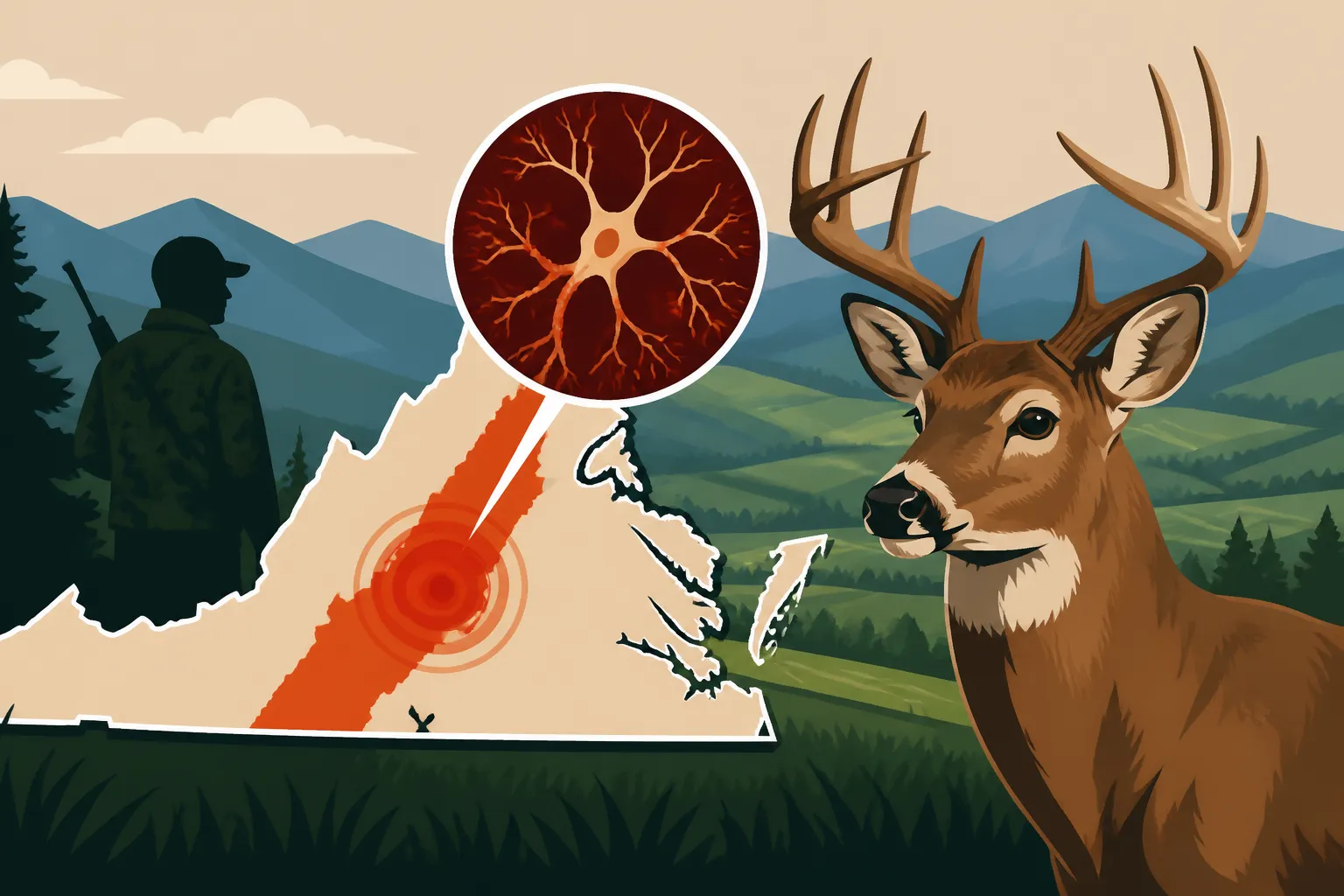
Within the Shenandoah Valley, several counties have been designated as part of a CWD Disease Management Area (DMA), primarily DMA1. This designation means these counties have confirmed positive CWD cases and are subject to special regulations aimed at controlling the disease. Frederick County, as the initial point of detection, has been at the forefront of this effort. Other counties like Clarke, Warren, and Shenandoah have also seen increasing numbers of positive cases over the years. You might be interested to know Which County Sits at the Center of DMA1 for reference.
The DWR continuously updates the status of these counties, sometimes expanding the DMA boundaries or adjusting regulations based on new findings. This proactive approach means that the list of affected counties and the specific rules can evolve. Hunters need to stay vigilant and check the most current DWR regulations before each season. For example, some counties might have specific rules about carcass movement or mandatory sampling, which we'll discuss further. The more widespread the disease becomes, the broader the impact on local hunting practices. This dynamic situation is why staying informed is critical for any hunter planning to pursue deer in the Shenandoah Valley.
Impacts on Deer and Hunting Practices
CWD isn't just a concern for biologists; it directly impacts the very deer we pursue and the way we go about hunting them. From the health of the herd to the regulations that dictate our actions, this disease has reshaped deer hunting in the Shenandoah Valley. Ignoring these impacts isn't an option; adapting to them is part of being a responsible hunter.
Health of the Deer Population
The most profound impact of CWD is, of course, on the deer themselves. While it can take a long time for an infected animal to show symptoms, the disease is ultimately fatal. As prevalence rates increase in an area, the potential for a decline in overall deer health and even population numbers becomes a serious concern. Imagine a percentage of the herd slowly wasting away, unable to reproduce effectively or avoid predators. This can lead to a less robust, less healthy deer population over time. While Virginia's deer herd remains healthy overall, localized impacts in high-prevalence areas are a real possibility.
Beyond the direct mortality, CWD can also influence other aspects of deer behavior and physiology. Infected animals might be more susceptible to other diseases or environmental stressors. It's a complex ecological domino effect. This is why population management is so critical; reducing deer densities in CWD-positive areas can help slow the spread of the disease by minimizing deer-to-deer contact. It's a balancing act: ensuring healthy populations while mitigating the spread of a deadly disease.
Mandatory Testing and Carcass Regulations
Hunting within a CWD Disease Management Area (DMA) means you'll encounter specific rules designed to curb the disease's spread. One of the most significant changes for hunters has been the implementation of mandatory CWD testing. If you harvest a deer in a designated DMA, particularly DMA1 Shenandoah Valley Rules areas, you are often required to bring your deer to a DWR CWD sampling station during specific periods. This helps the DWR gather the data they need to track prevalence and distribution, but it does add an extra step to your hunting day.
Alongside testing, there are strict Virginia Carcass Movement Restrictions in place. The concern here is that prions can be present in certain parts of the deer carcass, such as the brain, spinal cord, and lymph nodes. Moving these high-risk parts out of a DMA could inadvertently spread the disease to new, unaffected areas. This means hunters are generally required to debone their deer or process it within the DMA, leaving the skull plate, spinal column, and other specified parts behind. It requires planning, especially if you live outside the DMA and want to transport your venison home. Many hunters have adapted by learning to field-process their deer more thoroughly at the kill site or at a local processor within the CWD zone.
Hunting Strategies in a CWD Zone
Hunting in a CWD-affected area might require a slight shift in your approach, but it doesn't mean you can't still enjoy a successful and ethical hunt. One key aspect of hunting in a CWD zone is focusing on antlerless deer harvest. Reducing the overall deer population density, especially antlerless deer, is a primary strategy for controlling the spread of the disease. This means filling those doe tags becomes even more important for herd health. It's a proactive way to contribute to disease management efforts.
Furthermore, awareness of sick-looking animals is paramount. If you observe a deer exhibiting advanced CWD symptoms—extreme emaciation, stumbling, or unusual behavior—it's crucial not to harvest it unless specifically authorized by the DWR. Instead, you should immediately report the sighting to the DWR. This helps wildlife officials investigate and remove sick animals from the population, preventing further spread and allowing for proper testing. Using tools like the GoHunt app or the Virginia DWR app can help you identify CWD zones and reporting mechanisms quickly. Remember, the goal is to manage the disease, not to eliminate the deer. By adapting your hunting strategies, you become a part of the solution.
Living and Hunting with CWD: A Community Approach
CWD isn't going away overnight, and living with its presence means a collective effort from hunters, landowners, and wildlife agencies. It's about informed decisions, responsible practices, and a commitment to the long-term health of Virginia's deer herd. We're all in this together, especially those of us who cherish the hunting heritage of the Shenandoah Valley.
Hunter's Role in CWD Management
As hunters, we are on the front lines of wildlife management, and our role in combating CWD is absolutely critical. Participating in mandatory CWD testing is one of the most direct ways you can help. Every sample collected provides valuable data that guides DWR's management decisions. Think of it as your civic duty to the deer herd; your participation directly informs conservation efforts.
Beyond testing, reducing localized deer densities, particularly in high-prevalence areas, is a powerful tool. By harvesting antlerless deer within the established bag limits, you're helping to keep the herd at a sustainable level, which can reduce deer-to-deer contact and slow the transmission rate of the disease. It might mean shifting your focus from solely looking for that trophy buck to also contributing to population management. Additionally, adhering strictly to carcass movement restrictions helps prevent the accidental spread of prions to new areas. These actions are vital components of the DWR's overall strategy and underscore the importance of responsible hunting.
Staying Informed and Utilizing Resources
The CWD situation is dynamic, with regulations and zones occasionally changing as new data emerges. Therefore, staying informed is paramount. The Virginia Department of Wildlife Resources (DWR) website is your go-to source for the most current information, including updated CWD zone maps, regulations, and testing station locations. Before each hunting season, make it a point to review the latest CWD guidelines relevant to the counties you plan to hunt. You can also utilize tools like Scouting With the Virginia DWR App to help you stay current on regulations and even report sick deer.
Many regional DWR offices also offer informational sessions or updates, which can be a great way to get your questions answered directly. Engaging with local hunting clubs or online forums can also help you stay abreast of local conditions and discussions around CWD. Companies like GoHunt provide mapping solutions that can sometimes integrate regulatory boundaries, making it easier to visualize CWD zones when you're planning your hunt. The more informed you are, the better equipped you'll be to make responsible decisions in the field.
Safe Practices for Consumption and Handling
One of the most common questions hunters have about CWD is, "Is the meat safe to eat?" While there have been no confirmed cases of CWD transmission to humans, public health officials, including the Centers for Disease Control and Prevention (CDC), recommend not eating meat from CWD-positive animals. This is a precautionary measure to err on the side of caution. For this reason, getting your deer tested, especially if harvested within a DMA, provides peace of mind. Information on Virginia CWD Testing for Hunters is readily available through the DWR.
When field dressing and processing your deer, especially in a CWD-affected area, it's wise to take some extra precautions. Wear rubber or latex gloves and minimize contact with high-risk tissues like the brain, spinal cord, spleen, and lymph nodes. Use separate knives for field dressing versus butchering, or thoroughly clean and disinfect your tools between tasks. And remember, strictly follow all carcass disposal regulations for your specific DMA. This often means leaving high-risk parts at the harvest site or designated disposal points. For those who process their own deer, understanding Handling Venison From a Disease Management Area properly is key to both safety and compliance.
By staying informed, adapting your hunting practices, and participating in DWR's efforts, you play a vital role in the ongoing management of CWD in the Shenandoah Valley. It's a challenge, but one that the Virginia hunting community can face together, preserving our deer herds and hunting heritage for generations to come.
Here's a quick overview of CWD considerations for hunters in the Shenandoah Valley:
| Action / Consideration | Hunting Inside a CWD Disease Management Area (DMA) | Hunting Outside a CWD DMA (but near one) |
|---|---|---|
| Mandatory CWD Testing | Often required for harvested deer. | Voluntary testing encouraged. |
| Carcass Movement | Strict restrictions: debone/process within DMA. | No restrictions, but be mindful of prions. |
| Focus of Harvest | Emphasize antlerless deer to manage density. | Focus on DWR bag limits and regulations. |
| Sick Deer Sighting | Immediately report to DWR. | Immediately report to DWR. |
| Venison Consumption | Avoid if deer tests CWD-positive. Test if possible. | Test if concerns exist; generally safe. |
| Field Dressing/Processing | Wear gloves; minimize contact with high-risk tissues. | Good practice regardless. |
| Staying Informed | Absolutely critical; check DWR updates frequently. | Still very important for future changes. |
Disclaimer
This article is for general informational purposes only and does not constitute professional advice. Laws, prices and regulations vary by location and change over time. Consult a qualified professional for guidance on your specific situation.