Feral Swine Sightings in Southwest Virginia
The quiet beauty of Southwest Virginia, with its rolling mountains and serene hollows, faces an insidious threat that often lurks unseen in the dense timber and creek bottoms: feral swine. These invasive animals aren't just a nuisance; they're a destructive force that impacts everything from native wildlife habitat to agricultural livelihoods. If you've heard whispers or seen signs of these elusive creatures, you know the frustration and concern they bring. This comprehensive guide is here to shed light on feral swine sightings in Southwest Virginia, helping you understand their impact, identify their presence, and learn how we can all play a part in managing this challenging issue.
Understanding the Feral Swine Threat in Southwest Virginia
Feral swine, often called wild hogs, razorbacks, or simply wild pigs, are a growing concern not just in Virginia, but across many states. In Southwest Virginia, their presence is particularly problematic due to the region's diverse ecosystems and agricultural importance. These aren't just farm animals gone astray; they are a truly invasive species with significant negative consequences.
The Growing Presence of Feral Swine
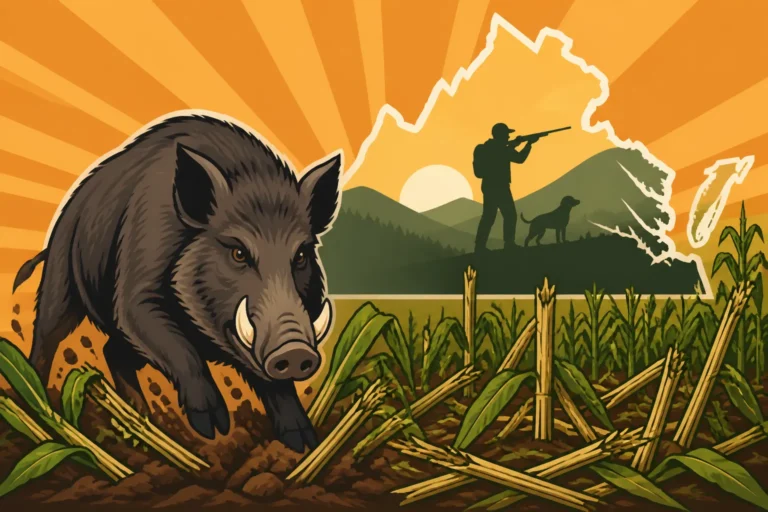
The sheer destructive potential of feral swine makes their increasing presence in Southwest Virginia a serious issue. They are ecological engineers of the worst kind, rooting up acres of land in a single night, turning pristine forest floors and delicate stream banks into barren, tilled landscapes. This isn't just unsightly; it destroys the habitat and food sources for native wildlife, from ground-nesting birds and small mammals to deer and turkeys. Imagine a turkey hen losing her entire nest to a foraging hog, or a deer struggling to find vital acorns after a sounder has churned through the forest. Their rapid reproduction rates mean that a small population can explode quickly, making control efforts an uphill battle. A single sow can have multiple litters in a year, with each litter potentially containing a dozen piglets. This exponential growth makes eradication incredibly difficult once they establish a foothold.
How Feral Swine Arrived and Spread
The origins of feral swine in Virginia are often a mix of stories. Historically, many feral populations started from domestic pigs that either escaped from farms or were intentionally released into the wild for hunting purposes, sometimes decades or even centuries ago. These animals, once free, quickly adapted to the wild, developing thicker hides, longer snouts, and impressive tusks. In more recent times, some populations have been introduced through illegal transport, where individuals move hogs from established populations in other states into new areas, often with the misguided intent of creating new hunting opportunities. This practice is incredibly irresponsible and dangerous, accelerating the spread of these destructive animals.
Southwest Virginia's rugged terrain, dense forest cover, and abundant water sources provide ideal conditions for feral swine to thrive and expand their range. They are incredibly adaptable, able to survive in a variety of habitats, from mountain hollows to agricultural fields. They follow river drainages and creek bottoms, using these natural corridors to move silently and efficiently across vast landscapes. Understanding How Wild Hogs Spread Across Virginia highlights that these animals are not static; they are constantly pushing into new territories, making regional containment a significant challenge. The dense cover offers them refuge from predators and hunters, while the abundance of natural food sources like acorns, roots, and insects, combined with agricultural crops, provides a continuous buffet. This adaptability, coupled with their intelligence, makes them formidable invaders. We’ve touched on how their populations expand rapidly, and it’s a biological fact that Why Piedmont Hogs Reproduce So Fast isn't just a Piedmont issue; it's a characteristic of feral swine across the state, including the southwest.
Identifying Feral Swine and Their Sign
One of the biggest hurdles in managing feral swine is their elusive nature. They are often nocturnal and incredibly wary, making direct sightings rare for most people. However, these animals leave behind a trail of unmistakable clues that can help confirm their presence. Knowing what to look for is the first step in reporting and addressing the issue.
What to Look For: Appearance and Behavior
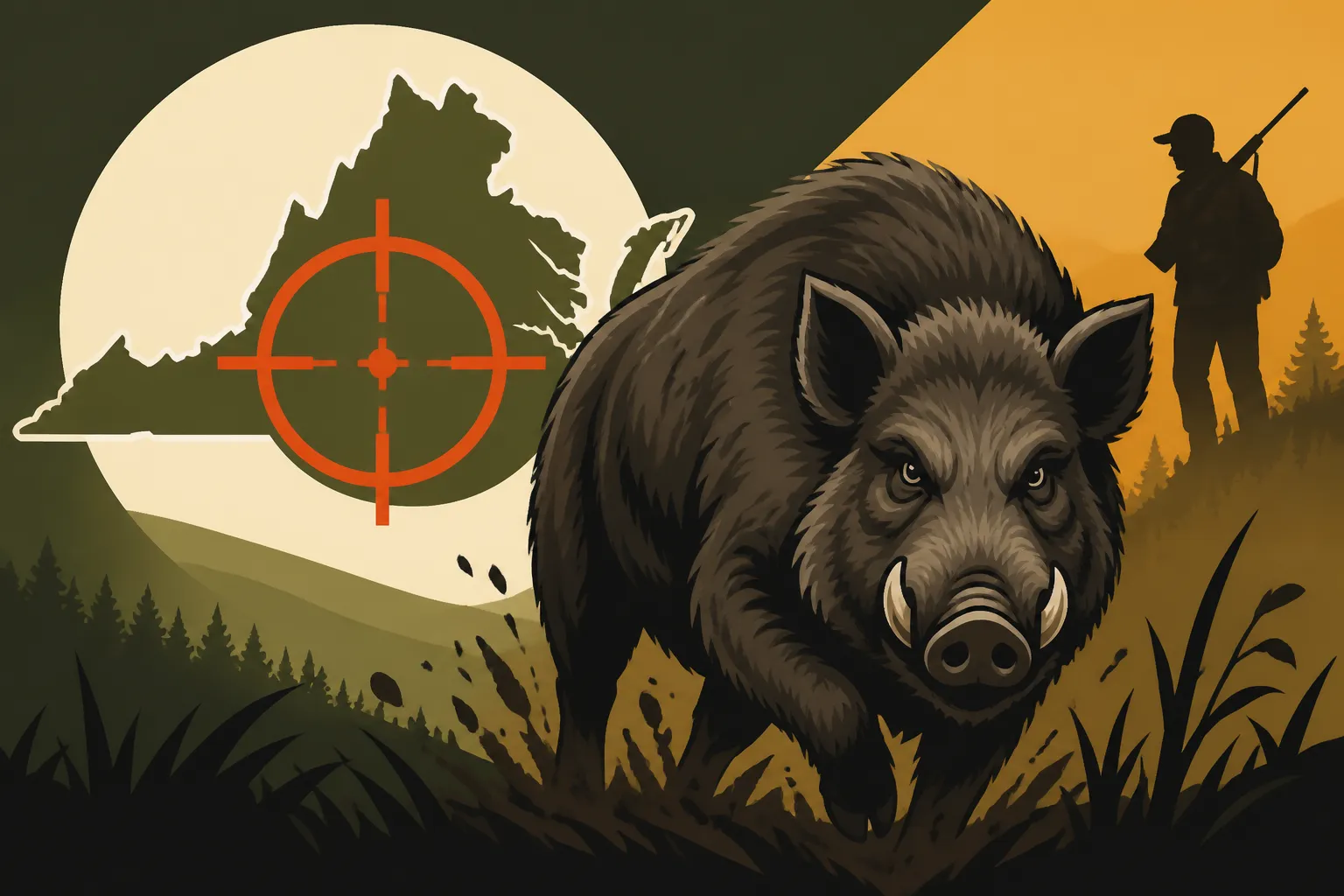
Feral swine can vary widely in appearance, often reflecting their mixed domestic ancestry. They range in color from black, brown, and grey to spotted or striped (especially younger piglets). Adult hogs can weigh anywhere from 100 to over 400 pounds, with boars developing impressive tusks that protrude from their mouths, used for defense and fighting. Their coats are typically coarse and bristly, and they have longer snouts and leaner bodies than their domestic counterparts. While distinguishing them from domestic pigs at a glance might seem tricky, feral hogs usually appear wilder, often with hair standing up along their spine, giving them a more aggressive silhouette. They typically move in family groups called "sounders," led by an older sow. Solitary boars are also common, especially older, larger individuals. If you do catch a glimpse, observe their movement – they are surprisingly agile and fast.
Recognizing Tracks, Rooting, and Wallows
Since direct sightings are rare, learning to identify the "sign" they leave behind is crucial. Feral swine tracks are distinct, appearing similar to deer tracks but with a few key differences. Both have cloven hooves, but hog tracks are typically wider and more rounded, with the dewclaws (the two small toes higher up on the leg) often leaving impressions, especially in soft ground. Deer tracks, while also cloven, are usually more pointed and typically only show dewclaw marks when the animal is running or in very deep mud.
Feral Swine vs. Deer Track Comparison
| Feature | Feral Swine Track | Deer Track |
|---|---|---|
| Shape | Wider, more rounded | More pointed, heart-shaped |
| Dewclaws | Often visible, even at a walk in soft ground | Rarely visible, only when running or in deep mud |
| Size | Highly variable, can be quite large | Variable, but generally smaller than large hogs |
| Stride | Often shorter, "shuffling" appearance | Typically longer, more purposeful |
| Overall Look | Heavy, blunt, often a "pigeon-toed" appearance | Graceful, delicate, athletic |
Perhaps the most obvious and widespread sign of feral swine is "rooting." These animals use their powerful snouts to dig up soil, searching for roots, tubers, grubs, and fungi. This activity creates extensive areas of disturbed ground, looking as if a rototiller has been through the area. You'll see upturned soil, disturbed vegetation, and often completely destroyed plant beds. The level of destruction can be shocking. This rooting behavior significantly contributes to Feral Hog Diet and Rooting Damage, which affects soil integrity, water quality, and plant diversity.
Wallows are another clear indicator. Hogs love to wallow in mud and water, especially during warmer months, to cool down and rid themselves of parasites. These wallows appear as muddy depressions in the ground, often near water sources like creeks, ponds, or even damp low spots in fields. You might also find "rub trees" nearby, where hogs rub against trees, fence posts, or rocks to scratch themselves and deposit scent. These rub marks will often be muddy and may have coarse bristles stuck to them. When you combine rooting with wallows and possibly tracks, you can be quite confident you're dealing with feral swine.
The Impact of Feral Swine on Virginia's Ecosystem and Agriculture
The presence of feral swine in Southwest Virginia is not just an inconvenience; it represents a serious threat to both the natural environment and the economic stability of local farming communities. Their destructive habits and prolific breeding make them a formidable adversary that demands attention.
Ecological Damage and Native Wildlife
Feral swine are ecological bulldozers. Their incessant rooting activity profoundly alters soil structure, leading to increased erosion, especially on steep slopes and along stream banks, which is common in Southwest Virginia. This erosion degrades water quality, silting up streams and impacting aquatic life. Beyond the physical destruction of habitat, feral swine are voracious omnivores that compete directly with native wildlife for critical food sources. Acorns, a vital food source for deer, bear, and turkey, are a particular favorite of hogs. When a sounder moves through an oak flat, they can consume the mast crop in short order, leaving little for other species.
Even more concerning is their role as direct predators. Feral swine will prey on the fawns of white-tailed deer, turkey poults, and the nests of ground-nesting birds like grouse and quail. This predation can have a significant negative impact on already vulnerable populations. We've seen how Virginia Predator Impact on Fawn Recruitment can be a major factor in deer herd health, and feral hogs add another layer to that pressure. They disrupt delicate ecosystems, introducing non-native diseases and destroying plant communities that have evolved over millennia. They're a true menace to the biodiversity of our wild spaces.
Agricultural Losses and Disease Concerns
For farmers in Southwest Virginia, feral swine are not just a wildlife issue; they are an economic disaster waiting to happen. Hogs will invade agricultural fields, rooting up row crops like corn, soybeans, and peanuts. They can destroy an entire field in a single night, leaving behind a trail of damaged crops and frustrated landowners. The financial losses can be staggering, impacting a farmer's livelihood and the agricultural economy of the region. The article on Crop Damage Hogs Cause in Virginia highlights these significant financial burdens that these animals place on farmers across the Commonwealth.
Beyond crop destruction, feral swine are carriers of numerous diseases that pose a severe threat to both domestic livestock and native wildlife populations. Diseases such as pseudorabies, brucellosis, leptospirosis, and even certain strains of E. coli can be transmitted from feral hogs to cattle, sheep, and other farm animals, leading to illness, reproductive problems, and potentially devastating economic losses for livestock producers. While not directly related to swine, the general concern for wildlife health, such as Avian Influenza in Virginia Birds, underscores the interconnectedness of disease management across all species. Hunters handling feral swine also face a risk of contracting some of these diseases, emphasizing the need for proper handling precautions. This makes their presence not just an ecological concern but a public health and agricultural bio-security threat as well.
Reporting and Managing Feral Swine Sightings
Effectively addressing the feral swine problem in Southwest Virginia requires a coordinated effort, and that starts with accurate reporting from the public. While it might seem daunting, your observations are a critical piece of the puzzle for wildlife management professionals.
The Importance of Reporting
If you've seen a feral hog or their sign—be it rooting, tracks, or wallows—it's incredibly important to report it to the Virginia Department of Wildlife Resources (DWR). Every sighting helps DWR biologists and game wardens map their movements, understand their population distribution, and allocate resources more effectively. These animals are masters of stealth, and often, the public's eyes and ears are the best defense against their further spread.
Reporting is typically done through the DWR's official website or by contacting your local DWR office. They usually have a dedicated system for reporting invasive species or nuisance wildlife. When you report, try to be as specific as possible: include the date and time of the sighting, the exact location (GPS coordinates are ideal if you have them), what you saw (individual hog, sounder, rooting, tracks), and any other pertinent details. While out scouting or hunting, having a mapping tool like GoHunt on your phone can be invaluable. It allows you to pinpoint exact locations of sign, mark them, and recall them later when making your report. Utilizing modern technology like Scouting With the Virginia DWR App can greatly assist in this process, streamlining the reporting of these critical observations.
Management Strategies and Hunter Involvement
The DWR employs a multi-faceted approach to feral swine management, focusing on containing their spread and reducing existing populations. The primary methods include targeted trapping, which is often the most effective way to remove large numbers of hogs, and regulated hunting. Hunters play a crucial role in these management efforts. In Virginia, feral hogs can be hunted year-round on private land, with landowner permission, and often without bag limits, as they are not considered a game species but an invasive nuisance. Hunters provide an essential service by helping to reduce populations through ethical and legal means.
Methods like Trapping Virginia Feral Hogs involve setting up large corral traps designed to capture entire sounders. This is a highly specialized and effective technique, often requiring DWR involvement or guidance. For individual hunters, strategic hunting efforts can also contribute. This might involve Night Hunting Hogs With Lights on Private Land where legal, using thermal or night vision optics to target their nocturnal movements. Another approach is still-hunting or stand hunting specific areas where sign is consistently found, especially near food sources or water. When Hunting Virginia's Year-Round Feral Hogs, understanding their patterns and behaviors is key. These animals are intelligent and learn quickly, so varying tactics and applying consistent pressure are important for successful management. Ultimately, the goal is not just to harvest an animal, but to contribute to the long-term health of Virginia's natural resources.
Disclaimer
This article is for general informational purposes only and does not constitute professional advice. Laws, prices and regulations vary by location and change over time. Consult a qualified professional for guidance on your specific situation.