Trapping Virginia Feral Hogs
Feral hogs are a scourge on the Virginia landscape, ripping up fields, destroying habitat, and outcompeting native wildlife. If you’ve been battling these intelligent and destructive invaders, you know the frustration of seeing your efforts seemingly vanish as they multiply. This comprehensive guide will equip you with the knowledge and strategies to effectively trap feral hogs, offering a real solution to protect your land, crops, and the delicate ecosystems they threaten.
The Destructive Force of Feral Hogs in Virginia
It's easy to dismiss a few pigs as just another nuisance, but anyone who's dealt with an established sounder knows the truth: feral hogs are an ecological and agricultural catastrophe waiting to happen. Their impact goes far beyond mere inconvenience; they represent a significant threat to Virginia's natural resources and agricultural economy.
The Ecological and Agricultural Havoc They Wreak
Imagine waking up to see your carefully planted food plot looking like a plowed field, or your perfectly manicured lawn torn to shreds overnight. That's the hallmark of feral hogs. Their incessant rooting for food can obliterate crops like corn, soybeans, and peanuts, costing farmers hundreds of thousands of dollars annually. Beyond agriculture, this rooting destroys critical habitat for ground-nesting birds, amphibians, and reptiles, disrupting entire food chains. They chew on tree roots, damage forest regeneration, and even wallow in streams and ponds, degrading water quality and impacting aquatic life.
But it's not just the visible damage. Feral hogs are opportunistic omnivores, meaning they'll eat just about anything. This includes the eggs of wild turkeys and quail, the young of white-tailed deer, and even fawns. They compete directly with native wildlife like deer, bears, and turkeys for vital food sources such as acorns, berries, and fungi, especially during lean periods. It feels like an uphill battle, a relentless assault on everything you value about Virginia's outdoors, and it's a frustration many landowners and hunters share deeply.
Then there's the silent threat: disease. Feral hogs are notorious carriers of various diseases, some of which can be transmitted to livestock, wildlife, and even humans. Brucellosis, leptospirosis, pseudorabies, and even E. coli are just a few of the pathogens they can spread. While Virginia has thankfully managed to keep Chronic Wasting Disease (CWD) largely confined to certain areas, the potential for feral hogs to act as vectors and spread such diseases further is a serious concern. Their presence complicates wildlife management and adds another layer of anxiety for those trying to maintain healthy ecosystems.
Why Trapping Surpasses Other Control Methods
You've probably tried hunting them, right? Shot a few, maybe even got a whole family once, but they just keep coming back. That's because while recreational hunting can certainly remove individual animals, it's largely ineffective for population control when it comes to feral hogs. These animals are incredibly intelligent, wary, and quick to adapt. If you shoot a few members of a sounder, the survivors quickly become "trap-shy" and "hunter-wise," scattering and becoming much harder to deal with. It's often referred to as the "kill one, educate twenty" problem. They'll adjust their patterns, become more nocturnal, and avoid areas where they've encountered danger.
This is where trapping becomes the indispensable tool in your arsenal. Unlike sport hunting, which often targets individual animals, effective trapping aims to remove entire sounders at once. Because feral hogs are highly social animals, especially the sows and their offspring, capturing the whole group prevents the remaining animals from simply reproducing and repopulating the area. It allows for a sustained, impactful reduction in local populations, giving the land a chance to recover. Without a comprehensive trapping strategy, you're often just trimming the branches of a tree that's growing roots faster than you can prune.
The long-term solution to Virginia's feral hog problem relies heavily on strategic, sustained trapping efforts. While spotlighting (where legal) and targeted shooting can play a role in reducing immediate damage or removing specific individuals, they rarely address the core population issue. For a deeper dive into the specific rules for tackling these animals, you can check out the guide on Virginia Feral Hog Regulations which outlines what's permissible.
Decoding Feral Hog Behavior for Trapping Success
To beat a wily opponent, you first have to understand them. Feral hogs are cunning, and their success as an invasive species in Virginia is a testament to their intelligence and adaptability. Learning their social structures, movement patterns, and feeding habits is the cornerstone of any successful trapping operation.
Understanding Sounder Dynamics and Social Structures
Feral hogs aren't solitary creatures, at least not usually. They live in family groups called "sounders," typically led by an older, experienced matriarchal sow. These sounders consist of several generations of sows and their offspring, ranging from a few individuals to twenty or more. Boars, on the other hand, often live more solitary lives, only joining a sounder for breeding purposes. This social dynamic is absolutely crucial for trapping. If you only catch a few hogs from a sounder, the remaining members will become incredibly wary and nearly impossible to trap later. Your goal, therefore, must always be to capture the entire sounder.
The matriarch sow is the key. She dictates the sounder's movements, feeding times, and overall behavior. If she's cautious, the whole sounder will be cautious. If she's comfortable with a bait site, the sounder will follow suit. Trapping efforts need to focus on gaining the trust of this lead sow. This often means extended pre-baiting periods, allowing the entire group to become completely habituated to feeding at a specific location before the trap is ever closed. For insight into their unique characteristics, it's worth exploring Virginia Feral Swine Genetics and Origin.
Movement Patterns, Bedding, and Foraging Habits
Feral hogs are often thought of as purely nocturnal, and while they are certainly active under the cover of darkness, they can also be found moving and feeding during cooler daylight hours, especially in areas with low human pressure. Their movements are largely dictated by food, water, and cover. They often utilize established "travel corridors" – pathways of least resistance like creek bottoms, old logging roads, fencelines, and dense forest edges. These corridors connect their bedding areas to their foraging sites and water sources.
When scouting for hogs, look for these tell-tale signs: fresh rooting, wallows (muddy depressions they use to cool off and remove parasites), rubs on trees, and tracks. Pay close attention to creek beds, as these not only offer a reliable water source but also serve as natural highways for hog movement. Thick, dense cover, like pine thickets, impenetrable briar patches, or swampy areas, are prime bedding locations where they feel secure. Knowing how to interpret these signs, much like you would when Reading Virginia Mud for Fresh Deer Movement, will help you pinpoint the best locations for your traps.
Their foraging habits are incredibly broad. They are true omnivores and will feast on acorns, roots, tubers, mushrooms, insects, carrion, and, of course, agricultural crops. This adaptability makes them incredibly resilient. Understanding what's available seasonally will help you choose the most enticing bait for your trapping efforts. For instance, if acorns are abundant, it might be harder to pull them to a bait site than during a lean year. They'll also exploit Late-Season Food Sources for Virginia Whitetails if deer aren't getting to them first.
Choosing the Right Trap for Your Virginia Landscape
Selecting the appropriate trap is paramount to success. There's no one-size-fits-all solution, as the best trap depends on your specific situation: the size of the sounder you're targeting, your budget, the terrain, and how much monitoring you can commit to.
Large Corral Traps for Sounder Capture
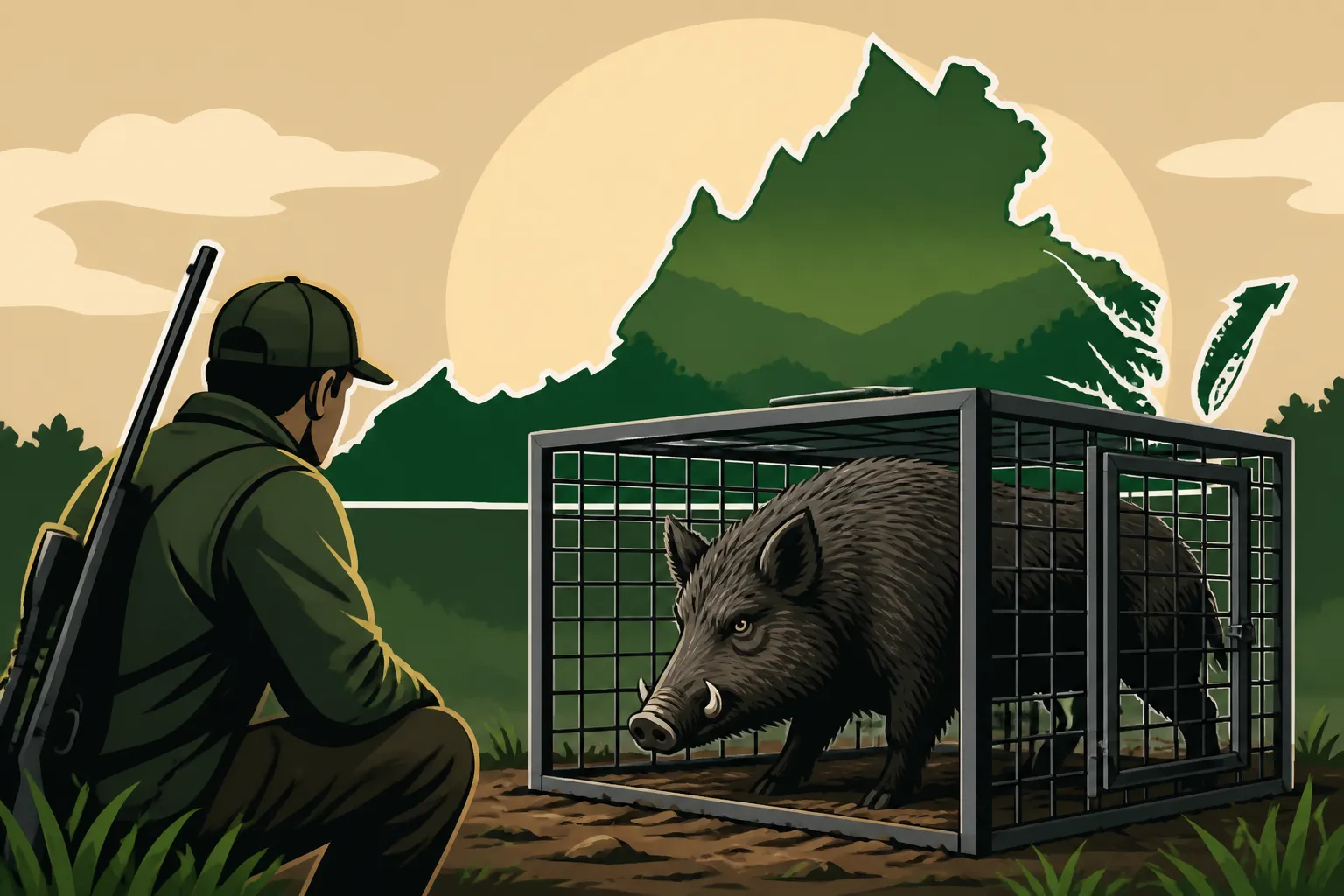
When it comes to serious, large-scale hog eradication, the large corral trap is your undisputed champion. These traps are designed to catch an entire sounder – sometimes 20, 30, or even more hogs – in a single event. Typically circular or square, they range from 15 to 30 feet in diameter, constructed from heavy-gauge hog panels or cattle panels. The sheer size allows the whole sounder to enter and feed comfortably, which is critical for overcoming their inherent wariness.
The effectiveness of a corral trap hinges on its gate mechanism. Popular choices include:
- Rooter Gates: These gates swing inward and are designed to be pushed open by hogs entering to feed. Once inside, they can't push the gate back out. They're simple but can sometimes allow smaller hogs to escape.
- Drop Gates: These gates are held open and then "dropped" or triggered by a remote mechanism (often a cellular trail camera or a tripwire). This allows you to wait until the entire sounder is inside before sealing them in.
- Saloon Gates: Similar to rooter gates, but often two-part, allowing easier entry and making escape harder.
The main advantages are clear: high capacity and the ability to remove entire sounders, which is essential for actual population reduction. However, they come with disadvantages. Corral traps are expensive to build or buy, often costing anywhere from $800 to several thousand dollars. They are also heavy and cumbersome, requiring significant effort and often multiple people to transport and set up. Once deployed, they are not easily moved. But if you're serious about taking a big bite out of your local hog population, especially on larger tracts of land, this is the primary tool to consider.
Drop Nets and Box Traps for Specific Scenarios
While corral traps are the heavy artillery, other trap types serve specific niches and can be incredibly effective when deployed correctly.
Drop Nets: Imagine a large net suspended over a bait site. This is a drop net. When hogs are actively feeding beneath it, the net is triggered, usually remotely via a camera system, dropping down and entrapping the entire group. Drop nets are fantastic for extremely wary hogs that might be hesitant to enter a physical enclosure. They offer the advantage of precise timing, allowing you to wait until every hog in the sounder is present before deployment. However, they require a clear overhead space for deployment, the cost can be similar to or even exceed some corral traps when factoring in the remote trigger systems, and resetting them after a capture can be time-consuming. They're often used by wildlife agencies or experienced private landowners with the resources to manage them.
Box Traps: These are your more traditional, smaller, cage-like traps. They're typically single-catch or small-group traps, often measuring around 3x3x8 feet. Box traps are more portable and less expensive than corral traps, making them ideal for smaller properties or targeted removal of individual problem hogs. If you're managing hogs on Hunting Small Private Tracts in Virginia, a box trap might be a more practical and less intrusive option than a massive corral. They are usually triggered by a tripwire or a rooter door.
The downside of box traps is their limited capacity. You're unlikely to catch an entire sounder in a single box trap, meaning you'll still have wary hogs remaining after a capture. This can make them less effective for overall population control, but excellent for removing a lone boar or a small group of juveniles. The decision often comes down to balancing portability and cost with the ultimate goal of removing as many hogs as possible in one go.
| Trap Type | Pros | Cons | Best Use Case | Estimated Cost (Materials/Basic Kit) |
|---|---|---|---|---|
| Corral Trap | High capacity, catches entire sounders, effective for population reduction | Expensive, heavy, requires significant effort to move/set up, less discrete | Large properties, serious population eradication | $800 – $3,000+ |
| Drop Net | Catches wary hogs, precise remote triggering, less structural "trap shy" issues | Requires clear overhead space, complex setup, can be costly with remote gear | Extremely wary sounders, specific groups, low-pressure areas | $500 – $1,500+ (net + trigger) |
| Box Trap | Portable, lower cost, easier to deploy/move, good for smaller areas | Low capacity (single/small group), hogs can become trap shy to smaller traps | Small private tracts, removing individual problem hogs | $150 – $500 |
Mastering Pre-Baiting and Bait Selection
You can have the best trap in the world, but if the hogs aren't comfortable entering it, it's just an expensive piece of yard art. This is where pre-baiting comes in – it's the most critical phase of any successful trapping operation. It's about patience, observation, and understanding what makes a hog drop its guard.
The Art of Attracting and Habituation
Pre-baiting is essentially a psychological game. You're trying to convince a naturally wary animal that a specific spot is safe and bountiful. This process begins by placing bait directly on the ground in the desired trap location, without the trap being present or with the trap completely open and secured so it cannot close. The goal here is to establish a regular feeding pattern, letting the sounder find the food, eat it, and leave unharmed. This builds their confidence in the site.
Once they're hitting the bait consistently, you then introduce the trap. Set it up fully, but keep the gate open and wired back. Continue baiting heavily, spreading the bait outside and inside the trap. This allows the hogs to walk in and out freely, getting used to the structure and realizing it poses no threat. They'll eventually become so comfortable that they ignore the trap walls altogether. This habituation period can take days, or even several weeks, especially if the hogs are particularly cautious or have had previous negative experiences. Rushing this phase is the single biggest mistake trappers make, as it can make hogs trap-shy and undo all your hard work. Patience, my friend, is your greatest weapon here.
Baiting Strategies and Preferred Hog Delicacies
When it comes to bait, feral hogs aren't terribly picky, but some options are far superior at drawing them in. The undisputed champion of hog bait is sour corn, also known as fermented corn. Its pungent, yeasty aroma carries a long distance, attracting hogs from far and wide. You can make it yourself by soaking shelled corn in water for several days (adding a little sugar can speed up fermentation), or buy commercial versions. The fermentation process breaks down some of the starches, making it more digestible and even more appealing to hogs.
Other effective baits include:
- Commercial Hog Attractants: Many companies, like GoHunt's partners, offer highly concentrated liquid or granular attractants designed to appeal to a hog's keen sense of smell. These can be used to supplement sour corn or to start a new bait site.
- Overripe Fruits and Vegetables: Melons, peaches, tomatoes, and old produce can be incredibly attractive, especially during warmer months. The sweetness and soft texture are hard for hogs to resist.
- Pet Food/Carcasses: Old dog food, cat food, or even roadkill can draw hogs in due to the strong scent and protein content, though be mindful of scavenging by other animals.
The strategy for bait placement is also important. Initially, spread bait broadly around the chosen trap site to maximize the chances of hogs finding it. As they become accustomed to the area, gradually concentrate the bait closer to and then entirely inside the trap. This trains them to enter the enclosure for their meal. Ensure you're baiting consistently and heavily enough to sustain their interest without leaving them hungry. A small amount of bait will not hold a sounder's attention for long. You want them to associate this spot with an abundant, easy meal every time they visit. To get a better understanding of what other game animals might be looking for, you might want to read about Virginia's Year-Round Hog Rule on Private Land.
Setting Up, Monitoring, and Managing Your Trap Site
Once you've chosen your trap and perfected your baiting strategy, the next critical steps involve the physical setup of the trap, vigilant monitoring, and the humane, ethical dispatch of captured animals. This phase demands attention to detail and a commitment to responsible trapping practices.
Optimal Trap Placement and Camouflage
The location of your trap is just as important as the bait you use. Think like a hog: where would you feel safe enough to eat? As we discussed, travel corridors, areas near water sources, and established feeding grounds are prime locations. Look for areas with fresh sign – rooting, tracks, and rubs. If you're on public land, be sure to check specific WMA rules, but for private land, you have more flexibility. Place the trap along a natural funnelling point or within a thicket where hogs already feel secure.
Once the trap is in place, don't just leave it as a glaring metal structure. Camouflage is key to overcoming a hog's inherent wariness. Use local vegetation – brush, tree limbs, old logs – to break up the outline of the trap and help it blend into the natural environment. Remove any strong human scents by wearing gloves during setup and minimizing your time at the site. Hogs have an incredibly acute sense of smell, and any unnatural odor can make them hesitant to enter. The more natural the trap looks and smells, the higher your chances of success.
Consider the ground under the trap as well. If possible, choose a relatively flat, stable area. If the ground is uneven, hogs might be able to root under the trap panels and escape, or the gate mechanism might not function properly. A bit of foresight during placement can prevent frustrating escapes later on.
Remote Monitoring and Ethical Dispatch
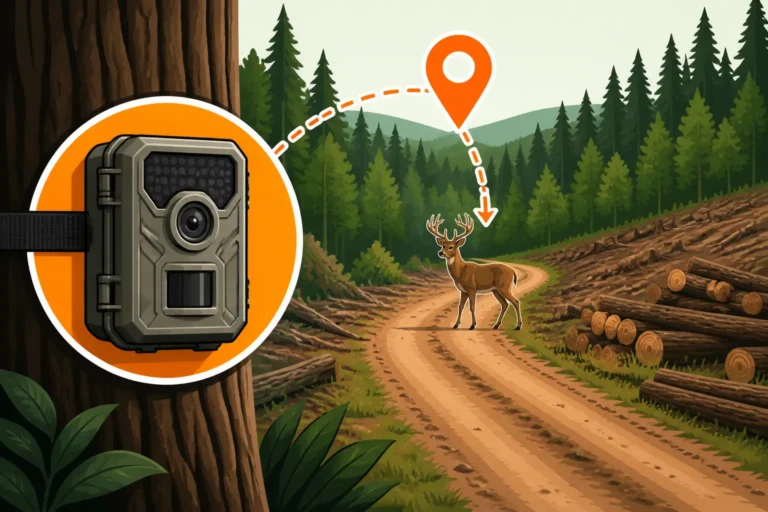
In today's world, remote monitoring is a game-changer for feral hog trapping. Cellular trail cameras, like those offered by GoHunt's trusted partners or popular brands such as Tactacam or Spartan, are invaluable. These cameras send real-time photos or videos to your phone, allowing you to observe hog activity at your bait site without disturbing it. You can see when hogs are visiting, how many are present, and whether the entire sounder has entered the trap. This information is crucial for deciding when to trigger a drop gate or close a rooter gate effectively.
Imagine monitoring your trap from home, seeing an image of the whole sounder inside the corral, and then driving out to dispatch them. This saves countless hours of checking empty traps and significantly increases your odds of catching an entire sounder. Without remote monitoring, you might close the trap prematurely, only catching a few hogs, or you might leave it open too long, risking educated hogs that learn to avoid the area. You can even use these cameras for general Trail Cameras on Virginia Public Land scouting for other game. If your trapping efforts are targeting areas where hogs are mostly active after sunset, technologies like those mentioned in Night Hunting Hogs With Lights on Private Land can further enhance your monitoring capabilities.
Once hogs are captured, ethical and humane dispatch is paramount. Approaching a trap with live feral hogs requires extreme caution; they can be incredibly aggressive and dangerous. Use a firearm (a .22LR to the head is often sufficient for hogs in a confined space, or a larger caliber if necessary) to dispatch them quickly and humanely. Aim for the head (between the eyes or slightly behind the ear) or the heart-lung area to ensure a swift kill. Always have a clear escape route and never enter the trap with live hogs. The goal is efficient removal, not prolonged suffering.
Navigating Virginia's Feral Hog Regulations and Best Practices
Dealing with feral hogs isn't just about bait and traps; it's also about understanding the rules and adopting practices that ensure effectiveness, safety, and respect for the environment and other landowners. Virginia's approach to feral hogs reflects their invasive status, but there are still guidelines to follow.
Virginia DWR Rules for Feral Hog Management
In Virginia, feral hogs are classified as an invasive, nuisance species, not as game animals. This means the Virginia Department of Wildlife Resources (DWR) encourages their removal. On private land, you can typically hunt and trap feral hogs year-round, with no bag limits, using a variety of legal methods. This freedom is a direct reflection of the DWR's stance on controlling their spread and impact. For comprehensive details, be sure to consult the official Virginia Feral Hog Regulations.
However, the rules for trapping can vary slightly depending on the specific property or public land. While trapping is generally permitted on private land, if you plan to trap on any public land (such as Wildlife Management Areas or National Forests), you must check with the specific land management agency (DWR, Forest Service) for their regulations. Some public lands may have restrictions on trap types, locations, or even require special permits. Always do your homework to avoid any legal issues. It’s important to know your local county rules as well, as some counties might have specific ordinances, especially regarding firearms discharge.
Best Practices for Success and Disease Prevention
Beyond legal compliance, adopting a few best practices will enhance your success and mitigate potential risks:
- Carcass Disposal: This is crucial for disease prevention. Feral hogs can carry a host of diseases, and simply leaving carcasses in the open can allow pathogens to spread to other wildlife or livestock. The best practice is to bury carcasses deeply (at least 2-3 feet) or take them to an approved rendering facility if available. Never dump carcasses near water sources or residential areas. If you're concerned about disease spread, especially in areas with known outbreaks, you might want to look into guidelines like those for Handling Venison From a Disease Management Area.
- Trap Cleanliness: After a capture, clean your trap thoroughly. This helps remove any remaining hog scent that might deter future animals and reduces the risk of disease transmission. A simple wash-down with water and a mild disinfectant can go a long way.
- Reporting and Collaboration: While not always mandatory, consider reporting significant captures to the Virginia DWR. This data helps them monitor hog populations, understand their spread, and allocate resources for control efforts. Even better, collaborate with your neighbors and other landowners. Feral hogs don't respect property lines, and a coordinated trapping effort across multiple properties will be far more effective than isolated attempts. Pooling resources for a large corral trap, for example, can make a significant dent in regional populations. If you encounter any sick or unusual-looking hogs, you should always err on the side of caution and follow the guidance in Reporting a Sick Animal in Virginia.
- Check Virginia Hog Trapping Success Rates: Stay informed on what's working for other trappers in Virginia. Researching Virginia Hog Trapping Success Rates can give you insights into new techniques or baiting methods that are proving effective.
By combining an understanding of hog behavior with the right equipment, diligent monitoring, and adherence to responsible practices, you can make a genuine impact on feral hog populations in Virginia. It’s a battle, but with smart strategies, you can win.
Disclaimer
The information provided in this guide is for informational purposes only and is not a substitute for professional advice or current regulations. Hunting and trapping regulations are subject to change. Always consult the most recent Virginia Department of Wildlife Resources (DWR) regulations and local ordinances before engaging in any hunting or trapping activities. Safety should always be your top priority.