Virginia Copperhead Encounters Afield
We’ve all been there: out in the Virginia woods, focused on the rustle of leaves that might be a deer, only to glance down and realize that distinct, coppery pattern is coiled just a few feet away. A copperhead encounter can stop your heart, even if you’re a seasoned hunter. It’s a real and often unnerving part of hunting in our beautiful state, and knowing how to identify them, avoid them, and react if the worst happens is absolutely crucial. This guide will walk you through everything you need to know about navigating copperhead country safely and confidently, allowing you to focus on the hunt itself rather than constantly looking over your shoulder.
Understanding Virginia Copperheads: The Basics
Virginia is home to three venomous snakes: the timber rattlesnake, the cottonmouth (water moccasin), and the copperhead. Of these, the copperhead is by far the most common, and frankly, the one you’re most likely to stumble upon while pursuing deer, turkeys, or small game. They're often well camouflaged and sometimes quite still, leading to those startling close calls that stick with you for years. Getting familiar with their habits and appearance is your first line of defense.
Identifying a Copperhead in the Field
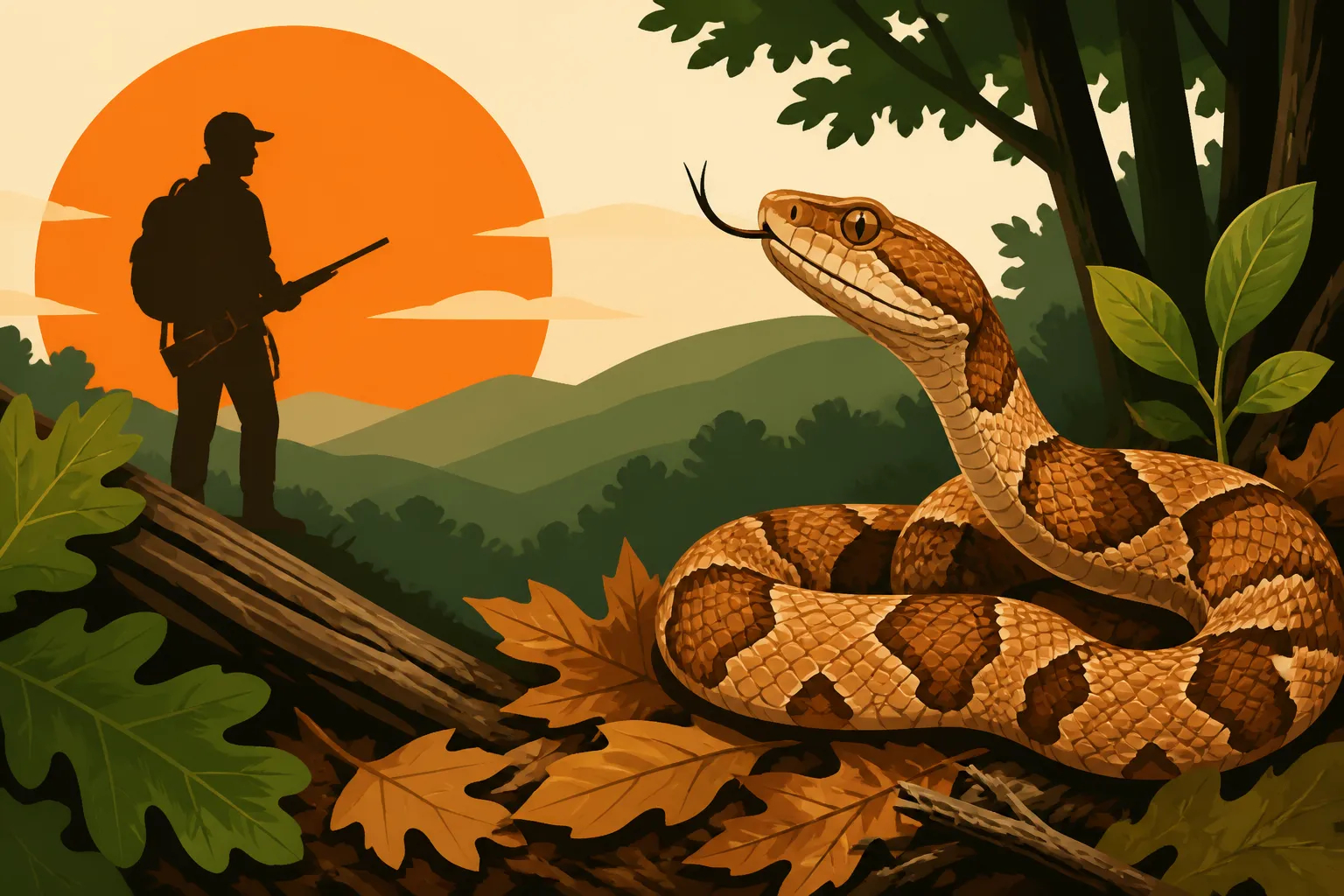
Knowing what you’re looking at is half the battle. Many non-venomous snakes are often mistaken for copperheads, leading to unnecessary fear or, worse, harm to a beneficial creature. A true copperhead, Agkistrodon contortrix, has a very distinct appearance. The most recognizable feature is its banding pattern, which often resembles an hourglass or Hershey's Kiss shape when viewed from above. These bands are usually a lighter copper or tan in the center, darkening towards the edges, set against a background of lighter tan, pinkish, or even grayish-brown.
Their heads are broadly triangular, significantly wider than their neck, which is a common trait among pit vipers. You'll also notice elliptical pupils, like a cat's eye, though seeing this from a safe distance can be tough. Young copperheads have a bright yellow or greenish tip on their tail, which they might wiggle to mimic a worm and attract prey. As they age, this color fades. If you’re ever unsure, the safest bet is to assume it’s venomous and give it a wide berth. Remember, many non-venomous snakes like corn snakes or rat snakes can have patterns and similar coloration, but they lack the distinct head shape and heat-sensing pits (tiny holes between the eye and nostril) that copperheads possess.
Where and When You're Most Likely to Encounter Them
Copperheads are true masters of camouflage and habitat use, making them prevalent across many of Virginia's diverse landscapes. You'll find them almost everywhere in the state, from the coastal plains to the foothills of the Blue Ridge. They particularly love areas that offer good cover and ambush opportunities. Think rocky outcrops, especially those with crevices for basking or denning. Piles of timber, old stumps, leaf litter, and dense brushy areas are prime spots. I've personally had close calls scouting logging roads in the Jefferson National Forest, where old timber piles provided perfect hideouts.
They also gravitate towards water sources, like creek bottoms or the edges of ponds, especially during warmer months when they might be hunting frogs or small mammals. You could be still-hunting a ridge for deer and find one basking on a sun-drenched rock, or walking a fencerow on a crisp autumn morning and nearly step on one hidden in the fallen leaves. When thinking about Hunting East of the Blue Ridge or even Hunting West of the Blue Ridge, whether you're in open fields or dense woods, copperheads are a possibility. While they are most active when temperatures are moderate—spring and fall are peak times—they can be encountered anytime from late spring through late autumn, especially during dawn and dusk. On particularly warm winter days, they might even emerge briefly from brumation (snake hibernation).
Minimizing Your Risk and Staying Safe
The best way to handle a copperhead encounter is to prevent it in the first place. A little foresight and proper gear can go a long way in reducing your chances of a dangerous situation. We spend a lot of time preparing for the hunt itself, but preparing for unexpected wildlife encounters, like with a venomous snake, is just as important.
Essential Gear and Practices for Prevention
Your footwear is arguably your most critical piece of defense against snakebite. Investing in a good pair of snake boots or gaiters is non-negotiable if you hunt in areas known for copperheads. These typically extend well past your ankle, often up to your knee, and are made from tough, puncture-resistant material. They provide a physical barrier that most snake fangs can't penetrate. While hunting Boots for Virginia Swamps and Ridges might focus on waterproofing, make sure they also offer robust protection from the unexpected. Remember, snakes often strike at the lowest point of your exposed body.
Beyond gear, your behavior in the woods is paramount. Always be aware of where you’re stepping and where you're reaching. If you’re climbing over a log, step on it first to check the other side, rather than blindly stepping over. When sitting down or placing your hands, visually inspect the area. Using a sturdy walking stick can be incredibly helpful; you can use it to test dense leaf litter or tap ahead of you, which might encourage a snake to move before you get too close. Thick, durable hunting pants can also add a layer of protection, even if they aren't fully snake-proof. I like to use my GoHunt app to mark potential snakey areas I've seen in the past – rocky ledges, old foundations, brush piles – so I can approach them with extra caution or plan routes around them when Scouting Virginia Public Land Before Season.
What to Do if You Encounter a Copperhead
Despite all your precautions, an encounter is still possible. When it happens, the most crucial thing you can do is stay calm. Panicking will only increase the risk of an accidental bite. Copperheads are generally not aggressive. They prefer to avoid confrontation, and bites usually occur when a person accidentally steps on one, tries to pick one up, or attempts to kill it.
Your best course of action is to freeze, assess the situation, and then slowly back away. Give the snake plenty of space. It will almost always choose to retreat or remain still rather than strike, especially if it doesn’t feel directly threatened. Avoid making any sudden movements that might startle it. I can't stress this enough: do not attempt to handle, harass, or kill the snake. Not only is it potentially dangerous for you, but it's also illegal in many instances, and copperheads play an important role in controlling rodent populations. Simply observe, give it a wide berth, and continue on your way once it has either moved off or you have safely bypassed it. Your hunting success isn't worth a trip to the emergency room.
If the Unthinkable Happens: Responding to a Bite
Even with the best preparation and caution, accidents can happen. Knowing what to do in the immediate aftermath of a bite can significantly impact the outcome. It's not a pleasant thought, but having a plan is crucial.
Immediate First Aid Steps (and Common Misconceptions)
If you are bitten by a copperhead, the first and most important step is to stay calm. Easier said than done, I know, but panicking will increase your heart rate, which can spread the venom more quickly. Immediately remove any jewelry or tight clothing from the bitten limb, as swelling will occur rapidly. Keep the bitten area as still as possible and, if practical, try to keep it below the level of your heart.
Your absolute priority is to seek medical attention as quickly as possible. Call 911 or head to the nearest emergency room. While en route, try to remain calm and keep the limb still. It's worth noting what not to do, as many old wives' tales about snakebite treatment are dangerous and ineffective. Do not apply a tourniquet, as this can cut off blood flow and lead to tissue damage. Do not cut the wound or try to suck out the venom—this is completely ineffective and introduces more risk of infection. Do not apply ice or heat. Do not drink alcohol or take pain medication that thins the blood. Your First Aid Kits for Remote Mountain Ground should be equipped for general emergencies, but for a snakebite, time and professional medical care are your most vital tools.
Long-Term Considerations and Prevention
Once you've received medical attention, which may involve observation, pain management, and potentially antivenom (though copperhead bites are rarely fatal, antivenom can reduce tissue damage and recovery time), the recovery process begins. Swelling, pain, and bruising are common and can last for days or weeks. Physical therapy might be necessary to regain full mobility in the affected limb. It's also a good idea to report the bite to your local wildlife authorities; this helps with Virginia Wildlife Disease Monitoring and understanding population trends, even if it's just a general copperhead sighting.
Looking ahead, after a bite, it's natural to feel anxious about returning to the woods. This is where reviewing your practices comes into play. Were you wearing appropriate footwear? Was your attention wandering? Did you deviate from a known safe path? Tools like GoHunt can be incredibly useful here. Before your next hunt, especially if you're exploring new ground, you can use the mapping features to identify areas with rocky terrain, dense undergrowth, or proximity to water that might harbor copperheads. Plotting safer routes or noting areas to approach with extreme caution can rebuild your confidence and enhance your awareness, ensuring you're not just ready for the game, but for everything else the Virginia wilderness might offer.
Copperheads and the Virginia Hunting Landscape
Understanding that copperheads are a natural and integral part of Virginia's wild places can shift our perspective from fear to respect. They're not "out to get us" but rather existing within their habitat, and our role as hunters is to share that space responsibly and safely.
Why They're a Natural Part of the Ecosystem
Copperheads, like all native snakes, play a vital role in the delicate balance of Virginia's ecosystems. Their primary diet consists of rodents—mice, voles, and shrews—which they help keep in check. Without these predators, rodent populations could explode, leading to agricultural damage and the spread of diseases. They also consume insects, small birds, and frogs. In a way, they are natural pest control, doing important work silently beneath the leaf litter or coiled on a sunny rock.
Their generally non-aggressive nature, combined with their excellent camouflage, means they often go unnoticed. They are ambush predators, preferring to wait for prey rather than actively pursue it, and this same behavior extends to their interactions with humans. When you see a copperhead holding still, it's usually because it feels hidden and hopes you'll pass by without detection, not because it's preparing to strike. Recognizing their place in the wild helps us appreciate the intricate web of life we step into when we go hunting.
Seasonal Considerations and Adapting Your Hunt
Copperhead activity is very much tied to the seasons and ambient temperatures. Knowing these patterns can help you adjust your hunting tactics and awareness levels.
During the spring, as temperatures rise, copperheads emerge from brumation and become active. This is when you might encounter them basking in sunny spots to warm up after the colder months. Early season turkey hunters, for instance, should be particularly vigilant when setting up in brushy areas or near fallen timber. When Virginia early archery opening day rolls around in September, and continuing through October and November for Hunting the Rut East of the Blue Ridge, they are quite active, seeking food before denning for winter. This is a critical time for deer hunters to be extra careful, as the snake's coloration blends perfectly with autumn leaves.
Seasonal Copperhead Activity & Hunter Actions
| Season | Copperhead Activity Level | Typical Location | Hunter Action/Focus |
|---|---|---|---|
| Spring | High (Emergence/Basking) | Sunny rocks, brush piles, fallen timber, field edges | Increased vigilance, snake boots/gaiters, walking stick |
| Summer | Moderate (Nocturnal/Crepuscular) | Near water sources, shaded areas, dense cover | Mindful of dawn/dusk activity, careful around creek bottoms |
| Autumn | High (Pre-winter feeding) | Leaf litter, rocky areas, sun-exposed spots | Extreme caution in fallen leaves, check treestand base |
| Winter | Low (Brumation) | Dens, deep crevices, undisturbed underground | Still possible on warm days, generally minimal risk |
Table: Seasonal Copperhead Activity & Hunter Actions in Virginia
As you can see, adapting your approach based on the time of year is smart. For instance, when you're focusing on Hunting a Green Field Planted for Deer, pay extra attention to the field edges where dense cover meets open ground. While summer heat might push them to be more nocturnal, cooler spring and fall days will often find them out during daylight hours. Always be mindful of where you're putting your hands and feet, particularly when navigating dense cover or climbing into a stand. A healthy respect for these creatures, coupled with smart preparation, ensures that your time afield in Virginia remains safe and enjoyable.
Disclaimer
This article is for general informational purposes only and does not constitute professional advice. Laws, prices and regulations vary by location and change over time. Consult a qualified professional for guidance on your specific situation.