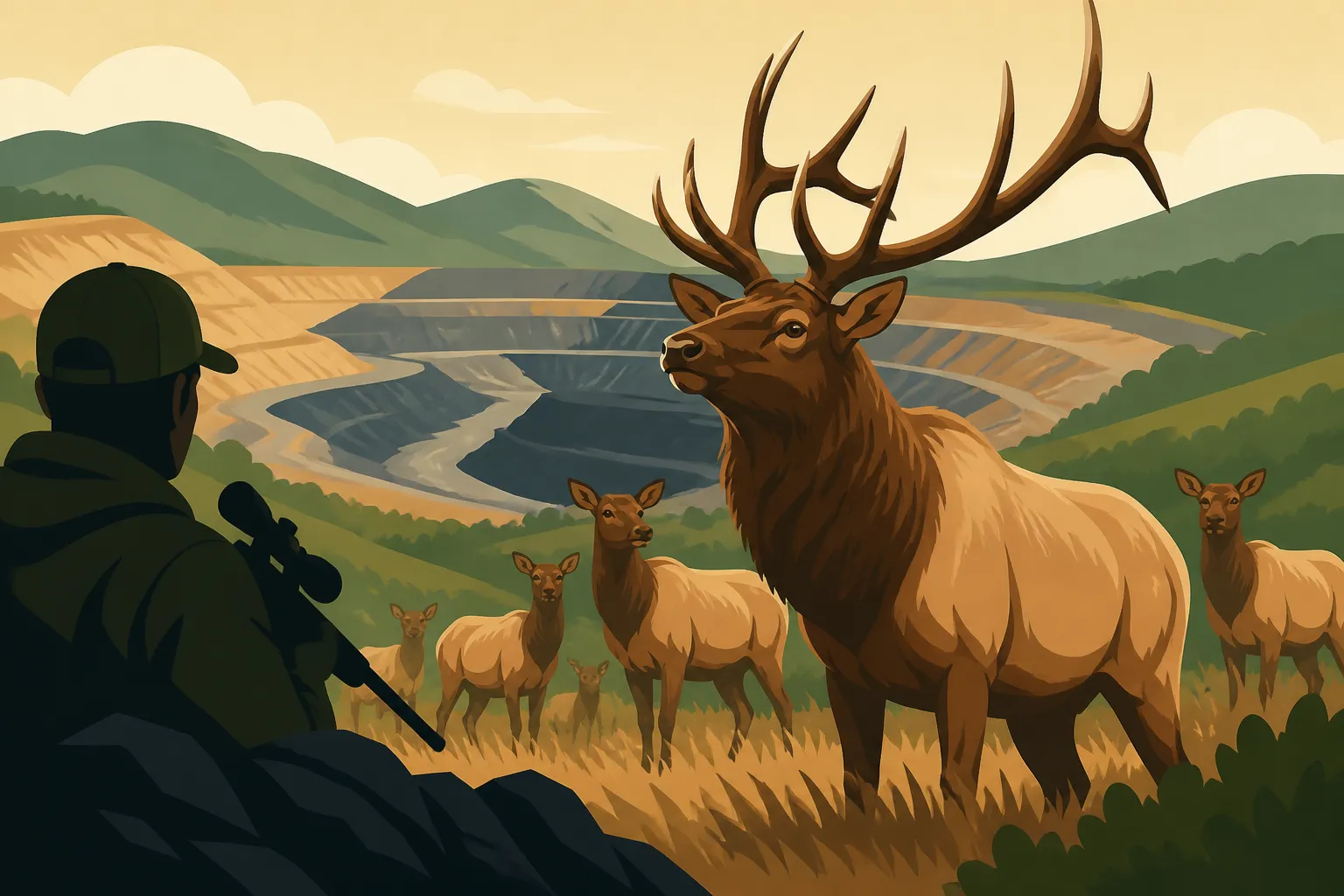
How Many Elk Live in the Virginia Coalfields
For many of us who love the outdoors in Virginia, there's a certain magic in knowing that elk once again roam parts of our commonwealth. It's a truly remarkable comeback story, but often, the question lingering in the back of people's minds is, "Just how many of these majestic creatures are actually out there?" It’s not always easy to get a definitive number, and tracking a wild, growing population in rugged terrain presents a unique set of challenges. This guide will delve into the exciting journey of elk reintroduction in Virginia, shed light on the current population estimates in the Coalfields, and explore the future of these magnificent animals in our state.
The Resurgence of Elk in Virginia: A Brief History
It's hard to imagine Virginia without its iconic white-tailed deer, but for centuries, another large cervid roamed these same forests and mountains: the elk. Their story in Virginia is one of both historical presence and a truly inspiring modern-day return.
A Lost Legacy
Picture Virginia's wilderness centuries ago – vast, unbroken forests, towering peaks, and rich valleys. In this landscape, elk were a prominent part of the native wildlife, much like they were across most of the eastern United States. They played a vital ecological role, influencing vegetation and serving as a key prey animal. However, with the arrival of European settlers, a combination of unregulated hunting for meat and hides, coupled with extensive habitat loss due to deforestation and agricultural expansion, led to their gradual decline. By the late 1800s, Virginia's native elk population was completely extirpated. It was a silent loss, a void left in the natural tapestry of the state that persisted for well over a century.
The Restoration Effort
The idea of bringing elk back to Virginia wasn't a new one, but it took careful planning and significant dedication to turn it into a reality. The Virginia Department of Wildlife Resources (DWR), in collaboration with several partners and local communities, embarked on an ambitious restoration project in the early 2000s. The focus was on a specific area: the remote and rugged terrain of Buchanan, Dickenson, and Wise counties, often referred to as the "Coalfields" region. This area was chosen for its abundant habitat, consisting of reclaimed mine lands that had reverted to early successional forests and grasslands, providing ideal forage and cover for elk.
The first significant translocation of elk occurred in 2012, bringing animals from Kentucky, a state with a highly successful elk reintroduction program. These initial releases were carefully monitored, with individual elk fitted with GPS collars to track their movements, understand their habitat use, and ensure their survival and adaptation to their new home. It wasn't just about dropping them off; it was about giving them the best possible chance to establish a self-sustaining population. This monumental effort marked a new chapter in Virginia's wildlife history, promising a return of one of its most iconic lost species. Virginia's Black Bear Population also shows a remarkable comeback story for another large game animal in the state.
Pinpointing the Virginia Coalfields Elk Population
Accurately counting a wild animal population, especially one spread across dense forests and rugged terrain like the Coalfields, is no small feat. It requires sophisticated methods and dedicated resources to get even a reliable estimate.
How DWR Monitors the Herd
The Virginia Department of Wildlife Resources employs a multi-faceted approach to keep tabs on the growing elk herd. It’s not simply a matter of flying over and counting heads, though aerial surveys do play a part. One of the primary tools involves telemetry and GPS tracking. Many of the initially released elk, and some captured later, were fitted with GPS collars that transmit location data, allowing biologists to map their movements, identify core use areas, and understand dispersal patterns. This data is invaluable for assessing habitat suitability and population expansion.
Another crucial method is direct observation. DWR staff, often with the help of local volunteers, conduct ground surveys, sometimes from established viewing points or by driving specific routes at dawn and dusk when elk are most active. Trail cameras strategically placed throughout the known elk range also capture images and videos, providing visual confirmation of individuals, group sizes, and calf production. Public reporting is also encouraged; hunters, hikers, and local residents who spot elk can contribute valuable data, often reported through platforms that help aggregate wildlife sightings. If you use an app like GoHunt for your other scouting needs, you'll find that having a similar digital tool for reporting elk sightings makes it easier to contribute to DWR's efforts. The combination of these methods gives DWR the best possible picture of the herd’s health and distribution. Scouting With the Virginia DWR App can be a useful tool for tracking various species.
Current Population Estimates and Trends
Given the challenges of monitoring, providing a single, precise number for the Virginia elk population in the Coalfields is difficult. However, DWR provides regular estimates based on their extensive monitoring efforts. As of recent assessments, the elk herd in Virginia's Coalfields is estimated to be in the range of 300-350 animals. This figure represents a healthy and growing population since the initial reintroductions.
The trend has been consistently upward, which is exactly what conservationists hoped for. Calves are being born, survival rates are good, and the elk are expanding their range within the designated restoration zone and occasionally venturing into adjacent areas. While it’s not a massive herd compared to some western states, it's a significant milestone for a population that started from zero just over a decade ago. The success here shows the resilience of these animals when given suitable habitat and protection. This growth is a testament to the dedication of DWR and its partners.
Factors Influencing Herd Growth
Several factors contribute to the continued growth and success of the Virginia elk herd. Foremost among these is habitat quality. The reclaimed mine lands in the Coalfields have proven to be an excellent environment. These areas often feature a mosaic of grasslands, young forests, and shrublands, providing abundant forage and thick cover for bedding and calving. The availability of diverse food sources, from grasses and forbs to browse from woody plants, supports a healthy diet.
Limited predation also plays a role. While coyotes and black bears are present in Virginia's Coalfields, they typically pose less of a threat to adult elk than they might to fawns or smaller game. The sheer size of an adult elk provides a natural defense. Virginia's Black Bear Population and Coyotes and Predators in Virginia detail these local predator dynamics.
Reproduction rates are another key driver. Healthy cow elk typically begin breeding at two or three years of age and can produce a calf annually. With good nutrition and favorable conditions, a high percentage of cows successfully calve, adding to the herd's numbers each spring. Furthermore, the absence of hunting pressure, which is currently a deliberate management choice, allows elk to reach older age classes, increasing their lifetime reproductive output and overall population stability. The continuous monitoring via methods similar to those detailed on sites like GoHunt provides valuable insights into these critical growth factors.
Understanding the Elk's Role and Future in the Commonwealth
The return of elk to Virginia is more than just a numbers game; it represents a significant ecological and cultural achievement. Their presence carries implications for the ecosystem and the future of wildlife management in the state.
Ecological Impact and Management Goals
Elk are considered a "keystone species" in many ecosystems, meaning their presence has a disproportionately large effect on their environment. As large grazers and browsers, they influence plant communities, creating varied habitats that benefit other wildlife. Their foraging can open up dense undergrowth, allowing sunlight to reach the forest floor, promoting the growth of a wider array of plants. This, in turn, can create better habitat for species like wild turkeys and white-tailed deer. White-Tailed Deer Across Virginia benefit from diverse foraging options.
The DWR's long-term management goals for the elk population are primarily focused on maintaining a healthy, viable, and self-sustaining herd within the designated restoration zone. This involves continued monitoring of population dynamics, habitat conditions, and overall herd health. The aim is to ensure the elk thrive without negatively impacting agricultural interests or other wildlife populations. It's a delicate balance, and proactive management is crucial for the herd's enduring success. The data collected helps inform these crucial management decisions, much like how data is used to inform hunting strategies for other species, such as for Bear Hunting Virginia's Mountains and Piedmont.
Why the Elk Herd Cannot Yet Be Hunted
One of the most common questions that arise once an animal population reaches a certain size is about hunting. Currently, Virginia's elk herd cannot be legally hunted. There are several important reasons for this, all stemming from the DWR's commitment to ensuring the long-term success of the restoration project.
Firstly, the population, while growing, is still considered to be in its establishment phase. A population of 300-350 animals, spread across a considerable area, is not yet robust enough to sustain hunting pressure without potentially jeopardizing its growth trajectory. The DWR's priority is to allow the herd to expand and become firmly established before considering any form of regulated harvest.
Secondly, the DWR is focused on allowing the elk to naturally expand their range and establish stable breeding populations throughout suitable habitats within the Coalfields. Introducing hunting too early could disrupt this natural expansion and potentially create conflicts, especially with private landowners as elk venture into new areas.
Finally, there's a strong emphasis on public education and conservation. The elk are a public resource, and allowing the population to grow to a truly self-sustaining level without immediate hunting helps foster a sense of shared ownership and appreciation among Virginians. While a hunting season may be a consideration far down the road, it will only happen when biologists determine the population can comfortably support it, ensuring the long-term health and vitality of the herd. Until then, our focus remains on watching them grow.
Viewing Opportunities and Conservation Efforts
While hunting isn't an option, experiencing Virginia's elk firsthand is a truly unforgettable opportunity. The Coalfields region has seen a rise in "elk tourism," with visitors hoping to catch a glimpse of these magnificent animals. Several viewing areas have been established, offering safe and ethical opportunities to observe elk in their natural habitat. Early mornings and late evenings are typically the best times for viewing, as elk are often grazing in more open areas during these periods. It's an experience that connects people directly to the success of this conservation story.
Local communities in the Coalfields have embraced the elk, recognizing their economic and ecological value. Conservation efforts extend beyond just monitoring the population; they also involve ongoing habitat improvements, outreach to landowners, and public education programs. Organizations and DWR continue to work to mitigate potential conflicts, such as crop damage on private lands, ensuring that the elk's presence is welcomed. Just as Virginia Deer Camp Traditions bring people together, so too does the community pride around the elk. Protecting this recovering herd ensures that future generations of Virginians will have the chance to witness these impressive animals thriving once again in the wild landscapes of the Old Dominion. For those interested in wildlife, keeping an eye on updates through platforms like GoHunt can provide timely information on viewing success.
Here's a quick look at the Virginia elk population in the Coalfields:
| Aspect | Detail |
|---|---|
| Current Estimate | Approximately 300-350 animals |
| Primary Location | Buchanan, Dickenson, and Wise counties (Virginia Coalfields) |
| Reintroduction Year | First significant releases in 2012 |
| Origin of Elk | Translocated from Kentucky |
| Habitat Type | Reclaimed mine lands, early successional forests, grasslands |
| Current Hunting Status | Not permitted |
| Management Goal | Establish a healthy, self-sustaining population |
Disclaimer
This article is for general informational purposes only and does not constitute professional advice. Laws, prices and regulations vary by location and change over time. Consult a qualified professional for guidance on your specific situation.