Virginia Beaver Population and Damage
Living in Virginia, many of us appreciate our abundant wildlife, but sometimes, a particular species can become a real headache for landowners and managers. Beavers, with their incredible engineering skills, often fall into this category. While their dam-building creates vital wetlands for many other species, these industrious rodents can also cause significant damage to property, timber, and agricultural lands, leaving folks scratching their heads about how to manage the situation. This guide aims to shed light on Virginia's beaver population, the specific types of damage they inflict, and practical strategies for managing their presence and mitigating their impact.
Understanding Virginia's Beaver Population Dynamics
For many years, it was rare to see a beaver in much of Virginia, but thankfully, those days are long past. Beavers were once abundant across North America, including right here in Virginia, before unregulated trapping in the 18th and 19th centuries nearly wiped them out. Their pelts were highly prized, leading to a dramatic decline in their numbers. However, through dedicated conservation efforts and reintroduction programs starting in the early to mid-20th century, these remarkable creatures have made a phenomenal comeback. Today, they're a common sight in many of Virginia's waterways, from the smallest creeks to the widest rivers.
Historical Context and Resurgence in Virginia
The story of the beaver in Virginia is truly one of successful wildlife recovery. Imagine a landscape where the constant sound of rushing water went largely unimpeded by beaver dams. That was the reality for a long time. But thanks to strategic reintroductions and the natural dispersal of populations from neighboring states, beavers began to recolonize their ancestral habitats. They found ideal conditions in Virginia's diverse environment, with its countless streams, rivers, and wetland areas providing ample food and construction materials. This resurgence is a testament to what focused conservation can achieve, allowing future generations to understand their crucial role in our ecosystem.
Where Beavers Thrive Across Virginia
Beavers are incredibly adaptable, but they certainly have their favorite spots. You’ll find them most prevalent in areas with slow-moving water, abundant deciduous trees (especially sweet gum, willow, and poplar), and dense vegetation. This makes much of Virginia's Piedmont and Coastal Plain prime beaver territory. Think about those winding creeks behind your farm or the swampy edges of larger rivers – these are the places where beavers really set up shop. Even in some mountain valleys and foothills, where streams broaden and food sources are plentiful, you can spot their tell-tale dams and lodges. They prefer areas where they can easily flood a section of land, creating a pond that serves as both a home and a protective moat against predators. You can learn more about general wildlife patterns by checking out resources that cover topics like Reading Virginia Mud for Fresh Deer Movement, which often includes observing other animal signs.
Population Estimation and Trends
Unlike some other game species, getting an exact count of Virginia's beaver population is a challenging endeavor. The Virginia Department of Wildlife Resources (DWR) monitors populations through various means, including harvest data from trappers, landowner reports, and habitat assessments. While precise numbers aren't readily available for the public, it's clear that their numbers are healthy and stable across much of the state. This thriving population is great for ecological diversity, but it also underscores why understanding their habits and management strategies is so important for landowners who might be experiencing their impacts. The general trend is one of robust populations, particularly in areas with good water sources and food.
The Impact of Beavers: Damage to Landscapes and Infrastructure
While beavers are ecosystem engineers, transforming landscapes in ways that benefit many aquatic species and even migratory birds, their work isn't always welcome, especially when it infringes upon human interests. The very adaptations that make them so successful – their constant need to build and gnaw – are often the root causes of the damage they inflict.
Tree and Timber Loss: A Costly Problem
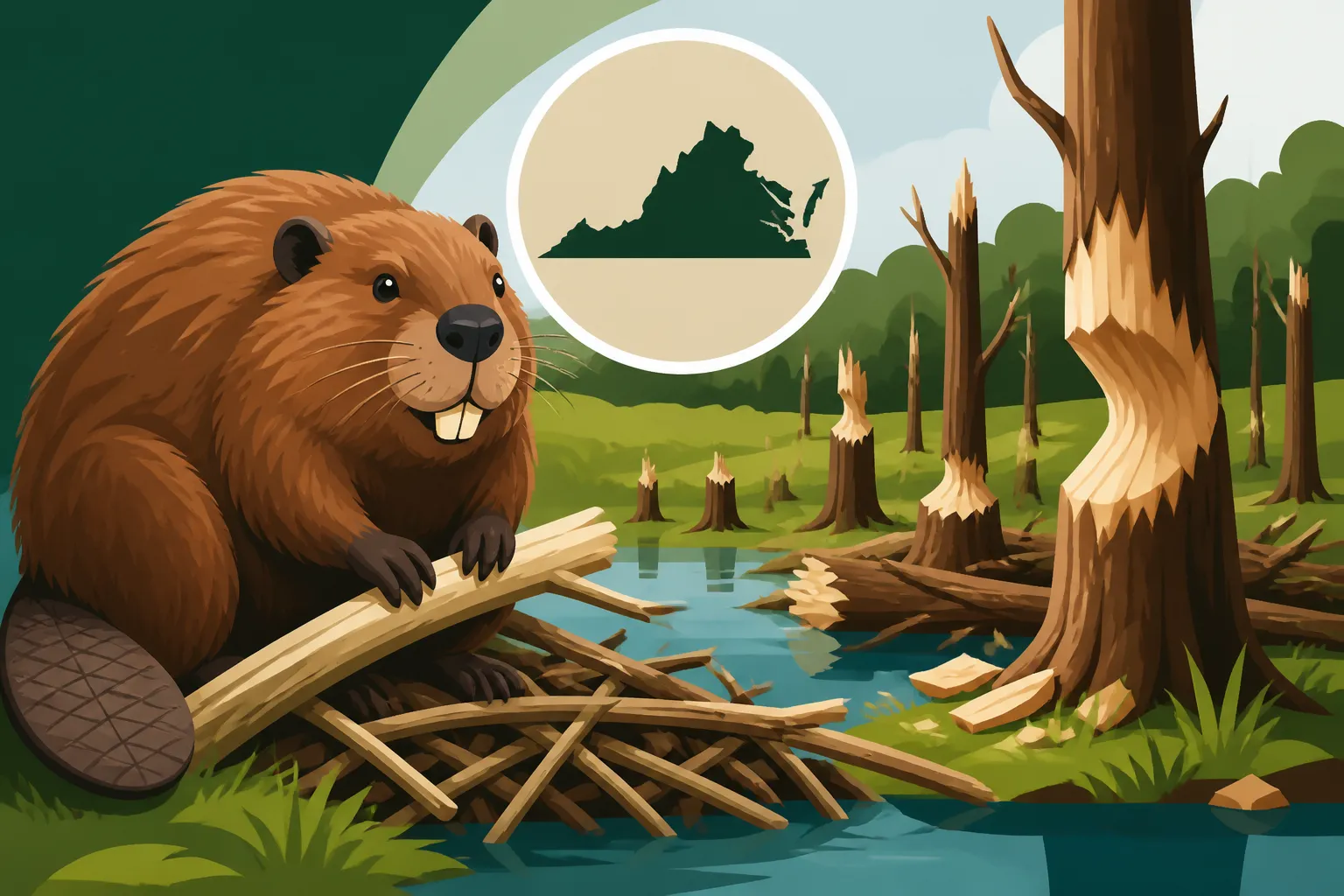
One of the most immediate and visible forms of beaver damage is their impact on trees. Beavers fell trees for food, using the bark and cambium (the soft inner layer) as a primary food source, and for construction materials for their dams and lodges. This can lead to the loss of valuable timber stands, especially in bottomland hardwoods, or the destruction of ornamental trees around homes and farms. Imagine walking through your woodlot only to find several mature oaks or sweet gums neatly gnawed down, or worse, girdled and left to die. For landowners relying on timber for income or simply appreciating their shade trees, this can be incredibly frustrating and expensive.
Agricultural and Property Impacts
Beyond trees, beavers can create significant headaches for farmers and homeowners. Their dams cause widespread flooding, submerging crops like corn and soybeans, ruining pastures, and turning low-lying fields into unproductive wetlands. This isn't just an inconvenience; it can mean substantial financial losses for agricultural operations. Furthermore, beaver activity can undermine roads, culverts, and bridges by burrowing into banks or causing water to back up and overflow. This compromises infrastructure, making roads impassable and requiring costly repairs. Farmers and rural residents often face the brunt of these issues, disrupting their daily routines and livelihoods. Even wildlife habitat enhancements on properties can be unintentionally altered or destroyed.
Ecological Alterations: Both Positive and Negative
It’s crucial to acknowledge that beaver activity isn't always negative from an ecological standpoint. The wetlands they create provide critical habitat for amphibians, fish, waterfowl, and a myriad of invertebrates. These beaver ponds can improve water quality by filtering sediments and pollutants, and they can help recharge groundwater tables. You might even find them creating new pockets of habitat that attract species you enjoy hunting, like those discussed in Virginia Waterfowl Zones and Seasons.
However, these changes can also be detrimental to certain ecosystems or specific species. For instance, flooding can kill existing forest stands, changing a hardwood forest into a marsh. If a rare plant species relies on specific soil conditions or drainage, a new beaver pond could decimate its population. They can also alter stream flow and temperature, impacting fish species that require cooler, faster-moving water. It’s a delicate balance, and what's good for one part of the ecosystem might be challenging for another.
Disease Transmission Concerns (Less Common)
While not as common as the other forms of damage, there are occasional concerns about disease transmission. Beavers can sometimes carry parasites like Giardia lamblia, which can cause giardiasis (often called "beaver fever") in humans who drink contaminated water. Leptospirosis is another bacterial disease that can be associated with wildlife, including beavers, and can affect humans and domestic animals. However, these instances are relatively rare, and responsible outdoor practices, like filtering or treating drinking water, significantly reduce any risk. Still, it's something to be aware of, particularly if you're regularly interacting with beaver-impacted waters.
Managing Beaver Populations and Mitigating Damage
Given the potential for significant damage, effective beaver management is often necessary. This isn't about eradication, but rather about controlling populations in problematic areas and minimizing their impact. Virginia has regulations in place to guide these efforts, and understanding them is the first step.
Legal Aspects of Beaver Control in Virginia
Before you grab a shovel or set a trap, it’s vital to understand Virginia's regulations regarding beaver control. Beavers are considered furbearers in Virginia, meaning they are managed by the DWR, and their harvest is regulated. Generally, a valid hunting or trapping license is required for any lethal control, and there are specific seasons for trapping beavers. For private landowners experiencing damage, there are often provisions for out-of-season control or depredation permits, but these require specific application and approval from the DWR. It's never a good idea to just take matters into your own hands without knowing the rules, as you could face Virginia Wildlife Violation Penalties. Always check the current Virginia Trapping License Requirements and Virginia furbearer regulations before acting. For general assistance or questions, remember the DWR is the best resource, rather than relying solely on mapping tools like GoHunt, which are primarily designed for hunting big game or scouting public lands.
Non-Lethal Approaches: Working Around the Beaver
Sometimes, the best solution isn't to remove the beaver, but to protect your assets or modify their environment. Non-lethal methods are often preferred when the damage is localized or when landowners appreciate the ecological benefits of beavers but need to protect specific areas.
- Tree Protection: Wrapping the base of valuable trees with heavy-gauge wire mesh (hardware cloth) at least 30-36 inches high can effectively deter beavers from gnawing. This is a simple yet effective physical barrier.
- Flow Devices (Pond Levelers): These ingenious systems, like "beaver deceivers" or "castor masters," involve installing a pipe through a beaver dam. This allows water to flow through the dam, preventing excessive flooding, while still allowing the dam to exist. Beavers typically don't perceive the water flowing through the pipe as a "breach" in their dam, so they don't try to plug it. These require careful installation and occasional maintenance but can be a long-term solution.
- Fencing: For smaller, high-value areas like gardens or specific culverts, a robust fence can keep beavers out. It needs to be sturdy and extended sufficiently underground to prevent burrowing.
- Repellents: While some commercial repellents exist, their effectiveness can be hit-or-miss and often requires frequent reapplication, especially after rain. They're generally not a long-term solution for persistent beaver problems.
Lethal Control Methods: Trapping and Shooting
When non-lethal methods aren't feasible or sufficient, lethal control may be necessary. This is typically done through trapping or, in certain situations, shooting.
- Trapping: Trapping is generally the most effective method for reducing beaver populations. Body-gripping traps (like Conibear-style traps) are often used, set in specific ways to ensure a quick and humane dispatch. Snares can also be effective. Trapping requires skill, knowledge of beaver behavior, and strict adherence to DWR regulations, including trap placement restrictions and checking requirements. Many private landowners hire professional wildlife control operators for this, as they have the expertise and proper equipment. This method also allows for the harvest of pelts, which can sometimes offset the cost of removal, similar to how Virginia Muskrat and Mink Trapping Trends are monitored.
- Shooting: In certain areas and under specific conditions, shooting beavers may be permitted. This is usually restricted to daylight hours and requires a valid hunting license. It's often most effective when beavers are visible and accessible, such as when they're feeding along a pond edge. However, shooting over water bodies or near developed areas can have safety implications, and strict adherence to Virginia Firearms Discharge Setback Rules is essential. Always confirm local ordinances and DWR regulations before considering this option.
Professional Assistance and Wildlife Control Operators
For many landowners, especially those facing extensive damage or who are unfamiliar with trapping, hiring a professional wildlife control operator is the best course of action. These individuals are licensed, experienced, and equipped to handle beaver removal safely and effectively, while also ensuring compliance with all state and local regulations. They can assess the situation, recommend the most appropriate management strategy, and implement it with minimal disruption. They are invaluable resources when you’re dealing with persistent or severe beaver issues.
Coexisting with Beavers: Prevention and Long-Term Strategies
While management might focus on immediate problems, a broader perspective on coexistence and prevention can save a lot of headaches down the road. Understanding their behavior and proactively making your property less appealing to them can be a game-changer.
Habitat Modification for Prevention
Prevention is often the most cost-effective long-term strategy. This involves making your property less attractive for beavers to establish a home. Removing preferred food trees like willow, poplar, and sweet gum from immediate stream or pond banks can reduce their incentive to move in. Keeping areas around culverts and drainage ditches clear of brush and small trees also helps, as it leaves fewer materials for them to build with. Maintaining a buffer of less desirable tree species, or even an open lawn, near water bodies can deter them. When you're Scouting Virginia Public Land Before Season, you might notice how certain types of vegetation or lack thereof naturally deter some species, and this principle applies to beavers too.
Long-Term Monitoring and Maintenance
Beaver management is rarely a one-and-done deal. These animals are persistent, and if conditions are favorable, new beavers may move into an area after others have been removed. Regular monitoring of water levels, stream flow, and tree damage is crucial. Early detection of new beaver activity allows for quicker, simpler interventions before significant dams are built or extensive flooding occurs. This proactive approach helps keep small problems from becoming huge, costly dilemmas. Using tools like GoHunt, while designed for game like deer and turkey, can still be useful for marking areas where you've noticed beaver activity or potential problem spots to monitor regularly on your property.
Understanding Beaver Behavior for Better Management
Knowing a bit about beaver behavior can greatly improve your management efforts. Beavers are most active at dawn and dusk, so this is when you're most likely to observe them. They are primarily nocturnal, which can make direct intervention tricky. They are highly territorial, and removing one family group might simply open up the territory for another. They are driven by an instinct to dam water, so simply destroying a dam without removing the beavers will often result in it being rebuilt, sometimes overnight! Understanding these fundamental drives helps in choosing the most appropriate and effective management techniques, whether it's through careful placement of traps or the strategic installation of flow devices. When you're out observing wildlife for any reason, whether it's deer sign or general ecosystem health near a Virginia Wildlife Management Area, paying attention to beaver activity gives you a fuller picture of the local environment.
Conclusion
Beavers are an integral part of Virginia's natural heritage, a true conservation success story. However, their industrious nature can undeniably lead to challenges for landowners across the Commonwealth. By understanding their population dynamics, recognizing the types of damage they can inflict, and employing a combination of legal, ethical, and effective management strategies, we can coexist with these fascinating creatures. Whether you choose non-lethal deterrents, implement controlled trapping, or seek professional help, informed action is key to protecting your property while appreciating the role beavers play in our Virginia ecosystem.
Disclaimer
This article is for general informational purposes only and does not constitute professional advice. Laws, prices and regulations vary by location and change over time. Consult a qualified professional for guidance on your specific situation.