Fogged Optics in Virginia Cold
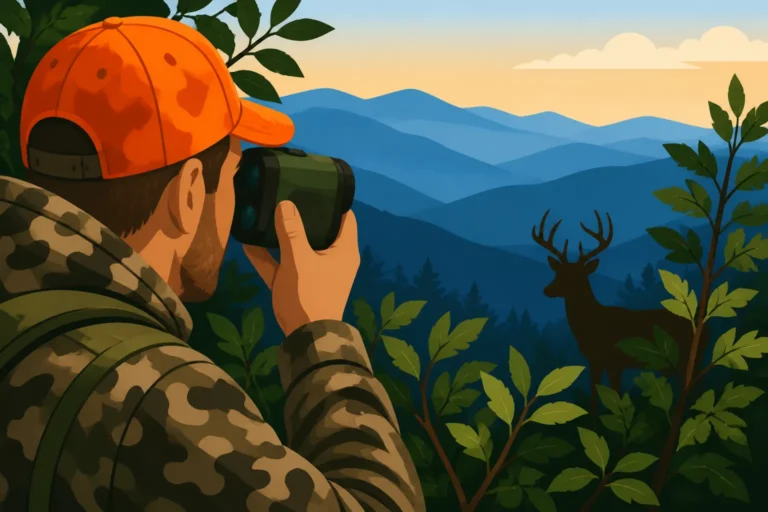
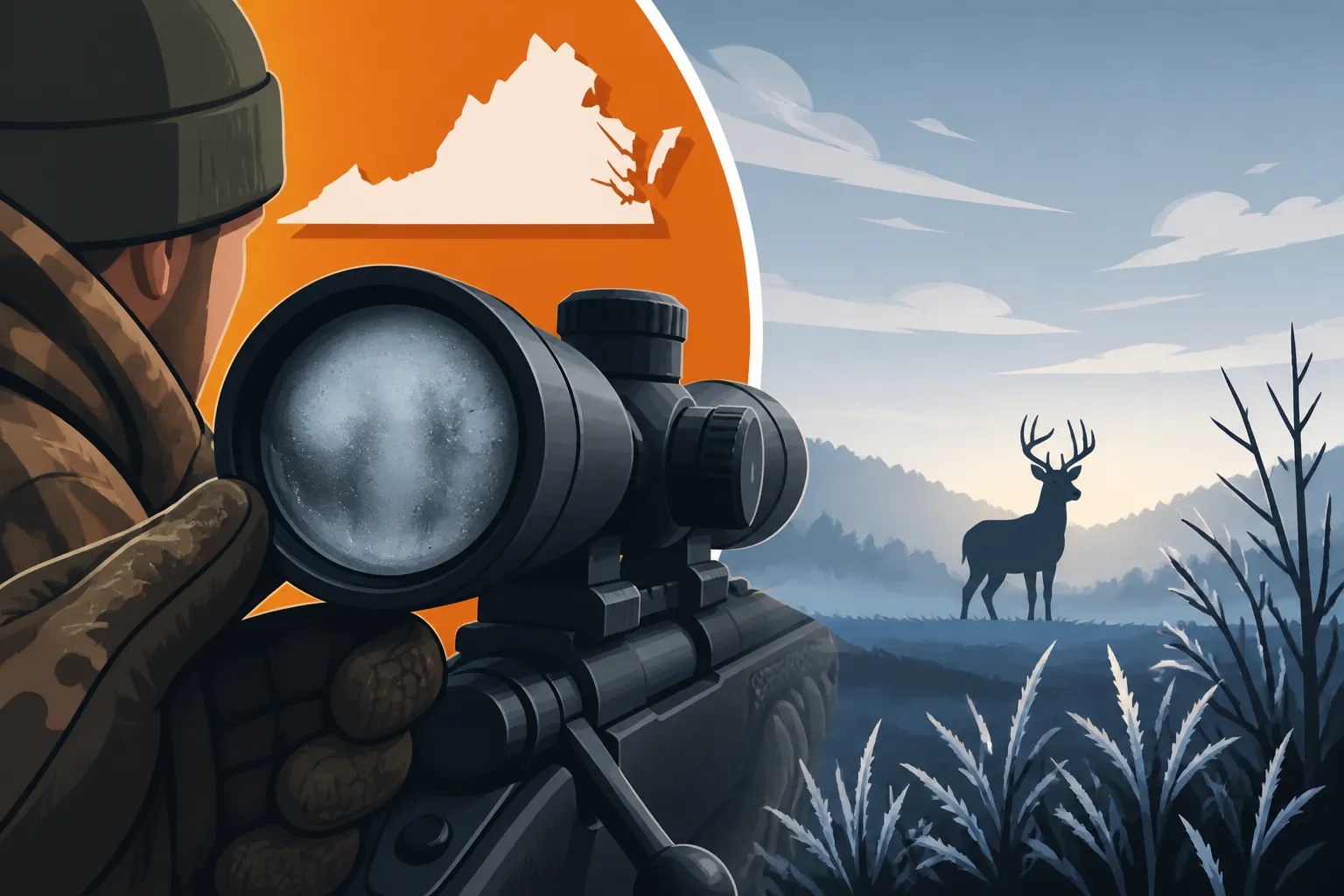
There are few things more frustrating for a Virginia hunter than having that perfect shot opportunity ruined by optics that suddenly decide to fog up. You've sat motionless for hours in a stand, the chill seeping into your bones, and finally, that mature buck steps out into a clearing. You bring your binoculars up, or your rifle scope, only to be met with a milky, opaque haze. It’s enough to make you want to throw your gear across the holler! This guide is all about understanding why your optics fog, how to prevent it, and what to do when it inevitably happens in the field, helping you keep a clear view when it matters most in the crisp Virginia cold.
Why Optics Fog Up in Virginia's Winter
The phenomenon of fogged optics is essentially just condensation, the same process that makes your car windows frosty or a cold drink sweat on a humid day. When you're out hunting in Virginia, especially during late season, the conditions are often ripe for this to occur, and it's not just an annoyance—it can genuinely cost you a valuable opportunity.
The Science Behind Condensation
At its heart, condensation happens when warm, moist air meets a cold surface. Air always contains some amount of water vapor, even on what feels like a dry day. The warmer the air, the more moisture it can hold. When this warm, moisture-laden air comes into contact with a surface that is colder than the air's "dew point," the air rapidly cools, can no longer hold all that water vapor, and the excess water condenses into tiny liquid droplets on the cold surface. This is exactly what creates that blurry, milky film on your lenses. Think about stepping out of a warm vehicle into the biting December air, or just the heat radiating from your face meeting the cold lens of your scope.
It's a tricky balance of physics, and unfortunately, it doesn't care about your hunting success. Even a slight temperature difference can trigger it. The more humid the air, the less temperature difference is needed for condensation to form. This means those damp, overcast days common in Virginia's mountains or coastal plains can be even worse for fogging than crisp, dry, extremely cold days. The internal mechanisms of your optics also play a role; if moisture gets inside the optical housing, internal fogging can occur, which is far more serious and usually indicates a seal failure.
Virginia's Unique Winter Conditions
Virginia's winter weather can be incredibly varied, and that variability is often what causes optics to fog. We can experience everything from mild, damp days in the 40s to bitter cold spells well below freezing, sometimes within the same week. Our diverse geography, from the humid tidewater swamps to the elevated, often wind-swept ridges of the Blue Ridge, means hunters face a range of challenges. For instance, hunting in a river bottom near the James River after a cold night, the air can be heavy with moisture, just waiting for your warm breath or the slight heat from your body to meet a cold lens. Conversely, climbing a steep slope in the Jefferson National Forest, you might work up a sweat, then stop to glass a distant ridge, only for your body heat to fog your binoculars. Wind and Thermals on a Blue Ridge Slope can also play a role, constantly changing the microclimate around your gear.
Elevation changes also contribute. If you park your truck in a valley where the air is stagnant and cold, then hike to a higher ridge where the sun has warmed the air slightly, your optics might fog when you expose them to the warmer, potentially more humid air after being chilled. Or, perhaps you’re sitting patiently in a ground blind, carefully brushed in on a field edge, and your breath escapes your face mask, drifting towards your scope. It’s these subtle shifts that often catch us off guard, making it crucial to be prepared for diverse conditions when you’re out for Late-Season Food Sources for Virginia Whitetails or Working a Creek Bottom for Late-Season Deer.
Common Scenarios Where Hunters Get Caught Out
You're not alone if you've experienced this frustration. It happens to the best of us, often in critical moments. One of the most common scenarios is moving your gear from a warm interior environment (like your heated truck or a cozy camp cabin) directly into the cold outdoor air. The sudden temperature differential between the warm glass elements of your optic and the cold outside air is almost a guaranteed recipe for fogging. Hunters often forget to let their gear acclimatize.
Another frequent culprit is your own body heat and breath. When you bring binoculars or a scope up to your face, especially if you're breathing heavily after a brisk walk to your stand, the moist, warm air from your breath can quickly condense on the cold eyepiece or objective lens. This is particularly true if you're wearing a face mask that directs your breath upwards. Even just the heat radiating from your skin can be enough. Imagine setting up on a frosty morning, trying to glass a powerline cut at first light, and your binoculars instantly go opaque. Glassing a Powerline Cut at Last Light requires clear optics, not a blurry mess.
Finally, rain or heavy dew can also contribute significantly. While internal fogging (moisture inside the optic) is a different issue, external moisture can certainly exacerbate condensation. If your lenses are already wet from a light drizzle or heavy dew, and then subjected to a temperature change, the fogging will be thicker and harder to clear. It’s always a good idea to protect your lenses from any direct moisture when not actively using them.
Preventative Measures: Stopping Fog Before It Starts
Prevention is almost always easier than a cure when it comes to fogged optics. Taking a few proactive steps can save you a lot of headache, and potentially a missed opportunity, when you're hunting deer or turkeys in Virginia.
Acclimatizing Your Gear to the Cold
The simplest and often most effective prevention method is to equalize the temperature of your optics with the ambient air before you even get to your stand. This means avoiding drastic temperature changes. If you can, take your binoculars and scope out of your warm vehicle or house well before you plan to use them. Place them in a cooler spot like a garage, an unheated porch, or even outside (securely, of course, and protected from precipitation) for an hour or two before your hunt. This allows the internal and external components of the optic to slowly come down to the outdoor temperature.
Many seasoned hunters who stay in cabins or trailers at camp will leave their optics in their pack, outside, or in a cold vehicle overnight. This ensures that when they grab their gear in the predawn darkness, it's already at the ambient temperature, significantly reducing the chances of condensation. Of course, this requires a safe and dry place to store them, protecting them from theft and moisture. But the idea is simple: avoid a rapid thermal shock to the glass.
Using Anti-Fog Treatments Effectively
There's a whole market of anti-fog products out there, and some of them can be quite effective. These typically come in sprays, gels, or wipes and work by creating a thin, hydrophilic (water-attracting) layer on the lens surface. Instead of forming tiny, light-scattering droplets that cause fog, the moisture spreads out into a uniform, clear film that doesn't obscure your vision as much. While they don't completely eliminate condensation, they can greatly reduce its impact.
When applying these treatments, always follow the manufacturer's instructions carefully. Generally, you'll clean the lens thoroughly first, apply a small amount of the product, and then gently wipe it with a clean microfiber cloth until it's clear. Reapply as needed, as their effectiveness can wear off over time or with heavy use, especially in wet conditions. Brands like Cat Crap, Clarity Defogger, or even diluted baby shampoo (which acts similarly) are often discussed among hunters. Test them at home before heading into the woods, especially to ensure they don't leave a residue or affect your lens coatings. Remember, a product recommended by a resource like GoHunt might be a good starting point for your research into what works best.
Protecting Lenses in the Field
Beyond chemical treatments, physical protection is key. Always use lens caps on both the objective and ocular ends of your binoculars and scope when not actively glassing or shooting. This not only protects the lenses from scratches and dirt but also provides a layer of insulation, helping to slow down temperature changes. It also keeps moisture and precipitation off the glass.
Additionally, consider using scope covers or neoprene sleeves for your rifle scope. These offer another layer of thermal protection and moisture barrier. A simple trick I've learned from Hunting the Rut East of the Blue Ridge and Hunting the Rut West of the Blue Ridge is to keep my binoculars tucked inside my jacket or bibs when moving. My body heat helps keep them warm, and then when I pull them out, the difference in temperature with the outside air isn't as extreme, reducing the likelihood of instant fog. Just make sure to be careful with any chest straps or harnesses that could snag when drawing them out quickly. This small habit, combined with Layering for a Virginia Deer Stand to manage your own body temperature, can make a big difference.
Dealing with Fog in the Field: Quick Fixes and Management
Even with the best preventative measures, sometimes fog happens. When it does, your immediate reaction is crucial. Resist the urge to panic and certainly resist the urge to wipe your lenses with the nearest available fabric, as that’s usually the worst thing you can do.
Emergency Clearing Techniques
When your optics fog, the first thing to do is remain calm. If it’s external condensation, it will eventually clear on its own once the lens temperature equalizes with the ambient air, or if the air around the lens warms up. This might only take a minute or two. If you have time, simply hold the optic steady and let nature take its course.
If you need to clear it faster, your own body heat can be your friend. Cup your hands around the objective lens (the front lens) and gently breathe away from the lens, not directly onto it, to create a small pocket of slightly warmer air. Or, place the lens against your warm skin (forehead or neck) for a few moments. The gentle warmth will help bring the lens temperature up, causing the condensation to evaporate. However, be very careful not to transfer skin oils or moisture directly onto the lens. For eyepieces, sometimes just holding them a bit further from your eye, or letting them warm against your brow, can work. Avoid breathing on the lens directly, as the moisture in your breath will only make the fogging worse.
The Risks of Wiping Lenses Improperly
This is a critical point: never wipe your optics with your shirt sleeve, a paper towel, or any abrasive material. Lenses, especially modern ones with complex anti-reflective and scratch-resistant coatings, are delicate. Even seemingly soft fabrics can contain microscopic dirt particles that will scratch these coatings, permanently damaging your expensive glass. Once those coatings are scratched, your optics will perform poorly, gather more glare, and be even more prone to fogging.
Always carry a dedicated, clean microfiber lens cloth. Many optics come with one, or you can purchase high-quality ones. If the lens is fogged, gently blot (don't wipe vigorously) the moisture away. If there's any visible dirt or grit, use a lens brush or a puff of compressed air first to remove loose particles before even thinking about touching the lens with a cloth. For more stubborn smudges, a specialized lens cleaning fluid (applied sparingly to the cloth, not directly to the lens) can be used. But for simple fog, gentle blotting or letting it clear naturally is always the safest bet. Keeping a specialized lens cleaning kit in your pack for Packs for a Jefferson Forest Day Hunt is a smart move.
Maintaining Vision When Fog Strikes
Sometimes, despite your best efforts, your optics will fog, and you won't have time for a full clearing procedure. In these moments, you need to adapt. If your rifle scope fogs, and the shot is close and critical, can you use your iron sights if your rifle is equipped with them and you’ve practiced? This is a skill many hunters overlook in the age of advanced optics, but it can be a lifesaver. For binoculars, if one barrel fogs worse than the other, try using just the clearer barrel, or relying on your naked eye if the distance allows.
If you're hunting in particularly damp or variable conditions, it might even be wise to periodically check your optics. A quick glance through them every 15-20 minutes, or before you expect a deer to appear, can alert you to developing fog and allow you to address it proactively rather than reactively. This vigilance is part of Cold-Weather Sitting Strategy in the Mountains. Being aware of your surroundings and predicting when temperature differentials might occur (e.g., as the sun rises and warms the air, or if a thermal layer shifts) can help you prepare.
| Fogging Scenario | Cause | Prevention | Quick Field Fix |
|---|---|---|---|
| Moving from Warm to Cold | Rapid temperature change from heated space | Acclimatize optics outdoors for 1-2 hours | Hold optic steady, let temps equalize naturally |
| Body Heat/Breath | Warm, moist air from hunter meets cold lens | Keep optics tucked in clothing, use face mask that directs breath away, anti-fog coatings | Gently cup hands around lens to warm, do not breathe directly on lens |
| External Moisture | Rain, dew, or melting snow on lens surface | Use lens caps, scope covers, keep optics dry | Blot gently with clean microfiber cloth, allow to air dry |
| Internal Fog (Serious) | Moisture inside sealed optic, usually due to seal failure | Buy quality optics with nitrogen/argon purging, maintain seals | Return to manufacturer for repair/replacement (not field repairable) |
Gear Solutions: What to Look for in Fog-Resistant Optics
Investing in quality optics that are designed to resist fogging is often the best long-term solution. While no optic is absolutely immune to all fogging in all conditions, high-end gear incorporates technologies that significantly reduce the problem. When you're searching for new binoculars or a scope, especially for Virginia's diverse and sometimes challenging hunting conditions, it pays to do your homework. Resources like GoHunt, which often review and compare optical performance, can be invaluable in guiding your decision.
Understanding Fogproof and Waterproof Ratings
The terms "fogproof" and "waterproof" often go hand-in-hand, and for good reason. Optics achieve internal fog-proofing primarily by being purged with an inert gas like nitrogen or argon. During manufacturing, all the air (and thus moisture) inside the optic is vacuumed out and replaced with this dry gas. This means there's no moisture inside to condense. A truly fogproof optic will also be fully sealed, which makes it waterproof. If water can't get in, neither can humid air.
When researching optics, look for explicit mention of nitrogen or argon purging. Also, check their waterproofing ratings, often expressed as an IP (Ingress Protection) rating. An IPX7 rating, for example, means the optic can be submerged in up to 1 meter of water for 30 minutes without water ingress. While you're not planning to take your scope for a swim, this rating is a strong indicator of robust sealing that will prevent internal fogging. Manufacturers that stand by their "fogproof" claims will often offer impressive warranties. Always check what the GoHunt reviews say about real-world performance for different brands and models.
Choosing Optics with Quality Coatings
Beyond internal purging, the quality of external lens coatings plays a significant role in both image clarity and fog resistance. Many high-end optics feature hydrophobic (water-repelling) or oleophobic (oil-repelling) coatings on the external lens surfaces. These coatings cause water droplets to bead up and roll off, rather than smearing and contributing to fogging or reducing vision. They also make the lenses easier to clean.
These advanced multi-coatings also improve light transmission, which is especially important for Low-Light Performance in a Scope during the low light hours of dawn and dusk, or deep in dark timber. While a coating won't prevent all condensation, it makes external moisture less disruptive and easier to clear. When you're comparing different models, pay attention to the descriptions of their lens coatings. A well-applied, durable multi-coating not only helps with fog but also protects against scratches and enhances overall optical performance, making your view of a deer in the Shenandoah Valley Farmland crystal clear.
Considering Accessories to Aid Fog Prevention
Even with top-tier optics, certain accessories can further aid in fog prevention and management. As mentioned, high-quality lens caps and scope covers are essential. Butler Creek flip-up caps, for instance, offer quick protection and access. Additionally, a good quality binocular harness will keep your binoculars snug against your chest, benefiting from your body heat, and keep them protected from the elements. Binocular Harnesses Worth Wearing can prevent your glass from swinging around and getting colder than necessary.
Another often-overlooked accessory is a small, portable cleaning kit specifically for optics. This should include a lens pen (with a brush on one end and a carbon cleaning pad on the other), a blower brush, and a few fresh microfiber cloths. Keeping this kit readily accessible in your Packs for a Day on Public Land means you’ll always have the right tools to clean lenses without damaging them, which is critical if fogging is accompanied by any dirt or grime. When you invest in quality glass, protecting that investment with the right accessories is just common sense.
Disclaimer
This article is for general informational purposes only and does not constitute professional advice. Laws, prices and regulations vary by location and change over time. Consult a qualified professional for guidance on your specific situation.