Virginia’s Brook Trout Streams and Watershed Overlap
Virginia brook trout streams and their surrounding mountain watersheds require cold water and shaded headwater habitats for survival.
Know what you’re after.
Big game, small game, upland birds, and waterfowl — identification, behavior, rut and migration timing, and how each species moves through the season.
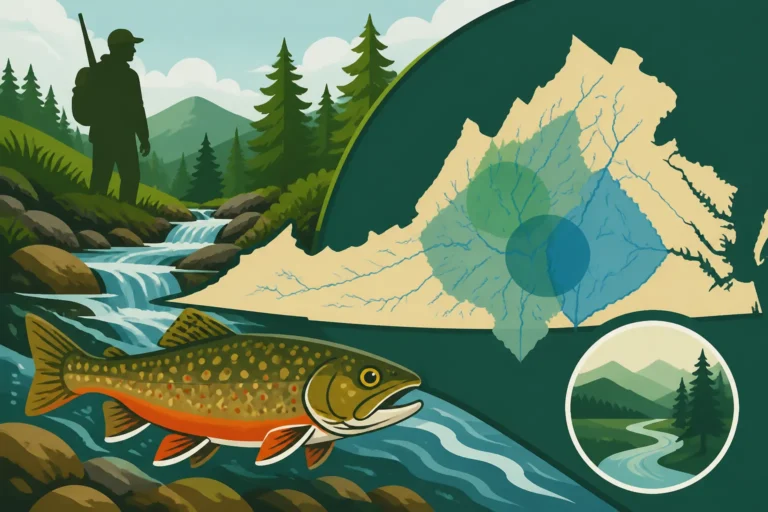
Virginia brook trout streams and their surrounding mountain watersheds require cold water and shaded headwater habitats for survival.
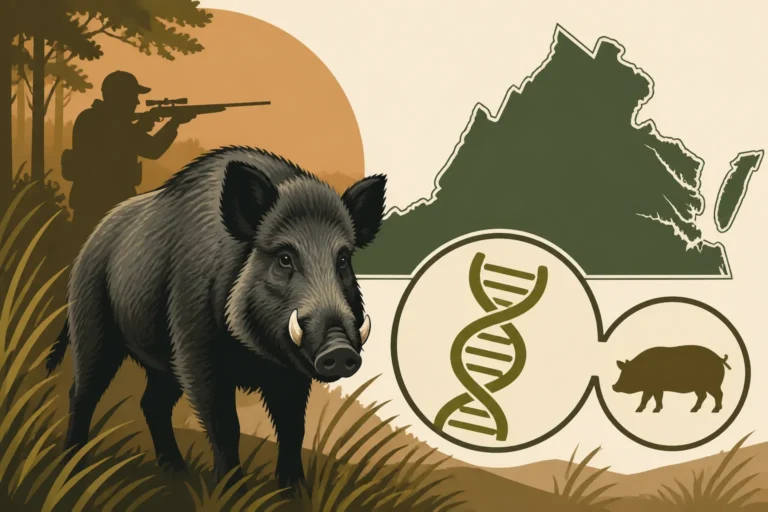
Virginia feral swine genetics and historical origins explain their rapid spread across the Commonwealth and persistent management challenges.
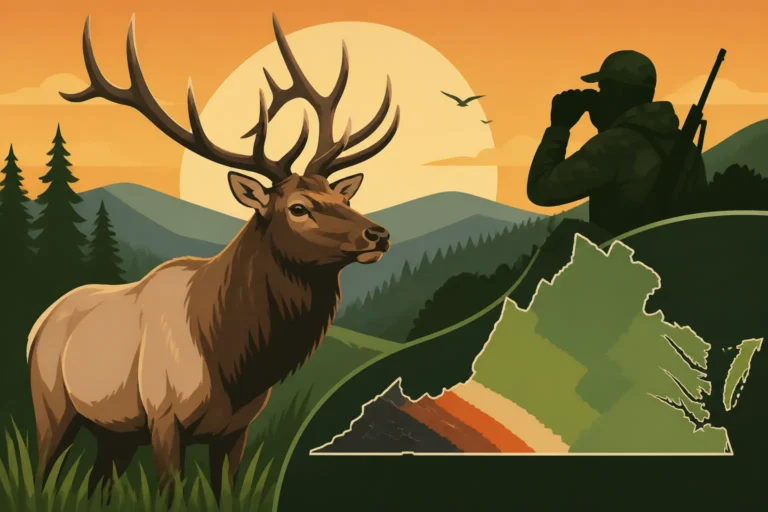
Virginia elk restoration explains how wild elk returned to southwestern coalfields through successful reintroduction and conservation efforts.
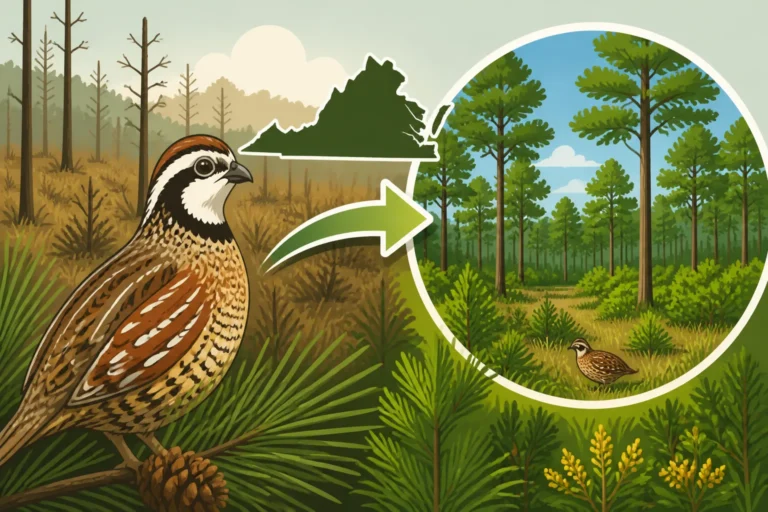
Managed pine forests can restore Virginia quail populations by reversing decades of habitat loss and environmental degradation.
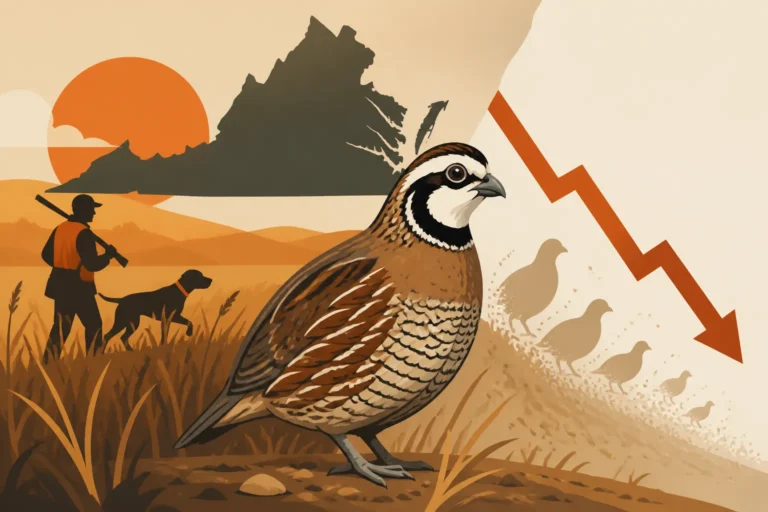
Virginia bobwhite quail populations, once abundant across mid-twentieth century farmlands, experienced a gradual decline beginning in the late nineteen sixties.
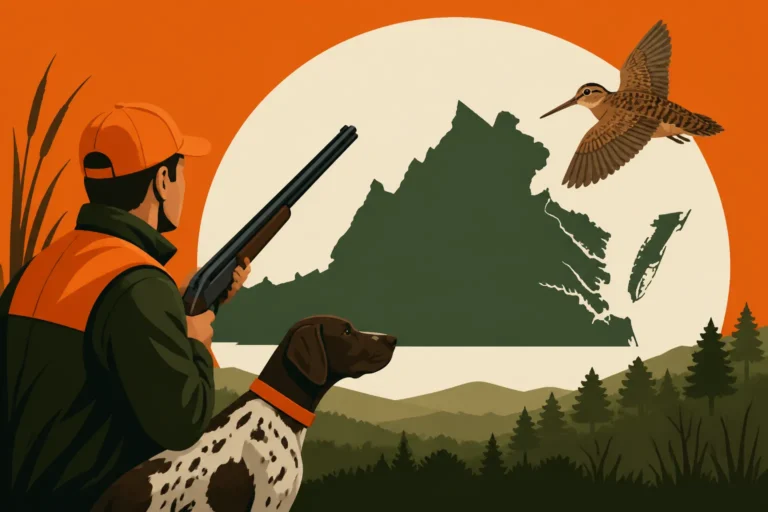
Virginia serves as a vital stopover and wintering habitat for migrating American woodcock leaving northern forests during autumn.
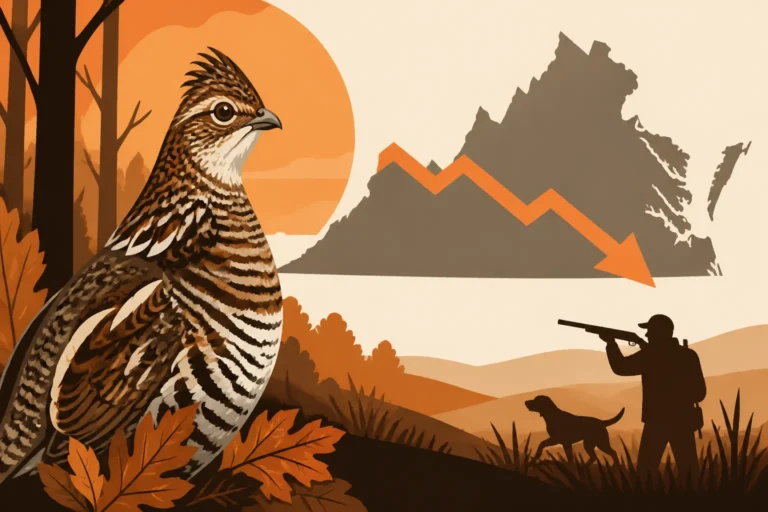
Virginia ruffed grouse population decline explains shrinking bird numbers and shifting habitats across mountain forests.
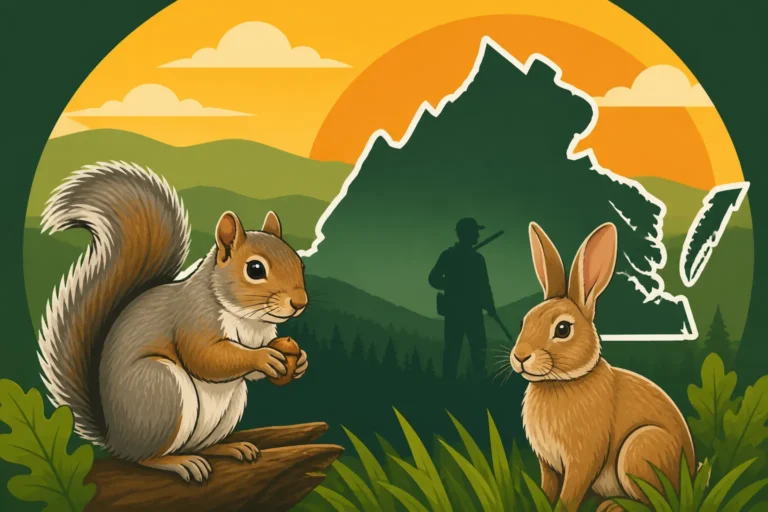
Virginia squirrel and rabbit populations, including gray and fox squirrels, thrive across state habitats based on annual mast crop availability.
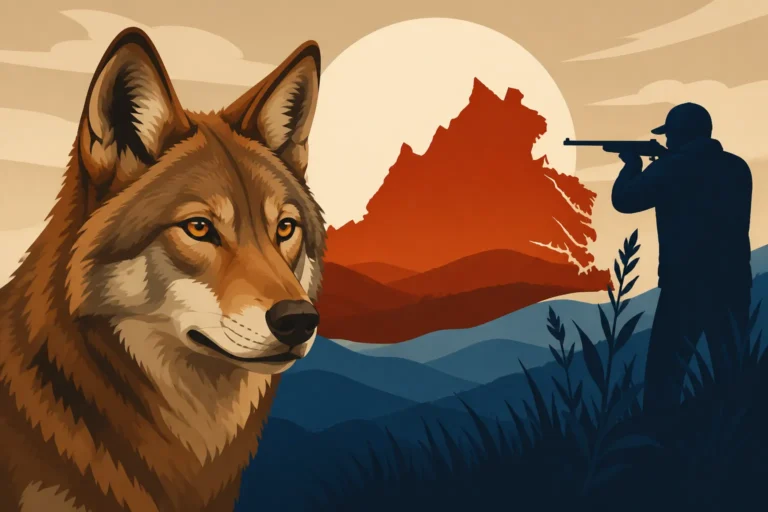
Red wolf history in Virginia details their ancient presence, ecological role controlling deer, and relationships with indigenous peoples.
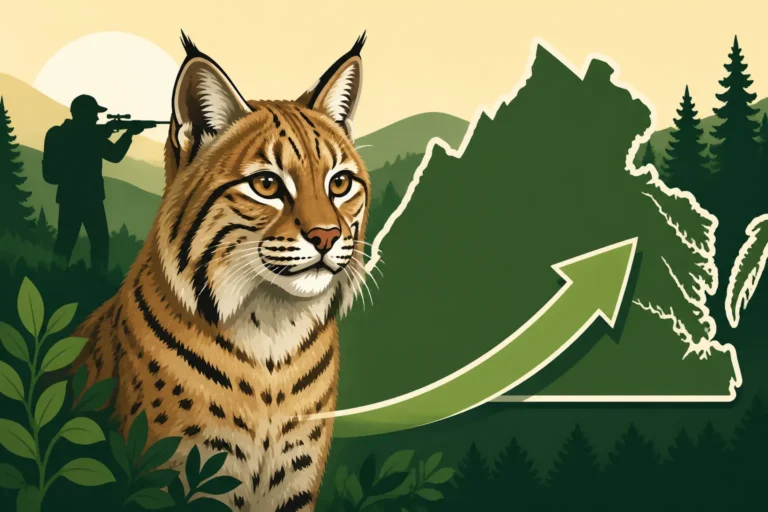
Virginia bobcat population recovery, historical declines, biology, and conservation efforts by the Department of Wildlife Resources.