Virginia Feral Swine Genetics and Origin
The growing presence of feral swine in Virginia poses a significant threat to the Commonwealth's natural ecosystems, agricultural industry, and even native wildlife populations. These incredibly adaptable and destructive animals are not just a nuisance; they are an invasive force whose genetic makeup and origin stories play a critical role in understanding their rapid spread and resilience. This comprehensive guide will unravel the complex history and genetic background of Virginia's feral swine, shedding light on why they are such a persistent problem and what challenges they present for management.
The Unwelcome Arrival: Tracing Feral Swine Introduction to Virginia
Feral swine didn't just appear overnight in Virginia. Their history in the state is a complex tapestry woven from centuries of human activity, ranging from colonial-era practices to more modern, sometimes illicit, introductions. Understanding these pathways is crucial to grasping how they became such an entrenched problem.
Historical Pathways and Early Introductions
The story of pigs in Virginia stretches back to the very earliest European settlements. When colonists arrived, they brought with them domesticated livestock, including pigs, which were highly valued for their meat and ability to forage for themselves. These early pigs were often allowed to range freely, a common practice in those times, meant to feed a burgeoning population without constant supervision. It was inevitable that some of these animals would escape their loosely supervised environs and establish wild populations in the vast, undeveloped landscapes of the colony. These initial escapees adapted remarkably well to the abundant forests and wetlands, gradually losing some of their domestic traits and developing a more rugged, wilder disposition. For a long time, these scattered populations might have been localized, perhaps mistaken for smaller, wilder versions of their domestic counterparts, or simply considered part of the natural, albeit introduced, fauna. Their impact was likely minimal compared to today, given the lower population densities of both humans and swine, and the sheer scale of untouched wilderness available.
More Recent Dispersal: Accidental Escapes and Intentional Releases
While those early, colonial-era escapees formed a foundation, the more recent and dramatic expansion of feral swine populations in Virginia has been fueled by two primary drivers: accidental escapes from modern farms and, more problematically, intentional releases. Even today, domestic pigs can escape from commercial or small-scale farms, particularly during transportation or through inadequate fencing. These escapees, if not quickly recaptured, can quickly revert to a wild state, especially if they breed with existing feral populations. They bring new genetic material and often larger body sizes or higher reproductive rates into the wild gene pool.
However, a significant accelerant in the spread of feral swine, and a more insidious problem, has been the intentional release of pigs for hunting purposes. For decades, in various parts of the country, some individuals or groups released domestic or hybrid pigs into the wild, hoping to create new hunting opportunities for what they perceived as "wild game." This practice, often illegal, has led to rapid colonization of new territories, sometimes far from existing feral populations. These deliberately introduced animals, especially those with some wild boar genetics, quickly establish breeding populations that can explode in number. This kind of human intervention has been a major factor in How Wild Hogs Spread Across Virginia, rapidly expanding their footprint from isolated pockets to a more widespread, critical concern for the Commonwealth.
A Complex Pedigree: Understanding Virginia's Feral Swine Genetics
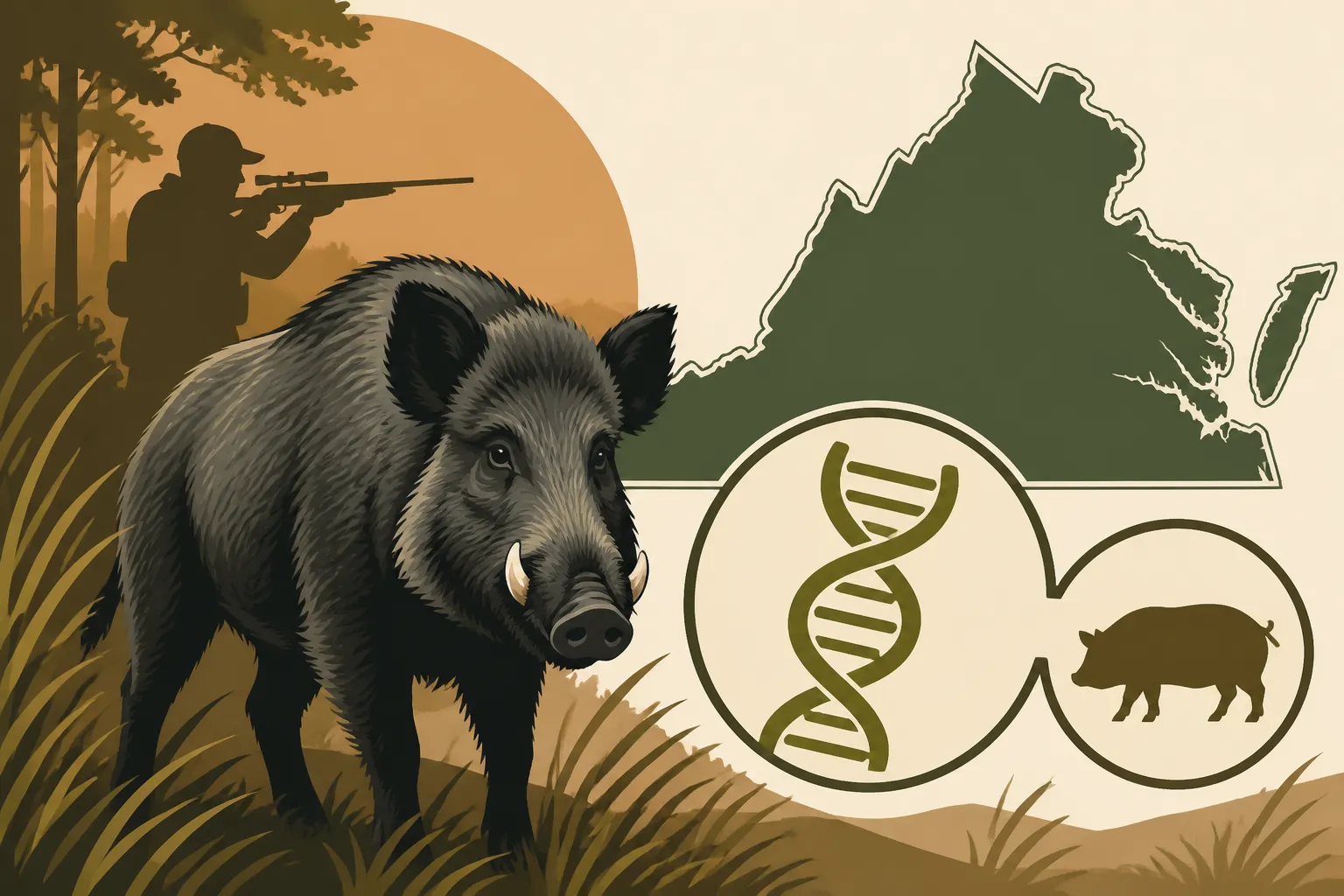
The term "feral swine" itself hints at a mixed heritage. Unlike a purely wild species, these animals carry a genetic legacy that reflects both their ancient roots and more recent domestic influences. This complex genetic cocktail is a key factor in their remarkable adaptability, resilience, and the challenges they pose for management.
The Ghost of the Old World: Wild Boar Ancestry
Many of the feral swine roaming Virginia today carry genetic markers that link them directly to European wild boars (Sus scrofa). These "pure" wild boars were intentionally introduced to parts of the United States, including some southern states, for hunting in the late 19th and early 20th centuries. While not necessarily directly introduced to Virginia in large numbers as pure stock, their genetics have undoubtedly intermingled with existing feral pig populations through migration and intentional releases in neighboring states. This wild boar ancestry contributes several key characteristics to Virginia's feral swine. Physically, it often means a leaner, more muscular body, a darker, coarser coat, a longer, more pointed snout, and formidable tusks in both males and some older females. Behaviorally, these genes contribute to their heightened wariness, aggression when threatened, and a deep-seated instinct for survival in the wilderness. They are incredibly adept at finding food, evading predators, and utilizing dense cover, making them exceptionally elusive and challenging to track for even experienced hunters.
The Domestic Mix: Influence of Farm Pig Genes
Alongside the wild boar lineage, the genetics of escaped domestic pigs are undeniably present and, in many areas, dominant within Virginia's feral swine populations. When domestic pigs escape, they bring with them traits that, while beneficial for commercial production, contribute to the feral swine problem in unexpected ways. Domestic pigs have been selectively bred over centuries for rapid growth, large body size, and, critically, high reproductive rates with larger litter sizes. These traits, when introduced into a wild setting, contribute to the astonishing reproductive capacity of feral swine.
You might encounter feral pigs in Virginia with varied coat colors – black, brown, red, or even spotted – which are tell-tale signs of their domestic heritage. They might also exhibit a somewhat less pronounced fear of humans, especially if they are recent escapees. However, it's a mistake to think these animals are "tame." Even a recently escaped domestic pig quickly develops wild instincts once it has to fend for itself, and when they breed with existing feral populations, those survival traits are rapidly reinforced. The domestic genetic contribution essentially supercharges the feral population with a reproductive engine that allows them to quickly rebound from control efforts, leading to persistent populations even in areas where active removal is ongoing.
Hybrid Vigor and Adaptation
Perhaps the most significant genetic factor contributing to the feral swine challenge is what scientists call "hybrid vigor" or heterosis. This phenomenon occurs when two distinct genetic lines (in this case, wild boars and domestic pigs) interbreed, resulting in offspring that are often stronger, more resilient, and more adaptable than either parent stock. Imagine taking the raw survival instincts and hardiness of a European wild boar and combining them with the fast growth rates and prolific breeding capabilities of a domestic pig. The result is an animal perfectly engineered for rapid population expansion and survival in diverse environments.
Virginia's feral swine benefit immensely from this hybrid vigor. They exhibit an astonishing capacity to thrive in almost any habitat, from the dense mountain forests to the agricultural fields of the Piedmont and the swampy areas of the Tidewater. Their diverse gene pool allows them to exploit a wide range of food sources, withstand varied weather conditions, and quickly adapt to human pressure. This genetic advantage, particularly the ability to produce multiple large litters annually, is a primary reason Why Piedmont Hogs Reproduce So Fast and why controlling these populations is such an uphill battle, requiring sustained, intensive efforts over long periods.
The Ecological and Economic Toll: Impacts of Virginia's Feral Swine
The presence of feral swine in Virginia is far more than an ecological curiosity; it's a full-blown crisis for the Commonwealth's natural resources and agricultural economy. Their destructive habits manifest in multiple ways, leaving a trail of damage that can be difficult and costly to reverse.
Habitat Destruction and Agricultural Damage
Feral swine are ecological bulldozers. Their primary mode of foraging, known as "rooting," involves digging into the soil with their tough snouts in search of tubers, roots, insects, and grubs. While this might sound innocuous, on a larger scale and with multiple animals, the impact is catastrophic. They literally "plow" fields, uprooting vast expanses of native vegetation, compacting soil, and disrupting delicate soil structures. This rooting can destroy critically important plant communities, degrade water quality by increasing erosion, and even alter the composition of forest floors. Imagine a forest floor that usually has a healthy layer of duff and undergrowth suddenly looking like a rototilled garden – that's the signature of feral swine.
For Virginia's agricultural sector, the damage is even more direct and economically devastating. Feral swine regularly invade crop fields, destroying corn, soybeans, peanuts, and other valuable harvests. They don't just eat what they need; they often trample, root up, and contaminate far more than they consume, leaving fields unusable. This leads to significant financial losses for farmers, forcing them to invest in expensive fencing, deterrents, or suffer reduced yields. This direct economic impact is a major part of Crop Damage Hogs Cause in Virginia, affecting livelihoods across the state. They also damage pastures, hayfields, and irrigation systems, creating costly repairs and ongoing headaches for landowners.
Disease Transmission and Wildlife Health Risks
One of the most concerning aspects of feral swine populations is their role as potential disease vectors. These animals can carry and transmit a host of pathogens and parasites that pose serious threats to domestic livestock, other wildlife species, and, in some cases, even humans. Diseases like pseudorabies, swine brucellosis, leptospirosis, and various strains of influenza are common among feral swine. While pseudorabies and brucellosis typically don't affect humans, they can cause devastating losses in commercial hog operations, leading to strict quarantines and culling if an outbreak occurs.
The risk extends to native wildlife as well. Feral swine can act as a disease reservoir, transmitting pathogens to deer, bears, raccoons, and other animals. This can weaken native populations, making them more susceptible to other environmental stressors. Furthermore, feral swine can contaminate water sources with bacteria like E. coli, posing a risk to both wildlife and human health, especially in areas with recreational activities. Monitoring and controlling the spread of these diseases is a monumental task, made more difficult by the secretive and wide-ranging nature of feral swine. While not directly related to the specific issue of Chronic Wasting Disease (CWD) in deer, the overall wildlife disease monitoring efforts in Virginia are constantly challenged by the presence of these disease-carrying invaders.
Competition with Native Wildlife
Beyond physical destruction and disease, feral swine directly compete with Virginia's native wildlife for essential resources. They are opportunistic omnivores with incredibly diverse diets, consuming everything from acorns, nuts, and roots to insects, eggs, and even small vertebrates. This dietary flexibility puts them in direct competition with a wide array of native species. Deer, bears, turkeys, squirrels, and many other animals rely on seasonal mast crops like acorns for critical energy reserves, especially in fall and winter. When large sounders of feral swine move through an area, they can quickly decimate these mast crops, leaving little for native species.
Furthermore, feral swine are known predators of ground-nesting birds, like wild turkeys and quail, and can prey on the fawns of white-tailed deer. Their rooting habits also destroy the nesting cover and food sources for these same birds and other small game. This competition and predation can lead to declines in native wildlife populations, disrupting the delicate balance of Virginia's ecosystems. In some areas, feral swine can become a dominant force in the food chain, outcompeting even established predators like coyotes for certain food sources, even though Virginia Coyote Diet in Farm Country is broad. The loss of biodiversity and the alteration of natural food webs caused by feral swine have long-term implications for the health and stability of Virginia's wild places.
Strategies for Containment: Managing Feral Swine in Virginia
Managing feral swine in Virginia is an ongoing, often frustrating battle. Their prolific breeding, elusive nature, and wide-ranging habits demand a multi-faceted approach, combining scientific monitoring, aggressive control methods, and active participation from landowners and hunters.
Monitoring and Population Assessment
You can't effectively manage what you can't measure, and feral swine are notoriously difficult to count. Their nocturnal habits, dense cover preferences, and ability to move long distances make accurate population assessments a significant challenge for wildlife agencies like the Virginia Department of Wildlife Resources (DWR). However, monitoring is crucial for understanding their distribution, identifying new incursions, and evaluating the effectiveness of control efforts. This often involves a combination of methods. Landowners and hunters are vital partners in this process, reporting sightings, signs of activity, and successful removals. Many DWR initiatives rely on these citizen science efforts to map where the hogs are showing up.
Beyond direct observation, tools like trail cameras are invaluable for capturing images and videos of feral swine activity, providing insights into their numbers, movement patterns, and group sizes (known as sounders). DWR biologists also conduct targeted surveys, often involving remote sensing or aerial observations in specific problem areas. While there isn't a single GoHunt-specific platform for feral swine in Virginia, commercial scouting applications like GoHunt can certainly aid individual hunters and landowners in documenting their observations, marking locations of rooting, wallows, or hog sightings, which can then be shared with DWR. This localized data collection is crucial for building a comprehensive picture of the feral swine threat across the Commonwealth.
Integrated Control Methods
Given the incredible reproductive rate and resilience of feral swine, no single control method is sufficient to manage them. An integrated approach, combining several strategies, is essential for any hope of containment or reduction. Trapping is widely considered the most effective method for removing entire sounders. Large, corral-style traps equipped with remote-monitoring gates allow managers to capture multiple animals at once, preventing fragmented groups from simply reforming and continuing to breed. Successful trapping requires careful scouting, strategic placement, and persistent monitoring, making Trapping Virginia Feral Hogs a specialized skill that yields the best results when executed thoroughly. The goal is to remove as many animals as possible from a given area.
Hunting also plays a role in feral swine removal, especially as a reactive measure. Virginia allows Hunting Virginia's Year-Round Feral Hogs on private land, often with no bag limits, encouraging hunters to take as many as they can. While recreational hunting alone rarely eradicates a population due to the hogs' ability to reproduce faster than they can be hunted, it can help reduce numbers and disperse sounders, especially when combined with other methods. For those on private land, Night Hunting Hogs With Lights on Private Land is another effective technique that capitalizes on their nocturnal tendencies and can be particularly useful in agricultural areas where immediate removal is critical. The key is consistent, intense pressure applied through a variety of methods. The cumulative effect of these efforts, when well-coordinated, is what ultimately leads to measurable success, as demonstrated by insights into Virginia Hog Trapping Success Rates.
Regulatory Framework and Hunter Participation
Virginia's regulatory framework regarding feral swine reflects their status as an invasive, destructive species rather than a game animal. The state generally classifies them as an unprotected species, allowing for year-round hunting on private land without specific closed seasons or bag limits. This liberal approach is designed to encourage landowners and hunters to remove them whenever possible. This means that rules like Virginia's Year-Round Hog Rule on Private Land allow for maximum opportunity to eliminate them. It's crucial, however, for hunters to always know and adhere to local ordinances and specific property rules.
For hunters, possessing a valid Virginia hunting license is typically required, even for unprotected species, unless you are hunting on your own land. While there are generally no specific "hog hunting permits" for general hunting, landowners experiencing significant damage can apply for Virginia Depredation Permit Process through DWR, which might allow for additional control measures. The DWR encourages hunters to report their harvests and sightings, as this information is vital for understanding the geographic spread and population trends of feral swine. Hunters are truly on the front lines of this battle, and their active participation, vigilance, and adherence to regulations are indispensable in mitigating the threat these animals pose to Virginia's cherished natural landscapes and agricultural heritage.
On the Ground: Identifying Feral Swine and Their Sign
Before you can implement any control measures or simply understand their impact, you need to be able to identify feral swine and the tell-tale signs of their presence. These animals can be elusive, but they leave unmistakable evidence of their activity.
Physical Characteristics and Regional Variations
Feral swine in Virginia display a fascinating and sometimes confusing array of physical characteristics, a direct result of their mixed genetic heritage. You might encounter an animal that looks remarkably like a domestic farm pig – perhaps a pink, spotted, or reddish hog with a round body and short snout. These are often recent escapees or their immediate offspring. However, it's more common, especially in established feral populations, to see animals that lean heavily towards their wild boar ancestry. These pigs typically have dark, often black or grizzled, coarse hair that can be quite shaggy, particularly along the spine. They tend to be leaner and more muscular, with longer legs, an elongated snout, and smaller ears. Males, especially older boars, will have prominent tusks protruding from their mouths, which are canine teeth that continue to grow throughout their lives.
Their size can vary greatly depending on age, genetics, and food availability, ranging from small piglets to large boars weighing several hundred pounds. While there might not be strict "regional variations" in appearance, areas with more established, isolated feral populations might see a higher percentage of animals exhibiting strong wild boar characteristics due to interbreeding within the wild population. Conversely, areas near agricultural operations might see more domestic-looking escapees. Using resources available through platforms like GoHunt, or simply studying field guides and DWR materials, can help hunters and landowners become more adept at distinguishing these different forms of feral swine and understanding their implications for local populations.
Telling Signs: Rooting, Wallowing, and Rubs
Feral swine are masters of leaving behind abundant and obvious signs of their presence, even if the animals themselves remain unseen. The most iconic sign is "rooting" – the extensive disturbance of soil and vegetation as they dig for food. Fields and forests that have been rooted by hogs often look like they've been churned up by a rototiller. You'll see patches of overturned dirt, uprooted plants, and sometimes entire sections of ground that appear "plowed." This rooting behavior is incredibly destructive and can be found in a variety of habitats, from open fields to dense timber, making it a critical indicator for any hunter who is Scouting Virginia Public Land Before Season.
Another unmistakable sign is "wallowing." Feral swine seek out muddy depressions or shallow water to roll in, creating distinct wallows. This behavior helps them cool down, remove parasites, and protect their skin. These wallows are often found near water sources like creeks, ponds, or swamps, and the mud around them will frequently bear clear hog tracks and sometimes hair left behind on nearby trees or vegetation. Lastly, "rubs" are often found on trees, fence posts, or utility poles. Hogs, especially larger boars, will rub against these objects to scratch themselves, remove mud, or mark territory. You'll often find mud, hair, or even tusk marks on the lower sections of these rub objects. All these signs indicate not just presence, but active use of an area by feral swine.
Tracks, Scat, and Travel Patterns
Beyond rooting and wallows, more subtle signs like tracks and scat can confirm the presence of feral swine. Their tracks are cloven, similar to deer, but often broader, rounder, and more splayed, with the dewclaws (smaller toes higher up on the leg) frequently leaving an impression in soft ground, especially in mud or snow. Deer tracks tend to be more pointed and narrow, with dewclaws only showing in very deep mud or when the animal is running. Learning to differentiate these tracks is a crucial skill for tracking any game, and helps when Reading Virginia Mud for Fresh Deer Movement.
Feral swine scat (droppings) is highly variable, reflecting their omnivorous diet. It can range from firm and cylindrical, resembling dog droppings, to softer and more amorphous, depending on what they've been eating. It's often found in small piles or scattered, and you might see undigested plant matter, seeds, or insect parts within it. Understanding their travel patterns is also key. Hogs tend to utilize dense cover, thickets, creek bottoms, and riparian corridors for travel and bedding. They often create distinct trails, or "hog trails," through dense vegetation. These trails might crisscross through an area, leading from bedding cover to feeding areas or water sources. Recognizing these patterns, coupled with identifying tracks and scat, paints a comprehensive picture of feral swine activity, allowing for more targeted control and hunting efforts.
| Trait/Impact | European Wild Boar Genetics (Pure Ancestry) | Domestic Pig Genetics (Recent Escapes) | Feral Swine (Virginia Hybrid Populations) |
|---|---|---|---|
| Physical Appearance | Dark, coarse, shaggy coat; prominent tusks; lean, muscular build; long snout | Varied colors (pink, spotted, red, white); often heavier, fatter; smaller or no visible tusks; shorter snout | Highly variable; often dark but can have spots; prominent tusks common; rugged, adaptable build; diverse sizes |
| Reproductive Rate | Moderate litter size (4-6), typically one litter per year | High litter size (8-12), potential for multiple litters per year under optimal conditions | Very high litter size (6-12+), multiple litters per year (up to 2-3); exceptional survivability of young (hybrid vigor) |
| Temperament | Wary, highly aggressive when cornered, deeply nocturnal, elusive | Docile initially, may become wary quickly once feral; less inherent fear of humans | Wary and elusive in established populations; aggressive when cornered; highly intelligent and adaptable to pressure |
| Survival Instincts | Extremely high; innate foraging skills, excellent senses, strong evasion tactics | Lower, reliant on human provision; quickly reverts to wild instincts in absence of humans | Extremely high; combines wild boars' wariness with domestic pigs' prolificacy; rapid learning and adaptation to threats |
| Ecological Impact | Rooting, habitat disturbance, some competition for mast | Limited direct impact as domestic animal; significant when escaped and establishing feral populations | Severe and widespread: extensive rooting, crop destruction, soil erosion, water contamination, disease transmission, competition with native wildlife |
Disclaimer
This article is for general informational purposes only and does not constitute professional advice. Laws, prices and regulations vary by location and change over time. Consult a qualified professional for guidance on your specific situation.