Poult-to-Hen Ratios and What They Mean
Virginia poult-to-hen ratios explain wild turkey reproductive success, population health, and future hunting season conditions.
Know what you’re after.
Big game, small game, upland birds, and waterfowl — identification, behavior, rut and migration timing, and how each species moves through the season.
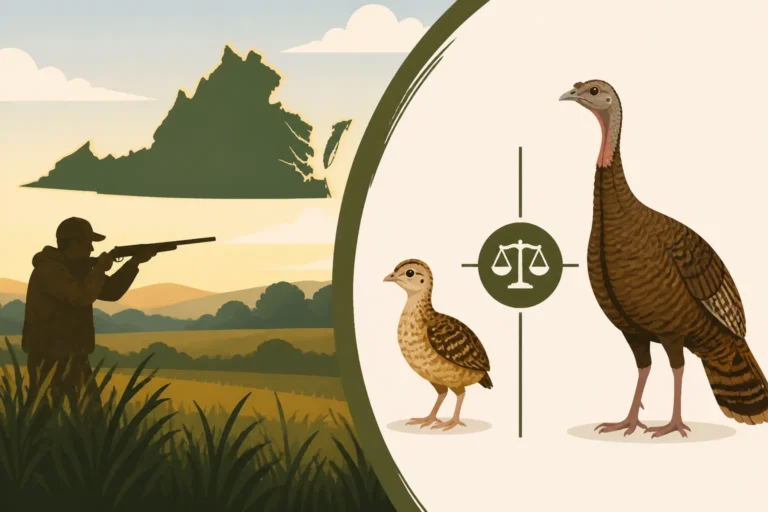
Virginia poult-to-hen ratios explain wild turkey reproductive success, population health, and future hunting season conditions.
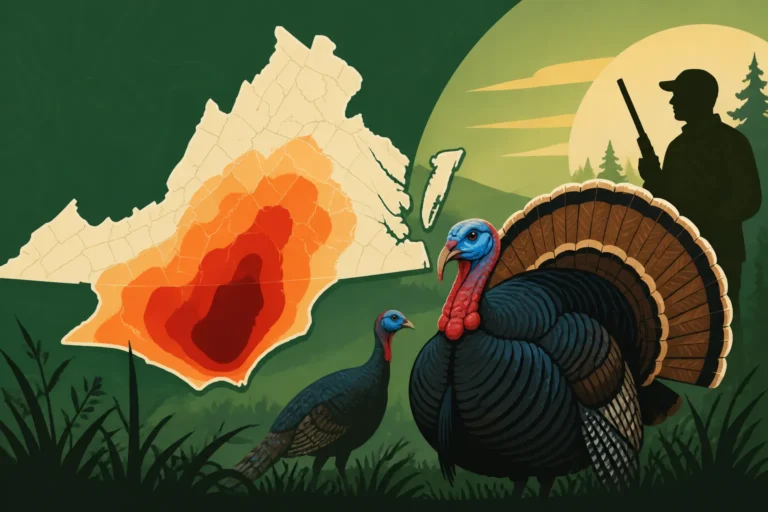
Virginia wild turkey populations concentrate in mature hardwood forests, agricultural edges, river bottoms, and the western mountains.
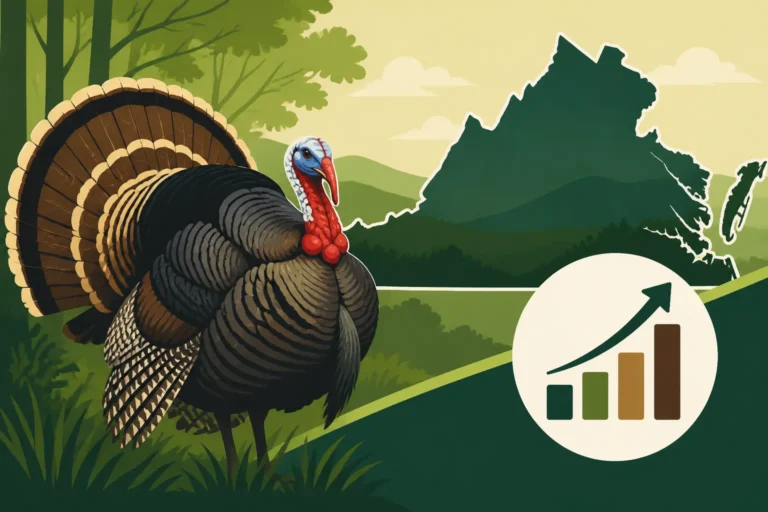
Virginia spring turkey harvest numbers provide hunters with crucial data regarding population health and annual hunting success rates.
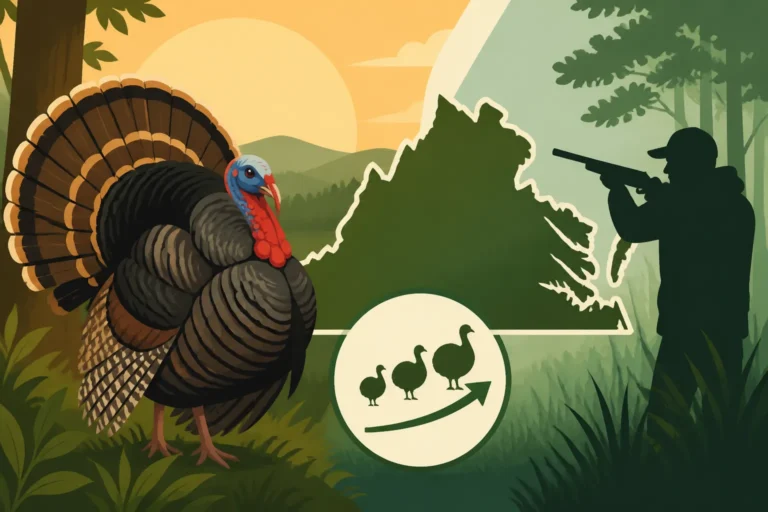
Virginia Department of Wildlife Resources wild turkey population estimates use annual brood surveys and hunter harvest reports.

Virginia black bear behavior near mountain cabins, seasonal feeding habits, and practical methods to prevent unwanted encounters.
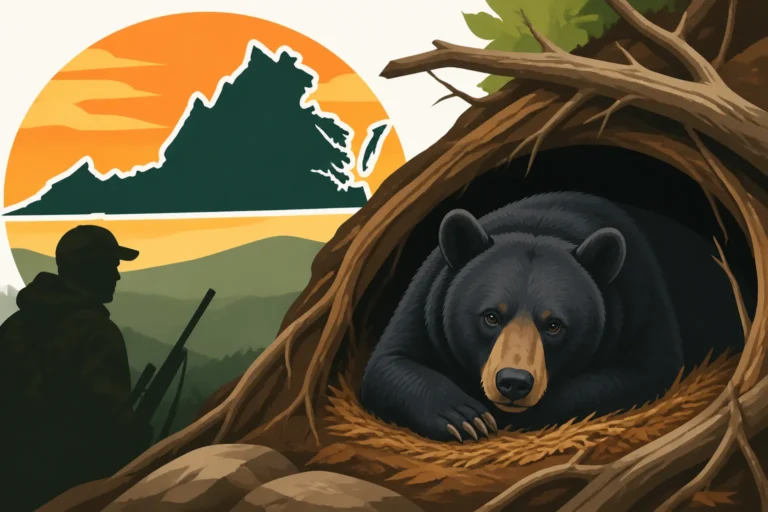
Virginia black bear denning behavior, driven by food scarcity and cold weather, explains winter survival and fat reserves.

Virginia black bear population growth and diverse habitats create opportunities for hunters to encounter massive animals.
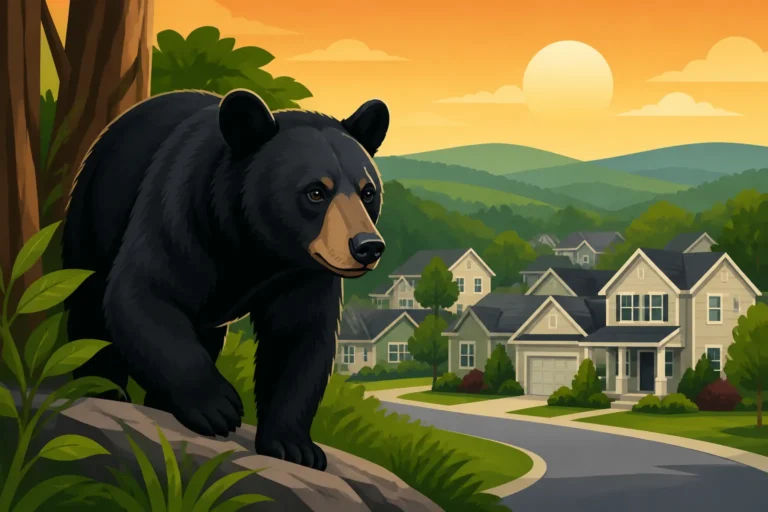
Black bear populations in Virginia are expanding into Piedmont suburbs due to habitat fragmentation and accessible food sources.
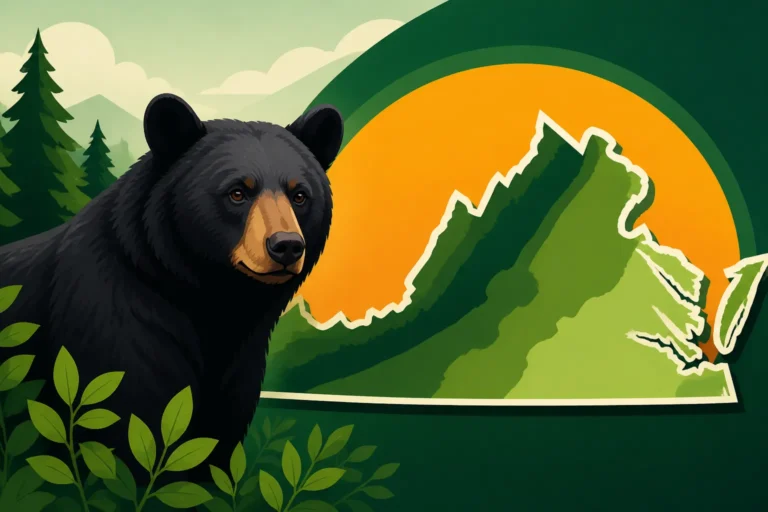
Virginia black bears live in western mountain forests like the George Washington National Forest and have expanded into the Piedmont region.
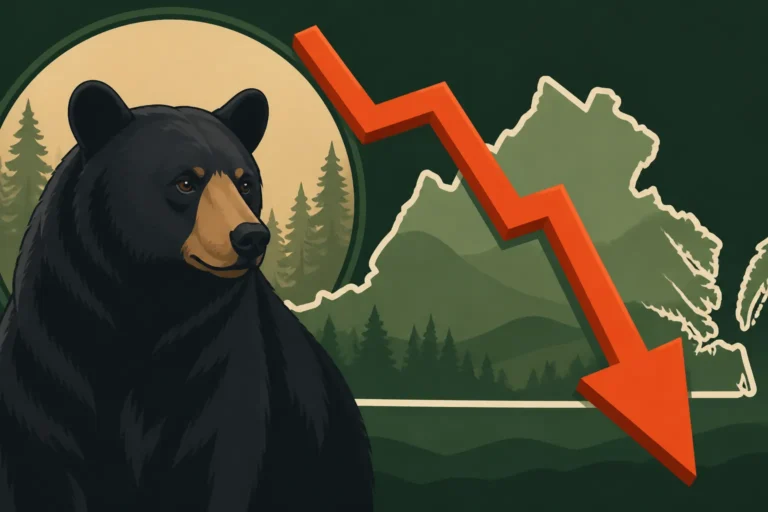
Virginia black bear harvest numbers and trends reflect biological, environmental, and human factors across the Commonwealth.