Why Red Wolves Vanished From Virginia
Red wolves in Virginia, native apex predators that once roamed the Commonwealth, vanished due to human activity and habitat loss.
Know what you’re after.
Big game, small game, upland birds, and waterfowl — identification, behavior, rut and migration timing, and how each species moves through the season.
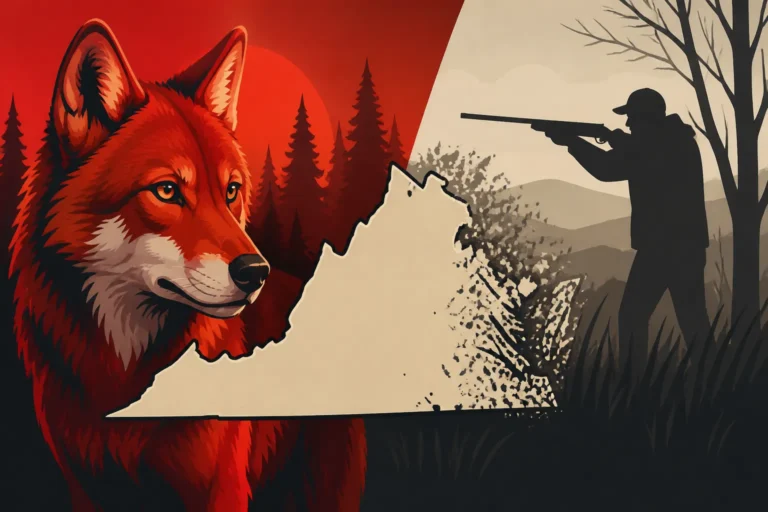
Red wolves in Virginia, native apex predators that once roamed the Commonwealth, vanished due to human activity and habitat loss.
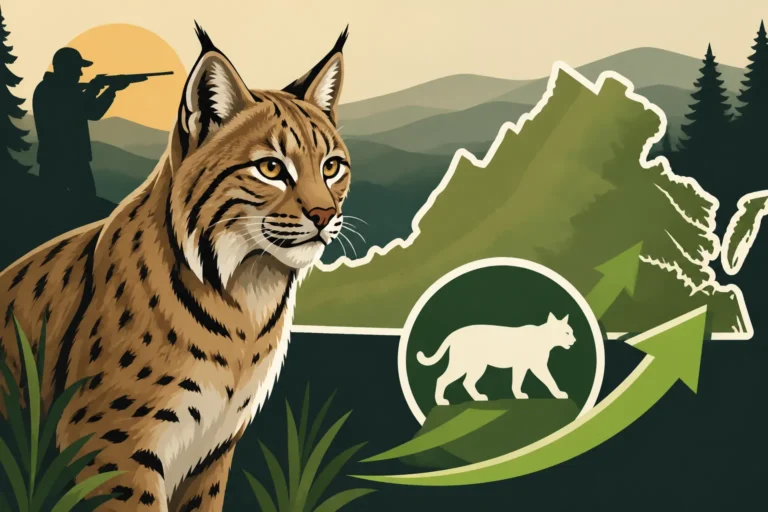
Virginia bobcat populations are recovering across western and central forests due to habitat regrowth and better wildlife management.
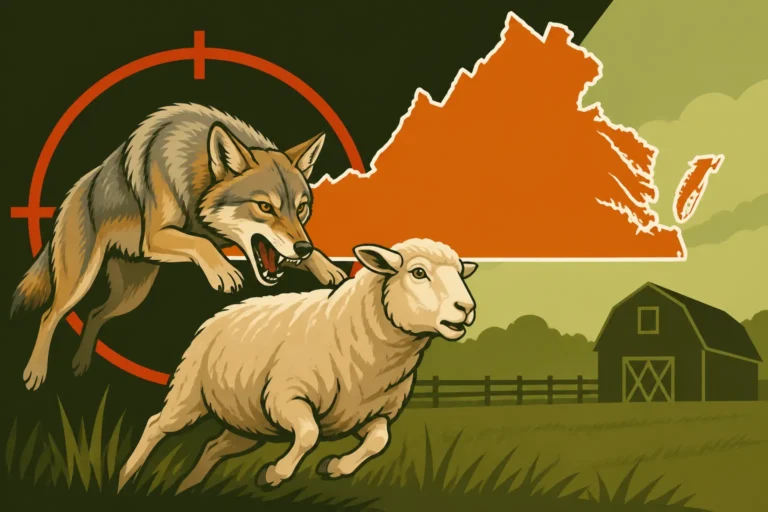
Virginia coyote attacks on livestock explain how to identify predator signs and protect vulnerable farm animals from predators.
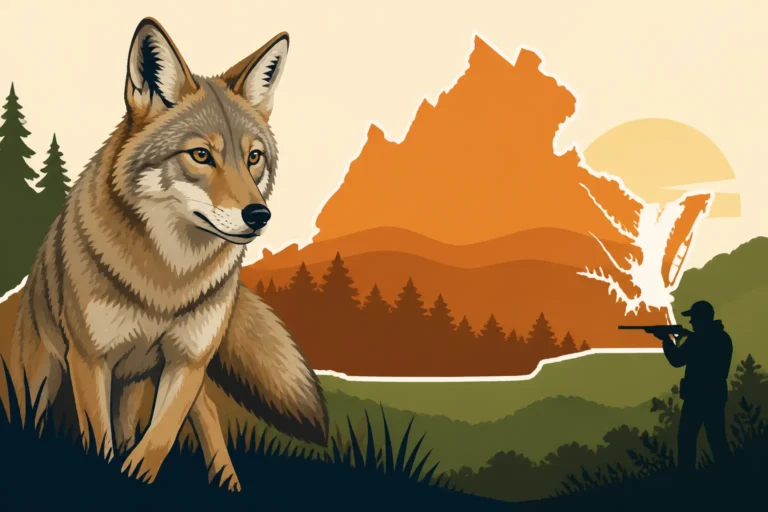
The historical arrival of coyotes in Virginia traces their eastward expansion and verified reports across the state since the late 1960s.
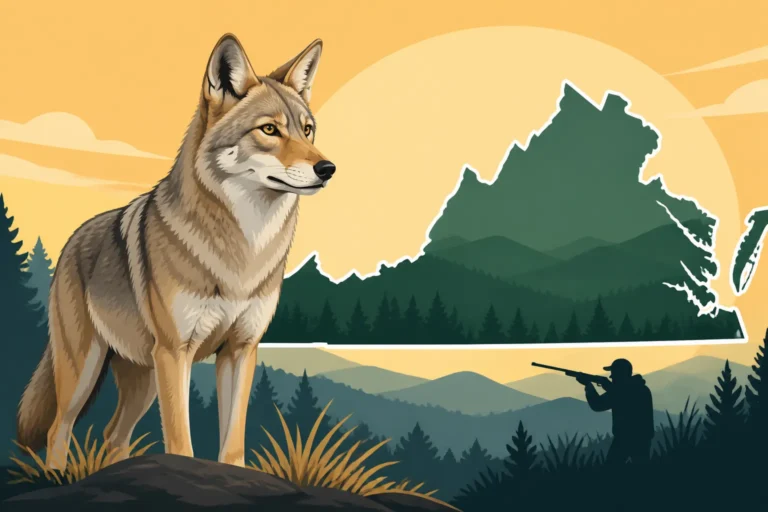
Virginia coyote populations resist precise counts because these adaptable animals thrive across diverse habitats and reproduce rapidly.
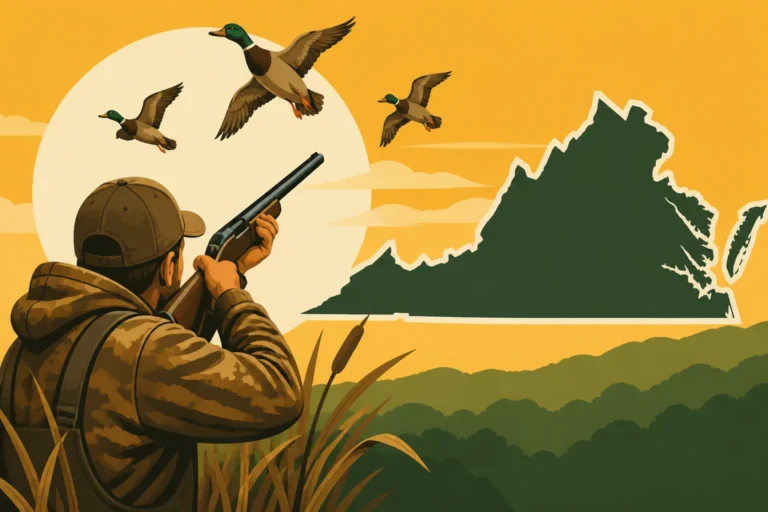
Virginia duck harvest numbers and data help hunters understand population trends, weather impacts, and future hunt strategies.
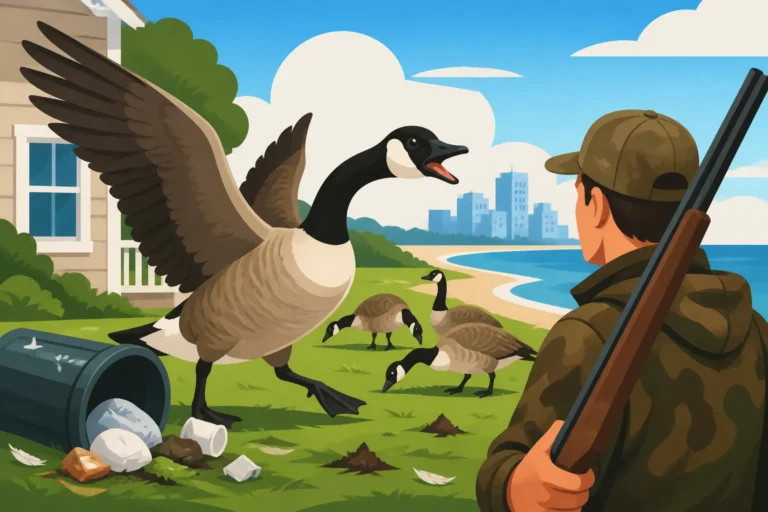
Resident Canada geese populations in coastal Virginia cause property damage, health concerns, and ecosystem degradation.
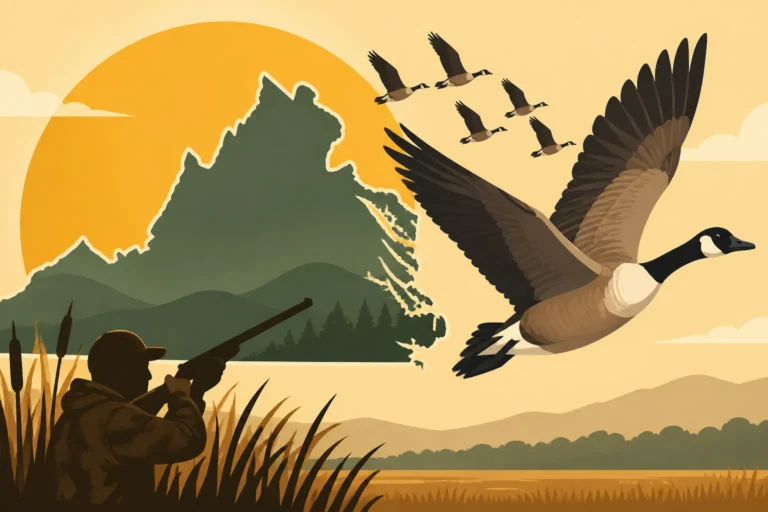
Virginia resident Canada geese origins, behavioral traits, and population growth across local landscapes and hunting seasons.
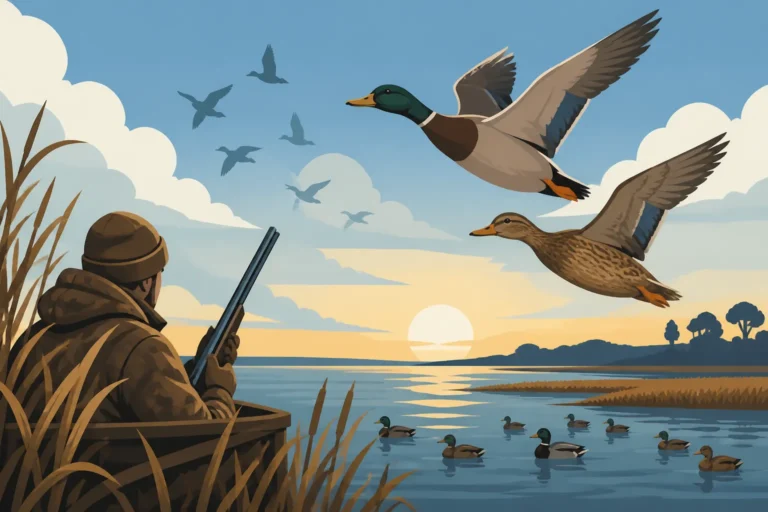
The Chesapeake Bay attracts wintering waterfowl because its abundant aquatic vegetation, mud flats, and agricultural grain fields provide heavy food.
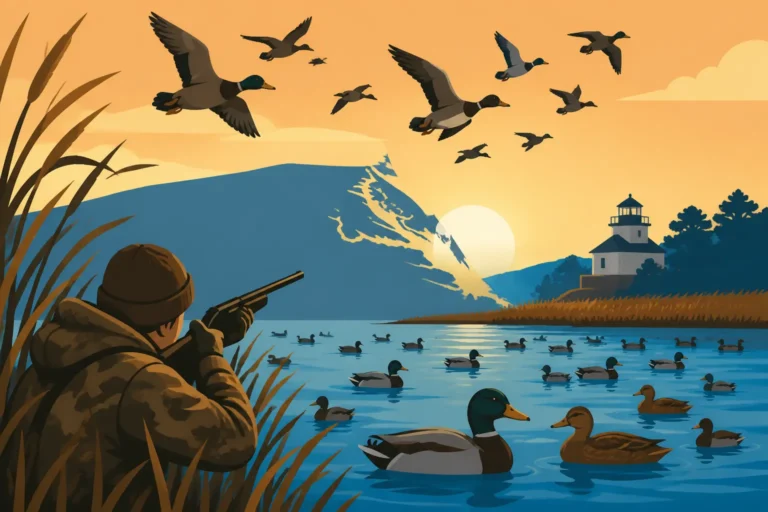
Chesapeake Bay winter duck populations often exceed one million birds, providing vital habitat along the Atlantic Flyway migration route.