Cut Vests and Gear for Hound Dogs
For those of us who live for the bay of a hound on a hot track through Virginia's thick woods, there's nothing quite like the thrill. But that passion comes with a solemn responsibility: protecting our invaluable canine partners from the very real dangers out there. This guide dives deep into the world of cut vests and essential gear, ensuring your hound dogs stay safe, sound, and ready for the next chase, especially when pursuing tough game like bears and feral hogs in the dense Virginia wilderness.
Why Cut Vests Are Essential for Virginia Hound Dogs
When your hounds are on the scent, their focus is absolute. They charge through briar patches, dense undergrowth, over rocky terrain, and into thickets that would give a human pause. While their instincts are sharp, their bodies are vulnerable, especially when engaging with powerful, defensive game. In Virginia, where we actively hunt black bears and have a growing presence of tenacious feral hogs, the risk of serious injury to a dog is a constant concern.
Imagine a pack of hounds baying a cornered black bear in a laurel thicket deep in the Jefferson National Forest. Or picture them bringing a feisty feral hog to bay in a dense river bottom in the Piedmont. Both scenarios put dogs directly in harm's way. Bears can inflict deep claw wounds, and a boar's razor-sharp tusks are notorious for slicing through flesh, causing grievous, often life-threatening injuries. Even without direct contact with game, the sheer ruggedness of Virginia's landscapes—from jagged rocks on mountain slopes to thorny locust trees and tangled multiflora rose bushes in farm country—can tear skin and muscle. A good cut vest isn't just an accessory; it's a vital piece of personal protective equipment for your four-legged hunting partner, safeguarding them from both environmental hazards and the defensive actions of the game they pursue. This commitment to their safety is part of responsible Bear Hunting Virginia's Mountains and Piedmont and Hunting Virginia's Year-Round Feral Hogs.
The Threat of Tusks and Claws
Feral hogs, particularly mature boars, possess formidable tusks. These aren't just for show; they're incredibly effective weapons used to defend themselves and their young. When a hog feels threatened, it will often charge, attempting to slash upward with its tusks. These cuts are deep, dirty, and can easily sever arteries, muscles, and tendons. For a hound closing in on a hog, the chest and belly are the most exposed areas, exactly where a boar aims its attack. I've seen good dogs lose their lives or sustain injuries that ended their careers from a single, well-placed tusk wound. It’s a heartbreaking reality that drives many of us to ensure our dogs are as protected as possible.
Black bears, while typically more prone to flight than fight, can be incredibly dangerous when cornered, injured, or protecting cubs. Their powerful claws can inflict massive trauma, tearing flesh and causing blunt force injuries. When a pack of hounds surrounds a bear, the bear will swat and bite defensively, and a vest offers crucial protection against these attacks. A vest might be the difference between a dog walking away with a bruise and a trip to the emergency vet, or worse. The wild places where we hunt bears, like those discussed in Hunting Mountain Bears in November, are tough on man and beast alike, and adding protection for your dogs is just good sense.
Protecting Against Environmental Hazards
Beyond the direct threat of game, the very act of hound hunting pushes dogs through some of the densest, most unforgiving cover Virginia has to offer. Think of the thick mountain laurel patches on a Blue Ridge slope, or the tangled river cane along a Piedmont creek bottom. These environments are full of sharp sticks, broken branches, hidden rocks, and thick, thorny vegetation that can cause significant cuts, abrasions, and punctures. A dog's chest and flanks, constantly rubbing against this harsh terrain at high speed, are prone to injury.
Furthermore, a dog's sensitive underside, often less protected by fur, is susceptible to scrapes and tears from sharp rocks or stumps as they navigate uneven ground. Even a seemingly minor injury can become a serious infection if not treated promptly, especially in the field. Cut vests provide that crucial layer of defense, allowing your dogs to focus on the chase rather than the punishing environment, ultimately leading to safer, more successful hunts.
Types of Cut Vests and Materials
The market for hound vests has grown considerably as hunters recognize the vital need for dog protection. Today, you'll find a variety of vests, each offering different levels of protection based on their construction and the materials used. Understanding these differences is key to choosing the right vest for your dogs and the specific challenges they face in Virginia's hunting grounds.
Choosing the right material often involves a trade-off between protection, flexibility, weight, and cost. It's not a one-size-fits-all decision, and many experienced hound hunters mix and match vest types depending on the dog's role in the pack or the specific game being pursued.
High-Performance Fabrics: Kevlar and Dyneema
When maximum puncture and slash resistance are paramount, vests incorporating materials like Kevlar or Dyneema are the gold standard. These are the same types of synthetic fibers used in bulletproof vests and other high-strength applications.
- Kevlar: This aramid fiber is incredibly strong and lightweight for its protective qualities. Vests using Kevlar typically feature multiple layers of the material, sometimes stitched into a canvas or Cordura outer shell. The tightly woven fibers resist cuts and punctures extremely well, making them ideal for protection against hog tusks. A dog wearing a well-made Kevlar vest has a significantly higher chance of walking away from a direct strike without life-threatening injury. However, Kevlar vests can be more expensive and, due to the layering, might be slightly stiffer or warmer than other options.
- Dyneema: Also known as Ultra-High Molecular Weight Polyethylene (UHMWPE), Dyneema is another incredibly strong, lightweight synthetic fiber. It boasts an even higher strength-to-weight ratio than Kevlar and offers excellent resistance to cuts and abrasion. Vests featuring Dyneema often prioritize a balance of protection and flexibility, allowing dogs greater freedom of movement while still providing robust defense against sharp objects and animal attacks. These vests are often slightly more flexible than their Kevlar counterparts, which can be a real benefit for dogs covering a lot of ground in diverse terrain.
Durable Outer Shells: Cordura and Canvas
While high-tech fibers provide the core protection, the outer shell of a vest is crucial for abrasion resistance and overall durability.
- Cordura: This is a family of nylon fabrics known for its exceptional strength, tear resistance, and abrasion resistance. It's often used as the outer layer for vests containing Kevlar or Dyneema, or as the primary protective material in lighter-duty vests. Cordura stands up well to repeated abuse from briars, rocks, and rough terrain. It's also relatively easy to clean and holds up well against moisture. Vests made primarily of Cordura, sometimes with internal padding or additional layers, offer good protection against general scrapes and minor punctures, suitable for situations where hog tusks are less of a direct threat, but tough cover is still an issue.
- Heavy-Duty Canvas: Traditional canvas vests, often made from heavy-gauge cotton or synthetic blends, offer a robust and affordable option. While they may not have the extreme cut resistance of Kevlar, they provide excellent abrasion protection and can be quite durable against snags and tears. Canvas vests are often favored for their breathability in warmer weather and their more pliable nature. They can be a good choice for dogs running in less hazardous areas or for those primarily chasing small game or deer, where the risk of direct combat with dangerous game is lower. Some canvas vests are designed with pockets for inserts, allowing hunters to add their own layers of protective material.
Here's a quick comparison of common vest materials:
| Material Type | Primary Protection | Key Advantage | Key Disadvantage | Best Use Case |
|---|---|---|---|---|
| Kevlar/Dyneema | Puncture, Slash, Cuts | Extreme protection | Higher cost, can be less flexible/warmer | Hog hunting, bear hunting, heavy cover, first strike dogs |
| Heavy-Duty Cordura | Abrasion, Minor Punctures | Durability, versatile | Less slash-resistant than Kevlar | General hunting, medium cover, backing dogs, good balance |
| Heavy Canvas | Abrasion, Snags | Affordability, breathable | Lower puncture/slash resistance | Lighter cover, training, small game, general ruggedness |
Key Features to Look for in a Quality Cut Vest
Choosing the right cut vest for your hounds goes beyond just the material. Several design features play a critical role in the vest's effectiveness, comfort, and the overall safety of your dog. A well-designed vest will fit properly, be highly visible, and integrate with other essential tracking gear you rely on.
Proper Fit and Sizing
This is perhaps the most critical factor. A vest that's too loose can snag on branches, shift during a chase, or even impede the dog's movement. One that's too tight can chafe, restrict breathing, or cause overheating. You need a vest that allows for full range of motion without gapping or rubbing.
- Measure Accurately: Before buying, measure your dog's chest circumference (just behind the front legs), neck circumference, and length from the base of the neck to the start of the tail. Most manufacturers provide sizing charts, and it’s always best to follow their specific guidelines.
- Adjustability: Look for vests with multiple adjustable straps, often with heavy-duty buckles or Velcro. This allows for a snug fit that can be fine-tuned. Remember, dogs can gain or lose a little weight throughout the season, and adjustability helps maintain that perfect fit.
- No Interference: The vest shouldn't rub raw spots under the armpits, restrict the shoulders, or impede natural movement of the tail or legs. After putting the vest on, let your dog move around for a few minutes to ensure it's comfortable and doesn't cause any immediate issues.
High Visibility and Color Options
In the dense woods of Virginia, especially during firearms season, visibility is paramount for both hunter and dog safety. Virginia Blaze Orange Requirements are important for hunters, and the same principles apply to our canine companions.
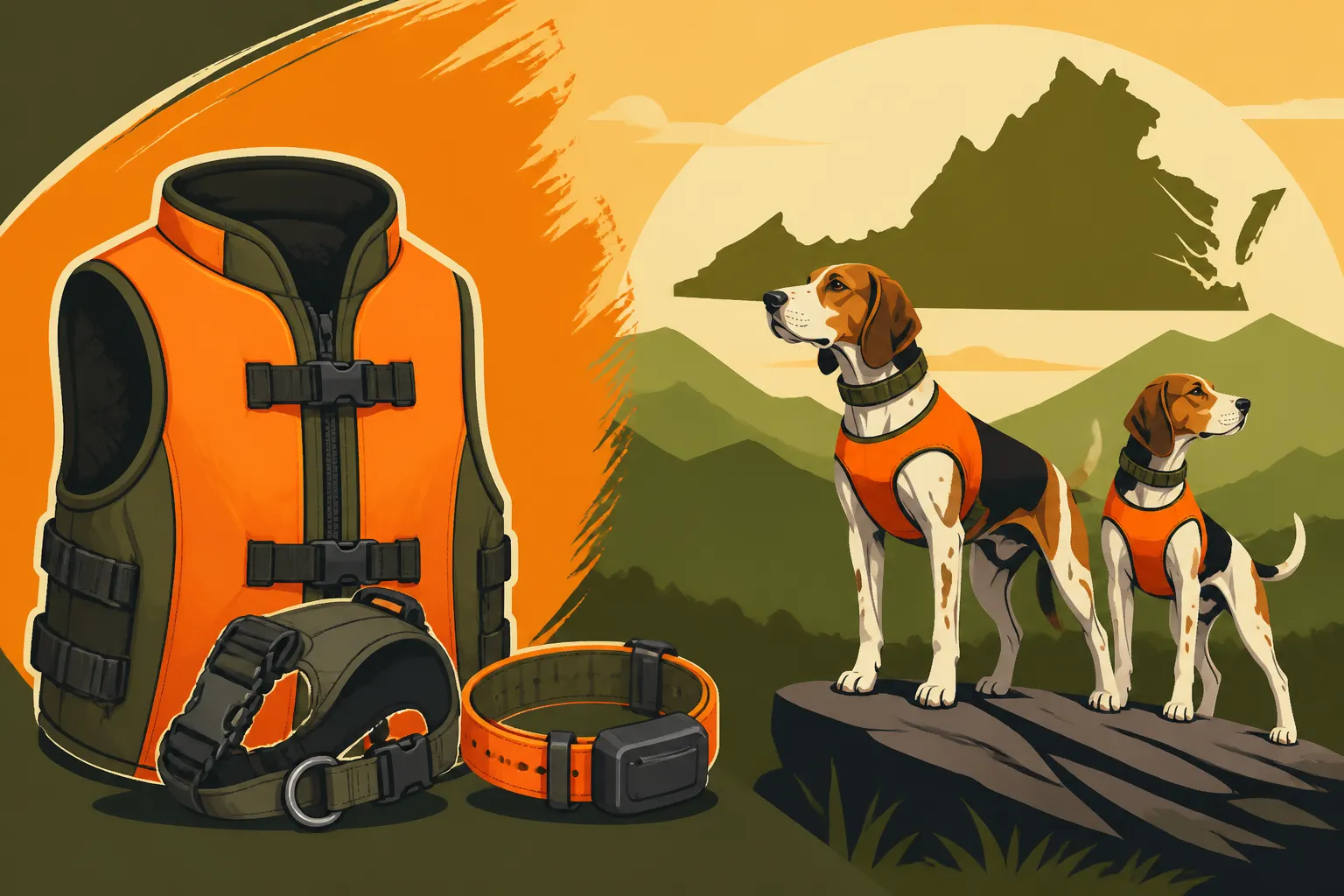
- Blaze Orange or Yellow: These colors stand out dramatically against natural backgrounds, making it easier for you and other hunters to spot your dogs, even in thick cover or at a distance. Many vests integrate these high-visibility colors into their design. This is especially crucial during deer drives or when hunting areas that might see other hunters.
- Reflective Strips: For hunting at dawn, dusk, or when recovering dogs after dark, reflective strips are invaluable. They catch the light from headlamps or vehicle headlights, making dogs visible when natural light is low. A surprising number of dogs get hit on roads at night, and reflective gear is a simple yet effective preventative measure.
Integrated GPS Pockets and Features
Modern hound hunting relies heavily on GPS tracking to keep tabs on dogs covering vast distances. A quality cut vest often incorporates features designed specifically for these devices.
- Secure Pockets: Look for vests with dedicated, secure pockets designed to hold GPS collars (like Garmin Alpha or Astro units) or tracking transmitters. These pockets should be positioned to minimize interference with the GPS signal and prevent the device from snagging or falling out. A secure flap or zipper closure is essential to protect your expensive tracking equipment from damage and loss.
- Antenna Pass-Throughs: Some vests have a small opening or sleeve to allow the GPS antenna to protrude without compromising the integrity of the vest or the signal. This is a small detail that makes a big difference in ensuring consistent tracking.
- Harness Integration: Some premium vests are designed as full harnesses, integrating the cut-resistant material with attachment points for leashes or recovery lines. This adds versatility, allowing you to easily handle your dogs when off the chase.
- Using GoHunt for Tracking: Many hunters use mapping apps like GoHunt to complement their GPS collars. While the GoHunt app doesn't directly interact with the vest, a vest with a well-placed GPS pocket means your Garmin Alpha or Astro unit is securely held, and its signal is maximized, feeding reliable location data to your GoHunt map on your phone. This allows you to see your dog's location overlaid on property lines, topo maps, and aerial imagery, which is incredibly useful when Scouting Virginia Public Land Before Season or keeping track of where your dogs are in relation to boundaries.
Other Essential Gear for Hound Dogs in Virginia
Beyond cut vests, a successful and responsible hound hunter in Virginia needs a comprehensive kit to ensure the well-being and effective management of their canine team. These additional tools are just as important as the vests themselves for safety, communication, and post-hunt care.
GPS Tracking Collars
This is arguably the single most important piece of modern hound hunting gear. Long gone are the days of guessing where your dogs might be or relying solely on bells and listening. Virginia's terrain, from the sprawling George Washington National Forest to dense river bottoms, can quickly swallow a dog's sound.
- Reliable Tracking: GPS collars provide real-time location data, showing you exactly where each dog is, how fast they're moving, and even their direction. Systems like the Garmin Alpha and Astro series are mainstays for a reason; they are rugged, reliable, and offer impressive range. Many units integrate with smartphone apps, allowing you to visualize your dog's track on detailed topographic maps or aerial photos, often with the ability to overlay property boundaries. This capability is enhanced when using a robust mapping platform like GoHunt, which can display your dogs' positions over detailed land ownership and topographic layers, providing invaluable context for their movements, especially when they roam far afield.
- Dog-Specific Features: Modern GPS collars also often include features like bark detection, which tells you if a dog is baying at a tree or a specific location. Some even have a remote e-collar function (more on that below) built right into the tracking unit, reducing the amount of gear on the dog's neck. Investing in quality GPS collars is an investment in both your dogs' safety and your peace of mind.
E-Collars for Communication and Control
While hounds are bred for their drive, effective communication and control are paramount, especially when working multiple dogs or encountering unexpected situations. E-collars, or electronic training collars, are indispensable tools when used correctly and humanely.
- Remote Communication: E-collars allow you to send a tone, vibration, or static stimulation to your dog from a distance. This is crucial for reinforcing commands like "come," "stay," or "leave it," which can be difficult to enforce when a dog is focused on a scent. For example, if a dog is about to cross a road or gets too close to a protected area, a quick, consistent reminder can prevent a dangerous situation.
- Reinforcing Training: These collars are training aids, not punishment devices. They are best used to reinforce commands your dog already understands, providing a "tap on the shoulder" when they're distracted. Many serious hound hunters use them to teach dogs to be quiet in the truck, to load up promptly, or to break off a chase if it leads into an undesirable area. Proper use of an e-collar is part of responsible Virginia Bear Hound Training Season Rules.
- Choosing the Right Collar: Look for reputable brands that offer multiple stimulation levels, ensuring you can find the lowest effective level for each dog. Waterproofing and good battery life are also key features for hunting in Virginia's varied weather conditions.
Comprehensive Canine First Aid Kit
Accidents happen, even with the best protective gear. Having a well-stocked first aid kit specifically for your dogs can be a lifesaver, allowing you to provide immediate care for injuries in the field before you can get to a veterinarian. A separate kit from your personal First Aid Kits for Remote Mountain Ground is a good idea, as dog needs differ.
- Wound Care: This should include antiseptic wipes, sterile gauze pads, self-adhesive wrap (like VetWrap), medical tape, scissors, and a wound flushing solution (like saline). For deep cuts or puncture wounds, having a styptic powder or QuikClot can help control bleeding until professional help can be reached.
- Medications: Consider carrying dog-specific pain relievers (consult your vet for appropriate options), anti-inflammatories, and possibly a broad-spectrum antibiotic if recommended by your vet for emergencies.
- Tools: A sturdy pair of tweezers for thorn removal, a tick remover, and a small flashlight for examining wounds in low light are also useful.
- Splinting Material: In case of a broken leg or severe sprain, having some rigid material (e.g., small splint, heavy cardboard) and plenty of tape can help stabilize the injury for transport.
- Emergency Contact Info: Keep your vet's number and the number for the nearest emergency vet clinic readily accessible.
Hydration and Nutrition
Hound hunting is physically demanding for dogs. They expend an incredible amount of energy, especially during long chases.
- Portable Water: Always carry plenty of water for your dogs. Collapsible water bowls are excellent for field use. Dehydration can quickly lead to exhaustion and heatstroke, especially on warmer days during early season hunts.
- High-Energy Snacks: During extended hunts, providing high-energy dog treats or a small amount of their kibble can help replenish their energy levels and keep them performing their best.
- Electrolyte Supplements: Some hunters carry canine electrolyte supplements to add to water, which can help dogs recover faster after strenuous activity.
Bells and Tracking Beepers
While GPS collars are invaluable, sometimes a traditional approach can still be helpful, especially in areas with spotty cell service or extremely dense cover.
- Aural Tracking: Bells attached to collars or harnesses provide an audible cue to your dog's general location. You might not know their exact coordinates, but hearing the distant jingle can confirm they're still moving and give you a general direction.
- Tracking Beepers: These small electronic devices emit an intermittent beep that can be heard from a distance. Some models allow you to switch to a continuous "locate" mode when you're trying to pinpoint a stationary dog. They work well in conjunction with GPS, offering an alternative when a dog might be tucked into a hollow or thicket where the GPS signal is weak, or you're simply trying to get a bearing without constantly checking your device.
Disclaimer
This article is for general informational purposes only and does not constitute professional advice. Laws, prices and regulations vary by location and change over time. Consult a qualified professional for guidance on your specific situation.