Virginia Coyote Attacks on Livestock
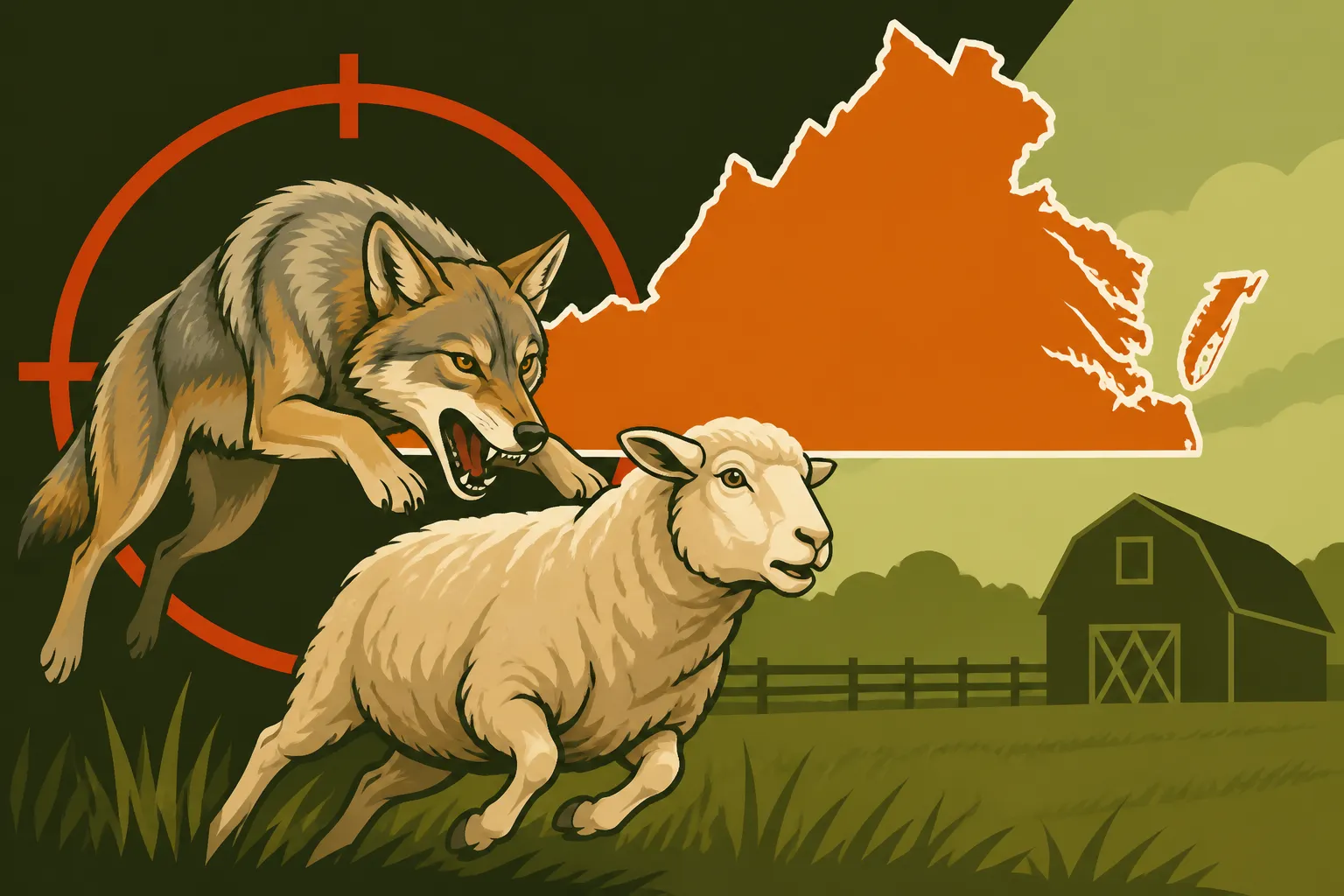
It's a gut-wrenching feeling to walk out to your pasture and find one of your animals, be it a lamb, a young calf, or even a beloved pet, lost to a predator. For many Virginia landowners, the silent, often unseen threat of coyotes attacking livestock is a real and frustrating reality that can devastate livelihoods and stir deep emotional distress. This guide aims to shed light on why these incidents occur, how to recognize the distinct signs of a coyote attack, and most importantly, what practical, actionable steps you can take to protect your valuable livestock.
Understanding Coyote Behavior and Their Impact on Virginia Livestock
Coyotes are incredibly adaptable animals, and their presence across Virginia has become a permanent fixture, from the mountains to the coastal plains. While often maligned, they are simply trying to survive, and sometimes that survival instinct leads them directly to the easiest meal available – your livestock. Understanding their patterns and motivations is the first step in protecting your farm.
When and Where Coyotes Hunt Livestock
Coyotes are primarily crepuscular and nocturnal, meaning they are most active during dawn, dusk, and throughout the night. This is when most livestock attacks occur, often under the cover of darkness, making direct intervention challenging. However, don't underestimate their willingness to hunt during daylight hours, especially if they are hungry, if food sources are scarce, or if they have learned that daylight offers an opportunity without human interference. Pups in the den also create increased food demands, sometimes leading to more brazen daytime activity from parents. They typically target young, sick, or smaller animals first, but a determined coyote, or a pack, can take down larger, healthy livestock, including adult sheep, goats, or even calves.
Their hunting grounds often include field edges, wooded transition zones, and areas with thick cover that provide concealment for stalking and escape. Creeks, drainages, and fencerows also act as natural travel corridors, allowing coyotes to move undetected close to pastures. Knowing where coyotes likely travel on your property, perhaps by using tools like GoHunt to analyze topography and cover, can help you strategically place deterrents or modify vulnerable areas. Virginia Coyote Range and Density provides a good overview of where these animals are most common, and understanding this local context is crucial.
Common Prey Species and Vulnerabilities
While deer make up a significant portion of a coyote's diet, especially fawns in the spring, livestock can quickly become a primary food source if easily accessible. Lambs and goat kids are particularly vulnerable due to their small size, lack of experience with predators, and often docile nature. Calves are also at risk, especially during calving season when they are newborns and less agile. Even poultry, like chickens and turkeys, are easy targets if not properly secured.
The problem isn't just the direct loss of an animal; the stress of predation can lead to reduced weight gain, lower milk production, and even miscarriages in pregnant livestock. It's a compounding issue that impacts the overall health and profitability of a farm. Understanding these vulnerabilities is key to implementing targeted defenses rather than a scattershot approach.
Identifying the Signs of a Coyote Attack on Your Farm
When you find injured or deceased livestock, it's easy to jump to conclusions, but accurately identifying the predator is vital for implementing effective management strategies. Not every kill is a coyote kill; domestic dogs, bears, and even bobcats can be responsible for livestock depredation in Virginia.
Distinguishing Coyote Kills from Other Predators
Coyote attacks often leave specific forensic evidence. Look for bite marks typically concentrated on the throat, jugular vein, or windpipe. Coyotes are efficient killers and aim for these vital areas. You might find hemorrhaging under the skin around the throat, indicating a clean kill. If the animal was larger and put up a fight, there might be signs of struggle, such as disturbed ground, broken vegetation, or drag marks.
Unlike a domestic dog attack, which often involves indiscriminate biting and mauling across the body, coyotes are generally more surgical. If the carcass is fed upon, coyotes typically open the body cavity and consume internal organs first, particularly the liver, heart, and lungs. They may also consume meat from the hindquarters. You might also find tracks around the kill site. Coyote tracks are typically more oval and compact than dog tracks, with visible claw marks and often a noticeable X-shape in the negative space between the pads.
| Feature | Coyote Attack | Domestic Dog Attack | Bear Attack | Bobcat Attack |
|---|---|---|---|---|
| Primary Bite Location | Throat, jugular, windpipe | Multiple, indiscriminate bites, often on hindquarters | Head, neck, shoulders; large bite radius | Neck, base of skull; precise bites |
| Feeding Pattern | Internal organs (liver, lungs) first, then hindquarters | Often partial or minimal feeding, sometimes just disemboweling | Large muscle groups, often burying or covering | Small, precise feeding, usually on small animals |
| Carcass Condition | Minimal external damage if clean kill, often consumed | Severely mauled, often not consumed, or partially disemboweled | Torn and scattered, large claw marks | Less obvious external trauma, small puncture wounds |
| Tracks | Oval, compact, claw marks visible, "X" in negative space | Rounder, splayed toes, variable claw marks | Large, five toes, claw marks usually visible | Round, no claw marks visible (retractable claws) |
| Signs of Struggle | Usually present, disturbed ground, drag marks | Variable, can be extensive | Extensive, ground torn up | Minimal, especially for smaller prey |
Assessing Wounds and Carcass Evidence
When examining a deceased animal, be methodical and careful. Note the presence, size, and location of all wounds. Look for pairs of puncture marks that align with a coyote's canine teeth. A typical adult coyote's canine spacing is roughly 1 to 1.5 inches apart. Small animals like lambs might have bite marks that penetrate directly through the skull. Examine the surrounding area for tracks, scat, and hair, which can provide additional clues. Tracking a Deer Through Virginia Leaf Litter can give you an idea of how to look for tracks, though coyote tracks will differ.
It's also important to observe the behavior of your remaining livestock. Animals that have been attacked or stressed by a predator might be jumpy, herd more tightly, or show signs of unusual anxiety. Early detection of stress can sometimes indicate a failed attack or a near miss, prompting you to act before further losses occur. Taking photos and documenting everything you find can be incredibly helpful if you need to consult with a wildlife expert or Virginia Department of Wildlife Resources (DWR) official.
Proactive Strategies to Protect Your Livestock from Coyotes
Dealing with coyote depredation is often a marathon, not a sprint. A multi-faceted approach, combining several protective measures, usually yields the best results. Relying on a single method often proves insufficient against these intelligent and persistent predators.
Fencing and Exclusion Methods
Your first line of defense is often physical barriers. Traditional barbed wire fences, while good for containing livestock, are often inadequate for deterring coyotes, who can easily jump over, crawl under, or squeeze through. Electric fencing, however, can be highly effective. A five-strand high-tensile electric fence with alternating hot and ground wires, especially with a hot wire positioned low to the ground (6-8 inches) to deter digging, can be a significant deterrent. Netting fences, specifically designed for small livestock like sheep and goats, can also be very effective and are often portable, allowing for rotational grazing while maintaining predator protection.
Consider mesh wire or woven wire fences for pens and night corrals. Ensuring the fence is tight to the ground, or even burying the bottom edge, prevents tunneling. Regular inspection of your fences for breaches or weaknesses is crucial, as coyotes are adept at finding weak points. Remember, a fence is only as good as its weakest link. Setting Up on a Piedmont Field Edge discusses general field setups, but for predation, reinforced fencing is critical.
Livestock Guardian Animals
One of the oldest and most reliable methods of deterring coyotes is the use of livestock guardian animals (LGAs). Breeds like Great Pyrenees, Anatolian Shepherds, and Akbash dogs have been selectively bred for centuries to bond with and protect livestock. They are instinctively territorial and will bark, confront, and physically deter predators. It's essential to introduce LGAs to livestock at a young age so they bond with the animals they are meant to protect rather than with humans or other dogs.
Donkeys and llamas can also serve as effective guardians, particularly for sheep and goats. Donkeys, in particular, have a natural aversion to canids and will often chase and kick coyotes. However, not all individual donkeys or llamas are good guardians, so choose animals with a proven protective instinct. These animals work best when paired with smaller herds and given adequate training and socialization to their role.
Habitat Modification and Deterrents
Modifying the habitat around your pastures can make your property less attractive to coyotes. Clear brush and tall grasses from fence lines and the immediate vicinity of barns or birthing areas. This eliminates cover that coyotes use for stalking and gives them fewer places to hide. Keep feed stored securely and dispose of animal carcasses promptly and properly, as these can attract coyotes.
Various deterrents can also be employed, though their effectiveness can vary. Noise makers, strobe lights, and even motion-activated sprinklers can temporarily scare coyotes away. However, coyotes are intelligent and can quickly habituate to static deterrents. Rotating different types of deterrents or using them intermittently can help maintain their effectiveness. Fladry, a type of fencing with flagging tape that flaps in the wind, is another visual deterrent that has shown some success, particularly when combined with electric fencing.
Integrated Pest Management Approaches
Sometimes, despite your best efforts, direct coyote management becomes necessary. Trapping can be an effective way to remove problematic individuals, but it requires skill, knowledge of coyote behavior, and adherence to Virginia's regulations. Running a Trapline in Rural Virginia offers insights into trapping practices. Lethal removal should always be a last resort and employed only after other non-lethal methods have been exhausted and proven ineffective.
Working with local DWR biologists or wildlife services can provide valuable assistance. They can often offer expert advice, help identify the specific predator, and even assist with trapping or other control measures. It's about finding a balance between protecting your livestock and managing wildlife responsibly.
Legal and Ethical Considerations for Coyote Management in Virginia
When it comes to managing coyotes, it’s not just about what works, but also what’s permissible and what aligns with responsible wildlife stewardship. Virginia has specific regulations that hunters and landowners must follow.
Virginia Regulations for Coyote Control
In Virginia, coyotes are classified as a nuisance species and generally have a continuous open season for hunting and trapping, with no bag limit. This offers landowners considerable flexibility in dealing with depredation. However, specific rules apply, especially concerning methods, times, and locations. For instance, Night Hunting Rules for Virginia Coyotes explains the regulations around using artificial lights or thermal imaging, which are often employed when coyotes are most active. Always consult the most current Virginia DWR regulations to ensure compliance.
If you are considering trapping, you must have the appropriate licenses and follow regulations regarding trap types, placement, and checking schedules. For landowners seeking to shoot coyotes on their property, understanding safe firearm discharge setbacks and local ordinances is crucial. While Virginia law generally allows landowners to protect their property and livestock from damage by coyotes, proper identification of the offending animal is still paramount to avoid accidentally harming non-target species. Also, if you’re operating on land you don't own, ensure you have explicit permission. Virginia Trespass and Permission Law is a good resource to review.
Best Practices for Humane and Effective Management
Beyond the legalities, there are ethical considerations. The goal is to manage the problem effectively and humanely, not to eradicate all coyotes from an area, which is often an impossible and counterproductive task. When removing an animal, do so in a way that minimizes suffering. If trapping, use appropriate trap sizes and check them frequently.
Focus your efforts on the specific coyotes causing the problem, rather than indiscriminately removing animals. Often, it's a few individuals or a single pack that learn to exploit livestock as a food source. Targeted removal, combined with sustained deterrents, can often break this pattern without significantly impacting the broader coyote population. Predator calling can also be effective for targeted removal. Predator Calling Virginia Farm Country offers insights into techniques that can draw in problematic coyotes. By understanding the species, respecting the law, and acting responsibly, landowners can protect their animals while maintaining a healthy ecosystem.
Disclaimer
This article is for general informational purposes only and does not constitute professional advice. Laws, prices and regulations vary by location and change over time. Consult a qualified professional for guidance on your specific situation.