Donating Venison in Virginia
It’s a scenario many of us hunters have faced: you've had a truly successful season, maybe even filled your freezer to the brim, and you're left with another deer on the ground or the possibility of harvesting more but nowhere to put the meat. Or perhaps you simply feel a strong desire to contribute beyond your own table. This guide is here to walk you through the incredibly rewarding process of donating venison in Virginia, ensuring that your harvest goes to good use for those in need across our communities.
The Heart of the Matter: Why Donate Venison?
Donating venison isn't just a kind gesture; it's a powerful statement about the ethical responsibilities of hunters and a tangible way to give back to the community that supports wildlife management. For many, hunting is about more than just filling a tag; it's about connection to the land, sustainable living, and making the most of a natural resource. Venison donation embodies these principles beautifully.
Addressing Food Insecurity in Virginia
The reality is, food insecurity is a persistent challenge in many parts of Virginia, touching families in urban centers and rural communities alike. While we might picture hunger as something far away, it's often right in our own neighborhoods, sometimes quietly impacting children, seniors, and working families struggling to make ends meet. Food banks and pantries are constantly seeking high-quality, nutritious protein sources, and venison—lean, organic, and locally sourced—is an exceptional answer to that need. Your donated venison provides a healthy meal that might otherwise be unavailable, directly improving the well-being of your fellow Virginians. It's a direct way for hunters to become part of the solution to a critical social issue.
Ethical Hunting and Resource Management
As hunters, we understand that harvesting an animal is a privilege and a responsibility. When we take to the woods, whether during Bowhunting Virginia's Statewide Archery Season or the Virginia's General Firearms Deer Season, we're engaging in a form of resource management. Deer populations, left unchecked, can overbrowse habitats, spread disease more readily, and even lead to more deer-vehicle collisions. By participating in regulated hunting seasons, we help maintain healthy deer herds and balanced ecosystems. Donating the venison elevates this responsibility, ensuring that the animal's life serves a purpose beyond personal consumption. It’s an extension of the "waste not, want not" ethic that many hunters live by, transforming a successful hunt into a broader community benefit.
The Hunter's Role in Conservation
Hunters are, and always have been, America's original conservationists. Through license fees and excise taxes on hunting equipment, we directly fund wildlife research, habitat restoration, and land acquisition across the state. However, our role extends beyond financial contributions. By donating venison, we're also changing perceptions, demonstrating that hunting isn't just a solitary pursuit but one deeply intertwined with community welfare. It offers a unique opportunity to bridge the gap between hunters and non-hunters, showcasing the tangible, positive impact hunting has on both wildlife populations and human communities. It's a way to demonstrate the value of hunting in a highly visible and impactful manner.
Navigating Virginia's Venison Donation Programs
Virginia is fortunate to have well-established programs that make venison donation straightforward and effective. Understanding how these programs operate is the first step in ensuring your generous contribution reaches those who need it most.
Hunters for the Hungry: The Premier Program
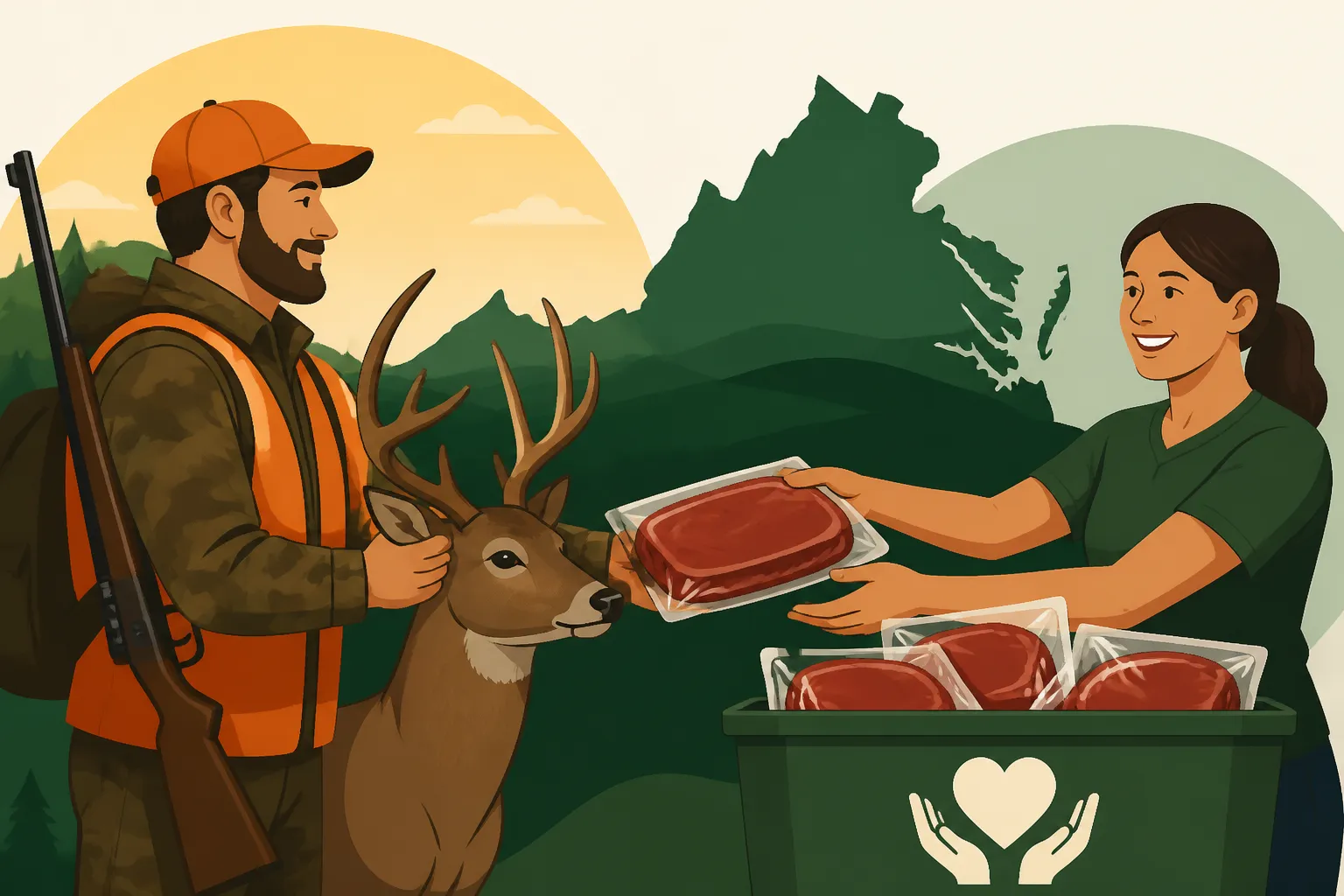
When it comes to donating venison in Virginia, Hunters for the Hungry is undoubtedly the most prominent and well-organized program. This fantastic initiative connects hunters with participating meat processors, who then prepare the venison for distribution to food banks, soup kitchens, and church pantries across the Commonwealth. The program streamlines the entire process, handling the logistics of collection, processing, and distribution. Their mission is simple yet profound: to help feed Virginia's needy with nutritious, all-natural meat, and they do an incredible job of it. When you decide to donate through Hunters for the Hungry, you're tapping into a network that has been refined over years, ensuring efficiency and impact.
Participating Process: From Field to Table
The process for donating through Hunters for the Hungry is designed to be as simple as possible for the hunter. It typically starts after you’ve successfully harvested your deer and completed your mandatory Virginia Deer Reporting Requirements. Once you've field-dressed your deer properly, which is crucial for meat quality, you'll take it to a participating meat processor. These processors are vetted and work directly with Hunters for the Hungry. When you drop off your deer, you simply inform them you wish to donate it to the program. The processor then handles the skinning, butchering, and packaging of the meat into ground venison, which is often the most versatile and easily distributed form for food banks. This is a critical step, as food banks often lack the facilities or staff to process whole animals.
A general outline of the process looks like this:
- Harvest and Field Dress: Take your deer ethically and immediately begin proper field dressing to cool the carcass. Follow best practices, perhaps even referencing resources like Field Dressing a Deer in Cold Weather or using appropriate Field Dressing Knives Worth Carrying.
- Report Your Harvest: Always remember to report your deer harvest online or via the app, as required by the Virginia Department of Wildlife Resources (DWR). This is a non-negotiable step before any further processing or donation. You can Checking a Virginia Deer Harvest Online for details.
- Transport to Processor: Get your deer to a participating processor as quickly as possible, especially if temperatures are warm. Using good Coolers and Game Bags for Early Archery can be vital here.
- Inform the Processor: Clearly state that you intend to donate the venison to Hunters for the Hungry.
- Cover Costs (if applicable): While Hunters for the Hungry works hard to subsidize or cover processing costs through donations and fundraising, sometimes hunters are asked to cover a portion of the fee. This varies by processor and the program's current funding.
- Processor Handles the Rest: The processor will take care of all the butchering, packaging, and coordinating with Hunters for the Hungry for distribution to food banks.
What Qualifies for Donation?
Not every deer harvest can be donated, and there are crucial guidelines to ensure the safety and quality of the meat for consumption.
- Condition of the Carcass: The deer must be in good condition. This means it needs to be properly field-dressed shortly after the kill to allow for cooling and prevent spoilage. Any deer that shows signs of advanced decomposition, disease, or severe trauma (e.g., gut shot and not recovered quickly) will likely not be accepted. The processor's trained eye is the final judge here.
- Chronic Wasting Disease (CWD): This is a major consideration in Virginia. The DWR has designated Virginia's Four Chronic Wasting Disease Areas where CWD is present or considered a high risk. If you harvest a deer in one of these CWD management areas (DMAs), specific rules apply. Generally, venison from deer harvested in a DMA can be donated, but it must be tested for CWD and receive a "not detected" result before it can be processed and distributed for human consumption. This is critical for public health. You'll need to know Handling Venison From a Disease Management Area and find Finding a Virginia CWD Sampling Location if you hunt in one of these areas. Always check the latest DWR regulations regarding CWD and venison movement, especially when considering donation.
- Legal Harvest: Of course, the deer must be legally harvested during the open season, and all tagging and reporting requirements must be met. No illegally taken game can ever be donated.
- Freshness: Rapid cooling and transport are key. If you harvested a deer on a warm early archery day, proper handling with Game Bags for Warm September Days and ice is even more important to ensure the meat remains fit for donation.
Practical Considerations for Donating Venison
Donating venison is a generous act, but it also comes with a few practical considerations that hunters should be aware of to make the process smooth and effective.
Finding a Participating Processor Near You
The backbone of any venison donation program is the network of certified processors willing to participate. Hunters for the Hungry maintains a list of these processors, which is usually available on their website. It's wise to check this list annually, as participating processors can change. Before heading out to hunt, especially if you intend to donate, identify a few processors in your hunting area that accept donated deer. It’s also a good idea to call ahead during business hours to confirm their participation and current drop-off procedures, especially as deer season progresses and their freezer space might become limited. Online mapping tools, like those you might find on GoHunt, can sometimes help you visualize these locations in relation to your hunting spots, making planning easier.
Understanding the Costs Involved
While the act of donation is free in spirit, the processing of a deer into usable ground venison does incur a cost. Hunters for the Hungry works tirelessly through fundraising, grants, and private donations to cover these processing fees. Often, through these efforts, the hunter's direct cost is significantly reduced or even entirely covered. However, it's not uncommon for hunters to be asked to pay a nominal fee (e.g., a portion of the total processing cost) to help offset expenses. This contribution, if requested, is a small but vital part of making the program sustainable and ensuring that thousands of pounds of protein reach hungry families. Always be prepared for this possibility and ask the processor about any potential fees when you call ahead.
Preparing Your Harvest for Donation
The quality of the final product hinges on how well the deer is handled immediately after the shot. Here’s how you can prepare your harvest to ensure it's in the best possible condition for donation:
- Prompt Field Dressing: This cannot be stressed enough. As soon as you recover your deer, begin field dressing. This removes internal organs, allowing the carcass to cool rapidly and preventing bacterial growth. A clean, thorough job makes a huge difference.
- Keep it Clean: Avoid dragging the deer through dirt, mud, or water, if possible. If you must drag, try to keep the body cavity as clean as you can. Any excessive dirt or debris can contaminate the meat.
- Rapid Cooling: Especially crucial during warmer archery seasons. Once field-dressed, get the deer to a cool place. If you're out in the wilderness, hanging the deer in the shade to allow air circulation is a good start. If it's a longer retrieve, or a warm day, consider taking steps like filling the body cavity with bags of ice (ensuring the water can drain) to bring the core temperature down quickly.
- Transport Thoughtfully: Transport the deer in a way that minimizes further contamination and allows for continued cooling. Avoid tossing it directly into the bed of a truck in direct sunlight for an extended period. Consider using Game Bags for Warm September Days to protect the meat.
| Step in Donation Process | Hunter's Responsibility | Program's Role (Hunters for the Hungry) | Key Considerations |
|---|---|---|---|
| Harvest & Field Dress | Ethical kill, immediate and thorough field dressing. | Provides guidelines and encourages best practices. | Crucial for meat quality and acceptance. |
| Report Harvest | Mandatory DWR reporting. | Not directly involved, but relies on legal harvests. | Essential for compliance; no reporting, no legal donation. |
| Transport to Processor | Prompt delivery to participating processor. | Coordinates network of participating processors. | Call processor beforehand; manage temperature, especially in warm weather. |
| CWD Testing (if in DMA) | Submit required samples to DWR, await "not detected" result. | Ensures adherence to CWD regulations for public health. | Non-negotiable if harvested in a DMA; check DWR rules for your county. |
| Processing & Packaging | Pay partial fee (if applicable). | Covers remaining processing costs through donations. | Venison is typically ground for versatility and ease of distribution. |
| Distribution | None (your part is done!) | Delivers packaged venison to food banks/pantries. | Ensures the meat reaches families and individuals facing food insecurity. |
Beyond the Basics: Making the Most of Your Contribution
Your decision to donate venison has a ripple effect that extends far beyond a single meal. It strengthens communities, fosters a positive image of hunting, and provides a lifeline to those who need it most.
Spreading the Word and Encouraging Others
One of the most powerful ways to amplify your contribution is to simply talk about it. Share your experience with other hunters in your camp or club. Many hunters are eager to donate but simply don't know the process or that such programs exist. A simple conversation over a campfire or while planning for Hunting the Virginia Rut in November can inspire someone else to take action. You can direct them to the Hunters for the Hungry website or share your tips on finding a local processor. Encourage new hunters, or those who feel like they’re struggling to fill their freezer with Filling a Six-Deer Eastern Limit or Filling a Five-Deer Western Limit to consider donation as a way to engage with their community through hunting. By being an ambassador for venison donation, you help grow the program and its impact exponentially.
The Community Impact
Imagine a child sitting down to a warm, nutritious meal of venison spaghetti, a meal they might not have had without your successful hunt and your generosity. Think of an elderly couple receiving high-quality protein that helps them maintain their health and vitality. This is the direct, tangible impact of your donation. It’s more than just food; it’s sustenance, it’s hope, and it’s a connection to a community that cares. Food bank managers consistently express immense gratitude for venison donations because it provides a lean, healthy, and often unique protein source that is otherwise difficult for them to acquire in quantity. The joy and relief on the faces of families receiving these meals are a testament to the profound difference you are making.
Tax Benefits and Recognition
While the primary motivation for donating venison is often altruism, it's worth noting that your contribution may also qualify for a tax deduction. Because Hunters for the Hungry is a non-profit organization, your donation of services (covering processing costs) or the venison itself (if you are deemed to be donating the meat after processing) can sometimes be a deductible expense. It's always best to consult with a tax professional to understand the specific implications for your individual situation, as rules can vary. Additionally, programs like Hunters for the Hungry often recognize their dedicated donors, sometimes with shout-outs in newsletters or on their websites, further highlighting the vital role hunters play in supporting their mission. Your generosity doesn't go unnoticed, both in the hearts of those you help and sometimes through well-deserved public acknowledgment.
Disclaimer
This article is for general informational purposes only and does not constitute professional advice. Laws, prices and regulations vary by location and change over time. Consult a qualified professional for guidance on your specific situation.