Game You Cannot Hunt in Virginia
We’ve all been there: out in the Virginia woods, you spot an animal, and for a fleeting moment, you wonder if it's fair game. Maybe it’s a creature you've never seen hunted, or perhaps it's one that seems like it should be. The reality is, Virginia has clear regulations about what you can and cannot hunt, and mistaking a protected species for a game animal can lead to serious trouble. This guide is here to clear up the confusion, helping you understand precisely which animals are off-limits in the Old Dominion, and why those rules are so crucial.
Protected Species: The Ones You Can't Touch
When we talk about hunting in Virginia, we usually focus on deer, turkey, bear, and various small game. But there's a whole other world of wildlife that lives within our borders, and for various important reasons, these animals are fully protected by law. It's not just about conservation; it's about maintaining ecological balance and respecting the recovery efforts that have been years, sometimes decades, in the making.
Federal and State Protections
Many animals in Virginia are protected under both federal and state laws. The federal Endangered Species Act (ESA) is a big one, safeguarding species whose populations are critically low across their range. Here in Virginia, that includes several species of bats, like the Indiana bat, which relies on specific cave habitats for hibernation, or the northern long-eared bat, whose populations have faced steep declines due to White-nose Syndrome. Even if you encounter one flying during daylight, it's a hands-off situation.
Beyond the ESA, the Virginia Department of Wildlife Resources (DWR) has its own robust list of state-threatened and endangered species. These are animals that might not be on the federal list but are still facing significant challenges within our state. For instance, certain species of freshwater mussels, salamanders, or specific types of migratory birds that pass through Virginia fall under these state-level protections. It’s a complex web of laws designed to ensure biodiversity, and as ethical hunters, understanding this framework is key to avoiding accidental violations. The health of these sensitive populations is a bellwether for the overall health of our ecosystems, which, in turn, impacts our huntable game.
Species Under Recovery or Special Status
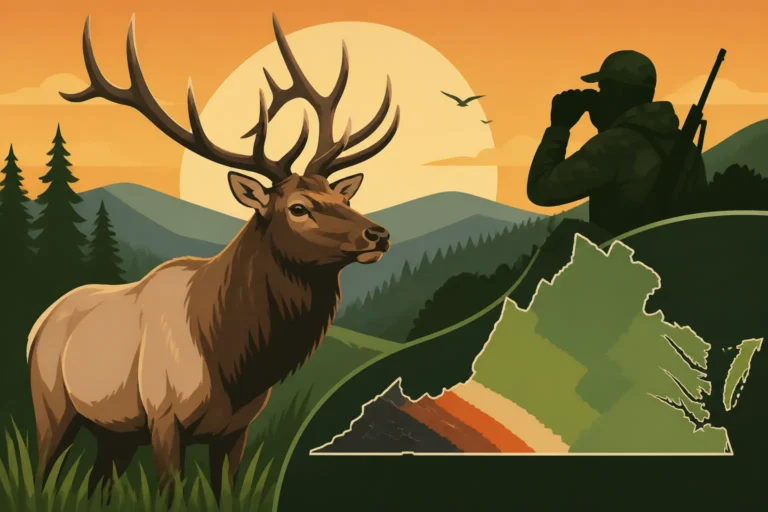
Sometimes, an animal isn't officially "endangered," but its population is still under such careful management that it's off-limits to hunters. A prime example in Virginia is the elk. Yes, Virginia once had native elk populations, and thanks to dedicated restoration efforts, particularly in the southwest coalfields, a small but growing herd now exists. While incredibly exciting for wildlife enthusiasts, these elk are currently for viewing only. They are not a huntable species in Virginia, and any take would be a serious offense. The goal right now is to let these magnificent animals re-establish a strong, self-sustaining population before any discussion of hunting might even begin.
Another category here includes species that might be regionally sensitive or have highly localized populations that are being monitored. You might find certain rare or specific types of raptors, beyond the iconic Virginia Bald Eagle Recovery Near the Bay, that are present in Virginia but are never considered game. The focus for DWR is on ensuring these populations continue to grow or stabilize. For those of us who spend a lot of time in the woods, it’s a good reminder to always double-check the latest regulations if you’re unsure, even if an animal seems common in another state. Virginia Wildlife Disease Monitoring plays a role in these decisions too, as disease outbreaks can sometimes lead to temporary closures or special status for certain animals.
Migratory Birds Not Classified as Game
When most hunters think of migratory birds, they think of ducks, geese, and maybe doves. However, the vast majority of birds that migrate through or nest in Virginia are not game species. This includes all songbirds, hummingbirds, most shorebirds (like sandpipers and plovers), and all raptors (hawks, owls, falcons). These birds are protected under federal law, specifically the Migratory Bird Treaty Act, which makes it illegal to hunt, capture, kill, or possess any part of these birds without specific permits.
It's a common misconception, especially among newer hunters, that if it flies, it might be legal to shoot. This is absolutely not the case. The list of federally protected migratory birds is extensive, and it’s critical to be able to identify your target accurately. Even species that aren't necessarily rare or endangered are protected because of their ecological roles and the need for international conservation cooperation. Before you ever head out for a bird hunt, make sure you've properly identified your target and understand its legal status. Always consult the current Virginia DWR migratory bird hunting regulations to know which specific species are open for season and what the bag limits are.
Common Misconceptions and Unhuntable "Pests"
Sometimes, it's not about being endangered; it's about classification or management approach. Many animals that might seem like logical targets for hunters are actually off-limits for various reasons, or their pursuit falls under different categories of wildlife management entirely. It’s easy to get these mixed up, especially with animals often seen as nuisances.
The Case of "Vermin" and Nuisance Animals
Ah, the "vermin" debate! It's an old one in hunting circles. Many people assume that animals considered pests, like groundhogs (woodchucks), opossums, skunks, or certain types of rodents, are free-for-all hunting targets. In Virginia, however, this isn't always the case for hunting purposes. While some of these animals can be controlled if they are causing damage to property, the method and legality depend heavily on the specific animal and circumstances, and it's often not considered "hunting" under DWR regulations, nor does it necessarily require a hunting license.
For example, groundhogs are often taken by landowners or those with permission to protect crops or property, but they don't have a defined hunting season with bag limits in the way deer or turkeys do. Opossums and skunks, while sometimes caught in furbearer trapping seasons, don't typically have open hunting seasons. It’s crucial to understand the distinction between wildlife damage control (which often requires specific permits or adherence to nuisance wildlife laws) and regulated hunting seasons. Always check with DWR if you're dealing with a nuisance animal and considering lethal removal, as procedures and rules apply to ensure humane practices and compliance with the law.
Animals with Restricted or Closed Seasons
Then there are those species that could be hunted but currently have no open season in Virginia, or their season is so heavily restricted it's almost non-existent. The classic example often brought up by older hunters is the ruffed grouse. Once a revered upland game bird in Virginia's mountains, the population has faced significant declines over the past few decades due to habitat loss and other factors. As a result, the season for Virginia Ruffed Grouse Decline has become incredibly short, or even closed in some areas, reflecting conservative management to try and bolster their numbers.
Similarly, while bobcats are furbearers and do have trapping and hunting seasons, these are specific and may have restrictions, particularly in certain regions. Virginia's Recovering Bobcat Population is a success story, but their management is still carefully considered. These aren't animals you can just pursue any time you see them. The DWR constantly monitors game populations, and if a species shows signs of stress or decline, seasons can be shortened, bag limits reduced, or even entirely closed. This is why staying up-to-date with the current year's hunting regulations is absolutely paramount. Don't rely on what you heard five years ago; things change.
Animals Not Native or Established as Game
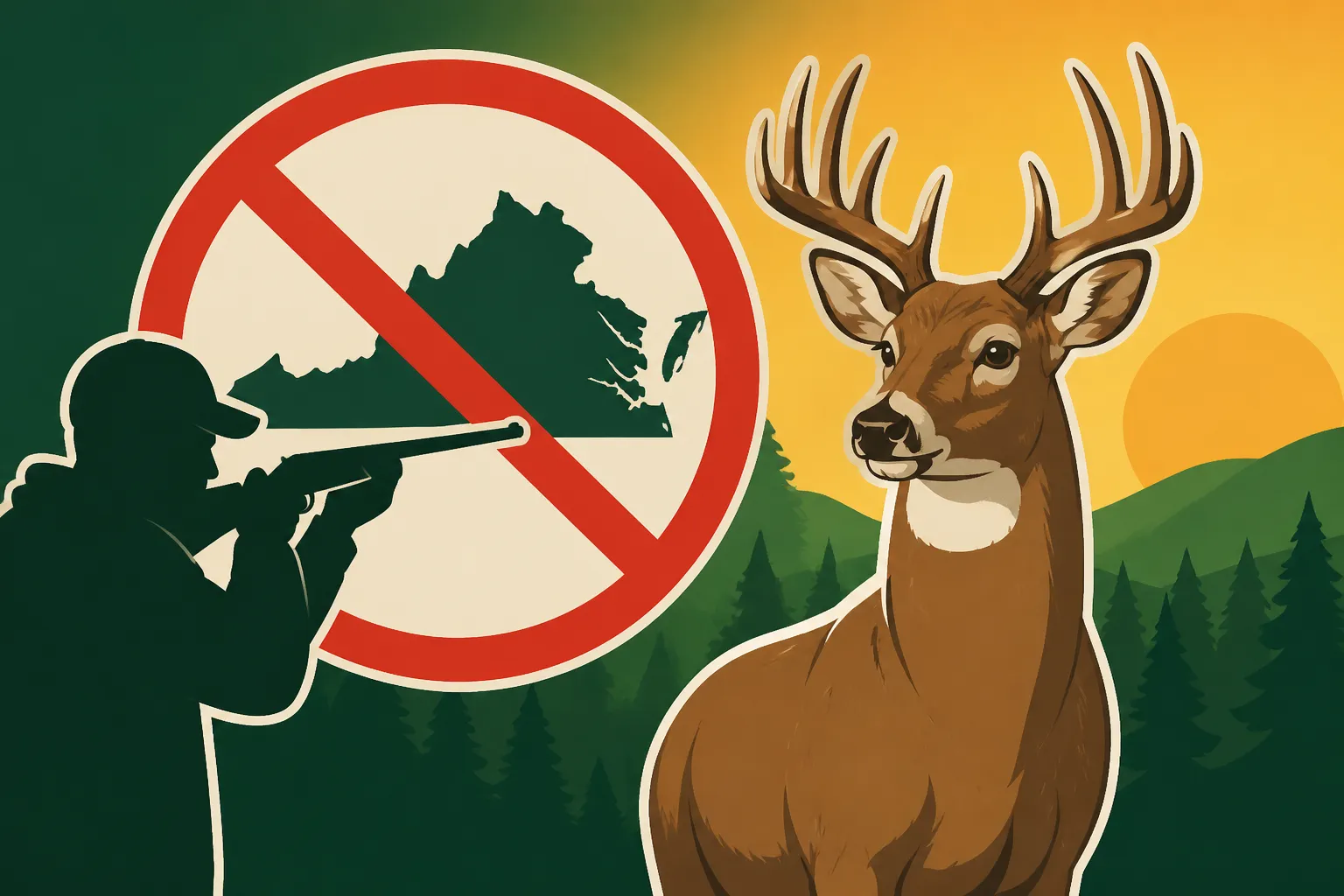
Occasionally, you might encounter an animal that simply isn't recognized as a game species in Virginia because it's either not native or its population isn't managed for hunting. This isn't about being endangered, but rather about how the DWR classifies and manages wildlife. For instance, while Virginia has a thriving population of Virginia's Black Bear Population, there are no other species of bears to hunt. Similarly, beyond our beloved White-Tailed Deer Across Virginia, no other deer species are legally huntable.
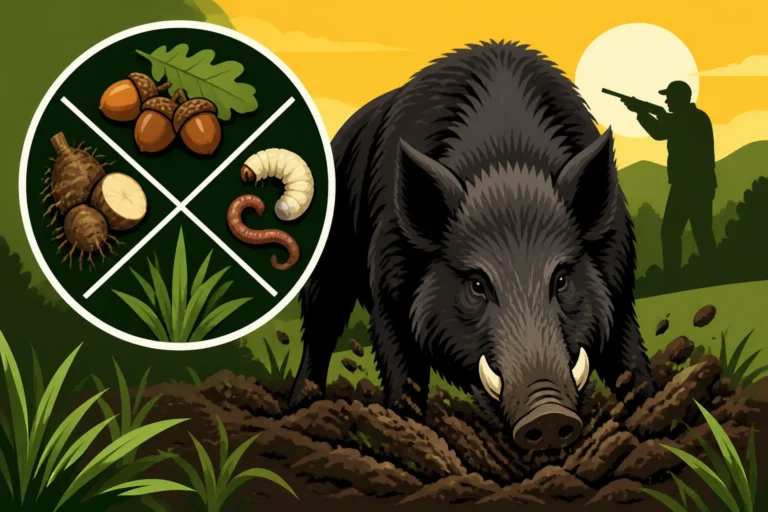
While feral hogs are a serious issue in many parts of Virginia and can be hunted year-round on private land with landowner permission, they are often classified differently than traditional game animals due to their invasive status. The primary goal with hogs is eradication and control, not sustainable harvest in the traditional sense. Virginia Feral Hog Regulations are distinct, reflecting their status as a non-native, destructive species. It’s all about context and management goals.
Understanding Virginia's Game Regulations
Navigating the world of hunting regulations can sometimes feel like trying to untangle a giant knot of fishing line. It’s complex, it changes, and if you’re not careful, you can quickly find yourself in a bind. But understanding why these rules exist and how to stay informed is your best defense against making an unfortunate mistake.
The Role of the Virginia Department of Wildlife Resources (DWR)
The Virginia Department of Wildlife Resources (DWR) is the authority when it comes to managing all wildlife in the Commonwealth. They are the folks who conduct population surveys, monitor habitats, study disease, and ultimately set the hunting and trapping seasons, bag limits, and legal methods for game species. Their decisions are based on sound scientific research and aimed at ensuring healthy, sustainable wildlife populations for future generations. It’s a huge responsibility, and their work ensures that Virginia remains a fantastic place to hunt.
Every year, they publish a comprehensive hunting and trapping guide that outlines all the rules. It's not just a suggestion; it's the law. If you're ever in doubt about whether an animal is huntable, or what the specific season dates and regulations are for a particular species or county, the DWR is your go-to source. They also oversee critical programs like Virginia Hunter Education Requirements, ensuring new hunters are knowledgeable and responsible.
Resources for Staying Informed
In this digital age, staying informed about Virginia's hunting regulations has never been easier, yet it still requires effort. The DWR website is an incredibly robust resource, filled with detailed information on every game species, season dates, county-specific rules, and special regulations like those for Chronic Wasting Disease (CWD) management areas. You can download the current hunting and trapping guide directly from their site, or pick up a physical copy wherever hunting licenses are sold.
Beyond the official DWR channels, handy tools like the Go Outdoors Virginia app (which also functions as your digital license) and private apps like GoHunt can be invaluable. GoHunt, for example, often integrates mapping features and regulatory summaries, which can be super helpful when you're planning a trip or just double-checking something on the fly. However, always remember that official DWR publications are the ultimate authority. Use tools like GoHunt as supplementary resources, but verify critical details with the DWR guide. Scouting With the Virginia DWR App can also help you understand public land rules and boundaries, which sometimes have their own specific regulations about what can and cannot be hunted.
Consequences of Hunting Non-Game or Protected Species
Let's be blunt: accidentally or intentionally hunting a non-game or protected species in Virginia carries serious consequences. It's not just a slap on the wrist. Violations can range from significant fines to the confiscation of your hunting equipment, loss of hunting privileges (which can be statewide or even interstate, impacting your ability to hunt in other states), and in severe cases, even jail time. The penalties for taking an endangered or threatened species are particularly severe, often involving federal charges on top of state charges.
Imagine spending years building up your hunting gear, perfecting your skills, and then losing it all over a preventable mistake. It’s a sobering thought. That’s why the emphasis on hunter education and personal responsibility is so high. Wildlife conservation officers take these violations very seriously, and they are out there ensuring compliance. If you ever witness someone illegally taking a protected species, it's crucial to Reporting a Poacher in Virginia to help protect our wildlife resources. Knowing Virginia Wildlife Violation Penalties can be a stark reminder of the importance of vigilance.
Disclaimer
This article is for general informational purposes only and does not constitute professional advice. Laws, prices and regulations vary by location and change over time. Consult a qualified professional for guidance on your specific situation.