Meat Care Gear for Virginia Hunters
You’ve put in the scouting, spent the hours in the stand, and finally, your moment arrived. That hard-earned deer is down. But here’s where a lot of hunters, especially new ones, can feel a sudden rush of anxiety: what now? All that effort can quickly go to waste if you don't properly care for the meat from the moment the animal hits the ground. Virginia’s hunting seasons span a wide range of temperatures and terrains, from sweltering early archery days in September to frigid late-season sits in January, and each presents its own unique challenges for preserving your harvest. This comprehensive guide is dedicated to walking you through all the essential meat care gear and techniques you'll need to ensure that every ounce of venison makes it to your freezer in prime condition, honoring the animal and your efforts.
Field Dressing Essentials: The Immediate First Steps
The moment your game is on the ground, the clock starts ticking. Rapid and efficient field dressing is the absolute first line of defense against spoilage, especially in Virginia’s often warm early seasons. Neglecting this crucial step, even for a short while, can lead to a noticeable decline in meat quality. You need the right tools on hand, not just any old knife, to get the job done quickly and cleanly, minimizing contamination and maximizing heat loss.
Knives and Sharpening Tools for Clean Work
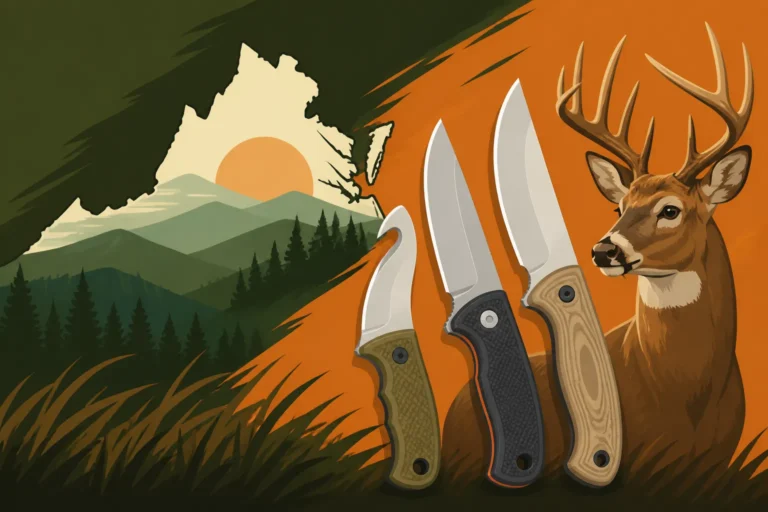
A good field dressing knife isn't just sharp; it's designed for the task at hand. You want something with a fixed blade, typically 3-5 inches long, that holds an edge well and is easy to clean. Many hunters prefer a drop-point or gut-hook style blade. The gut-hook can be incredibly useful for opening the body cavity without puncturing intestines, which is a common rookie mistake that can contaminate the meat. Beyond the initial cut, you'll be doing a lot of work in tight spaces, so a comfortable, non-slip grip is paramount, especially when your hands get messy. A dull knife is not only inefficient but dangerous, as it requires more force and can slip.
Consider carrying a small, lightweight sharpening tool like a ceramic stick or a diamond plate in your pack. There’s nothing worse than getting halfway through the job only to find your blade struggling, especially when time is of the essence. Keeping that edge keen means less effort, cleaner cuts, and a reduced risk of accidentally nicking vital organs that could compromise the meat. Some hunters even carry two knives – a larger one for initial cuts and a smaller, more precise blade for finer work around the organs and diaphragm.
Gutting Gloves and Sanitation Protocols
Hygiene is often an overlooked aspect of field dressing, but it’s critical for meat quality and hunter safety. Always carry several pairs of disposable, elbow-length nitrile or latex gloves. These aren't just for keeping your hands clean; they provide a crucial barrier against bacteria and potential pathogens. Field dressing exposes you to blood and internal organs, and while the risk of disease transmission from a deer to a human might be low, it's not zero, particularly in areas where Chronic Wasting Disease (CWD) is a concern. Even if you're not in a CWD Management Area, it's just good practice to protect yourself and prevent any cross-contamination.
Beyond gloves, consider carrying a small bottle of hand sanitizer or even some wet wipes for after the initial field dressing is complete. Once the gut pile is removed, quickly wiping down any blood or grime from the carcass exterior can make a huge difference in keeping the meat clean during transport. Some hunters even carry a small spray bottle with a diluted bleach solution to spray their knives and tools after use, further sterilizing them before packing away. Remember, the goal is to get the animal clean and cooling as quickly as possible, and that starts with preventing contamination from the very beginning.
Bone Saws and the Gutless Method Considerations
For larger game, or when you intend to split the sternum or pelvis for better cooling, a small, aggressive bone saw can be an invaluable tool. These saws, often with a T-handle for a good grip, can make quick work of bone, saving your knife blade from unnecessary wear and tear. Splitting the pelvis, in particular, can greatly aid in cooling the hindquarters, which are often the thickest part of the animal and hold heat the longest. However, splitting the pelvis can also expose the inner cavity to more dirt if not done carefully, so evaluate the need versus the risk.
Alternatively, for those deep in the backcountry or simply wanting to avoid the mess of a full gutting, the "gutless method" has gained popularity. This involves skinning and butchering the animal where it lies, removing only the prime meat cuts, leaving the skeleton and internal organs behind. This method requires a more robust set of processing knives but eliminates the need to remove the gut pile. If you're considering this, be sure to research the technique thoroughly and practice it on an animal where traditional gutting is also an option. It's a fantastic way to handle a kill when you're miles from the truck, but it requires different gear, mainly a larger array of knives for Butchering a Deer at Camp right there on the spot. Make sure you know local regulations on carcass disposal if you opt for the gutless method.
Cooling Down the Carcass: Battling Virginia's Temperatures
After field dressing, the single most important factor for meat quality is rapidly reducing the carcass temperature. Bacteria thrive in warm conditions, and Virginia's climate, especially during the early deer and bear seasons, can be quite unforgiving. Failing to cool the meat quickly can lead to bacterial growth, souring, and an overall decline in flavor and texture.
Game Bags and Muslin Cloth for Protection and Airflow
Once the animal is field dressed, resist the urge to just drag it without protection. Game bags are absolutely essential. These aren't just glorified pillowcases; they are typically made of breathable, tightly woven cotton or synthetic material that allows air to circulate around the meat while protecting it from flies, dirt, leaves, and other debris. Think of them as a permeable shield. Leaving a carcass exposed, even for a short time, invites blowflies to lay eggs, which quickly turn into maggots, rendering that section of meat unusable. Game bags prevent this while allowing the natural cooling process to occur.
For larger game, you might need multiple bags, especially if you quarter the animal. Muslin cloth can also be used, particularly for wrapping smaller cuts or covering larger sections before placing them in game bags. The key is breathability. Never use plastic tarps or non-breathable bags directly on the meat for any extended period, as this traps heat and moisture, creating a perfect environment for bacterial growth. Coolers and Game Bags for Early Archery are a necessity for anyone hitting the woods in September or early October.
Strategic Placement for Rapid Cooling in the Field
Where you place your animal after field dressing makes a significant difference. The goal is to maximize air circulation and get it into the coolest possible environment. If you’re hunting in the mountains, look for a shaded, breezy spot, perhaps near a stream bed or on a ridge where a slight breeze might be moving. Hang the animal if possible, as this allows air to circulate all around the carcass and further aids in cooling. Even propping it open with sticks can help. The ground acts as an insulator, so if you can’t hang it, at least get it off the ground, or place it on some logs or rocks to allow air underneath.
During warmer periods, you might need to spread the rib cage with a sturdy stick to keep the cavity open. This allows cool air to penetrate deep into the body cavity, which is the warmest part. If you’re hunting in late season when temperatures are dropping, the natural cold air can be your friend. Still, ensure good airflow to prevent condensation and keep the meat dry. A good strategy is to think about wind direction and natural shade to aid this crucial initial cooling phase, especially when the recovery might take some time. Hunting a High Elevation Mountain Bench might offer better cooling conditions due to lower ambient temperatures and stronger breezes.
Ice and Coolers: When and How to Use Them Effectively
In Virginia’s warmer early seasons, especially for archery or early muzzleloader, ice and coolers aren't just helpful; they're often mandatory to save your meat. For deer taken on a warm day, you might need to quarter the animal in the field and get the quarters directly into coolers filled with ice. Drain plugs on coolers are your best friend here. Don't let the meat sit in bloody water. Pack the meat directly on top of or submerged in ice, making sure to drain the water frequently as the ice melts.
For whole carcasses that you plan to transport back to camp or a processor, consider bringing large blocks of ice to place inside the body cavity after field dressing. This directly cools the internal organs and core temperature of the animal. If you’re at a camp, a large cooler or even a spare refrigerator/freezer set to a higher temperature (like 35-40°F) can serve as a makeshift walk-in cooler for larger game. The sooner you can get the core temperature down to around 40°F or below, the safer and better quality your venison will be. Using a meat thermometer to check the deep muscle temperature is a smart move if you're serious about meat care, especially in marginal conditions.
Transporting Your Harvest: Getting it Out Cleanly
Getting your game out of the woods can be one of the most physically demanding parts of the hunt, especially if you're a long way from the truck or dealing with challenging terrain. Having the right gear to transport your harvest cleanly and efficiently is crucial for both your back and the quality of the meat.
Deer Sleds and Drags for Challenging Terrain
When you’re deep in the hardwoods or navigating brushy clear-cuts, a good deer sled or heavy-duty drag can be a lifesaver. Dragging a deer by its legs alone, especially a larger Virginia buck, is an exhausting ordeal. A sled distributes the weight, allows the animal to slide more easily over obstacles, and keeps the carcass cleaner by protecting it from dirt, sticks, and leaves. Some sleds are simple plastic sheets with a rope, while others are more robust, rigid designs. Choose one that’s durable and appropriate for the typical terrain you hunt.
For exceptionally rough or steep terrain, a heavy-duty drag harness can save your shoulders and back. These often incorporate shoulder straps or waist belts that allow you to use your body's power more effectively. Remember that moving a full-sized deer through dense cover or up and down hills is tough work. Scouting your retrieval route before the hunt, if possible, can identify easier paths or potential obstacles. Utilizing a combination of a sled and a strong drag rope will make the process much more manageable, reducing strain and getting the animal out quicker for further processing. Dragging a Deer Out of a Mountain Hollow is a prime example of when this gear is not just helpful, but essential.
Game Carts for Easier Forest Road Travel
If your hunting grounds include relatively flat terrain, old logging roads, or easily navigable paths, a sturdy game cart can transform a grueling drag into a relatively easy roll. Game carts typically have two large wheels, a frame, and a platform or sling to secure the animal. They keep the animal completely off the ground, ensuring maximum cleanliness during transport. This is particularly valuable if you've already field dressed and bagged the carcass, as it prevents any re-contamination from the forest floor.
When choosing a game cart, look for robust construction, large wheels (preferably pneumatic for rougher terrain), and a strong frame that can handle the weight of a mature deer. Some carts even fold up for easier transport to and from your hunting spot. While they might not be suitable for thick brush or extremely steep inclines, they are a game-changer for many Virginia hunters. The time and energy saved by using a cart can be better spent on the actual processing of the animal back at camp or home. Sleds and Drags for Mountain Country offers a good contrast to the benefits of a game cart on flatter ground.
Vehicle Preparation and Protection for Transport
Once you get the animal out of the woods, how you transport it in your vehicle is the final step before reaching your processing location. The last thing you want is a messy, bloody truck bed that's hard to clean, or worse, a situation where the meat can't stay cool. A heavy-duty tarp is your best friend here. Line your truck bed, SUV cargo area, or even the trunk of a car with a large, thick tarp. This contains any blood or fluids, making cleanup a breeze.
If you're quartering the animal and putting it in coolers, ensure those coolers are secured so they don't tip over during the drive. For whole carcasses, securing the animal with bungee cords or ratchet straps prevents it from sliding around. If it's a longer drive or particularly warm, you might even consider throwing a few bags of ice over the tarp-covered carcass in the bed of the truck to maintain cooling, or better yet, get those quarters into coolers with ice as soon as possible. Remember, consistent cooling is paramount. After the animal is safely delivered, promptly clean your vehicle's interior where the carcass touched to prevent odors and biological contamination.
Processing at Camp or Home: Tools for Butchering
The field dressing and cooling get you to the finish line, but the real work of turning game into delicious meals happens during butchering. Having the right tools at your processing station, whether it’s a dedicated shed or your kitchen counter, makes the job faster, safer, and yields better results.
Dedicated Butchering Knives and Cutting Surfaces
While your field dressing knife gets the initial job done, butchering calls for a more specialized set of tools. A good butchering kit usually includes several knives: a boning knife with a flexible blade for separating meat from bone, a larger breaking knife for initial cuts and separating larger muscle groups, and a skinning knife if you didn't do a full hide removal in the field. Sharpness is again paramount, and a good sharpening steel or stone should be close at hand. Look for knives with high-carbon stainless steel blades that hold an edge well and are easy to clean.
Equally important is a proper cutting surface. A large, sturdy cutting board made of food-grade plastic or hardwood is essential. Avoid glass or ceramic boards, as they dull knives quickly. The board should be large enough to handle various cuts of meat comfortably without it spilling over. Hygiene once again plays a key role: thoroughly clean and sanitize all knives and cutting surfaces before and after use to prevent cross-contamination. Many hunters even use separate boards for raw meat and then for final trimming or packaging.
Grinders and Sausage Stuffers for Versatile Cuts
Not every piece of venison is destined for a steak or roast. Many cuts, especially from the neck, shanks, or trim from larger muscle groups, are perfect for grinding. A quality meat grinder is a fantastic investment for any serious Virginia hunter. It allows you to transform these lesser cuts into delicious ground venison, which can then be used for burgers, chili, tacos, and more. Look for a grinder with a powerful motor and durable components, as deer meat can be tough. Different sized plates will allow you to control the coarseness of your grind.
If you enjoy making your own sausages, a sausage stuffer goes hand-in-hand with a grinder. While some grinders have stuffer attachments, a dedicated stuffer often provides more control and makes the process much smoother. This allows you to create venison sausage, snack sticks, or even breakfast links, utilizing even more of the animal. Making your own ground meat and sausage gives you complete control over the ingredients, ensuring a lean, healthy, and flavorful product, free from additives.
Vacuum Sealers and Storage Solutions for Longevity
Once your venison is cut and trimmed, proper packaging is the final step to ensuring it lasts in the freezer without freezer burn. A vacuum sealer is arguably one of the best investments a hunter can make for meat care. By removing all the air from the package, a vacuum sealer prevents moisture loss and freezer burn, significantly extending the shelf life of your venison compared to traditional freezer bags. Meat sealed this way can last for a year or even longer without a noticeable decline in quality.
In addition to a vacuum sealer, having a good supply of freezer-safe bags and butcher paper is still useful for some cuts or for short-term storage. Clearly label every package with the date and cut of meat (e.g., "Deer Loin – 10/15/20XX"). Organizing your freezer with these labeled packages makes it easy to find what you need throughout the year. Consider a dedicated chest freezer for your wild game, as it often has thicker insulation and maintains a more consistent temperature than a refrigerator's freezer compartment. Freezing and Shipping Game Meat can be simplified significantly with a good vacuum sealer setup.
Dealing with Challenging Conditions: Heat, Rain, and Remote Spots
Virginia's diverse topography and variable weather mean hunters often face less-than-ideal conditions. Being prepared for these challenges is part of being a responsible hunter and ensuring your hard-earned venison doesn't go to waste.
Warm Weather Strategies: Maximizing Chill Time
Early archery season in Virginia can be brutally hot, with daytime temperatures well into the 80s or even 90s, especially in the Piedmont and Eastern Shore regions. This is when speed and cooling are absolutely paramount. As soon as that deer is down, you need to be thinking about getting to it, field dressing it, and getting it cooled. Carry plenty of water for yourself, but also consider bringing a gallon or two of water to rinse out the body cavity after gutting, removing any stray gut material or blood clots that can harbor bacteria.
For early season hunts, planning is key. Hunt closer to your vehicle if possible, or have a game cart or sled ready to go immediately. As mentioned before, quartering the animal in the field and immediately getting those quarters into coolers packed with ice is often the only way to save the meat on truly warm days. This might mean investing in a large, high-quality cooler specifically for game meat. Some experienced hunters will even carry a dedicated game bag, a boning knife, and a few small plastic bags for backstraps and tenderloins in their pack for quick, gutless processing on the spot if they're in a remote area and temperatures are soaring.
Rain and Mud: Keeping Meat Clean and Dry
Virginia weather is notoriously unpredictable. A beautiful morning can quickly turn into a rainy, muddy afternoon, and this presents a different set of challenges for meat care. The primary concern is keeping the meat clean and dry. Mud and dirt easily stick to the wet hide and exposed flesh, and once it's on the meat, it's incredibly difficult to remove without wasting precious muscle.
If rain is in the forecast, bring a large, clean tarp in addition to your game bags. Once the animal is field dressed, lay the tarp down to provide a clean surface. Get the carcass into game bags as quickly as possible to protect it from splashing mud and rain. If you must drag it through mud, try to keep the bagged meat elevated or at least on its side to minimize contact. Using a deer sled or game cart is immensely beneficial in these conditions, as it keeps the animal completely off the ground. After reaching the vehicle, prioritize getting the meat out of the damp conditions and into a clean, dry environment, even if it's just a garage before final processing.
Remote Backcountry: Boning Out and Packing Considerations
For those who venture deep into the George Washington National Forest Hunting or Jefferson National Forest Hunting, particularly in the more rugged Western regions, packing out a whole deer isn't always feasible. This is where boning out the animal in the field becomes essential. The gutless method (discussed earlier) is often employed here, or a careful traditional field dress followed by quartering and deboning. You’ll need a sharp boning knife, sturdy game bags for each muscle group, and a reliable backpack with a meat shelf or frame to carry the weight.
When boning out, focus on separating the major muscle groups (hams, shoulders, backstraps, tenderloins). Place each section into separate game bags, and then pack them carefully into your frame pack. Good packs like those offered by GoHunt often feature meat shelves and compression straps designed to handle heavy, awkward loads. The goal is to distribute the weight evenly and securely so you can navigate challenging terrain safely. Consider bringing a lightweight saw to remove the head and antlers (if keeping them) separately. Don't forget that even in remote areas, you still need to get the meat cooled, so plan your extraction to coincide with cooler parts of the day if possible, or be prepared with ice once you reach the trailhead. Packs for a Jefferson Forest Day Hunt are a must for these types of expeditions.
Regulation and Reporting: Legalities and Best Practices
Meat care doesn't just stop at physical preservation; it also involves adhering to Virginia's hunting regulations regarding tagging, reporting, and disease management. Being informed protects you and helps maintain healthy game populations.
Virginia Deer Reporting Requirements and Deadlines
In Virginia, all harvested deer must be reported to the Virginia Department of Wildlife Resources (DWR). This isn't just a suggestion; it's a legal requirement and crucial for wildlife management. The DWR uses this data to track harvest numbers, assess population health, and make informed decisions about future seasons and bag limits. You can report your deer online through the DWR website or via the Go Outdoors Virginia mobile app. This app is a great resource, not only for reporting but also for carrying your license and checking regulations on the go.
The reporting deadline is typically within 24 hours of harvest, or before the deer is processed for consumption or leaves the state. Always ensure you have your license and big game tag readily available when you harvest an animal. Proper tagging ensures your legal right to possess the animal. Failure to report a deer can result in fines and other penalties, so make it a part of your post-harvest routine. Virginia Deer Reporting Requirements covers all the specifics you'll need to know.
CWD Considerations and Carcass Movement Rules
Chronic Wasting Disease (CWD) is a serious concern for Virginia's deer herd, and hunters play a vital role in monitoring and managing its spread. Virginia has established CWD Management Areas (DMAs) in counties where the disease has been detected. If you harvest a deer in a DMA, there are specific rules you must follow regarding carcass movement and mandatory testing. The DWR provides sampling stations and often requires mandatory testing during certain periods within these zones.
The most critical rule is often the restriction on moving certain parts of the deer carcass out of a DMA. Typically, only deboned meat, cleaned skull plates, and capes are allowed to leave these areas. Whole carcasses, spinal columns, and brain matter are prohibited from being transported out of a DMA to prevent the potential spread of the CWD prions. Always check the current DWR regulations for the specific county you are hunting in before heading out, especially if it's near or within a DMA. Utilizing resources like GoHunt's mapping features can help identify these zones. Virginia CWD Testing for Hunters and Virginia Carcass Movement Restrictions provide detailed information on these critical regulations.
Donating Venison and Processing Services
If you harvest more deer than you can personally consume, or if you simply wish to help those in need, Virginia offers programs for donating venison. Organizations work with local processors to accept donated deer, ensuring the meat goes to food banks and charities to feed hungry families. This is a fantastic way to give back to the community and ensure no wild game goes to waste. Be aware that donated deer must meet certain processing and inspection standards, and there may be fees associated with processing the donated animal.
For those who prefer not to process their own deer, Virginia has many reputable wild game processors located throughout the state. These professionals can handle everything from skinning and butchering to grinding, making sausage, and vacuum sealing. This is a great option for hunters who lack the time, space, or equipment for home processing, or for those hunting in warm weather who need immediate, professional chilling and butchering. Always call ahead to inquire about their services, pricing, and specific requirements for dropping off a harvested deer.
Meat Care Gear Overview
Here's a quick rundown of essential meat care gear for Virginia hunters:
| Category | Essential Gear | Purpose | Key Feature |
|---|---|---|---|
| Field Dressing | Fixed-blade knife (3-5 inch) | Initial opening, evisceration | Sharp, durable, ergonomic grip |
| Gut Hook Knife | Opening cavity without puncturing intestines | Specialized hook | |
| Bone Saw (small) | Splitting sternum/pelvis, quartering larger game | Aggressive teeth, T-handle | |
| Disposable Gloves (elbow length) | Hygiene, preventing contamination | Nitrile/latex, strong barrier | |
| Hand Sanitizer/Wipes | Quick cleanup after field dressing | Portability, germ killing | |
| Cooling | Game Bags (breathable) | Protects meat from flies/dirt, allows airflow | Permeable, tightly woven |
| Cooler (large, quality) | Transporting quartered meat, packing with ice | Good insulation, drain plug | |
| Ice Packs/Blocks | Rapid internal cooling of carcass/quarters | Sustained cold | |
| Meat Thermometer (digital) | Monitoring internal meat temperature | Accurate, quick reading | |
| Transport | Deer Drag/Harness | Pulling deer through woods, distributing weight | Durable rope/straps, comfortable |
| Deer Sled | Sliding carcass over obstacles, keeping it clean | Slick, durable plastic, attachment points | |
| Game Cart (wheeled) | Transporting whole/quartered deer on easier terrain | Large wheels, sturdy frame, foldability | |
| Heavy-Duty Tarp | Protecting vehicle interior, clean surface for processing | Thick, waterproof | |
| Processing | Butchering Knives (boning, breaking) | Deboning, muscle separation, trimming | Flexible/rigid blades, razor sharp |
| Sharpening Steel/Stone | Maintaining blade edge | Fine grit, easy to use | |
| Cutting Boards (food-grade plastic/wood) | Clean, stable surface for cutting | Large, non-slip, easy to clean | |
| Meat Grinder | Processing trim into ground venison | Powerful motor, various plates | |
| Vacuum Sealer & Bags | Air-tight packaging for freezer storage | Strong seal, prevents freezer burn | |
| Freezer Bags/Butcher Paper | Additional packaging, labeling | Freezer-safe, writable surface |
Disclaimer
This article is for general informational purposes only and does not constitute professional advice. Laws, prices and regulations vary by location and change over time. Consult a qualified professional for guidance on your specific situation.