Virginia Deer Camp Traditions
There's a special kind of magic that happens when hunters gather, away from the hustle and bustle of everyday life, to chase whitetails. In Virginia, these gatherings aren't just about the hunt; they're about forging bonds, sharing stories, and upholding time-honored practices that transform a simple hunting trip into a cherished annual event. If you've ever yearned for that deep sense of camaraderie and connection to the land that only a true deer camp can offer, this guide is for you.
The Enduring Spirit of Virginia Deer Camp
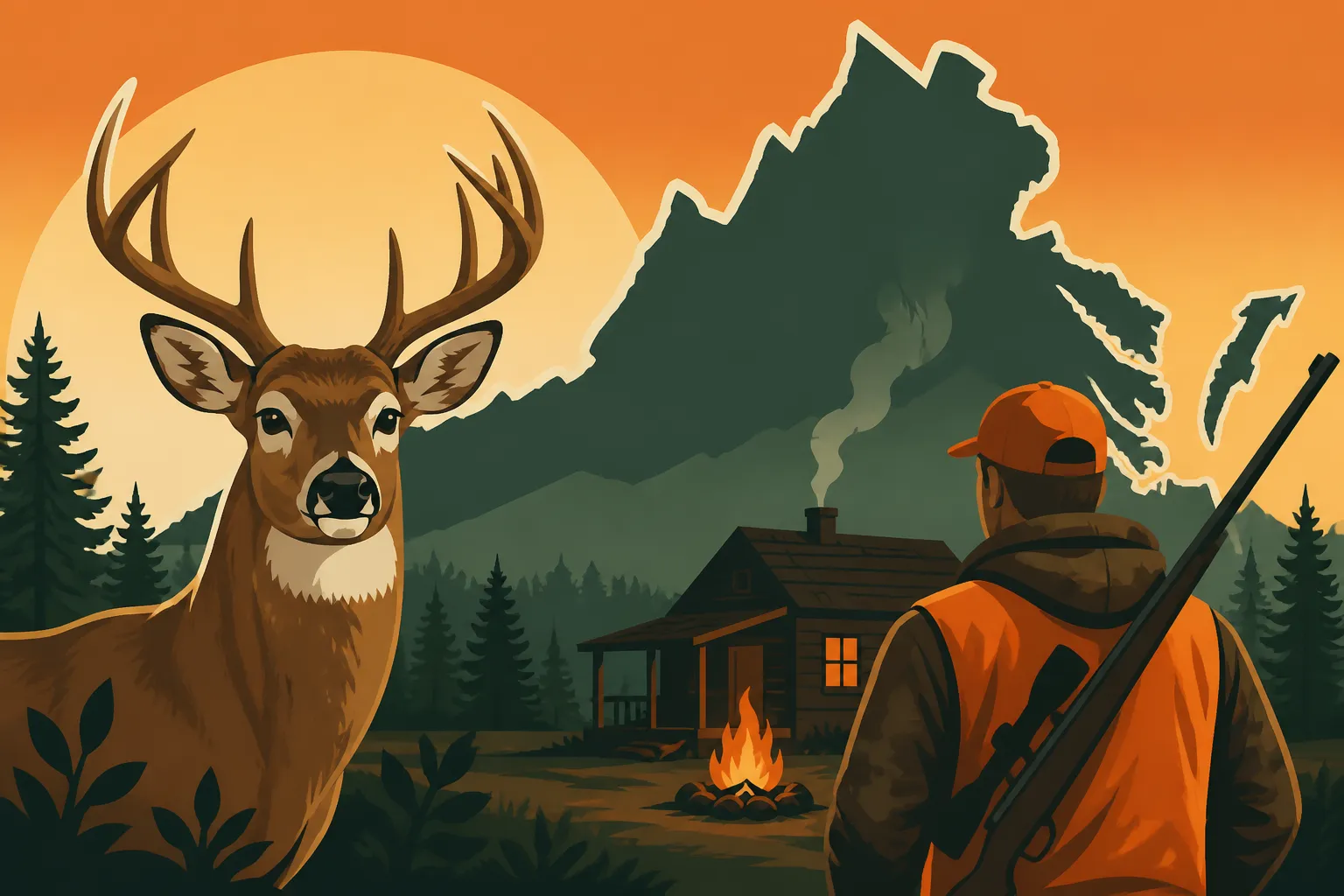
Virginia deer camp traditions aren't just something we do; they're a part of who we are as hunters in the Commonwealth. It’s a feeling that washes over you the moment you pull into camp, seeing familiar faces, smelling wood smoke, and hearing the distant caw of a crow in the pre-dawn stillness. For many, it’s the annual pilgrimage, a reset button for the soul, and a deep dive into the heart of hunting culture that goes far beyond pulling a trigger.
More Than Just a Hunt: Community and Connection
What sets a Virginia deer camp apart is its undeniable focus on community. It’s a place where generations gather, where seasoned veterans share wisdom with eager newcomers, and where the success of one hunter is celebrated by all. Think about it: how many other places in modern life foster such a strong, shared experience, year after year? It's not just a collection of tents or cabins; it's a living, breathing entity powered by shared passion. This communal spirit often extends beyond just friends and family; sometimes, it’s a group of folks who only see each other for this one precious week or two out of the year, yet they share a bond as strong as any kin.
This connection runs deep. When you’re out in the stand, freezing your toes off, the thought of returning to camp for a hot meal and good company can be a powerful motivator. And when you finally drag that buck back to camp, tired but triumphant, the cheers and pats on the back from your campmates make all the effort worthwhile. It's in these moments that the true value of a deer camp is revealed: it’s a place of shared purpose and unwavering support, a rare commodity in our often-isolated world.
A Rich History Rooted in the Commonwealth's Landscapes
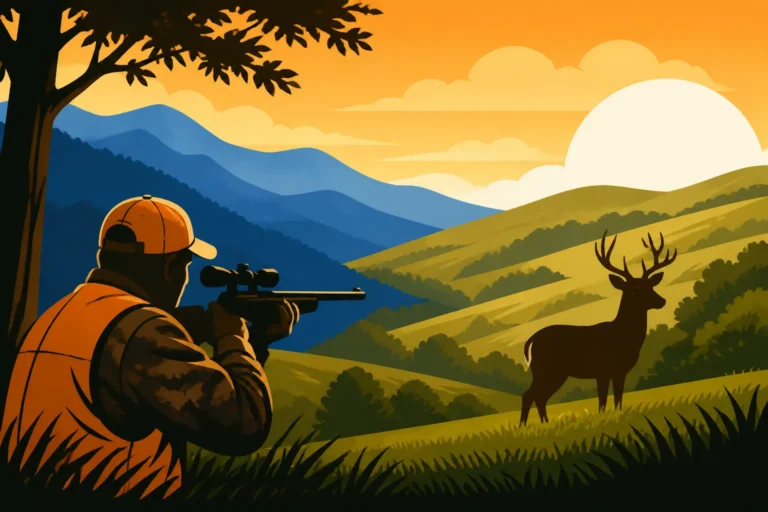
Virginia's hunting heritage is as old as the state itself, and deer camps are a direct reflection of that history. From the Blue Ridge Mountains to the Tidewater swamps, hunters have gathered for centuries, learning the rhythms of the land and the habits of the whitetail. These traditions are steeped in the specific challenges and rewards of Virginia's diverse ecosystems. A camp in the George Washington National Forest might have different rituals than one tucked away in the Piedmont, but the underlying ethos remains the same: respect for the game, appreciation for the land, and joy in the shared pursuit.
Consider the early days, when survival was intertwined with a successful hunt. While our reasons for hunting have evolved, that primal connection to sustenance and the land persists. Many camps still embrace a "no waste" philosophy, utilizing every part of the harvested animal, a direct echo of those ancestral practices. The history isn't just in the methods, but in the places themselves – often, camps are set up on the same parcels of land, year after year, sometimes for generations, with stories of past hunts etched into the very timber of the cabin walls or the well-worn paths to the best stands.
Setting Up Your Home Away From Home: Camp Logistics
A successful deer camp isn't just about good luck; it's about meticulous planning and teamwork. Getting the logistics right ensures that everyone is comfortable, safe, and ready to focus on the hunt. This involves everything from picking the perfect spot to making sure you have all the necessary supplies.
Choosing the Right Location: Public Land vs. Private Leases
The first crucial step for any Virginia deer camp is securing a location. This often boils down to a choice between public land and private leases, each with its own set of considerations. Public land, such as vast tracts within the George Washington National Forest or one of Virginia's many Wildlife Management Areas (WMAs), offers accessibility and often stunning wild landscapes. You might be hunting areas like those described in Hunting West of the Blue Ridge or within the dense cover of a national forest. The challenge here can be finding a spot with minimal pressure from other hunters and ensuring you understand the specific regulations for camping and treestand placement on public land. When considering public options, tools like the GoHunt app can be invaluable for scouting Virginia public land before season, helping you identify promising areas, understand terrain, and even gauge potential access points that might be less used.
Private leases, on the other hand, offer exclusivity and often more control over habitat management, potentially leading to higher deer densities and fewer encounters with other hunters. These often come with a cost, but the investment can pay off in terms of a more consistent and predictable hunting experience. Whether on public or private ground, evaluating the proximity to good hunting spots, access to water, and suitable flat ground for tents or cabins are paramount. You'll also want to consider cellular service availability for safety and for reporting deer harvests, as required by Virginia Deer Reporting Requirements.
The Essentials: Gear, Food, and Comfort for the Long Haul
Once you have a location, it’s time to organize the camp essentials. This is where a well-oiled machine truly shines. Everyone needs to pull their weight, contributing gear that makes the camp function smoothly. This isn’t just about hunting gear; it’s about making sure your home away from home is comfortable enough to recharge after long days afield.
Here's a quick checklist of camp essentials:
| Category | Essential Items | Notes |
|---|---|---|
| Shelter | Tents, RVs, cabins, tarps | Consider weather conditions; robust, waterproof options are a must. |
| Cooking | Camp stove, grill, pots, pans, utensils, cooler, potable water | Don't forget propane, charcoal, dish soap, and sponges. Good food is the soul of deer camp! |
| Comfort | Sleeping bags, cots/pads, camp chairs, lantern, firewood | Warm sleeping bags are crucial for cold Virginia nights. |
| Hygiene | First-aid kit, toiletries, toilet paper, hand sanitizer, shovel | Be prepared for minor injuries and basic sanitation. Pack it in, pack it out! |
| Safety | GPS/map, compass, headlamps, extra batteries, signaling device, fire extinguisher | Especially important if hunting remote areas. Always let someone know your hunt plan and expected return time. |
| Processing | Tarps, game bags, knives, sharpening stone, cooler with ice | Essential for proper field dressing and meat care, particularly during early archery season when temperatures can still be warm. Refer to Field Dressing a Deer in Cold Weather for specifics. |
Beyond this list, individual hunters should bring their personal hunting gear, appropriate clothing for changing Virginia weather, and any personal comfort items. Remember, a dry, warm hunter is a happy and effective hunter. This is particularly true during late-season hunts when you're thinking about things like Late-Season Food Sources for Virginia Whitetails and sitting still for hours.
Planning the Hunt: Strategy and Safety Briefings
Every good Virginia deer camp starts the day with a strategy and ends it with a recap. Before anyone steps foot in the woods, a safety briefing is non-negotiable. This covers everything from firearm safety rules, especially important during Virginia's General Firearms Deer Season, to communication protocols and emergency procedures. Everyone needs to know where others will be hunting, designated "safe zones" for drives, and who to contact if there's an issue. This is also where blaze orange requirements are reinforced, ensuring everyone understands How Much Blaze Orange Virginia Requires.
Beyond safety, the strategy session maps out the day's hunt. This might involve discussing recent deer sign, known travel corridors, or specific tactics like stand placement near prime Late-Season Food Sources for Virginia Whitetails. Maybe some hunters will focus on still-hunting timber, while others set up in treestands overlooking field edges. If you're hunting in a group, discussions might revolve around coordinated deer drives, a common tactic in some parts of Virginia. Utilizing tools like the GoHunt app can also help here, as you can share waypoints for stand locations, recent sightings, or potential bottlenecks you identified during your pre-season scouting. These discussions are key for coordinating efforts and maximizing success, especially when considering different hunting methods like those for Muzzleloader Deer Hunting in Virginia.
Embracing the Rituals: Beyond the Deer Woods
While the hunt itself is the main event, the true soul of a Virginia deer camp often resides in the moments between the hunts. These are the rituals that bind everyone together, creating memories that last a lifetime, long after the season closes.
Camp Kitchen: Hearty Meals and Shared Stories
The camp kitchen is undeniably the heart of any deer camp. After a long, cold morning in the stand, there’s nothing quite like returning to the aroma of coffee brewing and bacon sizzling. Meals aren’t just about sustenance; they’re social events. Whether it’s a big breakfast before the morning hunt, sandwiches quickly devoured during a mid-day break, or a sprawling, hearty dinner after sunset, these are the times for shared laughter, recounting the day’s adventures (and misadventures!), and bonding over good food.
Traditional camp meals often lean towards the robust and comforting: chili, stew, venison backstraps, grilled burgers, and plenty of sides. Everyone usually contributes, whether by cooking a meal, bringing ingredients, or simply washing dishes. These moments around the camp stove or campfire are where the best stories are told – tales of the one that got away, the biggest buck ever seen, or the comical mishap that had everyone roaring with laughter. It's also where new hunters learn the ropes, not just about hunting, but about the unspoken rules and rhythms of camp life.
Post-Hunt Processing: From Field to Freezer Together
Bringing a deer back to camp isn’t the end of the work; it’s often the start of another cherished camp tradition: meat processing. This is a communal effort where everyone pitches in. From assisting with field dressing if someone needs an extra hand to carefully skinning, quartering, and eventually butchering the deer, it’s a hands-on learning experience for all. Newer hunters can learn invaluable skills from seasoned veterans, absorbing knowledge that’s hard to find in a textbook. Many camps have dedicated areas, whether it's a simple tarp spread on clean ground or a more elaborate processing station, where the work gets done efficiently and hygienically.
The transformation of a deer from the field to freezer-ready packages is a deeply satisfying process. It reinforces the connection between the hunt and the table, reminding everyone of the responsibility and respect owed to the animal. Learning how to properly bone out a deer, for instance, or how to age venison, are practical skills passed down through generations. After a successful season, the collective freezer might be brimming with venison, providing delicious, organic meat for everyone involved, cementing the camp's purpose long after the last hunter has gone home. Discussions often lead to tips like those in Butchering a Deer at Camp, sharing methods for maximizing yield and quality.
Storytelling and Lore: Keeping the Memories Alive
Deer camp is a crucible for stories. Around the flickering campfire or at the worn kitchen table, tales are spun, exaggerated, and retold year after year. These aren't just idle chatter; they are the oral history of the camp, a chronicle of its past triumphs, humorous failures, and defining moments. You'll hear about the legendary buck old man Johnson finally got, the time Uncle Bob fell out of his stand (thankfully unharmed), or the crazy weather event that blew through camp a decade ago.
Each story reinforces the camp’s identity and provides a continuous narrative for everyone present. It’s how newcomers are initiated into the camp's lore and how memories are solidified into shared legend. These stories often contain valuable lessons – about patience, perseverance, reading deer sign, or the unpredictability of nature. They connect the present generation of hunters to those who came before, ensuring that the spirit of the camp, and the wisdom gained in the Virginia woods, lives on.
Nurturing the Future: Passing on the Deer Camp Legacy
The true measure of a Virginia deer camp tradition lies not just in its present enjoyment, but in its ability to endure. This means actively working to bring in new blood, teach responsible practices, and ensure the wild places that make these traditions possible remain healthy and accessible.
Mentorship: Guiding New Hunters Through Tradition
One of the most profound traditions in any Virginia deer camp is mentorship. Experienced hunters take younger, or less experienced, individuals under their wing, teaching them not only how to hunt but also why we hunt the way we do. This goes far beyond just sighting in a rifle or knowing when Virginia's Statewide Archery Season Opens. It encompasses everything from the ethics of a clean kill to tracking a deer through Virginia leaf litter, understanding game laws, and respecting the land. This is often where the real education happens, far more effectively than any classroom.
New hunters learn practical skills like scouting techniques, reading terrain maps (perhaps with assistance from a Scouting With the Virginia DWR App or the GoHunt app), and proper shot placement. But they also learn the intangible elements: the patience required for an all-day sit, the quiet observation of nature, the humility of coming home empty-handed, and the sheer joy of a successful harvest shared with friends. These are the values that Virginia Hunter Education Requirements aim to instill, and they truly come alive in the context of deer camp. A good mentor models responsible behavior, ensuring the next generation understands the privilege and responsibility that comes with being a hunter.
Preserving the Land and the Spirit for Generations to Come
For Virginia deer camp traditions to continue, the natural resources and the opportunities to hunt them must be safeguarded. This means fostering a deep respect for conservation and actively participating in efforts to protect wildlife habitats. Many camps incorporate practices like leaving no trace, managing private land for optimal deer health, or supporting organizations dedicated to wildlife conservation. It’s about being good stewards of the land, whether it's public ground or a private lease.
Discussions around the campfire often turn to the future of hunting, the challenges facing wildlife populations, and how hunters can contribute to sustainable management. This proactive approach ensures that the wild spaces, the deer herds, and the traditions themselves will be there for future generations to experience. The spirit of deer camp is inherently tied to the health of the land; by preserving one, we ensure the other can thrive. It's about remembering that we are temporary visitors, and our role is to leave the land better than we found it, ensuring the crackle of the campfire and the camaraderie of the hunt can be enjoyed by many more generations to come.
Disclaimer
The information provided in this guide is for general informational purposes only and does not constitute legal advice or replace official Virginia Department of Wildlife Resources regulations. Hunters are responsible for understanding and complying with all current state and federal hunting laws and regulations. Always refer to the latest Virginia DWR digest for specific season dates, bag limits, and legal requirements.