How Many Feral Hogs Virginia Has
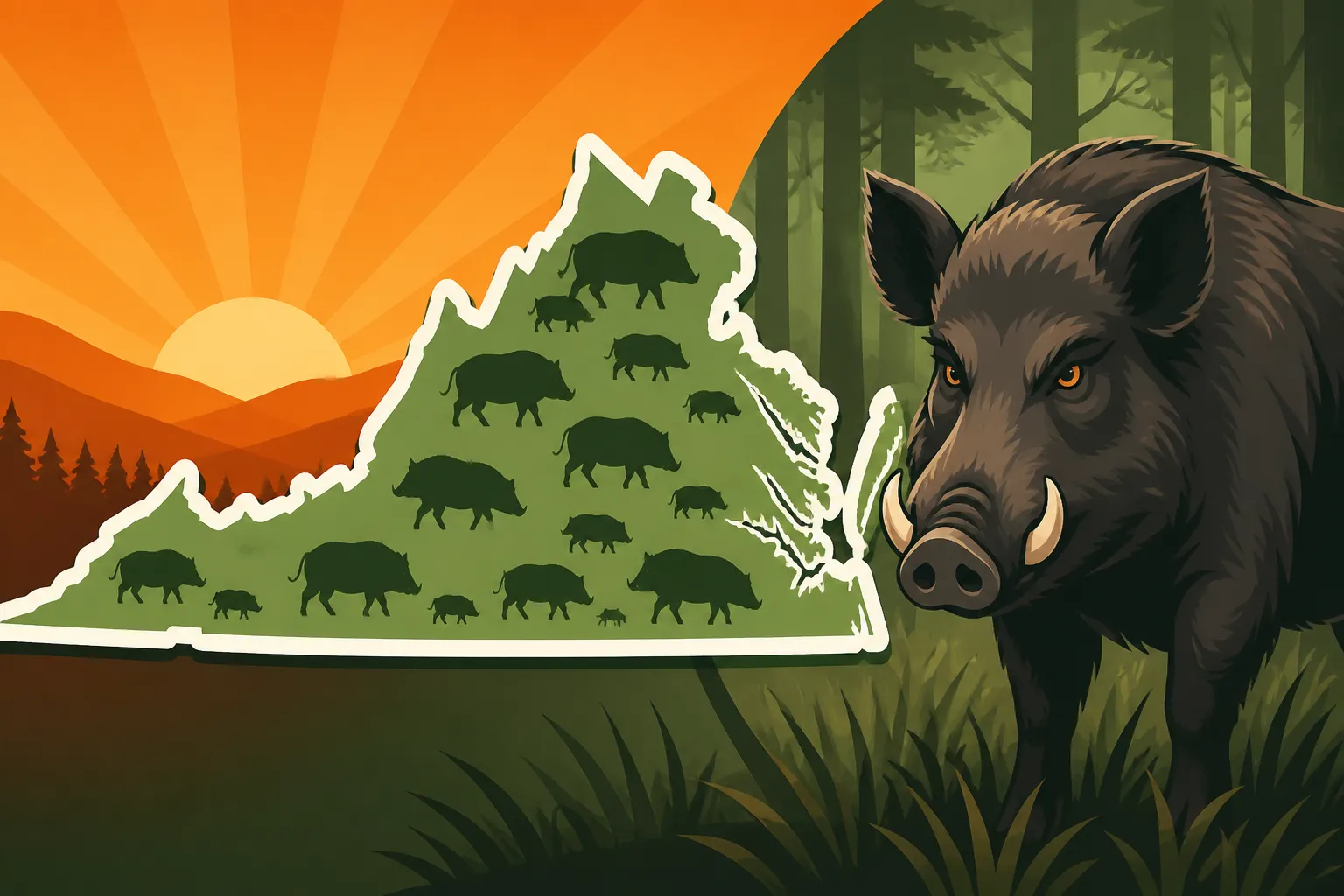
Dealing with feral hogs in Virginia is a growing concern for hunters, landowners, and conservationists alike. These incredibly destructive animals aren't native to our beautiful state, and their presence causes immense damage to crops, property, and native wildlife habitats. While there isn't an exact census on how many feral hogs Virginia has, this guide will dive deep into why precise numbers are so hard to pin down, where they're most concentrated, the impact they have, and how we're working to manage their spread.
The Elusive Numbers Game: Why Counting Feral Hogs in Virginia is So Tricky
Trying to put an exact number on Virginia's feral hog population is like trying to count individual raindrops in a thunderstorm – it's practically impossible. Unlike deer or turkey, which have more predictable movements and can be surveyed through established methods like spotlight counts or harvest reports, feral hogs are an entirely different beast. Their behavior, reproductive capabilities, and sheer wiliness make precise enumeration a continuous, frustrating challenge for wildlife agencies and researchers.
Their Incredible Reproductive Rate and Elusive Nature
One of the primary reasons for the difficulty in counting feral hogs lies in their astounding reproductive capacity. These animals can start breeding at a very young age, often as early as six months old, and they don't stop. Sows can have multiple litters a year, sometimes two or even three, with each litter potentially consisting of four to twelve piglets. Just imagine a small group of hogs, and then think about how quickly that group can explode in numbers within a single year if conditions are favorable. This rapid turnover means that even if you could get a momentary count, that number would be outdated almost immediately.
Beyond their breeding prowess, feral hogs are incredibly elusive. They are often largely nocturnal, especially in areas with human activity or hunting pressure. They move stealthily through thick cover, swamps, and dense woods, making them incredibly difficult to spot, let alone accurately count. Their intelligence allows them to adapt quickly to pressure, changing their patterns and habits to avoid detection. This combination of prolific breeding and secretive behavior ensures that any population estimate remains just that – an estimate, and a constantly fluctuating one at that.
The "Ghost" Population: Why Sightings Don't Tell the Whole Story
When we talk about the "ghost" population of feral hogs, we're referring to the vast majority of individuals that are simply never seen by humans. A hunter might glimpse a sounder of five hogs, but what they don't see are the ten more hogs rooting just beyond the next thicket, or the other sounders operating miles away. Relying solely on direct sightings would drastically underestimate the true scale of the problem.
Wildlife biologists and managers understand that direct observation is only a small piece of the puzzle. Instead, they often rely on indirect signs of presence, like extensive rooting, wallows, rubs, and tracks, to determine where hogs are active. Even then, determining population density from these signs is more an art than a science. The damage could be caused by a few very active hogs, or a large sounder moving through periodically. This ambiguity highlights why simply counting observed animals or damage isn't a reliable metric for understanding the total number of feral hogs Virginia has. It's a testament to their ability to blend into the landscape and avoid direct confrontation.
Where Virginia's Feral Hogs Are Concentrated
While feral hogs are adaptable and can theoretically pop up almost anywhere, their presence in Virginia isn't evenly distributed. They tend to establish themselves in specific regions and habitats that offer the best combination of food, water, and cover, making these areas persistent hotspots for hog activity and the associated damage. Hunters looking for Feral Swine Sightings in Southwest Virginia or other areas can often find clues by understanding these preferred zones.
The Southwest and Southern Piedmont Hotspots
Historically, and even today, the highest concentrations of feral hogs in Virginia are found in the southwestern part of the state, particularly in counties bordering other states where hog populations are well-established. These areas often feature rugged terrain, dense timber, and access to agricultural lands, providing an ideal mix for hogs to thrive and expand their range. The mountainous regions offer seclusion and vast tracts of undeveloped land, while the valleys and lower elevations provide abundant food sources.
Beyond the Southwest, the southern Piedmont region has also seen a significant increase in feral hog activity. This area is characterized by a mosaic of agricultural fields, timber blocks, and river systems, creating perfect conditions for hog proliferation. Counties in this part of the state, especially those with extensive agricultural operations, frequently report damage and sightings. These hotspots are where the battle against feral hogs is most intense, as their numbers and impact are felt most acutely by landowners and farmers.
River Bottoms and Agricultural Lands: Preferred Habitats
If you want to find feral hogs in Virginia, look for river bottoms and areas adjacent to agricultural lands. These habitats provide everything a hog needs: water, dense cover for bedding and escape, and an endless buffet of food. River bottoms, with their often impenetrable thickets, offer ideal security cover where hogs can hide and breed undetected. The soft, moist soil also makes rooting much easier, allowing them to dig for tubers, roots, and invertebrates with minimal effort.
Agricultural fields are a primary draw for feral hogs, offering a readily available and highly nutritious food source. Crops like corn, soybeans, peanuts, and even hay fields can be utterly devastated by rooting and feeding hogs. They'll frequent the edges of these fields, especially where dense woods or swamps provide quick escape routes. This pattern makes them a particular menace to Virginia's farmers, who often wake up to find acres of their hard work destroyed overnight. Understanding these preferred habitats is key for hunters and landowners trying to manage these destructive animals. Many hunters use mapping applications like GoHunt to pinpoint these crucial habitat overlaps, helping them to locate potential hog activity and plan their approach.
Understanding the Impact: Beyond Just the Numbers
While the exact number of feral hogs in Virginia remains an estimate, their impact is undeniably real and extends far beyond just how many there are. These animals aren't just an interesting addition to our wildlife; they are an ecological wrecking ball, causing widespread damage that affects agriculture, native ecosystems, and even human health. Recognizing the gravity of their presence helps underscore why their management is so critical.
Devastating Agricultural Damage
For Virginia's farmers, feral hogs are a nightmare. Their incessant rooting behavior can obliterate entire fields of crops in a single night. Imagine the financial toll when a sounder of hogs tears through a meticulously planted cornfield just before harvest, or churns up a peanut field, making mechanical harvesting impossible. They don't just eat; they destroy. They'll root up seedlings, consume mature crops, and trample what they don't eat, leaving behind a chaotic mess. This isn't just a nuisance; it's a significant economic burden for individual farmers and agricultural communities across the state.
Beyond direct crop destruction, hogs also damage vital farm infrastructure. They'll rub on fences, breaking wires and posts, allowing livestock to escape or other unwanted animals to enter. They contaminate water sources, create wallows that erode soil, and can spread diseases to domestic animals. The constant threat of Crop Damage Hogs Cause in Virginia means farmers are always on edge, often investing heavily in fencing and other deterrents that frequently prove ineffective against these persistent and powerful creatures.
Ecological Threat to Native Wildlife and Habitat
The ecological impact of feral hogs on Virginia's native wildlife and habitats is profound and often goes unseen until the damage is extensive. Hogs are voracious omnivores, meaning they'll eat just about anything. This includes critical food sources for native wildlife, such as acorns, nuts, and berries. When hogs consume vast quantities of these resources, they directly compete with deer, bears, turkeys, and squirrels, potentially impacting the health and survival of these species, especially during lean years. Hunting After a Poor Acorn Year can be even tougher when hogs have already wiped out what mast was available.
Furthermore, feral hogs are opportunistic predators. They're known to prey on the fawns of white-tailed deer, the nests and poults of ground-nesting birds like wild turkeys and quail, and even reptiles and amphibians. Their rooting also disturbs and destroys sensitive plant communities, alters soil composition, and can facilitate the spread of invasive plant species. They essentially act as a giant tiller, churning up the forest floor, disrupting delicate ecosystems, and making it harder for native species to find food, shelter, and reproduce. This ecological disruption is a long-term threat to the biodiversity and health of Virginia's natural landscapes.
DWR's Approach to Management (and Why It's a Moving Target)
Given the significant issues posed by feral hogs, the Virginia Department of Wildlife Resources (DWR) views them as a serious threat. Unlike native game animals, feral hogs are not considered a desirable species. The goal isn't to manage for sustainable harvest but to control their populations and prevent their further spread. This makes management a complex, constantly evolving effort that relies heavily on public cooperation and diverse strategies.
Surveillance and Reporting Efforts
One of the foundational aspects of DWR's strategy is active surveillance and public reporting. Since hogs are so elusive, the agency depends on reports from hunters, landowners, and the general public to identify new infestations or monitor existing populations. This isn't about getting an exact count of How Many Feral Hogs Virginia Has, but rather understanding their distribution and detecting new outbreaks quickly before they become established. If you see signs of hog activity – rooting, tracks, or even the animals themselves – reporting it to DWR is crucial.
These reports help DWR prioritize where to focus their control efforts and educate local communities on the threat. They might track patterns using mapping tools, much like how hunters use GoHunt to understand game movement. The information gathered from these sightings and damage reports helps DWR staff confirm presence, estimate approximate numbers in an area, and then deploy appropriate suppression methods. Without community involvement in reporting, these "ghost populations" would remain even more hidden, making effective management nearly impossible.
Encouraging Hunter and Landowner Participation
The DWR actively encourages hunters and landowners to participate in feral hog control. In Virginia, feral hogs can be hunted year-round on private land, with no bag limits and no closed season, provided you have a valid hunting license and landowner permission. This policy reflects the DWR's recognition that hunters can be a valuable asset in controlling populations. Hunters can contribute significantly to reducing hog numbers, especially when employing targeted methods. For those interested, guides like Hunting Virginia's Year-Round Feral Hogs or Trapping Virginia Feral Hogs offer valuable insights into effective strategies.
Landowners are particularly vital in this effort. They often have the most direct and consistent access to the areas where hogs are causing damage. DWR provides resources and advice for landowners on various control techniques, including trapping, which is often the most effective method for reducing a sounder's numbers. The year-round nature of hog hunting on private land, as outlined in Virginia's Year-Round Hog Rule on Private Land, underscores the urgency and seriousness of the issue. By empowering both hunters and landowners, the DWR hopes to apply consistent pressure on feral hog populations, mitigating their destructive impact across the Commonwealth. Using a mapping application like GoHunt can be incredibly beneficial for landowners looking to document damage or for hunters seeking private land access to aid in hog removal efforts.
Signs of Feral Hog Activity
Understanding the subtle (and not-so-subtle) signs of feral hog presence is often more useful than trying to get an exact number. These indicators tell you that hogs are in the area and actively causing problems.
| Sign of Activity | Description | Impact |
|---|---|---|
| Rooting | Areas of disturbed soil where hogs have dug with their snouts for food. | Resembles a rototiller, severe damage to crops, pastures, and sensitive ecosystems. |
| Wallows | Muddy depressions where hogs roll to cool off and remove parasites. | Contaminates water sources, creates erosion, indicates frequent use of an area. |
| Rubs | Bark peeled from trees or mud smeared on fences/posts where hogs scratch. | Indicates travel routes and bedding areas; can damage young trees and farm infrastructure. |
| Tracks | Distinct two-toed tracks, often blunt and rounder than deer, sometimes splayed. | Confirms presence and direction of travel, often visible in mud or soft soil. |
| Scat (Droppings) | Highly variable, often cylindrical, dark, and often containing plant matter. | Indication of diet and presence, though can be confused with other animals. |
| Trail Cameras | Photos/videos of hogs, often at night. | Direct evidence of presence, size of sounder, and activity patterns (e.g., Night Hunting Hogs With Lights on Private Land). |
Disclaimer
This article is for general informational purposes only and does not constitute professional advice. Laws, prices and regulations vary by location and change over time. Consult a qualified professional for guidance on your specific situation.