Virginia Deer Antler Restrictions Debate
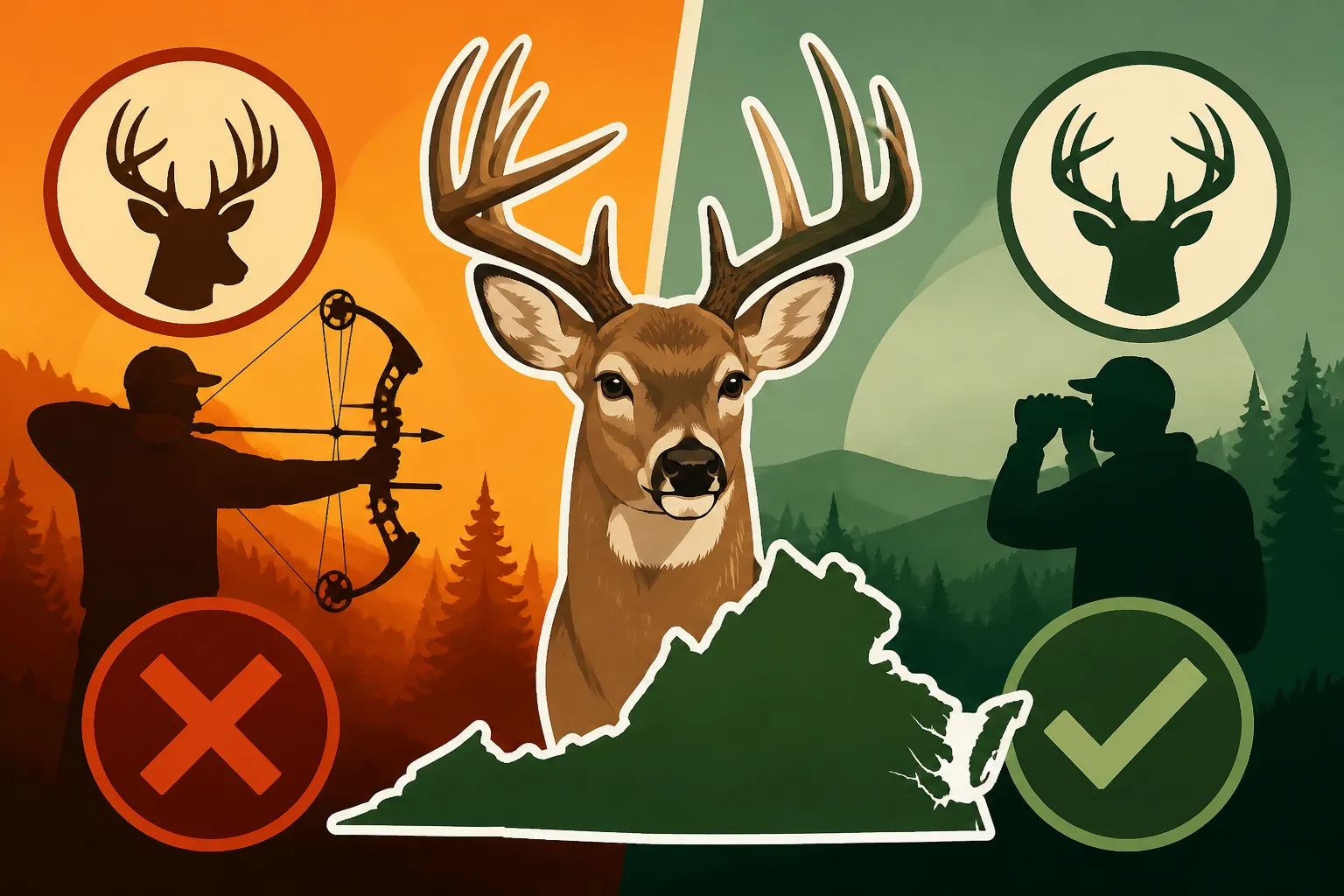
You know, for all the excitement and anticipation that comes with deer season in Virginia, there's a conversation that just keeps bubbling up, year after year, around campfires and online forums: the idea of antler restrictions. It’s a topic that touches on everything from our hunting heritage to the future of our deer herd, and it often pits passionate hunters against each other. This guide is all about diving deep into that very real debate, exploring the ins and outs of antler point restrictions and how they could, or couldn't, shape deer hunting here in the Old Dominion.
The Core Idea Behind Antler Restrictions
Let's start with the basics. When we talk about antler restrictions, or APRs, we're talking about regulations that dictate the minimum antler size or number of points a buck must have before it can be legally harvested. It’s not just about "bigger antlers" for the sake of it, although that's certainly a visible outcome. At its heart, an APR is a management tool designed to influence the age structure of the buck population.
What Exactly Are Antler Point Restrictions?
Imagine a regulation that says, "Thou shalt not harvest any buck unless it has at least four points on one side," or "unless its main beam is at least 13 inches long." These are examples of antler point restrictions. Instead of the traditional "any antlered deer is legal" approach, APRs add specific criteria based on the physical characteristics of the antlers. The concept isn't new; many states across the country have implemented various forms of APRs for decades. In Virginia, while we often focus on overall deer population management and herd health, the discussion about specific buck quality management through APRs is never far from the surface.
The Theoretical Goals: Older Bucks, Better Genetics
The primary theoretical goal behind most antler restrictions is to allow younger bucks – particularly those 1.5 and 2.5 years old – to survive another season or two. The idea is that if these younger bucks are protected, they'll mature into older, larger-antlered deer. This, in turn, could lead to a more balanced age structure within the buck population, meaning more 3.5-year-old and older bucks walking around. Some proponents also suggest that by letting more bucks mature, it could lead to a higher percentage of older, more dominant bucks participating in the rut, potentially improving the overall genetic quality of the herd over generations. It’s a vision of a landscape where encountering a truly mature whitetail isn’t just a rare stroke of luck, but a more common occurrence for the dedicated hunter.
Why Hunters Advocate for Antler Restrictions
For many hunters, the idea of antler restrictions comes from a good place – a desire to improve the hunting experience and the deer herd itself. They've seen or heard about places where APRs have been implemented, and the results, at least on the surface, seem appealing.
Allowing Young Bucks to Mature
One of the most compelling arguments for antler restrictions is the desire to "let bucks grow." In many areas, especially those with high hunting pressure or accessible public lands, young bucks (often 1.5-year-olds) are frequently harvested. These bucks, while legal and delicious, haven't had the chance to reach their full potential, either in body size or antler development. Proponents of APRs believe that by passing on these younger deer, they would grow into bigger, more challenging animals, creating a more fulfilling hunt in subsequent seasons. It's a long-term view that prioritizes future opportunities over immediate gratification. Many feel that Virginia, with its diverse habitats, could really benefit from a more mature buck population in certain areas. Understanding Virginia Deer Antler Growth Timeline helps shed light on this process.
The Appeal of a "Trophy" Culture
Let's be honest, for many, the allure of a large-antlered buck is a powerful draw. While not every hunter is solely focused on "trophies," the possibility of harvesting a truly mature deer adds another layer of excitement and challenge to the sport. Antler restrictions are seen by some as a direct path to increasing the number of these older, larger-racked deer in the woods. They argue that seeing more mature bucks, even if they aren't harvested, enhances the overall quality of the hunt. This pursuit often leads to more dedicated scouting and a deeper understanding of deer behavior, which can only make us better hunters. When you're spending hours on Scouting Virginia Public Land Before Season, imagining a big mature buck on your trail cam can be a huge motivator.
Perceived Benefits to Overall Herd Health
Beyond just antler size, some advocates believe that a more balanced buck age structure, brought about by APRs, can contribute to overall herd health. The theory suggests that if more mature bucks are present during the rut, they may be more effective breeders, leading to healthier fawns. It's also sometimes argued that taking fewer young bucks might lead to less pressure on the younger population during the breeding season. However, this aspect is often debated among wildlife biologists, who typically emphasize doe harvest as the primary driver for managing overall population numbers and maintaining a healthy buck-to-doe ratio. While our Virginia Deer Population Estimate is generally healthy, nuanced approaches could always be considered.
Why Many Hunters Resist Antler Restrictions
On the flip side, there are equally passionate hunters who voice strong opposition to antler restrictions. Their concerns often center on tradition, opportunity, and the practical realities of hunting in Virginia's varied landscapes.
Impact on Hunter Opportunity
One of the loudest objections to antler restrictions is the potential for reduced hunter opportunity. For many, deer hunting isn't solely about harvesting a "trophy." It's about putting venison in the freezer, spending time outdoors, sharing experiences with family and friends, and simply enjoying the pursuit. If strict APRs are implemented, it could mean that a hunter passes up multiple legal, albeit young, bucks over several seasons, diminishing their chances of success. This is especially true for hunters on smaller tracts of private land or heavily pressured public land where mature bucks might be scarce. For a lot of folks, the "brown is down" philosophy means a successful hunt is bringing home meat, regardless of antler size. This feeling is particularly strong in areas where hunters are working hard to fill tags, especially when trying for Filling a Six-Deer Eastern Limit.
The "Brown is Down" Philosophy
This sentiment, "if it's brown, it's down," perfectly encapsulates the focus on meat harvesting and the intrinsic value of every legal deer. For generations, hunters in Virginia have focused on the deer itself, not just its rack. They view APRs as an arbitrary rule that complicates a straightforward tradition and potentially stigmatizes the harvest of a younger buck. For many, hunting is about providing for their family and making memories, not about chasing antler scores. They might argue that placing an emphasis on antler size detracts from the true spirit of fair chase and ethical hunting practices. When you're out there Hunting the Virginia Rut in November, any legal deer is a good deer to many.
Practical Challenges and Misidentification
Another significant concern revolves around the practical challenges of implementing and enforcing APRs. Imagine being in thick timber, deep in the George Washington National Forest, and a buck suddenly appears. In a split second, you need to count points, estimate beam length, and decide if it's legal. This can be incredibly difficult, leading to "mistake kills" where a hunter accidentally harvests an illegal deer, or, worse, "wounding loss" where a hunter takes a shot, realizes it's illegal, and then that deer is lost. No one wants to break the law or waste an animal. Hunters are rightly worried about the added stress and potential for penalties under such regulations. It adds a layer of complexity that some feel is unnecessary and counterproductive, especially when visibility is poor or the action is fast. Reading a Ridge for Blue Ridge Deer is hard enough without worrying about antler dimensions on a fleeting buck.
Concerns Over DWR Overreach
Some hunters also express concern that widespread antler restrictions represent an overreach by the Virginia Department of Wildlife Resources (DWR), dictating how they should hunt rather than simply managing populations for overall health. They argue that if the deer herd is healthy and within biological carrying capacity, and hunter satisfaction is generally good, then additional regulations regarding antler size might be unnecessary. This perspective often aligns with a desire for less government intervention in their hunting pursuits, believing that hunters themselves are capable of making ethical and responsible decisions about what deer to harvest. Organizations like GoHunt provide resources for hunters to stay informed, but ultimately, many value the autonomy to make their own decisions in the field.
Virginia's Current Stance and the Ongoing Dialogue
Virginia has historically maintained a management approach that focuses on overall herd health and population control through doe harvest, rather than extensive antler restrictions. This has largely been to balance the ecological needs of the deer population with agricultural damage concerns and hunter opportunity.
Historical and Present Regulatory Landscape
Currently, Virginia does not have a statewide antler point restriction in place. The general rule for antlered bucks typically allows for the harvest of any buck with an antler at least three inches long, or one clearly visible antler. This has long been the standard, providing considerable flexibility for hunters across the Commonwealth. There have been discussions, pilots, and local considerations over the years, but a broad-brush approach has been avoided. Our DWR often emphasizes localized management and allowing hunters to make their own choices within broader bag limits. For instance, the differing East Versus West of the Blue Ridge Bag Limits highlight regional management, but these focus on total deer and buck numbers, not antler specifics.
The Role of Hunter Feedback and Local Variation
Any significant change to deer regulations in Virginia would undoubtedly involve extensive public comment and consideration. The DWR regularly solicits feedback from hunters, landowners, and other stakeholders. This is where the debate truly lives – in the passionate discussions at public meetings, in online forums, and through organizations that represent hunters. The challenge is balancing the diverse desires of hunters, from those who want more "trophy" bucks to those who simply want to fill their freezer. It’s also crucial to consider the vast differences in habitat and deer populations across Virginia, from the dense mountain forests of the Jefferson National Forest to the agricultural fields of the Piedmont and the suburban fringes of the Urban Archery Hunting in Virginia Cities zones. What might work well in one area might be detrimental to another. The ability to give feedback is paramount, and many hunters utilize platforms like GoHunt to stay abreast of current proposals and management plans, ensuring their voices are heard.
Resources for Staying Informed
Staying informed about Virginia’s deer management strategies, proposed changes, and the ongoing antler restriction debate is crucial for every responsible hunter. The Virginia DWR website is always the official source for current regulations and public comment periods. Beyond that, engaging with reputable hunting organizations and communities is a great way to understand different perspectives and contribute to the conversation. Websites and apps like GoHunt can be invaluable for understanding potential legislative changes and tracking discussions that impact your hunting future. They often provide breakdowns of proposed rule changes and analysis that helps hunters grasp the full scope of what's being discussed.
Here’s a quick overview of some of the arguments in the Virginia deer antler restrictions debate:
| Aspect | Arguments For APRs | Arguments Against APRs |
|---|---|---|
| Buck Age Structure | Allows younger bucks to mature, increasing older age classes. | Reduces harvest opportunity, especially for meat hunters. |
| Antler Size/Quality | More mature bucks, potentially larger antlers. | Focuses too much on antlers, not on overall hunting experience. |
| Hunter Satisfaction | Increased chance of encountering a "trophy" buck. | Frustration from passing legal, huntable deer. |
| Herd Health | Potentially better breeding dynamics with older bucks. | Does not address primary herd health drivers (doe harvest). |
| Practicality | Simpler to identify mature bucks over time. | Difficult to judge antlers quickly; risk of mistake kills. |
| Management Control | DWR can fine-tune buck quality in specific regions. | Seen as DWR overreach, takes away hunter discretion. |
As you can see, there’s no easy answer, and the debate is complex with valid points on both sides. The future of White-Tailed Deer Across Virginia is certainly a topic that will continue to generate lively discussion.
Disclaimer
This article is for general informational purposes only and does not constitute professional advice. Laws, prices and regulations vary by location and change over time. Consult a qualified professional for guidance on your specific situation.