Hunting a Clover Plot at First Light
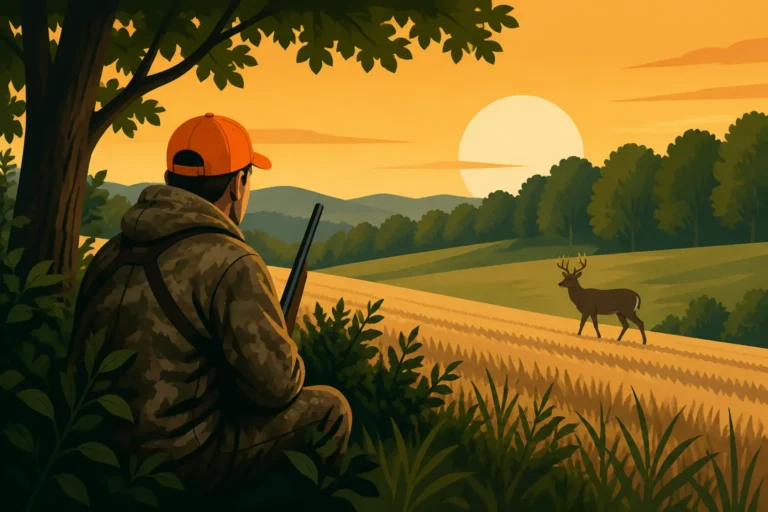
There’s nothing quite like that crisp, pre-dawn chill, the air still, and the world just beginning to stir, only to have your perfect morning hunt over a clover plot ruined by spooking deer before you even settle in. It’s a frustrating reality for many of us who pour time and effort into scouting and setting up, only to find our quarry has vanished at the first hint of human presence. This guide is here to walk you through the nuances of effectively hunting a clover plot at first light in Virginia, helping you understand deer behavior, refine your approach, and maximize your chances for a successful morning.
Why Clover Plots are Morning Magnets for Deer
Clover plots aren't just pretty patches of green; they are critical food sources that draw deer in, especially during specific times of the year. Understanding why deer prefer them and when they are most attractive is the first step to successful first-light hunting. If you just find a clover plot and assume deer will be there, you might be missing crucial details.
The Nutritional Allure of Clover
Deer are constantly seeking out the most nutritious forage available, and clover often fits that bill perfectly. It's a leguminous plant, meaning it fixes nitrogen in the soil, which results in a high protein content in its leaves. This protein is absolutely vital for deer, especially for antler growth in bucks, milk production in does, and overall herd health. Think of it like a deer's favorite high-energy protein bar. Unlike mature browse that might be woody and less palatable, clover offers tender, digestible foliage throughout much of the growing season. This consistent, high-quality food source makes a clover plot an undeniable draw. Many hunters will specifically plant varieties like Ladino or medium red clover, which are known for their palatability and persistence, creating a reliable buffet for deer in your area.
Seasonal Appeal and Deer Preference
While clover is a year-round perennial in many parts of Virginia, its peak attraction to deer shifts throughout the hunting seasons. In the early archery season, especially in September and October, when natural browse might be getting a bit tough, fresh, green clover can be an absolute magnet. Deer, particularly does and their fawns, will flock to these plots for easy, high-quality forage. As the season progresses into the general firearms season and the rut, bucks will still visit clover, often using it as a pit stop to refuel between chasing does. However, their primary focus might shift to finding receptive does or checking scrape lines.
Even into the late season, a healthy clover plot can continue to be a draw, especially if other food sources like acorns or standing crops have diminished. A frost-tolerant clover can remain green and palatable long after other plants have withered, making it one of the Late-Season Food Sources for Virginia Whitetails. It’s not just about the food, either; open plots provide a sense of security for deer when entering, allowing them to survey their surroundings before committing to feed. When you're scouting, pay attention to the specific time of year and how deer are using similar plots in your area. This seasonal understanding is key to predicting their first-light movements.
Mastering Your First-Light Approach to the Plot
Successfully hunting a clover plot at first light hinges almost entirely on your ability to get into position undetected. Deer are incredibly wary, and any false move in the pre-dawn darkness can blow your hunt before it even begins. This is where meticulous planning and discipline come into play.
Pre-Dawn Entry Routes and Wind Direction
This is probably the single most critical factor for morning hunts over a food plot. You absolutely, positively cannot let deer smell or hear you getting to your stand. Your entry route needs to be meticulously planned, long before hunting day. I’ve seen countless hunters trudge straight across an open field or down a well-worn trail, only to have deer bust out of the plot and disappear into the timber before legal shooting light even arrives. The frustration of watching that happen is immense.
First, always consider the wind. This is non-negotiable. If the wind is blowing your scent directly into the plot or into the bedding area where deer might be returning from the plot, you've already lost. Use tools like the GoHunt app or other weather apps to check real-time wind forecasts, and have multiple stand locations for different wind directions. For morning hunts, your ideal entry path should keep the wind in your face or quartering away from the plot. This means if deer are heading away from the plot towards bedding cover after feeding, your scent should be blowing behind them, not ahead.
Second, minimize noise. Walk slowly, deliberately, and pick up your feet. Avoid crunching leaves or snapping twigs. Often, this means taking a longer, more circuitous route that follows a creek bottom, a logging road, or a dense fencerow, even if it adds twenty minutes to your walk. These natural features provide both cover and quieter footing. Remember, deer might still be lingering in the plot or the immediate vicinity as dawn approaches. For instance, if you're hunting a clover plot in the Shenandoah Valley, your approach might involve walking along the base of a ridge to stay out of sight and keep the wind from swirling. When planning your approach, it's also worth thinking about Scouting Virginia Public Land Before Season to identify these subtle advantages in terrain.
Strategic Stand or Blind Placement
Where you set up overlooking a clover plot for a morning hunt is just as crucial as your entry. You need a clear shot, but more importantly, you need to be concealed and positioned for a safe exit without disturbing deer.
For a treestand, look for a tree that provides good cover (e.g., a pine or a hardwood with dense canopy), ideally on the downwind side of the most likely deer entry/exit points from the plot. A common mistake is setting up directly on the edge of the plot in an open tree. Deer will silhouette you against the sky. Instead, aim for a tree about 15-25 yards inside the timber line, offering natural back cover. This also puts you in a better position to catch deer that might skirt the edges or approach from deeper cover. Consider the rising sun; you don't want to be silhouetted or have the sun directly in your eyes during prime shooting light.
If you prefer a ground blind, ensure it’s brushed in naturally and set up well in advance of your hunt. A pop-up blind that appears overnight can be a huge red flag to wary deer. Position it for the prevailing morning winds, and ensure you have shooting lanes to cover the entire plot and any natural funnels leading to it. For example, if you're hunting a clover plot adjacent to a clear-cut regrowth edge in the Piedmont, setting your blind just inside the clear-cut on a slight rise can give you an advantage. Here's a simple comparison of stand types for clover plot hunting:
| Stand Type | Pros | Cons | Ideal Scenario |
|---|---|---|---|
| Treestand | Elevated view, good for spotting deer afar | Limited mobility, noisy setup if not permanent | Hunting predictable travel routes to/from the plot. |
| Ground Blind | Great concealment, warmth, comfort | Limited visibility, must be brushed in early | Hunting small, tight plots or high-pressure areas. |
| Saddle Hunt | Max mobility, lightweight, quiet | Steep learning curve, less comfortable for long sits | Run-and-gun tactics, adapting to real-time sign. |
Remember to factor in your shot angles and safe shooting lanes from your chosen position. You want to be comfortable, but effective. Tools like GoHunt can help you scout potential stand locations virtually, identifying terrain features and potential bedding areas that influence how deer will approach or leave the plot. This can be especially useful when considering Treestand Setups in George Washington National Forest or other public lands where optimal trees might be scarce.
Interpreting Deer Behavior on a Morning Clover Plot
Once you’re in your stand or blind at first light, the real mental game begins. It’s not just about waiting; it’s about observing, understanding, and anticipating deer movement. Morning patterns over a clover plot can differ significantly from evening patterns, and knowing what to look for can make all the difference.
Identifying Common Movement Patterns
At first light, deer are typically transitioning. They've likely been feeding in the plot, or nearby, throughout the night and are now looking to head back to bedding areas to lay up for the day. This means their movement will often be away from the plot and towards thicker cover. You'll often see does and fawns enter first, sometimes followed by smaller bucks, and occasionally, a mature buck will make a late appearance, perhaps pausing to browse before heading to his sanctuary.
Look for deer entering from the most protected, thickest cover available, or along subtle contours in the landscape. They rarely just pop out in the middle of a wide-open field. Instead, they might follow a fencerow, a creek, or a finger of timber that extends into the plot. Identifying these "entry veins" is crucial. Pay close attention to the edges of the plot where the clover meets the timber. This is a common transition zone. Sometimes, a dominant buck might push does around the plot, showing aggressive behavior even in the early morning. Understanding Hunting the Rut in November can help you predict these more erratic buck movements, as even during the rut, bucks will use food sources to check for does.
Reading the Sign: Fresh Tracks and Browsing
Even if you don't see deer immediately, the plot itself holds a wealth of information. Before your hunt (or even during the hunt if deer are slow to appear), look for fresh sign. Are there fresh tracks in the soft ground around the plot edges? Are they heading in or out? Big, deep tracks suggest mature deer. Are there visible browsing marks on the clover? Freshly nipped leaves with jagged edges often indicate deer feeding.
Beyond the plot, check any adjacent trails for fresh droppings or rubs. If you're seeing signs that indicate deer are actively using the plot and the trails leading to it, your confidence should rise. The freshness of the sign can tell you how recently deer have been there. Dew-covered tracks or droppings mean they were there overnight. If you're seeing these indicators, it confirms you're in the right spot, and patience is your best friend. Even something as simple as Reading Virginia Mud for Fresh Deer Movement can tell you volumes about recent activity and the size of the deer moving through. GoHunt's mapping features can also help you identify areas of concentrated sign from previous scouting trips, giving you a better idea of high-traffic zones within or around the plot.
Adapting Your Tactics for Optimal Success
Hunting deer over a clover plot at first light isn't a static activity; it requires adaptability. Weather changes, hunting pressure, and the specific phase of the season all demand adjustments to your approach. The hunter who sticks to a rigid plan, no matter the conditions, is often the one heading home empty-handed.
Hunting Post-Frontal Activity and Changing Weather
Weather fronts can drastically alter deer movement, and knowing how to capitalize on them is a game-changer. A cold front, especially one that brings a significant drop in temperature and clear skies after a period of rain or warmth, often kicks deer activity into high gear. They know a change is coming and will often feed heavily before or after a front passes. On a crisp morning following a cold front, deer might linger longer in a clover plot, or they might move with more purpose from bedding to feeding and back. This is particularly true if the front brings a noticeable drop in temperature, making deer feel more comfortable moving in the open.
However, be mindful of wind shifts associated with fronts. A beautiful, calm morning after a front can quickly turn breezy, and those subtle shifts in air current can carry your scent further than you'd like. Heavy rain can also wash away scent, but deer activity often slows during intense precipitation. Once the rain lightens or stops, especially at first light, deer might emerge to feed on fresh, rain-soaked clover. Consider how Wind and Thermals on a Blue Ridge Slope interact with these weather patterns, as they can be surprisingly tricky even in seemingly flat clover fields. Always double-check your forecast, and have a backup plan for changing winds.
Dealing with Hunting Pressure and Spooked Deer
Virginia's hunting landscape includes both public and private lands, and on either, deer can quickly become educated and wary due to human presence. A clover plot that saw heavy activity in early season might become a ghost town if hunters are constantly busting deer out of it. Spooked deer will quickly learn to avoid open plots during daylight hours, pushing their feeding activity to nocturnal periods or deeper, thicker cover.
If you suspect a plot is getting pressured, you need to adjust. This might mean:
- Earlier Entry: Get into your stand even earlier than usual to ensure you're settled long before deer arrive or start to move.
- Deeper Penetration: Instead of setting up on the edge of the plot, consider a stand deeper in the timber, along a travel corridor that deer use to get to or from the plot. This can be especially effective for mature bucks, who are often the last to arrive and the first to leave, and rarely expose themselves in the open during daylight when pressured.
- Use Scent Control: Be absolutely meticulous with your scent control. This means showering with scent-free soap, wearing clean hunting clothes, and using scent-eliminating sprays. Scent Control Gear for Urban Archery Hunts is not just for city hunting; it's vital anywhere deer are pressured.
- Embrace Stealth: As mentioned before, quiet entry is key. But also, stay absolutely still in your stand. Minimal movement, especially at first light, is essential.
Sometimes, the best move on a pressured plot is to leave it alone for a few days to let the deer settle down. Continuously pushing deer will only make them harder to hunt. Instead, scout for alternative food sources or bedding areas that might be less impacted by pressure. A subtle, natural-looking clover plot on a remote part of a farm can be much more productive than a highly visible, heavily hunted one.
Disclaimer
Always consult the most current Virginia Department of Wildlife Resources (DWR) regulations before engaging in any hunting activities. Seasons, bag limits, and specific rules can change, and it is the hunter's responsibility to be fully informed and compliant with all state and federal laws.