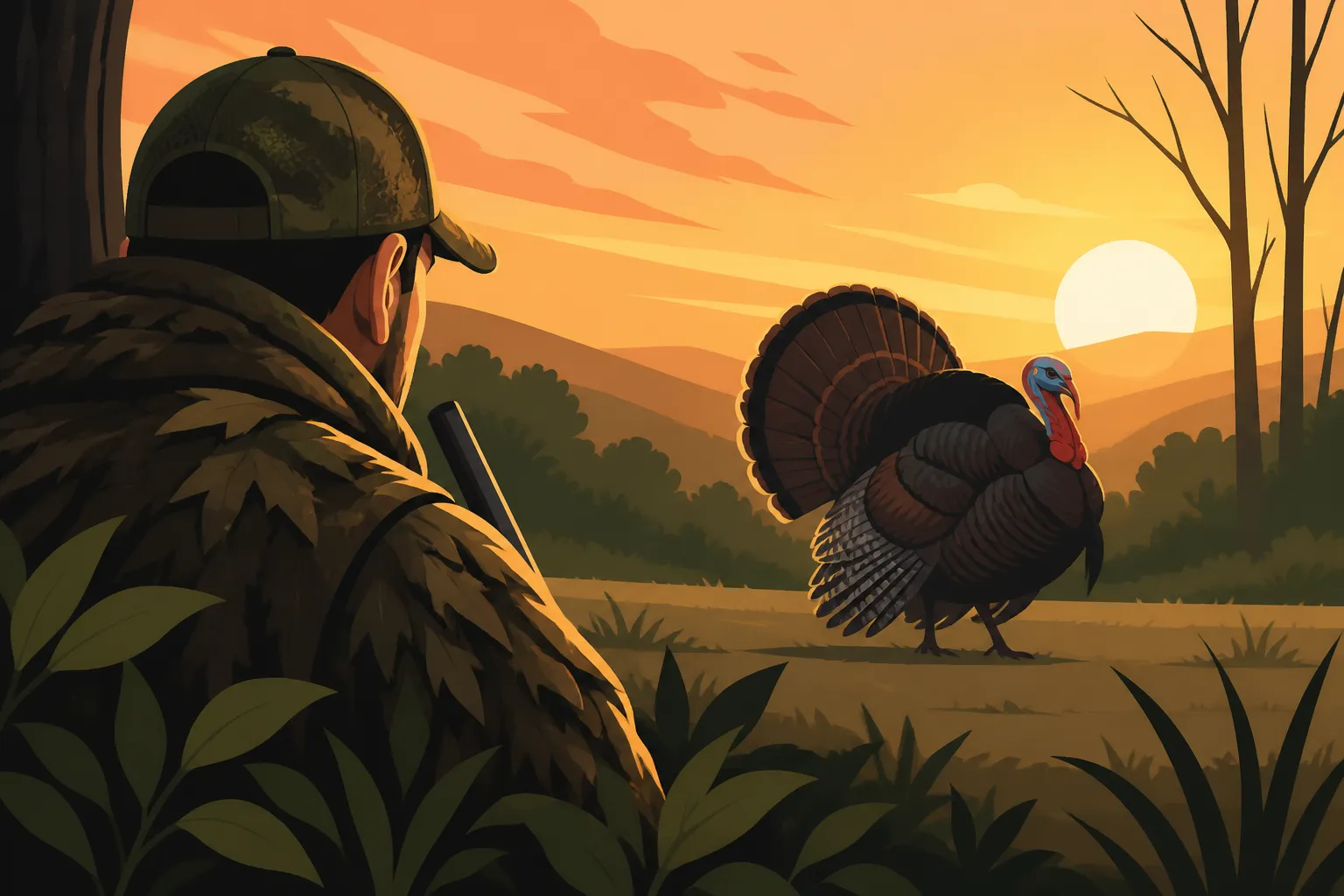
Hunting the All-Day Late Turkey Period
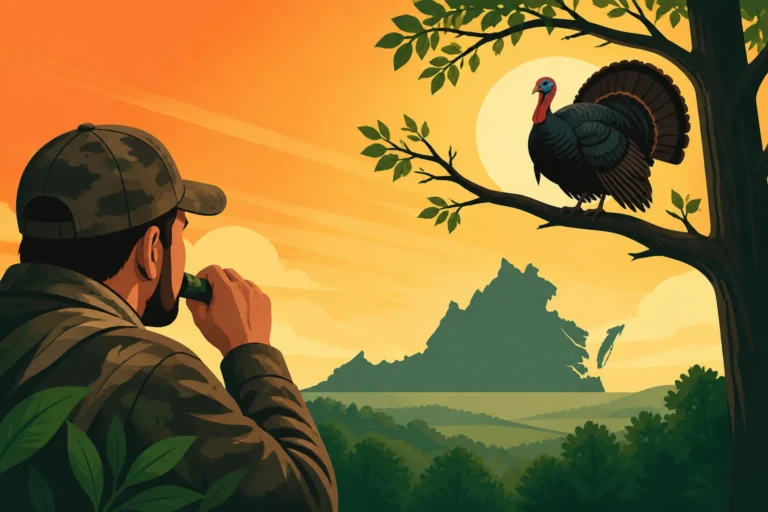
That late season grind in Virginia… it can really test your resolve, can't it? Those gobblers seem to vanish, the woods fall silent, and the birds that do talk are often henned up or just plain tight-lipped. It’s a completely different game than the frantic gobbling of opening week. This comprehensive guide is all about equipping you with the strategies and insights you need to confidently pursue and tag a wary tom during Virginia’s challenging all-day late turkey period, when patience becomes your most potent weapon.
Understanding Late-Season Gobbler Behavior
As the Virginia spring progresses, especially once we move past early May, the behavior of wild turkeys shifts dramatically. Gone are the days of excited gobblers sounding off from the roost, practically begging for a fight. The late season demands a deep understanding of these changes to stand any chance of success.
The "Henned Up" Phenomenon and Breeding Cycles
One of the biggest hurdles in the late season is the "henned up" phenomenon. In the early weeks of the season, many hens are still actively seeking out gobblers for breeding. This creates a competitive environment where a gobbler might come charging into a call, eager to intercept a potential mate before another tom does. However, by the late period, many hens are either already bred, sitting on nests, or have poults. This means that those dominant hens, who once might have led a gobbler away from your setup, are now largely out of the picture. The remaining gobblers might still be interested in finding a late-breeding hen, but their urgency and willingness to leave their current hens or territories are significantly diminished. They become far more cautious and often require a much more subtle approach.
Consider a gobbler that's already spent a month or more breeding. He's been called to, spooked by, and generally pressured by hunters. He's also likely been successful in breeding a good number of hens. His primary focus shifts from aggressively seeking out hens to maintaining his territory, feeding, and occasionally checking for any unbred hens. This translates into less frequent gobbling, shorter strutting periods, and a greater reluctance to break from cover or cross open ground. You might hear soft clucks and purrs from a group of birds, indicating content feeding, rather than booming gobbles signaling a quest for a mate. Understanding these shifting priorities is crucial for adapting your tactics.
Midday Routines and Feeding Patterns
Another critical change is in their daily routine. During the early season, mornings are prime time, with gobblers sounding off from the roost and quickly moving to strutting grounds. While early mornings are still valuable in the late season, the midday hours often become surprisingly productive. As temperatures rise, turkeys seek shade and reliable food sources. They’re less inclined to stand around gobbling in the open and more focused on foraging in cooler, denser cover.
During the late period, turkeys will often spend their midday hours dusting, feeding on insects, or picking through soft mast like mulberries or black cherries if they're available. Creek bottoms, shaded north-facing slopes, and dense pine thickets become preferred midday haunts. They might remain relatively quiet, moving slowly as they forage. This extended period of activity means that you, as a hunter, need to be prepared for an all-day sit. Carrying enough water, snacks, and having the mental fortitude to stay put for hours, even when the woods are silent, is often what separates successful late-season hunters from those who pack it in by 10 AM. It's about being in the right place at the right time when those birds eventually decide to move or vocalize.
Strategic Scouting for All-Day Success
Scouting is always important for turkey hunting, but in Virginia’s late season, it transforms from an advantage into an absolute necessity. You can’t rely on old spots or general knowledge; you need fresh, current information on where birds are now and how they're behaving.
Revisiting Known Areas with a Fresh Eye
Don't just write off your favorite early-season spots, but don't expect them to be hotbeds of activity either. Instead, revisit them with a critical eye, looking for subtle changes. Are there new dust bowls forming near a shaded timber edge? Have you found fresh tracks along a creek bed, indicating a new water source they're utilizing as temperatures rise? Look for droppings and disturbed leaves that suggest recent feeding. Pay close attention to areas with a mix of cover and open patches for strutting, especially those near water or shade.
Furthermore, use mapping tools like GoHunt to analyze topography. Look for subtle changes in elevation that might offer a thermal advantage or provide a shaded bench where turkeys can escape the midday sun. Identify potential travel corridors between feeding areas and roost sites. Maybe that field edge that was buzzing with gobblers in April is now quiet, but a secluded clearing deeper in the timber, surrounded by thick undergrowth, is showing signs of activity. Think about what a turkey needs when it’s hot and pressured: shade, water, insects, and safety. Your scouting efforts should be geared towards pinpointing these critical resources.
Listening for the Faint Gobble and Locator Calls
During the late season, gobblers are far less vocal, making traditional roost-locating tough. You might only hear a faint gobble, perhaps one or two, right off the roost, or a distant "shock gobble" to a crow or owl. This means you need to hone your listening skills and be ready to cover ground to locate these quieter birds. Don't be afraid to put on some miles. Try to be in the woods well before daylight, listening intently from high points that offer good sound transmission.
Locator calls still have their place, but use them judiciously. A sharp crow call, a hoot owl, or even a distant coyote howl might elicit a shock gobble, but over-calling can quickly shut down a wary bird. If you get a response, pinpoint the general direction, then move in slowly and quietly. Often, the best strategy is to get within what you estimate to be a safe distance—say, 100 to 150 yards—and then go silent. Let the bird settle, and then try a very soft, subtle call to gauge his interest. Remember, your goal isn't to make him gobble repeatedly; it’s to confirm his presence and then move into a good setup without alerting him.
Calling Tactics for Pressured Birds
The late season demands a complete overhaul of your calling strategy. Aggressive, loud calling that might have worked wonders in early April can actually hurt your chances with pressured, late-season toms.
Soft, Subtle, and Patient Calling
Think about mimicking a quiet, contented hen that’s just going about her day. Soft clucks, purrs, and short, sweet yelps are often far more effective than loud, demanding series. A single hen might be subtly moving through the woods, occasionally clucking as she feeds, or purring to herself. This is the sound you want to emulate. Less is definitely more. When you do call, space your calls out. Instead of a rapid-fire sequence, try a soft cluck every 10-15 minutes, or a short, two-note yelp every half hour. The goal is to pique a gobbler's curiosity without making him feel rushed or like he's dealing with an overly enthusiastic, perhaps fake, hen.
This patience extends to waiting for a response. A late-season gobbler might not gobble back instantly, or at all. He might just be listening, slowly making his way towards the sound of your call, trying to pinpoint the source. That’s why long, patient sits are paramount. You're not trying to engage him in a conversation; you're simply trying to convince him there's a hen in his vicinity who might be worth investigating. Remember the article on When Virginia Gobblers Go Quiet in May – it’s a reality of the late season, and your calling should reflect that understanding.
Decoy Strategies for Reluctant Gobblers
Decoys can be a powerful tool, but their deployment in the late season requires finesse. A full strutting tom decoy that might have drawn a challenger earlier in the season could now spook a warier bird who’s learned to associate such displays with danger. Instead, consider a more subtle approach. A single hen decoy, perhaps in a breeding or feeding posture, can be incredibly effective. It suggests a receptive hen that a gobbler might want to check out, without presenting an intimidating challenge.
Position your decoy strategically. Place it where it's visible but not overly exposed, ideally within 20-25 yards of your setup, so that if a gobbler commits, he’s well within shotgun range. If you're hunting open areas, consider placing the decoy just on the edge of a field or clearing, allowing the gobbler to approach from cover. For public land hunting, where birds are often highly pressured, some hunters opt for no decoy at all, relying solely on calling and concealment. If you do use a decoy, make sure it’s realistic and doesn’t have unnatural shine that could spook an approaching tom. Check out our guide on Decoy Placement for Pressured Virginia Birds for more in-depth advice on this.
Effective Setup Strategies and Mobility
While patience and subtle calling are key, your physical setup and willingness to adapt are equally important in the late season. Turkeys are moving differently, and you need to be in a position to capitalize on their changed patterns.
Setting Up for the Long Haul
Gone are the days when you might just plop down against a tree for an hour. Late-season turkeys often require long, silent sits, sometimes for several hours in a single spot. This means comfort and concealment are paramount. A good ground blind can be an absolute game-changer. It provides excellent concealment, allows for subtle movements, and offers protection from the elements, whether it's the hot sun or an unexpected pop-up shower. When setting up a blind, position it against a dense backdrop to break up its outline. Clear shooting lanes, but leave enough cover around the blind to allow turkeys to approach naturally without feeling exposed.
If you’re not using a blind, choose a large tree with good natural cover behind you, perhaps at the base of a rise or on a slight knoll that offers good visibility. Ensure you have clear lines of sight for a shot but also enough screening to stay hidden. Remember that turkeys have incredible eyesight, and even a slight movement can give you away. The best setup anticipates the bird's approach, allowing you to remain still and unseen until the shot presents itself. Consider setting up near a water source or a shaded creek bottom, as these are natural draws for turkeys during warmer midday hours.
Knowing When to Move and When to Stay Put
The all-day late turkey period in Virginia presents a unique dilemma: when do you stick it out, and when do you make a calculated move? The general rule of thumb for late season is to be patient, but there are times when relocating can be the right decision. If you've been in a spot for two or three hours without hearing a peep or seeing any sign, and you're confident you haven't spooked any birds, it might be time to cautiously move to a new location. This is where pre-scouting and using tools like GoHunt to mark potential alternative spots comes in handy.
When you decide to move, do so slowly, quietly, and strategically. Don't just pick up and crash through the woods. Use terrain features for cover and pause frequently to listen. Often, a "run-and-gun" approach, albeit a very slow one, can be effective in covering ground and hitting multiple potential spots. You might walk a logging road, stopping every few hundred yards to call softly, or slowly still-hunt a ridge line, pausing to listen and look for fresh sign. The key is to be deliberate in your movements and minimize your footprint. For more on tactical movement, consider our article on Run-and-Gun Turkey Tactics on Public Land.
Dealing with Changing Weather and Habitat
Virginia's late spring weather can be unpredictable, ranging from cool mornings to scorching afternoons. Adapting your hunting strategy to these conditions, and understanding how they influence turkey behavior, is vital for success.
Adapting to Warmer Temperatures
As May progresses, Virginia's temperatures often climb, and this heat significantly impacts turkey activity. Unlike the brisk mornings of early April, late-season birds will seek out cooler microclimates, especially during the midday hours. This means shifting your focus from open fields and sunny slopes to areas with dense shade and access to water. North-facing slopes, which receive less direct sunlight, become more appealing. Deep, mature hardwood bottoms, particularly those along creek beds or river systems, offer both shade and often a higher concentration of insects and other forage.
Look for areas where thick pine stands meet hardwoods; these transition zones provide excellent thermal cover. Turkeys will also spend more time dusting in soft, dry soil during the heat of the day, so scouting for these dusting bowls can pinpoint their preferred hangout spots. Carrying extra water for yourself is also crucial, especially if you plan to sit for extended periods. The heat can be just as draining on hunters as it is on the birds, so staying hydrated and comfortable will allow you to stay in the woods longer and maintain your focus.
Finding Remaining Food Sources
The availability of food sources also changes as the season wears on. Early-season birds might be hitting green fields or scratching for acorns left over from the previous fall. By late May, those sources are often depleted or less appealing. Instead, turkeys will shift to a diet rich in insects and any available soft mast. Grassy fields and areas with high insect populations become feeding magnets. Look for areas with clover or various weeds that attract bugs.
Mulberries are a prime late-season food source in many parts of Virginia. If you can find a mulberry tree dropping ripe fruit, you've likely found a turkey hotspot. Pay attention to other soft mast like blackberries or wild cherries that might be starting to ripen. Creek bottoms and swamp edges also tend to hold a higher concentration of insect life and green vegetation, making them attractive feeding areas. Your scouting should involve identifying these new and emerging food sources, as turkeys will gravitate towards them, especially when other options dwindle.
Mental Fortitude and Patience
The late season is often a test of a hunter's will. It’s quiet, it’s often hot, and the birds are experts at making you feel like you’re hunting ghosts. Developing mental toughness and unwavering patience are perhaps the most critical skills you can cultivate.
The All-Day Sit Mindset
Embrace the quiet. The late season isn't about constant action; it's about being present and ready for brief windows of opportunity. Go into the woods with the mindset that you will be sitting for long stretches, possibly for the entire legal hunting day. This means being prepared physically and mentally. Pack a comfortable cushion, enough food, water, and perhaps a book or fully charged phone for quiet distraction during the absolute lulls. However, never let your guard down. Even when it's silent, a gobbler might slip in silently.
Focus on your surroundings. Listen for subtle sounds—a distant crow, a squirrel chattering, even the buzz of insects can sometimes mask a turkey's approach. Scan the woods constantly. Turkeys often appear like shadows, materializing seemingly out of nowhere. The successful late-season hunter isn't just a caller; they are a master of observation and patience. They understand that success often comes to those who are willing to outlast the birds. For detailed information on the regulations that dictate your hunting hours, reference our article on Virginia Early and Late Turkey Period Rules.
The Reward of a Hard-Earned Bird
Let's be honest, those early-season birds that come charging in, gobbling their heads off, are a blast. But there's a unique satisfaction that comes from outsmarting a wary, late-season tom. These birds have survived weeks of hunting pressure, dodged predators, and often have a keen sense of self-preservation. When you finally call one in, or patiently ambush one that you’ve patterned, the reward feels profoundly different.
It’s a testament to your perseverance, your woodsmanship, and your ability to adapt. That late-season gobbler is a trophy not just of its size or beard length, but of the effort and dedication you poured into pursuing it. Don't get discouraged by the silence or the lack of action. Every moment spent in the woods, especially during the challenging late period, is a learning experience. You're observing, adapting, and growing as a hunter, and that hard-earned bird at the end of the season is the culmination of all that growth.
Late Season Turkey Hunting at a Glance
To summarize some of the key tactical shifts required for the late turkey period in Virginia, here's a quick comparison:
| Tactic/Behavior | Early Season (April) | Late Season (May) |
|---|---|---|
| Gobbler Vocalization | Frequent, aggressive, especially on roost & morning | Infrequent, soft, distant; often shock gobbles only |
| Gobbler Motivation | Actively seeking hens for breeding | Henned up, less urgent, maintaining territory, feeding |
| Calling Strategy | Aggressive yelps, cuts, excited sequences | Soft clucks, purrs, subtle yelps; less is more |
| Decoy Use | Strutting tom, multiple hens, jake/hen combos | Single hen (feeding/breeding posture); optional/none |
| Prime Hunting Time | Early mornings, first few hours of daylight | All day, especially midday in shaded areas |
| Preferred Habitat | Strutting zones, field edges, open timber | Shaded creek bottoms, dense pines, food sources, water |
| Patience Required | Moderate; quicker action | Extreme; long, silent sits are the norm |
| Scouting Focus | Roost locations, fresh tracks, strut zones | New food sources (insects, soft mast), water, shade |
Navigating Virginia's Regulations and Limits
Before heading out during the late season, it’s always a good idea to refresh your memory on Virginia's specific regulations. These can vary slightly from year to year, and knowing the rules is fundamental to a responsible hunt.
Virginia Spring Turkey Season Rules and Bag Limits
Virginia's spring turkey season is typically split into an early and late period, with different hunting hours. The late period usually allows for all-day hunting, from half an hour before sunrise until half an hour after sunset, which is why the "all-day sit" becomes such a viable strategy. However, these dates and times are set by the Virginia Department of Wildlife Resources (DWR) annually, so always double-check the current hunting digest. The bag limit for the spring season is generally one gobbler per day, with a season limit. It’s also crucial to accurately report your harvest; this data is vital for wildlife managers.
Understanding the specific Virginia Spring Turkey Season Rules for your region is paramount. While statewide rules generally apply, there might be local nuances or specific wildlife management area (WMA) regulations you need to be aware of. For instance, some WMAs might have quota hunts or specific access requirements. Make sure you have your valid Virginia hunting license and any required permits, such as a Virginia Migratory Bird Stamp if you hunt other migratory birds. This diligent preparation helps ensure a smooth and legal hunt.
Importance of Harvest Reporting
Harvest reporting is not just a formality; it's a critical component of wildlife management in Virginia. Every reported turkey helps the DWR track population trends, monitor harvest rates, and make informed decisions about future seasons and bag limits. When you harvest a bird, you are required to report it via the Go Outdoors Virginia website, the DWR mobile app, or by phone. This needs to be done within a specific timeframe, usually by midnight on the day of the kill.
Even if you're hunting private land or a small woodlot near Richmond, the reporting requirements are the same. This data allows biologists to understand how turkey populations are doing across the state, and whether management strategies are effective. For example, if harvest numbers suddenly dip in a specific area, it might signal an issue that needs investigation. By reporting your harvest accurately and promptly, you contribute directly to the health and sustainability of Virginia's wild turkey resource for future generations.
Disclaimer
Please be aware that hunting regulations, season dates, and bag limits are subject to change by the Virginia Department of Wildlife Resources (DWR). Always consult the most current Virginia DWR hunting regulations digest before planning any hunting activity. This content is for informational purposes only and does not constitute legal advice. Adherence to all local, state, and federal laws is the responsibility of the hunter.