Nonresident Access to Virginia Public Land
Venturing into a new state for a hunting adventure is incredibly exciting, but let's be honest, it can also feel like trying to decipher an ancient map written in a foreign language. For nonresidents eyeing Virginia's diverse hunting opportunities, the thought of navigating unfamiliar public lands and figuring out all the regulations can be daunting. You're probably wondering if it's even worth the effort, or if you'll just end up wasting precious hunting days trying to understand where you can even set foot. This guide is here to untangle that complexity, offering a clear path to understanding nonresident access to Virginia's public hunting lands, so you can spend less time stressing and more time enjoying the beautiful Old Dominion.
Understanding Virginia's Public Land Landscape for Nonresidents
Virginia might not be one of those states with vast, contiguous swaths of federal land like some out West, but don't let that discourage you. What we lack in sheer continuous acreage, we make up for in diversity and quality of opportunity, spread across a variety of land classifications. The key for a nonresident is knowing what each type offers and, more importantly, what the specific rules are. It’s like learning the unique quirks of different family members – they’re all part of the same family, but you approach each one a little differently.
The Sheer Volume of Opportunity and Where to Find It
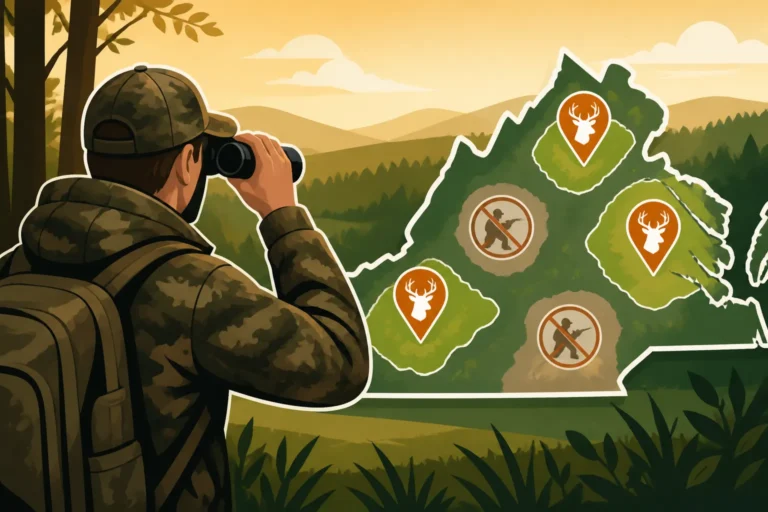
When you look at a map of Virginia, you'll see a patchwork of green and brown, indicating various types of public land. The big players are undoubtedly the national forests, primarily the George Washington and Jefferson National Forests, which together offer millions of acres stretching across the western mountains. These are truly massive tracts where you can find solitude and challenge. Then, you have the Virginia Department of Wildlife Resources (DWR) Wildlife Management Areas (WMAs), scattered throughout the state, offering fantastic, intensively managed hunting grounds. Add to that a handful of national wildlife refuges (NWRs) and even some state parks that offer hunting, and you begin to see the potential.
The initial hurdle for many nonresidents is wrapping their head around these different jurisdictions. Each one operates under a slightly different set of rules, and what's perfectly acceptable in a national forest might be a no-go on a WMA. For example, some WMAs might have specific sign-in requirements or special permit draws, whereas the national forests are generally more open-access. This isn't meant to frustrate you, but rather to ensure you're a responsible and informed hunter, respecting the land and the regulations that protect it for everyone. Knowing where to start looking – whether it's the rugged Appalachians of the national forests or the piedmont river bottoms of a WMA – is your first step to a successful trip.
Navigating License Requirements for Out-of-Staters
Okay, let's talk brass tacks: licenses. This is often the biggest sticking point for anyone hunting out of their home state. Virginia’s system, like many others, requires specific licenses and permits for nonresidents, and you absolutely need to have all your ducks in a row before you hit the field. It can feel like a labyrinth of options, but understanding the core requirements will save you a headache.
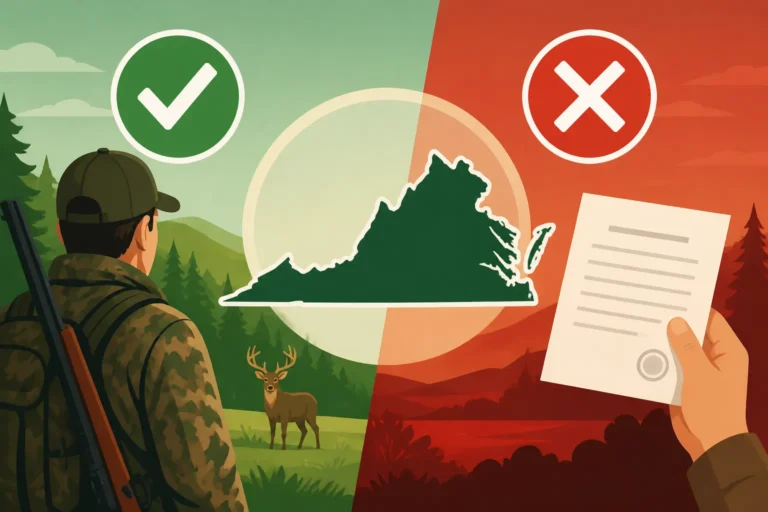
First and foremost, you'll need a basic nonresident hunting license. This is your entry ticket. However, if you plan on pursuing big game like deer, bear, or turkey, you'll also need to purchase the appropriate big game license or tags in addition to your basic hunting license. For instance, if you're coming to chase whitetails, a nonresident big game license is a must-have. If you’re dreaming of a spring gobbler, you’ll need a nonresident turkey license. Waterfowl hunters will also need federal and state duck stamps, plus a HIP (Harvest Information Program) certification. Each of these components has a specific purpose and cost. My best advice here, and I can't stress this enough, is to head straight to the Virginia DWR website. They have the most up-to-date information on all license types, regulations, and how to purchase them, usually through their "Go Outdoors Virginia" portal. It's truly essential to check their site annually, as regulations and offerings can shift. For a deeper dive into the specifics, check out Virginia Nonresident Hunting License Options.
Getting these licenses squared away online before you travel is always the smartest move. Imagine driving all the way from Ohio or North Carolina, only to find out you missed a crucial permit. Talk about a gut punch! Having your licenses printed or easily accessible on your phone through the DWR app ensures you’re ready to go from the moment you arrive.
Key Public Land Systems and Their Nuances for Nonresidents
Virginia's public hunting lands are diverse, each offering a unique experience and set of challenges. As a nonresident, understanding these distinctions is crucial for planning your trip and maximizing your success. Think of it like this: you wouldn't use the same fishing tackle for trout in a mountain stream as you would for flounder in the Chesapeake Bay. The same principle applies to hunting different types of public land.
National Forests: Vast but Demanding
When most people envision public land hunting in Virginia, they often picture the majestic George Washington and Jefferson National Forests. These two titans of public land stretch across the Appalachian and Blue Ridge Mountains, offering millions of acres of rugged, wild country. This is where you find solitude, breathtaking views, and deer and bear that have learned to be wary. If you're looking to truly get away from it all and test your woodsmanship, these forests are your playground. George Washington National Forest Hunting and Jefferson National Forest Hunting are fantastic resources to explore before you plan your trip.
Access here is generally walk-in, though there are numerous forest roads that provide entry points. Dispersed camping is often allowed, which can be a huge advantage for multi-day hunts, letting you set up a spike camp close to where the game lives. When it comes to stands and blinds, generally, you can put up portable treestands or ground blinds, but they usually need to be removed at the end of your hunt. Always double-check the specific forest district regulations, as some areas might have unique rules. The terrain here is no joke; expect steep climbs, dense rhododendron thickets, and deep hollows. It's physically demanding, but the reward of harvesting a wary mountain buck or a black bear that calls these ridges home is immense. This is where mapping tools like onX Hunt become absolutely indispensable. You can overlay public land boundaries, topo maps, and even forest service roads right on your phone, helping you identify promising ridges, saddles, and drainages long before you ever set foot on the ground. For more on navigating these vast areas, consider Camping Rules on Virginia National Forest Land and Treestand Rules on Virginia Public Land.
Wildlife Management Areas (WMAs): Managed for Hunters
Virginia's Wildlife Management Areas, or WMAs, are scattered across the state, from the mountainous west to the coastal plain. These are properties specifically acquired and managed by the Virginia DWR for wildlife habitat and public recreation, with hunting being a primary focus. Unlike the vast, hands-off approach of the national forests, WMAs are often more actively managed, with timber cuts, food plots, and habitat improvements designed to benefit game species.
Because they are managed for hunters, WMAs can sometimes experience higher hunting pressure, especially on opening days or weekends. However, many WMAs are quite large, and if you're willing to walk a bit deeper, you can still find unpressured pockets. A crucial point for nonresidents, and really all hunters, is that most WMAs require a WMA Access Permit for anyone 17 years or older. This permit is an annual fee that helps fund the management of these valuable lands. You can purchase it online through the Go Outdoors Virginia portal when you get your other licenses. The diversity of WMAs means you can find everything from prime deer and turkey habitat to excellent waterfowl impoundments or small game cover. Before you go, definitely look up the specific WMA you plan to visit, as they might have unique regulations, such as specific hunting days, restricted areas, or sign-in requirements. Virginia Wildlife Management Areas offers a great overview of these state treasures.
National Wildlife Refuges and State Parks: Niche Opportunities
Beyond the national forests and WMAs, Virginia also offers hunting opportunities on certain National Wildlife Refuges (NWRs) and even a select few State Parks. These areas typically represent more niche or highly controlled hunting experiences, often requiring special quota hunt applications or limited entry periods. They're definitely worth exploring, but they demand a bit more advance planning.
For instance, places like the Great Dismal Swamp National Wildlife Refuge or Chincoteague National Wildlife Refuge might offer highly sought-after deer or waterfowl hunts through a lottery system. These hunts often have very specific dates, bag limits, and gear restrictions. The draw odds can be tough, but if you're lucky enough to draw a tag, it's usually for a unique and high-quality experience. Similarly, some Virginia State Parks open certain sections to hunting, usually through managed hunts or specific quota draws to control deer populations. These often occur outside the busiest park visitation times. The key here is early research; application deadlines for these quota hunts are typically months in advance of the season, so you need to be on top of the DWR and individual refuge/park websites. Don't overlook these options, but understand that they require more proactive planning than simply showing up to a national forest. For details on one such area, check out Great Dismal Swamp Refuge Hunting Rules.
Practical Strategies for Nonresident Public Land Success
So, you’ve got your licenses, you know the types of public land, and you’re ready to hit the road. But how do you actually make that nonresident hunt successful when you're not intimately familiar with every creek and ridge? It comes down to smart preparation, leveraging modern tools, and having realistic expectations. It’s about working smarter, not just harder.
The Power of Digital Scouting and Mapping
One of the biggest advantages modern hunters have is the ability to thoroughly scout an area without ever setting foot in it. For nonresidents, this is an absolute game-changer. Forget driving hundreds of miles just to walk around and get a feel for the land; you can do a surprising amount of homework right from your living room.
Start with high-quality online mapping tools. Applications like onX Hunt and GoHunt are invaluable for public land hunting in Virginia. They provide detailed satellite imagery, topographical maps, and crucially, public/private land ownership layers. This allows you to clearly identify public boundaries, avoid trespassing, and locate key features. You can pinpoint potential access points, see where trails or old logging roads run, identify hidden clear-cuts, steep draws, saddles between ridges, and pinch points that funnel deer movement. Look for changes in elevation, water sources, and areas of dense cover that might serve as bedding areas. Pay attention to how distant a spot is from known access points – often, the further you’re willing to walk, the less pressure you'll encounter. You can even drop pins for potential stand locations or interesting sign you notice on the map. This virtual scouting is fundamental. For more tips on this process, consider Reading Aerial Photos for Piedmont Deer and Scouting With the Virginia DWR App. Remember, while these tools are powerful, they are a supplement, not a replacement, for on-the-ground intuition, but they give you a massive head start.
Planning Your Hunt: From Logistics to On-the-Ground Execution
Once you've done your digital scouting and picked a promising spot, the real planning begins. This involves a deep dive into the specific regulations for the public land unit you'll be hunting and then organizing all the logistical pieces of your trip. Don't assume that just because it's public land, every rule will be the same across the state. Local regulations, specific season dates, and even temporary closures can impact your hunt.
First, verify the season dates and bag limits for your target species in the specific county or region you plan to hunt. Virginia has different deer season structures east and west of the Blue Ridge, and even county-specific nuances. Virginia Deer Season Structure Explained and Virginia Spring Turkey Season Rules are good starting points for understanding the overarching frameworks. Next, think about your logistical footprint. Where will you park? Is camping allowed, or do you need to find a hotel or campground nearby? How far will you be walking, and what does that mean for your pack weight and physical conditioning? What are the rules on ATVs or e-bikes if you're considering them for access (they're usually very restricted on public lands, so check carefully). It's also wise to check for any DWR or National Forest alerts that might announce temporary closures due to timber operations, prescribed burns, or other management activities. A simple call to the local DWR office or forest ranger district can often provide invaluable, hyper-local information that isn't always obvious online. Having a plan B, or even a plan C, for alternative hunting areas can save your hunt if your primary spot is unexpectedly inaccessible or overrun with other hunters.
Embracing the Challenge: Realistic Expectations
Let's be real: hunting public land, especially as a nonresident, is often a challenge. It's not a stroll through a manicured game park. Virginia's public lands offer incredible experiences, but they demand effort, persistence, and a good dose of humility. You might encounter more hunting pressure than you're used to, particularly on easily accessible areas or during peak seasons like the firearms opener. Understanding Hunting Pressure on Virginia Public Land can help you set realistic expectations.
You might have to walk further, climb steeper ridges, and work harder to find undisturbed animals. The deer and turkeys on public land are often older and wiser, having encountered numerous hunters before you. This means your woodsmanship, scouting efforts, and patience will be truly tested. Don't go into it expecting to fill your tags on day one. Instead, embrace the process: the challenge of deciphering sign, the quiet moments in the woods, the satisfaction of covering ground and learning new territory. Pack accordingly for variable Virginia weather, from crisp fall mornings to unexpected rain showers. Ensure your gear is sound, especially your boots and navigation tools. A strong positive attitude, even when faced with setbacks, will be your most important piece of gear. The rewards are absolutely there for those willing to put in the work.
Comparison of Virginia Public Land Types
To help summarize the differences for nonresidents, here's a quick comparison of the major public land types in Virginia:
| Feature | National Forests (GWNF, JNF) | Wildlife Management Areas (WMAs) | National Wildlife Refuges (NWRs) / State Parks |
|---|---|---|---|
| Primary Use | Multiple-use (timber, recreation, wildlife) | Wildlife habitat & public hunting/fishing | Wildlife conservation & controlled recreation |
| Total Acreage | Millions of acres (large, contiguous) | Hundreds of thousands (scattered, varied sizes) | Smaller, highly specific areas |
| Terrain | Mountainous, rugged, dense timber, remote | Varied (mountains, piedmont, coastal, wetlands) | Highly varied, often sensitive ecosystems |
| Access | Generally open, walk-in, forest roads | Varying, often easy vehicle access, trails | Often restricted, specific entry points |
| Permit Required? | Basic hunting license + big game stamps | WMA Access Permit + hunting licenses | Special quota hunt permits often required |
| Hunting Pressure | Can be low if willing to walk deep, higher near roads | Can be high on popular units, especially early season | Varies by draw odds, usually lower if drawn |
| Special Regulations | Dispersed camping allowed, general rules apply | Specific hunting dates, sign-in, gear limits | Strict rules, method restrictions, application draws |
| Best For | Wilderness experience, wary game, solitude, bear | Diverse species, managed habitat, accessibility | Unique species, high-quality, limited entry |
| Digital Scouting Tip | Focus on topography, old logging roads, distant benches | Look for habitat diversity, food plots, water sources | Check specific refuge/park website for details |
This table provides a quick reference, but always remember that the devil is in the details, and checking the specific DWR or agency website for the area you intend to hunt is paramount.
Virginia offers fantastic opportunities for nonresident hunters willing to put in the time for research and planning. While the public land system might seem complex at first glance, the rewards of exploring new territory and testing your skills against some of the Old Dominion's wary game animals are well worth the effort. From the rugged beauty of the national forests to the managed lands of the WMAs, Virginia welcomes you. Do your homework, get your licenses in order, scout diligently with modern tools like onX Hunt and GoHunt, and most importantly, enjoy the adventure. Good luck out there!
Disclaimer
This article is for general informational purposes only and does not constitute professional advice. Laws, prices and regulations vary by location and change over time. Consult a qualified professional for guidance on your specific situation.