Best Virginia Ground for Public Land Waterfowl
Finding prime public land for waterfowl hunting in Virginia can feel like searching for a needle in a haystack, especially when so much prime habitat is privately owned or tied up in leases. It's a real frustration for many of us who just want to enjoy a good duck or goose hunt without breaking the bank or navigating endless "No Trespassing" signs. This guide is here to cut through the confusion and highlight some of Virginia's best public waterfowl grounds, offering strategies to make your next hunt a success.
Understanding Virginia's Waterfowl Zones and Public Access Challenges
Virginia is a diverse state, offering a surprising array of waterfowl hunting opportunities, from vast tidal marshes to inland lakes and rivers. However, understanding the specific waterfowl zones and the unique challenges of public access is the first step to a productive hunt. It’s not just about finding water; it’s about finding huntable water that holds birds and allows public entry.
The Lay of the Land: Coastal vs. Inland Opportunities
When you think about waterfowl hunting in Virginia, the Chesapeake Bay immediately springs to mind, and for good reason. The Bay and its vast network of tributaries, tidal flats, and marshes form a critical wintering ground for a huge variety of ducks and geese on the Atlantic Flyway. This coastal zone offers opportunities for puddle ducks like mallards and black ducks, divers such as bluebills and canvasbacks, and various species of geese. The sheer scale can be daunting, but it also means there are more nooks and crannies to explore.
However, many hunters overlook the significant opportunities inland. Virginia's larger rivers, such as the James, Rappahannock, and Potomac, provide important migration corridors and wintering habitat, particularly for mallards, wood ducks, and Canada geese. Public lakes, while fewer in number for dedicated waterfowl pursuits compared to the coast, can also hold surprising numbers of birds, especially during migration peaks or severe cold snaps that freeze coastal waters. The challenge here is often finding suitable access points and understanding specific regulations for boating and blind placement, which can differ significantly from tidewater rules.
The Reality of Pressure on Public Water
Let's be honest: public land, especially prime public waterfowl spots, often comes with significant hunting pressure. It's a reality that can quickly sour a hunt if you're not prepared for it. You might scout a perfect spot, only to arrive opening morning and find another group already set up, or worse, have multiple groups setting up within sight of each other. This isn't unique to Virginia, of course, but it's particularly acute in easily accessible areas or those with a reputation for holding birds.
This pressure isn't just about other hunters; it also impacts the birds themselves. Ducks and geese learn quickly. If they are constantly being shot at or buzzed by boats, they'll often move to refuges, private impoundments, or simply become incredibly wary. This means that successful public land waterfowl hunting often hinges on putting in the extra effort to find those out-of-the-way spots, being flexible with your setup, and understanding that the "best" spot might change day by day based on bird movement and other hunters. Managing expectations and adapting to conditions are key skills when Hunting Pressure on Virginia Public Land.
Premier Public Waterfowl Destinations in Virginia
Virginia boasts several excellent public land options for waterfowl, each with its own character, challenges, and rewards. Knowing these areas and what they typically offer can help you plan your season and focus your scouting efforts.
Chesapeake Bay Tributaries and Estuaries
The vastness of the Chesapeake Bay system means there are numerous public access points and water bodies worth exploring. These areas are often characterized by extensive tidal marshes, shallow water flats, and creek systems. They are particularly strong for puddle ducks like mallards, black ducks, and gadwall, but also offer opportunities for diving ducks further out in the deeper waters.
One popular type of access comes from Virginia Wildlife Management Areas (WMAs) that border the Bay or its major rivers. Many of these WMAs include marshlands, some with designated hunt zones, and offer boat ramps for accessing broader waters. The key here is studying maps, understanding current water levels, and being prepared for tough wading or boat navigation. Tide charts become your best friend, as many productive flats can be exposed or too shallow at low tide, only to become prime feeding grounds at high tide. Waterfowl Hunting the Chesapeake Bay dives deeper into these specific strategies.
Coastal Impoundments and Freshwater Marshes
Beyond the tidal influence, Virginia also offers public hunting in managed coastal impoundments and extensive freshwater marshes. These habitats are often specifically designed or managed to attract waterfowl, providing ideal feeding and resting areas. Species commonly found here include mallards, green-winged teal, wood ducks, and sometimes even pintails or wigeon. These areas can sometimes offer more predictable hunting, as the water levels are controlled, and food sources are intentionally planted or encouraged.
A prime example is the Hog Island WMA on the James River, which offers controlled impoundments and extensive marshlands. Access to these areas often requires special permits or participation in quota hunts, which can be competitive but offer a higher quality hunting experience due to regulated pressure. The trade-off is often less flexibility, as you're confined to specific dates or zones. Still, for a dedicated waterfowl hunter, the chance at quality shooting in a managed environment is worth the extra planning. For those interested, Hog Island WMA Waterfowl Access is a great place to start researching.
Inland Rivers and Public Lakes
While the coast often gets the most attention, Virginia's inland rivers and certain public lakes shouldn't be overlooked. These areas can be fantastic for early-season wood ducks and resident Canada geese, transitioning to migrating mallards and other puddle ducks as the season progresses and colder weather pushes birds south. The hunting here is often more intimate, focusing on smaller oxbows, backwaters, and stretches of river away from heavy human traffic.
Hunting these areas often involves jump-shooting or setting up small decoy spreads in secluded coves or along brushy banks. Lakes like those within the state park system, while often restricted, may have specific hunting dates or areas for waterfowl. Rivers, on the other hand, often have public boat ramps or adjacent public lands (like National Forests or some WMAs) that allow access to the water. Success often relies on finding overlooked stretches of water, using stealth, and adapting to the current conditions. Jump-Shooting Virginia Creeks for Wood Ducks can provide more targeted tactics for these unique environments.
Essential Tools for Scouting and Success on Public Water
Effective public land waterfowl hunting isn't just about showing up with a shotgun and decoys. It requires thorough preparation, smart scouting, and leveraging modern tools to give you an edge. The birds are educated, and so should you be.
Leveraging Mapping Apps for Waterfowl Hotspots
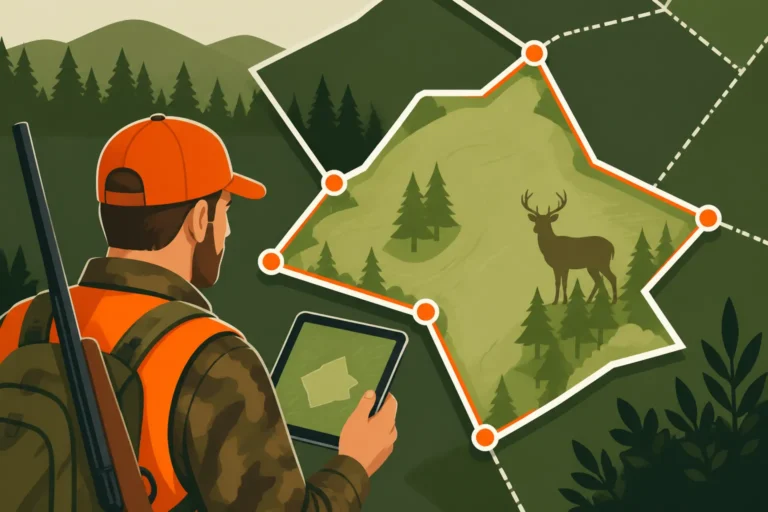
In today's hunting world, digital mapping applications are indispensable, especially when tackling public waterfowl grounds. Brands like onX Hunt and GoHunt have revolutionized how hunters scout and navigate. These apps allow you to overlay property boundaries, identify public land, pinpoint water features, and even analyze topography without ever stepping foot in the marsh.
With onX Hunt, for instance, you can mark potential blind locations, identify optimal retrieve routes, and see where neighboring private properties might create safe havens for birds. For waterfowl, specifically, looking at satellite imagery for open water, marsh edges, and potential roosting or feeding areas is critical. You can mark points of interest, plan your entry and exit strategies, and even download maps for offline use, which is a lifesaver when you're deep in a marsh without cell service. Using these tools to identify isolated pockets of water or areas with difficult access can lead you to less pressured birds and better hunting opportunities.
The Importance of Pre-Season Scouting
Even with the best mapping apps, there's no substitute for real-world, boots-on-the-ground (or waders-in-the-water) scouting. Pre-season scouting allows you to confirm what you see on the map, understand current water conditions, and identify fresh bird sign. Are the mudflats holding recent tracks? Are there new beaver dams changing water flow? Is the vegetation different than last year?
Waterfowl scouting often involves observing flight patterns at dawn and dusk, listening for birds, and identifying feeding areas. Drive or boat accessible roads and waterways, always keeping an eye out for birds. Pay attention to tide cycles and how they affect water depth and bird behavior in tidal areas. In non-tidal areas, look for preferred food sources like smartweed, wild rice, or flooded agricultural fields adjacent to public access. Early season scouting, even before the ducks arrive in force, can reveal key travel corridors and potential roosting spots that will be gold once migration starts. Remember, the less you disturb an area during hunting season, the better your chances are, so do your heavy scouting before the guns start blazing. Scouting Virginia Public Land Before Season applies just as much to waterfowl as it does to deer.
Strategies for Effective Public Land Waterfowling
Once you've identified your potential public land spots and done your scouting homework, it's time to think about specific strategies to turn those observations into successful hunts. Public land often demands a more dynamic and adaptable approach than private land.
Decoy Spreads and Blind Considerations
On public land, your decoy spread and blind setup often need to be adaptable and efficient. You might not have the luxury of a permanent blind or dozens of decoys. For smaller, less pressured waters, a minimalist approach can be highly effective. A half-dozen mallard decoys, maybe a few teal, and a motion decoy or two might be all you need to draw birds in. For larger, open water, a more substantial spread, perhaps incorporating diver decoys or a long line of Canada goose floaters, could be necessary.
Blind options are also crucial. On many public lands, you can't build permanent structures. Portable options like layout blinds are fantastic for fields or marsh edges, allowing you to disappear into the landscape. For water, a boat blind or a simple pop-up blind brushed in with natural vegetation found nearby can work wonders. The key is to blend in completely and minimize your footprint. Layout Blind Hunting Eastern Shore Fields is a great resource if you're targeting those open field geese and ducks. Remember, less disturbance is always better.
Timing Your Hunts with Migratory Patterns
Understanding Virginia's waterfowl migration timing is paramount for public land success. The early season might see more resident birds and early migrants like teal and wood ducks. As the weather cools up north, larger pushes of mallards, gadwall, and pintails will arrive. Later in the season, when temperatures drop significantly and ice begins to form, diving ducks might become more prevalent on larger, deeper bodies of water, and Canada geese will be seeking open fields.
Pay attention to weather fronts, especially those pushing south with strong north winds. These fronts often bring new birds into the area. Also, consider weekday hunts versus weekend hunts. Weekends often see a surge in hunter numbers, pushing birds to seek refuge. A strategic weekday hunt, especially after a cold front, can often yield better results on public ground due to reduced pressure. Use available resources, like state DWR waterfowl reports (where applicable) or online forums, to get a general sense of bird activity, but always rely on your own scouting and observations for the most accurate, real-time picture. Don't forget, Virginia Waterfowl Migration Timing can vary year to year, so staying current is key.
Public Waterfowl Area Comparison
| Area Type | Typical Species | Access & Method | Challenges | Best For |
|---|---|---|---|---|
| Chesapeake Bay Tributaries | Mallards, Black Ducks, Teal, Divers, Geese | Boat, wade, shore blinds | Tides, pressure, boat traffic | Mixed bag, traditional marsh hunting |
| Coastal Impoundments | Mallards, Teal, Wood Ducks, Pintails, Geese | Walk-in, boat (limited) | Quota hunts, limited access, permits | Consistent shooting, managed habitat |
| Inland Rivers | Wood Ducks, Mallards, Geese | Boat, jump-shooting, walk-in | Stealth, current, limited access points | Early season, jump-shooting, solitude |
| Public Lakes (limited) | Mallards, Geese, some Divers | Boat, walk-in (specific areas) | Pressure, restricted areas, finding birds | Opportunistic, late season freeze-outs |
Disclaimer
This article is for general informational purposes only and does not constitute professional advice. Laws, prices and regulations vary by location and change over time. Consult a qualified professional for guidance on your specific situation.