When Virginia’s Urban Archery Season Opens
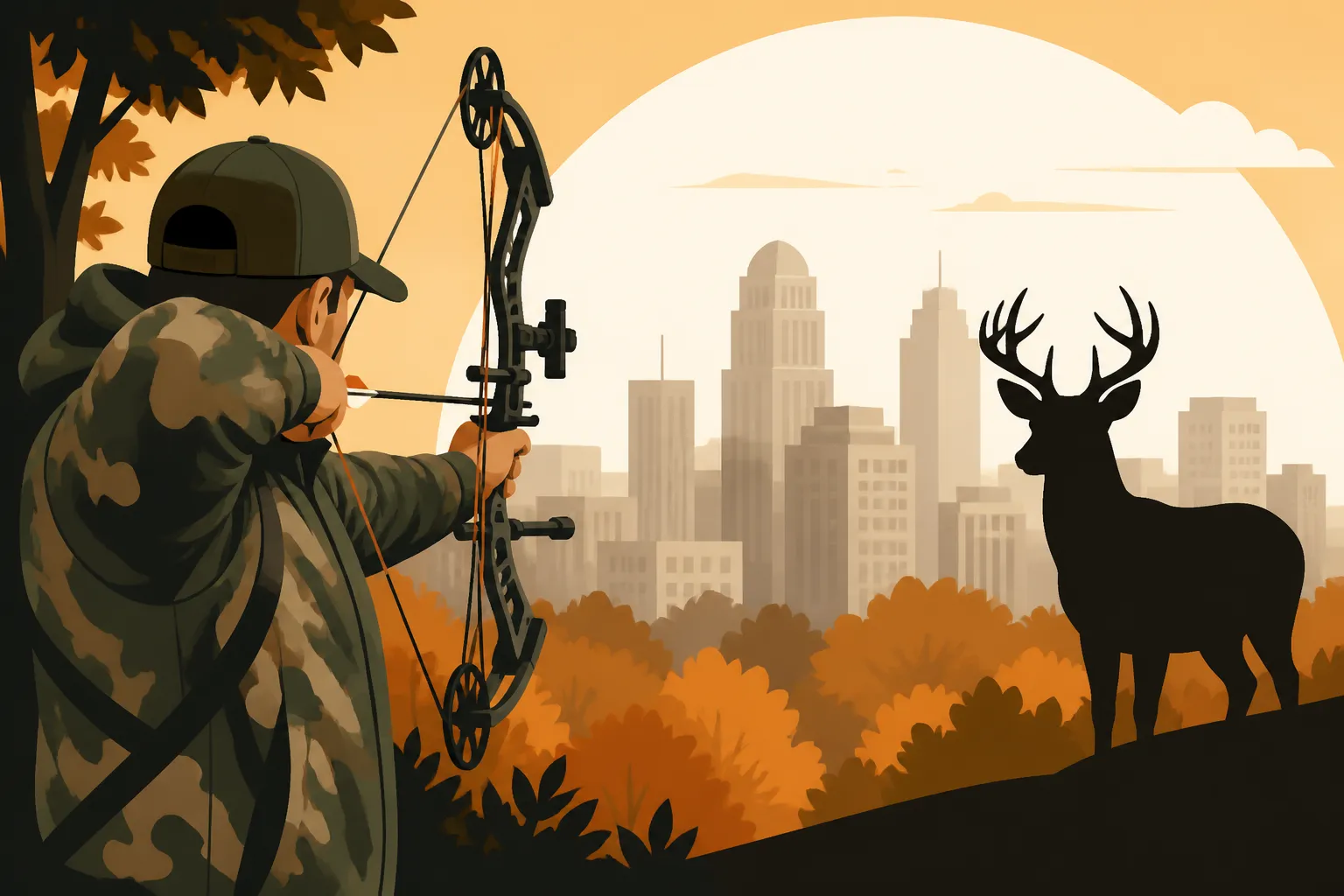
There's nothing quite like the unique blend of anticipation and challenge that comes with hunting in Virginia, especially when it's right in the middle of a bustling urban landscape. For many of us who love chasing whitetails, the thought of an extended season close to home is incredibly appealing. But getting the details right – especially "When Virginia's Urban Archery Season Opens" – can feel like navigating a maze, with specific zones, unique rules, and tight windows to consider. This guide aims to cut through that confusion, giving you a clear picture of what to expect and how to prepare for a successful urban archery hunt in the Old Dominion.
Understanding Virginia's Urban Archery Season Structure
Virginia's Urban Archery Season is a distinct and often misunderstood opportunity for deer hunters. It's not just a longer version of the regular archery season; it's a carefully designed management tool with specific boundaries, rules, and intentions. If you're new to it, or just trying to keep up with the latest changes, it can feel a bit overwhelming, but let's break it down.
The Rationale Behind Urban Archery Zones
You've probably noticed it yourself: deer populations, particularly does, thriving in suburban and urban environments. They've adapted incredibly well to fragmented habitats, feasting on landscaping, and often finding safe havens from traditional hunting pressure. This leads to a whole host of issues – increased deer-vehicle collisions, significant damage to residential and commercial properties, and even ecological impacts on local flora.
The Virginia Department of Wildlife Resources (DWR) introduced the Urban Archery Season as a crucial component of their deer management strategy. Traditional firearms hunting isn't always practical or safe in densely populated areas, so archery provides a quiet, effective, and lower-impact method to help control these localized populations. It allows for the removal of antlerless deer, which is vital for population control, while also providing recreational opportunities for hunters. It's a pragmatic solution to a very real problem, aiming to strike a balance between wildlife health and human interests.
Key Dates and Regional Variations
This is where the rubber meets the road! For the 2024-2025 hunting season, Virginia's Urban Archery Season for deer opens on September 7, 2024. This is a significantly earlier start than the statewide archery season, which generally kicks off in early October. The urban archery season then runs all the way through March 29, 2025. That's a generous window, offering hunters an extended period to pursue deer when other seasons are closed or haven't yet begun.
It's important to understand that this season isn't universal across the entire state. It applies specifically to designated urban archery zones. These zones are typically found within the boundaries of various cities, towns, and certain counties that have opted into the program. While the opening and closing dates are uniform for all participating localities, the critical distinction lies in where these zones are located. For instance, the City of Chesapeake might have an extensive urban archery zone, while a neighboring rural county might not participate at all. This extended season allows for flexible hunting, often bridging the gap between other hunting periods, giving you more time in the woods (or woodlots!). For a broader context, you might be interested in learning When Virginia's Statewide Archery Season Opens to compare the differences in season structure.
How to Confirm Your Specific Urban Archery Zone
Navigating the exact boundaries of urban archery zones can be tricky, and it's absolutely paramount that you get it right. Accidentally hunting outside a designated zone is a serious violation. The best way to confirm if a specific property or area falls within an urban archery zone is by consulting the official resources from the Virginia Department of Wildlife Resources (DWR).
Here's how you can typically verify this:
- DWR Website and Maps: The DWR provides detailed maps and lists of participating cities, towns, and counties on their official website. These resources are updated annually, so always check for the most current information. They often have interactive maps where you can input an address to see if it falls within a zone.
- Local Ordinances: Some localities may have their own specific ordinances that further define or restrict hunting within their urban archery zones. It's always a good idea to check with the local police or sheriff's department, or the city/county administrator's office, to ensure you're aware of any additional local rules.
- Mapping Apps: Tools like GoHunt (and others) can be incredibly helpful. These apps often integrate DWR data, allowing you to view property boundaries, public land, and sometimes even overlay specific hunting zone information right on your phone or tablet. However, always use these as a supplementary tool and cross-reference with official DWR sources. Think of them as a fantastic starting point for Virginia Urban Archery Zone Boundaries, but the final word always comes from the DWR itself.
Remember, the onus is on you, the hunter, to know and understand where you are permitted to hunt. Don't rely on hearsay or assumptions. Double-check everything before you head out.
Navigating Regulations and Requirements for Urban Archery
Hunting in urban areas comes with a different set of rules than what you might be used to in vast national forests or sprawling private farms. It's not just about the dates; it's about adhering to specific regulations that ensure public safety and ethical hunting practices in more populated environments. Getting these details wrong can lead to serious consequences, so let's dive into what you need to know.
Essential Licenses and Permits
Just like any other hunting season in Virginia, you'll need the appropriate licenses to participate in the Urban Archery Season. There are a few key ones to keep in mind:
- Virginia Resident or Nonresident Hunting License: This is your foundational license, required for any hunting activity in the state.
- Virginia Big Game License: In addition to your basic hunting license, you'll need a big game license, as deer fall under this category. This license allows you to hunt deer and bear.
- Archery License: While the Urban Archery Season is, by its very nature, an archery season, ensure you have the appropriate archery-specific privilege if required. In Virginia, typically, your big game license covers archery deer hunting without a separate archery-specific stamp or license, but it’s always wise to double-check the DWR regulations for any changes.
- Bonus Deer Tags (Antlerless): One of the key benefits of the urban archery season is the opportunity to harvest antlerless deer to help manage populations. You can typically purchase bonus antlerless tags, which are crucial for this season. Many urban zones offer very liberal antlerless limits, sometimes allowing for multiple does to be harvested without counting towards the statewide or regional antlerless quotas.
You can purchase all of these through the Virginia DWR's Go Outdoors Virginia system, either online or at an authorized agent. Some hunting apps, like GoHunt, can sometimes link directly to purchasing options or at least help you track your license validity and tags. Understanding Virginia Hunting Licenses and What They Cost is crucial before you even start thinking about a hunt plan.
Weapon Restrictions and Safety Measures
Given the proximity to residential areas, the types of weapons allowed during the Urban Archery Season are strictly limited to archery equipment. This means:
- Bow and Crossbow: Both traditional bows (longbows, recurves) and compound bows are permitted, as are crossbows. There are specific legal requirements for draw weight, minimum arrow length, and broadhead type (e.g., minimum cutting diameter for fixed blades, or expanding broadheads with specific requirements). Make sure your equipment complies with the DWR's detailed regulations for Crossbow Rules During Virginia Archery Season and general archery equipment.
- No Firearms: Firearms, including muzzleloaders, are strictly prohibited during the Urban Archery Season. This is a critical distinction designed to enhance public safety in these areas.
- Safety Zone Requirements: You must always respect safety zones. In Virginia, it's illegal to shoot a firearm or arrow across or within 50 yards of a public road, or within 100 yards of a dwelling, business, or occupied building, without the express permission of the owner or occupant. In urban settings, this means being extremely mindful of your surroundings. Always know your target and what is beyond it, and consider using a ground blind or elevated stand that directs your shot safely into a natural backdrop.
- Blaze Orange/Pink: While not always strictly required for archery-only seasons on private land, it's always wise to check local ordinances. However, if the urban archery season overlaps with a firearms season (which it generally does not, given its extended nature, but always good to check), or if you are on public land where other activities may occur, wearing blaze orange or pink is a good safety practice to make yourself visible to others.
Bag Limits and Deer Tagging Rules
The urban archery season often comes with very specific bag limits, designed to help reduce deer populations in these areas. This can be one of the most liberal seasons for harvesting antlerless deer:
- Antlerless Deer Focus: The primary goal of urban archery is often antlerless deer removal. Many participating localities allow hunters to take multiple antlerless deer, sometimes without limit, as long as you have the appropriate tags. This is where your bonus antlerless tags really come into play.
- Antlered Buck Limits: While the focus is on does, you are generally permitted to take antlered bucks as well, but these typically count toward your statewide or regional buck limits (e.g., How Many Bucks the Eastern Region Allows or How Many Bucks the Western Region Allows). Always verify the specific rules for the zone you're hunting in, as some urban areas may have unique buck restrictions.
- Deer Reporting: After harvesting a deer, you are legally required to report it to the DWR. This can typically be done through the DWR's Go Outdoors Virginia website, their mobile app, or by phone. It's a quick and essential step for wildlife management. Make sure you report your harvest correctly and within the specified timeframe. Understanding Virginia Deer Reporting Requirements is non-negotiable. Many hunters find using the official DWR mobile app, or integrated features within platforms like GoHunt, to be the easiest way to fulfill this requirement right from the field.
Strategies for Success in Urban Archery Zones
Hunting in urban archery zones isn't like hunting the big woods. It requires a different mindset, a keen eye for subtle sign, and a strong emphasis on building relationships. The deer are there, often in surprising numbers, but accessing them ethically and effectively demands unique tactics.
Scouting and Landowner Relations
Success in urban archery starts long before you ever nock an arrow. It begins with meticulous scouting and, perhaps most importantly, impeccable landowner relations.
- Micro-Scouting: In urban settings, deer often utilize incredibly small patches of cover – greenways, creek bottoms, forgotten woodlots behind housing developments, powerline cuts, or even overgrown backyard edges. Your scouting needs to be hyper-focused. Look for trails that lead from bedding areas in thickets to food sources like residential landscaping (yes, they love hostas and azaleas!) or small community gardens. Water sources, even puddles or small ponds, can be magnets. A great resource to scout would be Hunting an Urban Archery Cul-de-Sac Woodlot. Pay attention to subtle funnels formed by fences, buildings, or changes in vegetation. Apps like GoHunt can overlay satellite imagery with property lines, helping you identify these small pockets of habitat that might hold deer.
- The Golden Ticket: Landowner Permission: This cannot be stressed enough – gaining Getting Landowner Access in an Urban Archery Zone is the absolute cornerstone of urban archery success. Most urban hunting takes place on private property. You will need explicit permission, preferably written, from the landowner. This means knocking on doors, being polite, well-dressed, and articulate.
- Be a Good Neighbor: When asking for permission, explain the benefits: deer population control, reducing property damage, and safety on local roads. Emphasize your commitment to safety, ethical hunting, and quiet methods.
- Offer Value: Can you help with small chores? Offer venison? Mow their lawn a few times? Building a relationship based on mutual benefit goes a long way.
- Respect Boundaries: Once you have permission, stick strictly to the agreed-upon areas. Do not trespass, even if a deer runs onto an adjacent property without permission. Always have your permission slip handy, especially if you're ever questioned by law enforcement or curious neighbors.
Effective Setups and Scent Control
Once you've secured permission and identified deer movement, your setup needs to be smart and safe.
- Elevated Stands are Key: In urban environments, where shots might need to be directed downward and away from houses, an elevated stand is often your best bet. Tree stands (ladder stands, hang-ons, climbers – check local ordinances for types allowed) or enclosed ground blinds (with permission and careful brushing in) can provide the elevation needed for safe shot angles. Look for mature trees along natural travel corridors, often on the edges of small woodlots or along creek beds that serve as deer highways.
- Concealment is Crucial: Even in urban areas, deer are wary. Utilize natural cover to break up your silhouette. In a ground blind, ensure it's well-brushed in and blends with the surroundings. In a tree stand, position yourself against a thick trunk or within the canopy of a leafy tree.
- Scent Control is Paramount: Deer in urban areas are often accustomed to human presence, but they are still wild animals with an incredible sense of smell. Scent control is even more critical here. With houses, cars, and people all around, there are many opportunities for your scent to travel. Wear clean hunting clothes, use scent-eliminating sprays, and play the wind diligently. Consider investing in Scent Control Gear for Urban Archery Hunts to minimize your impact. You don't want to alert deer, or worse, have a curious dog from a nearby yard pick up your trail.
Dealing with Pressure and Public Perception
This is perhaps the most unique aspect of urban archery hunting – you are often in the public eye, even if subtly. How you conduct yourself can impact not just your hunt, but the future of urban archery for everyone.
- Maintain a Low Profile: While you might be excited, it's best to keep a low profile. Park discreetly, carry your equipment quietly, and avoid drawing unnecessary attention. If someone asks what you're doing, be polite, explain you have permission for deer management, and keep it brief and professional.
- Be Prepared for Questions: Some residents might be curious, others concerned. Have a polite, concise explanation ready. Emphasize safety, legal permission, and the DWR's deer management goals. Stress that you're using quiet, safe archery equipment.
- Ethical Practices are Non-Negotiable: This goes without saying for any hunt, but in urban areas, every action is scrutinized. Make clean, ethical shots. If you wound a deer, exhaust every effort to recover it. Knowing Blood Trailing After Dark in Virginia and how to handle a situation where a deer crosses onto unpermitted land is critical. Always respect the land you're on and the surrounding properties. This also means being acutely aware of Virginia Firearms Discharge Setback Rules even though you're using archery, as it helps illustrate the commitment to safety.
- Pack It In, Pack It Out: Leave no trace. This means all your trash, gear, and especially any field dressing waste. Bury gut piles or remove them entirely if possible, ensuring they are not a nuisance or attract unwanted attention from scavengers.
Hunting in Virginia's urban archery zones offers a fantastic, extended opportunity to connect with nature and put venison in the freezer. It requires diligence, respect, and adaptability, but the rewards can be incredibly satisfying.
| Key Aspect | Urban Archery Season (2024-2025) | Statewide Archery Season (General) |
|---|---|---|
| Opening Date | September 7, 2024 | Typically First Saturday in October |
| Closing Date | March 29, 2025 | Typically First Saturday in January |
| Duration | ~6.5 Months | ~3 Months |
| Weapon Type | Archery Only | Archery Only (with some crossbow exceptions) |
| Location | Designated Urban/Suburban Zones | Statewide |
| Antlerless Limits | Often Very Liberal | Standard Regional Limits |
| Firearms Prohibited | Yes | Yes |
Disclaimer
Please be aware that hunting regulations can change frequently. Always consult the most current Virginia Department of Wildlife Resources (DWR) regulations and local ordinances before heading afield. This guide provides general information and should not be considered a substitute for official DWR publications.