Virginia Disabled Hunter Permit Options
For many who cherish Virginia’s incredible outdoors, the dream of a deer in the crosshairs or a gobbler strutting into a call can feel miles away due to physical limitations. Navigating uneven terrain, walking long distances, or simply remaining stable enough for a shot can present daunting challenges. This comprehensive guide is here to demystify the Virginia Department of Wildlife Resources (DWR) disabled hunter permit options, outlining exactly who qualifies, what assistance is available, and how you can apply to get back into the field.
Navigating the Outdoors with Physical Challenges
It's no secret that hunting demands a certain level of physical capability. From hiking through the rugged Blue Ridge mountains to navigating the dense swamps of the Tidewater region, the environment itself can be the biggest barrier. For individuals living with disabilities, these challenges are often magnified, turning what should be an enjoyable pursuit into a source of frustration or even despair.
Understanding Common Barriers for Hunters with Disabilities
Imagine the thrill of a crisp autumn morning, the woods alive with possibility, but knowing that walking more than a few hundred yards is simply not an option. This is a common reality for many hunters with mobility impairments. Getting to a prime hunting spot, setting up a stand, or even just carrying gear can be incredibly difficult. Conditions like paralysis, severe arthritis, amputations, or other debilitating chronic illnesses can make the physical exertion required for traditional hunting methods feel insurmountable. Beyond just mobility, other disabilities can affect stability, vision, hearing, or dexterity, all crucial elements for a safe and successful hunt. It's a heartbreaking situation when your spirit is willing, but your body struggles to keep up with the demands of the chase.
Virginia's Commitment to Inclusive Hunting
Thankfully, the Virginia Department of Wildlife Resources (DWR) recognizes these barriers and has made significant strides in ensuring that hunting remains an accessible passion for all Virginians, including those with physical challenges. The DWR understands that hunting is more than just a sport; it's a connection to nature, a tradition, and a vital part of many families' heritage. Their commitment is reflected in the various permit options designed to level the playing field, providing reasonable accommodations that allow disabled hunters to participate safely and effectively. It’s about fostering an inclusive environment where the love for the outdoors isn't limited by physical constraints, but supported by thoughtful regulations and accessible opportunities. This proactive approach helps uphold the proud tradition of hunting for a wider community, ensuring future generations can also experience the thrill of the hunt.
Specific Disabled Hunter Permit Options in Virginia
Virginia offers specific permits tailored to address the unique needs of disabled hunters, focusing primarily on mobility and the need for assistance. These permits aren't just a formality; they're game-changers that open up new possibilities for those who might otherwise be relegated to the sidelines. Understanding each option is the first step toward getting back in the game.
Permit for Hunting from a Standing Vehicle
One of the most impactful provisions for hunters with significant mobility limitations is the "Permit to Hunt or Trap from a Standing Vehicle." This permit directly addresses the challenge of covering ground and maintaining stability. For many, the inability to walk long distances or to stand for extended periods means that reaching a favored hunting spot or reacting quickly to game movement is impossible. This permit allows qualified disabled individuals to hunt or trap from a stationary vehicle.
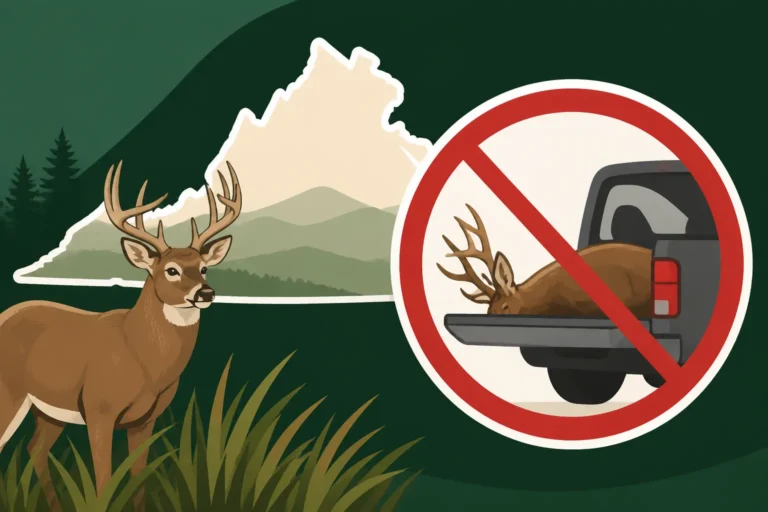
It’s crucial to understand the nuances here. "Standing vehicle" means the engine must be turned off, and the vehicle is not in motion. This isn't about cruising around and shooting from a moving truck! It's about providing a stable, accessible platform for those who cannot otherwise participate. This permit is typically valid on private lands with landowner permission, and on certain public lands designated by the DWR for such access. You'll often find specific areas within larger Wildlife Management Areas (WMAs) or National Forests that have designated accessible routes or blinds for permit holders. For example, some DWR-managed properties like Amelia Wildlife Management Area might have specific spots where this permit makes a real difference.
Eligibility for this permit is generally reserved for those who are non-ambulatory, meaning they cannot walk without assistance (such as crutches, canes, a walker, or a wheelchair), or who have lost the use of a limb, or suffer from a permanent disability that significantly impairs their mobility. This provision directly tackles the core issue of physical movement, allowing hunters to utilize a vehicle as their base camp and shooting platform, making hunting far more feasible and comfortable. Before planning your trip, always check the specific rules for the area you intend to hunt, as public land regulations can sometimes vary.
Companion Hunter Permit
The "Permit for Totally Blind or Permanently Disabled to Hunt with a Companion" is another incredibly valuable option that underscores Virginia's commitment to inclusive hunting. This permit is designed for individuals who, due to their disability, require direct assistance to hunt or are unable to participate fully themselves. It allows a licensed companion to actually hunt in place of the disabled hunter, using the disabled hunter's license and tags. This means if you hold this permit, your companion can harvest a deer, bear, or turkey that counts towards your bag limit.
This isn't just about someone helping you scout or carry your gear, though that's important too. This permit empowers a companion to perform the actual act of hunting, from tracking to making the shot, essentially extending the disabled hunter's presence in the field through a trusted partner. The key conditions are that the disabled hunter must be present and able to observe the hunt within reasonable proximity, and the companion must hold their own valid Virginia hunting license. This ensures the spirit of participation is maintained while acknowledging the severe limitations faced by the disabled hunter. This permit is particularly beneficial for those with significant visual impairments, profound mobility issues, or other conditions that prevent them from safely and effectively handling a firearm or bow. It allows families and friends to continue sharing hunting traditions, ensuring that no one is left out because of a disability.
Specific Season or Equipment Waivers
While the DWR primarily focuses on the "standing vehicle" and "companion" permits for broad categories of disabled hunters, there are sometimes additional considerations or waivers available on a case-by-case basis. These are less standardized permits and more about individual requests for reasonable accommodations when standard regulations might inadvertently create an unfair barrier. For instance, a hunter might need a specific modification to their equipment that isn't typically allowed, or they might request an adjustment to certain aspects of season timing if their disability limits their participation to very specific conditions.
It’s less about a blanket permit and more about dialogue with the DWR. If you have a unique situation that isn't covered by the main permits, it's always worth reaching out to the DWR to discuss your specific needs. They are generally receptive to finding solutions that maintain safety and fair chase principles while maximizing accessibility. These could involve things like special considerations for Crossbow Rules During Virginia Archery Season outside of typical allowances, or adjustments to access protocols on specific public lands during Virginia Public Land Hunting Hours. Always remember that any such waiver would need official approval and would be granted only after careful review to ensure it doesn't compromise wildlife management objectives or public safety.
Eligibility and the Application Process
Understanding the permits is one thing, but knowing if you qualify and how to navigate the application process is where the rubber meets the road. It can seem a bit daunting with forms and doctor's notes, but breaking it down step-by-step makes it much more manageable.
Who Qualifies for a Disabled Hunter Permit
The eligibility for these special permits is primarily tied to the severity and permanency of a hunter's physical disability. The DWR isn't just handing these out; they are reserved for those with legitimate, verifiable conditions that severely impede their ability to hunt under standard regulations.
For the Permit to Hunt or Trap from a Standing Vehicle, qualifications typically include:
- Non-ambulatory Status: This is a key criterion. It means you cannot walk without the use of crutches, canes, a walker, prosthetics, or a wheelchair. Basically, if your independent mobility is severely compromised to the point where walking to and from a hunting spot is a major, ongoing challenge.
- Loss of Limb: If you've lost the use of one or both legs, or an arm in a way that affects your ability to participate in typical hunting activities.
- Permanent Physical Disability: This could encompass a range of conditions that result in a permanent, substantial impairment of motor skills, balance, or stamina. Conditions like severe arthritis, multiple sclerosis, or post-stroke impairments that leave lasting mobility issues are often considered.
For the Companion Hunter Permit, the criteria are generally more stringent, focusing on those with profound limitations:
- Total Blindness: Medically certified total blindness.
- Permanent Disability: A permanent disability that is so severe it prevents the individual from safely and independently engaging in the act of hunting, even with other accommodations. This might include severe cognitive impairments, profound physical paralysis, or other conditions that make it impossible to handle a firearm or bow, or respond appropriately in a hunting scenario.
In all cases, a medical doctor's certification is required. This isn't just a casual note from your family physician; it needs to be a detailed statement outlining your specific condition, its permanency, and how it impacts your ability to hunt. The DWR will review these certifications carefully. It’s important to be thorough and provide all necessary medical documentation to support your application.
Step-by-Step Application Guide
Applying for a disabled hunter permit in Virginia involves a few clear steps to ensure your request is properly documented and processed. Don't worry, it's not overly complicated, but attention to detail is key.
- Obtain the Application Forms: Your first stop should be the Virginia DWR website (dwr.virginia.gov). Look for their "Licenses & Permits" section, and then specifically for "Disabled Hunter Permits" or "Special Permits." The forms are usually available for download as PDFs. You can also contact your local DWR office, and they can mail you copies. Websites like GoHunt can also be great resources for general DWR information, often linking directly to these forms or providing helpful summaries of the requirements.
- Gather Required Documentation:
- Completed Application Form: Fill out all sections accurately.
- Physician's Statement: This is the most critical piece. Have your medical doctor complete the relevant section of the application or provide a separate, detailed letter on official letterhead. This statement must clearly:
- Describe your specific disability.
- State that the disability is permanent.
- Explain how the disability impairs your ability to hunt or trap under conventional rules.
- Proof of Virginia Residency (if applicable): While non-residents can apply, residents often have slightly different forms or fees for their base licenses.
- Current Hunting License Information: You'll need to hold a valid Virginia hunting license (e.g., a basic Virginia Hunting Licenses and What They Cost) before these special permits become effective.
- Submit Your Application: Once all forms are completed and signed (especially by your physician), you'll submit them to the DWR.
- Mail: This is the most common method. Send your application to the address specified on the form, usually to the DWR headquarters in Henrico.
- Email/Fax: In some cases, the DWR may accept scanned applications via email or fax, but always confirm this on the latest forms.
- Processing Time: Be prepared for a processing period. It's not an instant approval. The DWR needs time to review your medical documentation and ensure everything is in order. It's wise to apply well in advance of hunting season, especially if you plan to participate in something time-sensitive like Virginia Early Muzzleloader Season Dates or Virginia General Firearms Season Dates. While there isn't a stated exact timeframe, allow several weeks for review and approval.
Renewals and Maintaining Your Permit
Most disabled hunter permits in Virginia are issued for an extended period, reflecting the permanent nature of the qualifying disability. However, this doesn't mean you get to forget about them entirely. While you typically won't need to resubmit a full medical evaluation annually, there might be periodic reviews or requirements to re-verify your status every few years.
Always check the expiration date on your permit. The DWR aims to make this process as smooth as possible for those with permanent conditions, but it's your responsibility to ensure your permit remains current. If there are any changes to your condition (which is rare for a "permanently disabled" permit), you might need to notify the DWR. Keeping your contact information updated with the DWR is also crucial so they can reach you with any renewal notices or important updates regarding regulations.
Practical Implications and Tips for Disabled Hunters
Receiving a disabled hunter permit is a significant step, but it's just the beginning. To truly make the most of these opportunities, disabled hunters often need to think strategically about their approach, from scouting to gear, and leveraging available resources.
Planning Your Accessible Hunt
Once you have your permit, the real planning begins. This isn't just about showing up; it's about smart, thoughtful preparation to maximize your chances of success and enjoyment.
- Scouting for Accessibility: This is paramount. Look for areas with flatter terrain, established trails, or designated accessible hunting blinds. Using online mapping tools like the DWR's Go Outdoors Virginia map tool or commercial platforms like GoHunt can be invaluable. These tools often allow you to overlay topography, access roads, and even property lines, helping you identify suitable areas from the comfort of your home. You'll want to focus on areas where the Virginia Sunday Hunting Rules allow for hunting and where vehicle access, if you have a permit for it, is legally permitted.
- Gear Considerations: Your gear choices might differ from an able-bodied hunter. Lightweight, easy-to-deploy ground blinds, for example, can be an excellent option for stable shooting platforms, especially if you have limited mobility and need to remain concealed near accessible roads or food plots. Consider investing in a high-quality Using a Ground Blind on Virginia Public Land setup. Adaptive equipment, such as shooting rests or specialized seating, can make a huge difference in comfort and accuracy. Think about what kind of Rifle Setups for Virginia Deer Hunting or Bow and Crossbow Setups for Virginia would best suit your physical capabilities, ensuring it's easy to handle and aim.
- Choosing Suitable Locations: While your vehicle permit grants access on private land, many public lands also offer accessible opportunities. Research specific Virginia Wildlife Management Areas or portions of the George Washington or Jefferson National Forests that are known for accessible hunting. Some WMAs have designated accessible blinds or trails, which can significantly reduce the physical demands of the hunt. Remember that Hunting Pressure on Virginia Public Land can be high, so scouting during the off-season for less-trafficked, accessible spots is a good strategy.
Leveraging Technology and Community Support
The modern age offers incredible tools and a supportive community that can further enhance the hunting experience for disabled individuals.
- Mapping and Navigation Apps: Beyond just scouting, apps like those offered by GoHunt provide real-time GPS, property boundaries, and topo maps, which are incredibly helpful for navigation and staying safe in the field. They can help you plan your entry and exit routes, identify potential hazards, and locate accessible features on the landscape. This is vital, especially when you might be limited in your ability to move quickly or navigate difficult terrain. For instance, knowing exactly Where George Washington Forest Bucks Bed might be accessible from a forest road could mean the difference between success and frustration.
- Adaptive Gear Innovations: The market for adaptive hunting gear is growing. Companies are developing everything from specialized crossbow mounts for wheelchair users to modified firearm stocks and triggers. Don't be afraid to research and invest in equipment that genuinely improves your ability to participate.
- Organizations and Mentorship: Numerous non-profit organizations are dedicated to supporting disabled hunters. Groups like the National Wild Turkey Federation (NWTF) or local hunting clubs often host events, provide mentorship, and sometimes even offer guided hunts for disabled individuals. These organizations can connect you with experienced hunters who understand your challenges and can offer invaluable advice, assistance, and camaraderie. They provide a community where shared experiences and mutual support flourish, making the hunting journey even more rewarding. Don't hesitate to reach out and tap into this network.
Summary of Virginia Disabled Hunter Permits
To make it easy to quickly reference the options, here's a table summarizing the main disabled hunter permits available in Virginia:
| Permit Name | Primary Purpose | Key Eligibility Criteria | Benefits | Key Restrictions / Notes |
|---|---|---|---|---|
| Permit to Hunt or Trap from a Standing Vehicle | Allows hunting from a stationary vehicle. | Non-ambulatory; requires crutches, walker, wheelchair, or prosthetic; loss of limb; permanent physical disability impairing mobility (all certified by physician). | Provides a stable, accessible hunting platform; reduces need for extensive walking or standing. | Vehicle must be stationary (engine off); typically on private land or designated public access areas; not for hunting from moving vehicle. |
| Permit for Totally Blind or Permanently Disabled to Hunt with a Companion | Allows a companion to harvest game in place of the disabled hunter. | Totally blind; or permanent disability so severe it prevents safe/independent hunting (both certified by physician). | Enables participation in the hunt through a companion; companion uses disabled hunter's license/tags. | Disabled hunter must be present and observe the hunt; companion must hold their own valid Virginia hunting license; companion harvests count towards disabled hunter's bag limit. |
Disclaimer
The information provided in this guide is intended for general informational purposes only and does not constitute legal advice. Hunting regulations, permit requirements, and eligibility criteria can change. It is always the responsibility of the individual hunter to consult the most current Virginia Department of Wildlife Resources (DWR) regulations, obtain all necessary permits, and comply with all applicable laws before engaging in any hunting activities. Always refer to the official DWR website or contact them directly for the most accurate and up-to-date information.