Virginia Resident Canada Goose Population
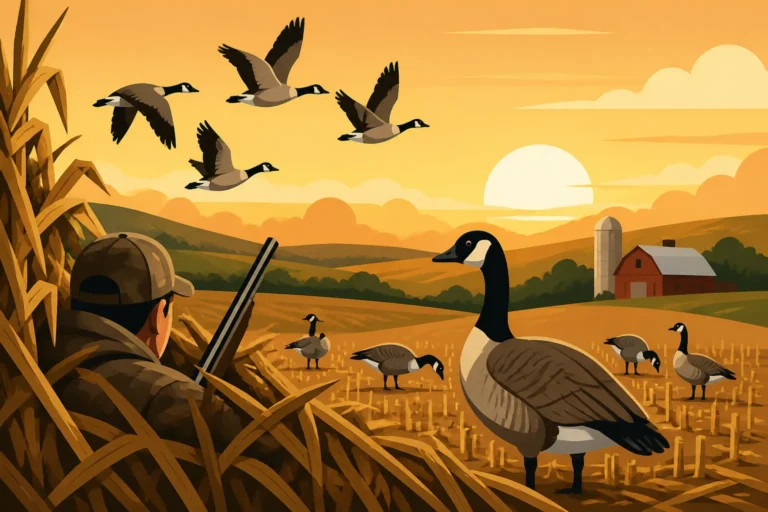
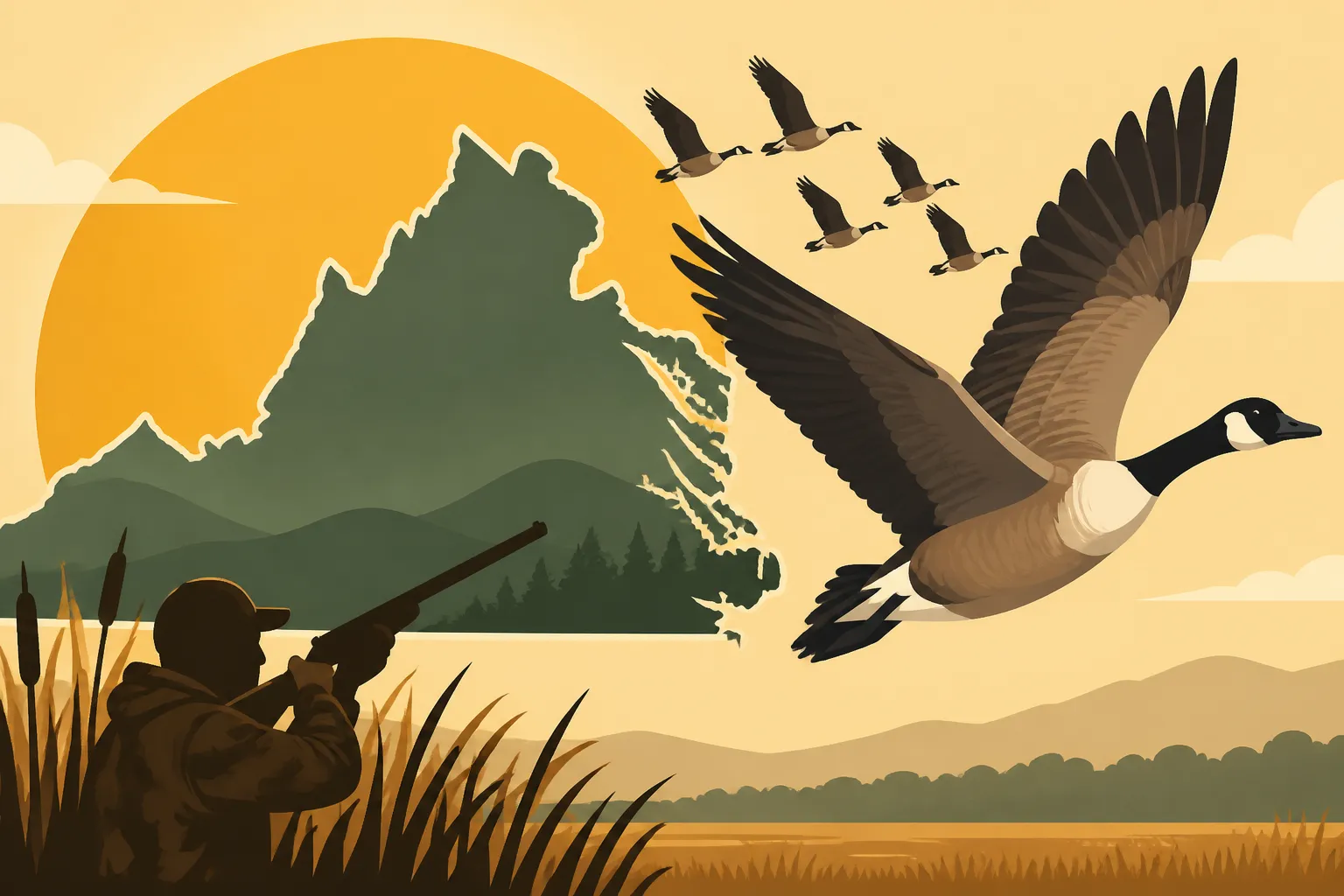
If you've spent any time at all around Virginia's ponds, golf courses, or even just driving through rural areas, you've probably noticed them: Canada geese, often in large, seemingly permanent flocks. What many people don't realize is that a significant portion of these birds aren't just passing through on their way north or south; they're residents. These local populations have exploded over the past few decades, creating unique opportunities and challenges for hunters, landowners, and wildlife managers alike. This guide will delve deep into the fascinating world of Virginia's resident Canada goose population, exploring their origins, habits, and how they impact our landscapes and hunting seasons.
The Surprising Rise of Virginia's Resident Canada Goose Population
It's easy to assume all Canada geese follow the same migratory patterns we learned about in school, making epic journeys along the Atlantic Flyway. But the reality on the ground in Virginia tells a different story. The burgeoning numbers of Canada geese we see year-round are a testament to a remarkable ecological shift, where these adaptable birds have found a permanent home right here in the Commonwealth.
From Migratory to Year-Round Residents
Historically, most Canada geese observed in Virginia were indeed migratory, breeding in northern Canada and wintering in the milder climates of the Mid-Atlantic and Southern states. However, beginning in the mid-20th century, a different trend started to emerge. Wildlife agencies, in an effort to re-establish goose populations after earlier declines, often relocated geese from other areas or raised captive-bred birds and released them. These birds, often imprinted on local habitats and lacking the ancestral migratory urge, began to establish breeding populations in their new homes.
Couple that with significant changes in land use: the proliferation of suburban developments with green spaces, retention ponds, golf courses, and agricultural fields offered an irresistible buffet of food and safe nesting sites. These environments, often with manicured lawns providing easy grazing and water bodies free from natural predators, became perfect nurseries for these new resident flocks. Unlike their wilder migratory cousins, these birds didn't feel the ancient pull to fly thousands of miles; Virginia offered everything they needed, all year long. This transition from being primarily a migratory stopover to a year-round residence fundamentally altered the dynamics of goose management and hunting in the state.
Characteristics and Behavior of Resident Geese
Resident Canada geese exhibit behaviors that are quite distinct from their migratory counterparts. If you've ever tried to sneak up on a flock of truly wild, migratory geese in a remote marsh, you know they are incredibly wary, quick to take flight at the slightest perceived threat. Resident geese, however, are often far less cautious. They’ve grown accustomed to human activity, whether it’s golfers on a course, joggers in a park, or farmers working their fields. This familiarity can make them seem almost tame, especially in urban and suburban settings.
They favor habitats that offer a combination of open water for safety and easy access to short, succulent grasses for grazing. Think about it: a golf course fairway is essentially a giant, perfectly maintained pasture for a goose. Retention ponds in office parks, large community lakes, slow-moving rivers, and agricultural fields are all prime real estate for these birds. Their daily routines often involve flying short distances between feeding grounds and roosting areas, rather than undertaking long-distance migrations. During nesting season, typically in early spring, they can become quite territorial and even aggressive, especially if their nest or goslings are approached. This combination of abundant food, safe havens, and reduced predatory pressure allows their populations to thrive and expand rapidly.
Understanding Population Dynamics and Management
The sheer numbers of resident Canada geese in Virginia have created a complex situation, requiring active management to balance ecological concerns with recreational opportunities. Their success story, while impressive from a biological standpoint, isn't without its downsides.
Population Growth and its Impacts
The exponential growth of Virginia’s resident Canada goose population has led to a number of significant impacts across the state. Farmers often bear the brunt of this, facing substantial crop damage as large flocks descend upon newly sprouted grain fields, turning promising harvests into barren patches. Beyond agriculture, these birds can become a nuisance in urban and suburban environments. Their droppings, which are voluminous and frequent, foul parks, golf courses, beaches, and residential lawns, posing not only an aesthetic problem but also potential health concerns. High concentrations of goose droppings can elevate bacteria levels in waterways, impacting water quality.
During the nesting season, usually from March through May, geese can become quite aggressive. Protecting their nests and goslings, they may hiss, charge, and even bite perceived threats, which can be unsettling or even frightening for people using public spaces. This rapid population growth necessitates careful oversight from state wildlife agencies to prevent widespread ecological damage and mitigate conflicts with human interests. It's a classic example of a species thriving perhaps too well in an altered landscape.
Virginia's Management Strategies
Recognizing the challenges posed by an unchecked resident goose population, the Virginia Department of Wildlife Resources (DWR) employs a multi-faceted approach to management. One key strategy involves issuing permits for nest and egg destruction. This method, often utilized by landowners or property managers, aims to reduce population growth by preventing successful breeding without harming adult birds. Hazing techniques, using deterrents like noisemakers, Mylar balloons, or even trained dogs, are also employed to scare geese away from sensitive areas, though these methods often require persistence and can be less effective against highly habituated birds.
However, regulated hunting remains one of the most effective and economically viable tools for controlling resident goose numbers. The DWR strategically designs hunting seasons, particularly early seasons, specifically to target these local birds before migratory populations arrive en masse. This helps to alleviate pressure on agricultural lands and public areas, while also providing valuable recreational opportunities for hunters. The DWR continually monitors goose populations through surveys and hunter harvest reports to adjust regulations as needed, ensuring sustainable management practices. For hunters, being involved in these efforts is a way to contribute directly to wildlife conservation. You can find up-to-date information on population trends and regulations through the Virginia DWR App.
Hunting Opportunities and Challenges for Resident Geese
Hunting resident Canada geese offers a unique blend of accessibility and challenge. While these birds are plentiful, their close proximity to human activity and often keen senses can make them surprisingly tricky quarry.
Specific Hunting Seasons and Regulations
Virginia offers specific hunting seasons designed to target resident Canada geese, often distinct from the seasons for migratory waterfowl. The most significant of these is typically the early September goose season, sometimes referred to as the "resident goose season." This early period allows hunters to focus on the local birds before the influx of migratory geese from the north. These early seasons often feature generous bag limits, reflecting the DWR's goal of reducing the resident population.
It's absolutely crucial for hunters to consult the latest DWR regulations annually, as season dates, bag limits, and specific hunting zones can vary. For example, some areas might have special urban hunting opportunities, or certain public lands might have specific access rules. Understanding Virginia Goose Season Dates and Virginia Duck and Goose Bag Limits is paramount. These early seasons are often a fantastic way to introduce new hunters to waterfowl hunting, as the weather is typically mild, and the sheer number of birds can make for exciting action, though the birds can still be quite smart.
Tactics for Hunting Resident Geese
Hunting resident geese often requires a slightly different approach than pursuing their migratory cousins. These birds are often "educated" to standard hunting tactics and may be highly wary of anything out of the ordinary, particularly in areas with consistent pressure. Scouting is paramount. You'll want to identify their preferred feeding grounds, which are almost invariably agricultural fields (corn, wheat, soybeans), large pastures, or even manicured lawns in less-pressured areas. Observe their flight patterns – where do they come from, and where do they go? Look for fresh droppings and disturbed vegetation as indicators of active feeding.
Decoy spreads can range from small, ultra-realistic setups to large, impressive spreads mimicking a feeding flock. Full-body decoys tend to be most effective, but good silhouettes or even shell decoys can work, especially if you have numbers. Calling is essential; mastering a variety of honks, clucks, and greetings will help you bring birds into range. Setting up a blind, whether it's a layout blind in a cut cornfield or brushing in a natural hide along a field edge, is critical for concealment. Remember, resident geese are often accustomed to seeing people and vehicles, so you might need to be extra diligent about blending in. Securing permission on private land, especially farms, is key to accessing many prime hunting spots where Canada Geese on Virginia Farmland are abundant. For ideas on setting up in different environments, check out Setting Decoys on a Farm Pond or Layout Blind Hunting Eastern Shore Fields for general field tactics.
Ecological Role and Future Outlook
While resident Canada geese are sometimes seen as a nuisance due to their overpopulation in certain areas, they undeniably play a role in Virginia's ecosystem. Understanding this role and the challenges ahead is crucial for effective long-term management.
Resident Geese in Virginia's Ecosystem
Despite often being considered an "overabundant" species in many parts of Virginia, resident Canada geese do fit into the local ecosystem. They are primarily grazers, feeding on grasses, agricultural crops, and aquatic vegetation. In smaller numbers, their grazing can contribute to habitat diversity, much like other herbivores. They also serve as a food source for certain predators, although adult geese are formidable and not easily preyed upon. Their goslings, however, are more vulnerable to raptors, foxes, and other opportunistic predators.
The issue isn't their presence, but their sheer numbers in specific localized areas. When populations reach excessive levels, their impact shifts from natural grazing to destructive overgrazing, nutrient loading in ponds and lakes from droppings, and competition with other waterfowl species for resources. It's a delicate balance, and management aims to maintain healthy, sustainable populations that minimize negative impacts while still allowing for the species' presence. The challenge lies in managing a species that has adapted too well to human-altered landscapes.
The Future of Resident Goose Management
The future of managing Virginia’s resident Canada goose population will likely involve a continuation of current strategies, alongside an ongoing adaptation to new challenges. As suburban sprawl continues, creating more manicured green spaces and water features, suitable habitat for resident geese will expand, potentially leading to further population increases in unexpected areas. This means wildlife managers will need to remain nimble, potentially exploring new deterrent technologies, expanding hunting opportunities, and fostering greater collaboration with landowners and municipalities.
Hunter participation will remain an indispensable part of this management equation. By taking advantage of Early Goose Season Tactics in Virginia and understanding their Virginia Waterfowl Zones and Seasons, hunters directly contribute to population control. This not only helps mitigate the negative impacts of overpopulation but also provides valuable data to the DWR about population health and distribution. The sustained success of Virginia’s resident Canada goose population is a testament to the species' adaptability, but also a constant reminder of the dynamic interplay between wildlife and human activity. Staying informed and participating responsibly is key to ensuring a healthy balance for both the geese and our environment. And don't forget, if you're looking for regulations or need to check dates, having tools like the Go Outdoors Virginia platform or app can be a real time-saver, helping you keep track of all the details, much like a mapping tool like GoHunt can help you scout western lands. Even though the primary intent of GoHunt is for big game out west, the general principle of using a digital mapping tool for scouting and understanding landscape features remains applicable, regardless of the game or region. Remember that responsible hunting also means knowing your stuff, so make sure you’ve fulfilled all Virginia Hunter Education Requirements before heading out.
Disclaimer
This article is for general informational purposes only and does not constitute professional advice. Laws, prices and regulations vary by location and change over time. Consult a qualified professional for guidance on your specific situation.