Why the Bay Draws Waterfowl Every Winter
For many waterfowlers in Virginia, the Chesapeake Bay isn't just a body of water; it's a living, breathing tradition, a place where the roar of wings at dawn stirs something primal. Yet, if you're new to the region or just curious, you might wonder what makes this estuary such an unparalleled magnet for ducks, geese, and other migratory birds year after year. This guide will dive deep into the unique ecological, geographical, and historical factors that converge to create a wintering paradise for waterfowl, explaining precisely why the Bay draws such incredible numbers of birds every season.
The Chesapeake Bay: A Culinary Delight for Waterfowl
Imagine the largest estuary in the United States, fed by over 150 rivers and creeks, spanning thousands of square miles of nutrient-rich water. That's the Chesapeake Bay, and for migratory waterfowl, it's essentially an all-you-can-eat buffet that refreshes itself seasonally. The sheer abundance and diversity of food sources available here are a primary driver behind its immense popularity with birds.
Submerged Aquatic Vegetation (SAV) Beds
One of the biggest draws for diving ducks, in particular, is the Bay's extensive beds of Submerged Aquatic Vegetation, or SAV. These underwater grasses, like wild celery, sago pondweed, and widgeon grass, are like prime real estate for species such as canvasbacks, redheads, and scaup. These ducks are designed to dive deep, often several feet, to rip these plants from the bottom or graze on their tender shoots and seeds. A good year for SAV growth means an even better year for diving duck populations returning to the Bay.
These grasses provide not just food, but also critical shelter and oxygenation for the ecosystem. They stabilize sediments, filter water, and provide habitat for the invertebrates that many ducks also consume. A hunter using scouting tools like GoHunt might notice healthy SAV beds marked on a map or observe duck activity in these areas, indicating prime feeding grounds. Understanding the health of these beds from season to season is often key to predicting where certain species might concentrate.
Invertebrate-Rich Mud Flats and Oyster Beds
Beyond the plant life, the Chesapeake Bay's muddy bottoms and oyster reefs teem with a smorgasbord of invertebrates. These tiny creatures, including small crustaceans, mollusks, and insect larvae, are a vital protein source for many dabbling ducks like mallards and teal, as well as several species of diving ducks. When the tide pulls back, exposing vast mudflats, these areas become active feeding grounds.
Puddle ducks will often tip-up, keeping their heads underwater to sift through the mud and vegetation for these hidden treats. The rich organic matter constantly flowing into the Bay from its many tributaries helps maintain this incredible invertebrate biomass, ensuring a continuous food supply throughout the colder months. Virginia Waterfowl Migration Timing is often dictated by when these food sources are at their peak and accessible.
Agricultural Fields and Waste Grain
The land surrounding the Chesapeake Bay isn't just marsh; it's also prime agricultural country. Think vast fields of corn, soybeans, and winter wheat. After the harvest, a significant amount of grain is left behind, becoming a critical food source for migrating geese, especially Canada geese, and many dabbling ducks. These birds will fly inland from the Bay's open waters or tidal creeks to spend their days grazing and gleaning in these fields.
This provides a vital caloric boost, especially during periods of extreme cold when aquatic foods might be harder to access. Hunters often seek permission to hunt these agricultural fields, setting up large decoy spreads to mimic feeding flocks. The interplay between the aquatic food sources in the Bay itself and the terrestrial food in surrounding farms creates a diverse and resilient food web that supports a massive wintering population of birds. Knowing the Virginia Duck and Goose Bag Limits is crucial when planning a hunt that involves both Bay and field opportunities.
Sanctuary and Shelter: The Bay's Protective Embrace
Beyond the food, the Chesapeake Bay offers an unparalleled sense of security and a vast array of habitats that cater to the diverse needs of different waterfowl species. This protection from predators, harsh weather, and even hunting pressure, is as important as the food itself in drawing and holding birds through the winter.
Expansive Open Water
The sheer scale of the Chesapeake Bay provides immense expanses of open water, which act as natural sanctuaries. Diving ducks, in particular, love these broad, deep waters. Here, they can raft up in huge numbers, feeling secure from land-based predators. They can dive for food at their leisure and take flight with plenty of room to gain altitude if disturbed. The Bay's vastness makes it impossible for hunters to pressure all birds simultaneously, ensuring large populations always have a place to rest and regroup.
Imagine thousands of canvasbacks and redheads bobbing on the waves far offshore – it’s a spectacle. These open water areas are also often less impacted by ice during milder winters, allowing continued access to submerged vegetation. While hunters often focus on shorelines and smaller bays, the core of the Bay provides an untouchable refuge that allows the populations to thrive. Waterfowl Hunting the Chesapeake Bay often involves long runs in big boats to access these areas or hunt the edges of the open water.
Intricate Tidal Creeks and Marshlands
While open water is crucial for diving ducks, the Bay’s convoluted network of tidal creeks, guts, and sprawling marshlands provides ideal habitat for dabbling ducks and geese. These sheltered areas offer calm water, abundant emergent vegetation for cover, and a rich supply of seeds and invertebrates. The ebb and flow of the tide continually exposes new mudflats, uncovering fresh feeding opportunities.
These marsh environments are complex ecosystems, offering endless pockets of refuge where birds can escape strong winds or hunter pressure. Hunting the Eastern Shore Marsh is a testament to the productivity of these areas, with hunters often using sneak boats or layout blinds nestled deep within the Spartina grass. The twisting nature of these waterways also creates natural barriers, making it harder for predators to access interior marsh areas.
Barrier Islands and Protected Coves
Along the outer edges of the Chesapeake Bay, particularly towards the mouth and along the Eastern Shore, you'll find a series of barrier islands and protected coves. These geographical features add another layer of habitat diversity and security. The barrier islands absorb the brunt of oceanic storms, creating calmer waters on their Bay-side flanks. The protected coves, often shallow and bordered by woodlands or dense marsh, offer excellent loafing and roosting spots.
Birds can retreat into these quiet areas during midday, conserving energy and escaping human disturbance. Some of these locations are even designated as federal or state wildlife refuges, providing complete sanctuary where hunting is restricted or prohibited. This network of protected zones ensures that birds have places where they can recover and sustain themselves throughout the arduous winter. Understanding these sanctuaries is critical, and mapping tools like those offered by GoHunt can help identify these no-go zones, guiding ethical hunting practices.
Geographical Advantage: The Atlantic Flyway's Crossroads
The Chesapeake Bay isn't just a local hotspot; it's a globally significant stopover and wintering ground because of its strategic position on the Atlantic Flyway. This major migratory route funnels millions of birds from their northern breeding grounds down the eastern seaboard, and the Bay sits right in the sweet spot.
A Major Migratory Funnel
Imagine a highway in the sky, stretching from the Arctic tundra all the way down to the Caribbean. That's the Atlantic Flyway, and the Chesapeake Bay is one of its most critical service stations. Birds migrating south from Canada and the northeastern United States essentially hit a massive ecological billboard screaming "food and shelter ahead!" when they reach the Bay. Its sheer size and the abundance of resources act as a natural magnet, drawing birds in from various migratory paths that converge on the mid-Atlantic.
This funneling effect means that the Bay receives a diverse array of species, from high-flying snow geese to agile buffleheads, all making their way to wintering grounds. Many birds may winter further south, but the Bay serves as an essential staging area where they can rest, refuel, and wait for favorable winds to continue their journey.
Mild Winter Climate
Compared to the frozen landscapes of the north, the Chesapeake Bay enjoys a relatively mild winter climate. While ice can form in shallow embayments and tidal creeks during severe cold snaps, the main body of the Bay and its deeper tributaries often remain unfrozen. This open water is absolutely essential for diving ducks, allowing them continuous access to their submerged aquatic vegetation diet.
Even when northern ice pushes birds further south, the Bay often serves as the first major ice-free sanctuary they encounter, making it a critical last resort for many. The less extreme temperatures also mean birds expend less energy just trying to stay warm, allowing them to allocate more resources to feeding and maintaining body condition for the eventual spring migration. Cold-Weather Sitting Strategy in the Mountains is quite different from what you need to prepare for on the open Bay.
Interconnected Waterways
The Chesapeake Bay's extensive network of interconnected waterways – including the Susquehanna, Potomac, James, Rappahannock, and York rivers, among countless smaller creeks – provides vital migratory corridors. These rivers act as extensions of the Bay's influence, allowing birds to move inland to find additional food and shelter, particularly in agricultural areas or protected riverine habitats.
This interconnectedness means that birds aren't confined to the main body of the Bay but can disperse across a vast landscape, reducing pressure on any single area. It offers adaptability, allowing birds to shift locations based on food availability, weather conditions, or hunting pressure. This complex web of water and land is what truly makes the Chesapeake Bay ecosystem so robust and appealing to waterfowl.
The Conservation Legacy and Future of the Bay's Waterfowl
The Chesapeake Bay's reputation as a waterfowl mecca isn't just due to natural phenomena; it's also a testament to decades of conservation efforts, research, and a deep-seated hunting tradition that values healthy populations. The future of Virginia's Black Bear Population or Wild Turkeys in Virginia relies on habitat management, just as waterfowl do.
Historical Abundance and Hunting Culture
For centuries, the Chesapeake Bay has been synonymous with waterfowl hunting. Historical accounts paint pictures of skies darkened by migrating birds, and a rich hunting culture developed around this abundance. This long-standing tradition has instilled a deep appreciation for waterfowl and their habitat among local communities and hunters. While hunting methods have evolved and regulations have tightened, the passion for waterfowl has remained, fueling efforts to protect and restore the Bay.
This historical connection means there's a strong local understanding and respect for the Bay's importance to these birds. Many hunting families have passed down knowledge of migratory patterns and preferred habitats for generations, becoming informal stewards of the ecosystem.
Ongoing Restoration Efforts
The Chesapeake Bay has faced environmental challenges, from pollution to habitat degradation. However, significant efforts have been made, and continue to be made, to restore its health. Projects focused on improving water quality, restoring oyster reefs, and replanting submerged aquatic vegetation beds directly benefit waterfowl by enhancing their food sources and habitat.
These conservation initiatives are often a collaboration between state agencies, federal programs, non-profits, and private landowners. For instance, efforts to reduce agricultural runoff directly benefit SAV beds, which in turn benefit diving ducks. Hunters, through license fees and organizations, contribute financially to many of these crucial programs, demonstrating their commitment to the long-term health of the resource. Without these dedicated restoration efforts, the Bay's ability to support such vast numbers of waterfowl might decline. Scouting Virginia Public Land Before Season often reveals the direct results of these habitat enhancement projects.
Research and Adaptive Management
The Virginia Department of Wildlife Resources (DWR) and other scientific organizations continuously monitor waterfowl populations, conduct banding studies, and research habitat use within the Bay. This scientific understanding allows for adaptive management strategies, ensuring that hunting regulations are sustainable and conservation efforts are targeted where they're most needed.
For instance, understanding the poult-to-hen ratios for Virginia Turkey Population Trends helps guide turkey seasons, and similarly, waterfowl counts inform duck and goose seasons. This data-driven approach is critical for balancing hunting opportunities with the long-term health of waterfowl populations. When you're out there, whether you're Hunting Chesapeake Bay Diving Ducks or Layout Blind Hunting Eastern Shore Fields, you're part of a system that relies on this scientific foundation.
Here's a quick look at some common Chesapeake Bay waterfowl species and what draws them to this rich habitat:
| Species Group | Primary Food Source | Preferred Habitat | Notes |
|---|---|---|---|
| Diving Ducks | Submerged Aquatic Vegetation (SAV), Invertebrates | Open Bay, deeper tidal rivers, protected coves with SAV | Examples: Canvasback, Redhead, Scaup. Excellent divers, often seen in large rafts on open water. |
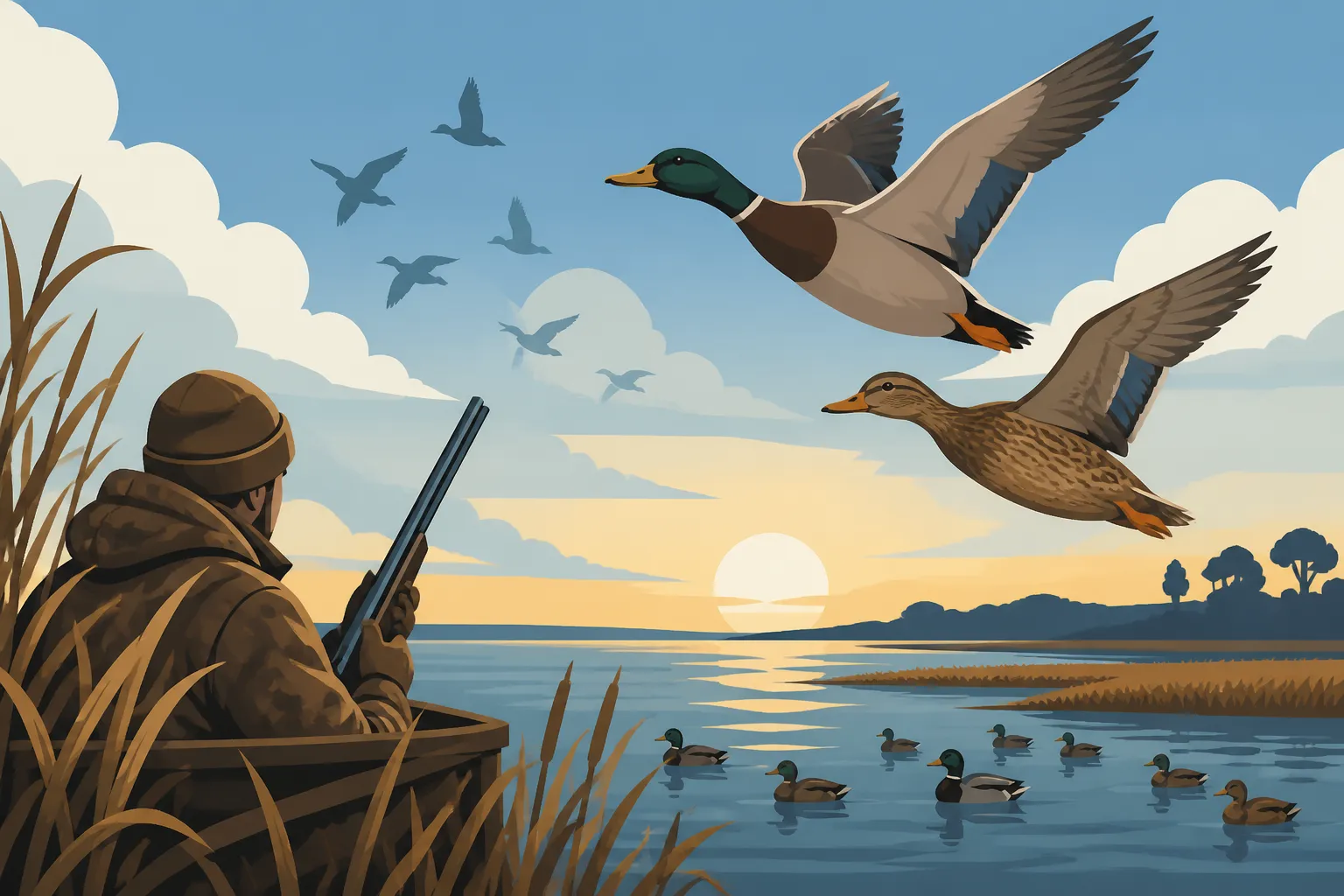
| Dabbling Ducks | Seeds, Waste Grain, Invertebrates, Emergent Vegetation | Shallow marsh, tidal creeks, flooded timber, agricultural fields | Examples: Mallard, Black Duck, Gadwall, Teal. "Tip-up" feeders, often found closer to shore. |
| Sea Ducks | Mollusks, Crustaceans, Small Fish | Nearshore Bay, ocean-facing coastlines, rocky bottoms | Examples: Scoter, Long-tailed Duck. Less common deep within the Bay, but found nearer the mouth and Atlantic. |
| Geese | Agricultural Waste Grain, Tender Grass Shoots | Agricultural fields, large open water bodies, marsh edges, open lawns | Examples: Canada Goose, Snow Goose. Large, gregarious birds, often seen in vast flocks. |
The allure of the Chesapeake Bay for waterfowl is a beautiful synergy of nature's design and human stewardship. Its diverse food sources, vast protective habitats, strategic geographical location, and dedicated conservation efforts combine to create a vital wintering ground that continues to captivate hunters and wildlife enthusiasts alike. Each winter, as the cold winds blow down from the north, the Bay waits, ready to welcome millions of feathered travelers to its bountiful embrace.
Disclaimer
This article is for general informational purposes only and does not constitute professional advice. Laws, prices and regulations vary by location and change over time. Consult a qualified professional for guidance on your specific situation.