Why Red Wolves Vanished From Virginia
It’s a sobering thought: Virginia once echoed with the howls of magnificent red wolves, truly native apex predators that roamed our landscapes for thousands of years. But today, they are gone from the wild in the Commonwealth, a silent testament to how profoundly human activity can alter the natural world. This guide delves into the historical presence of red wolves in Virginia, the complex reasons behind their heartbreaking disappearance, and the enduring lessons we can learn from their absence.
The Red Wolf: An Apex Predator's Lost Dominion in Virginia
For countless generations, the red wolf (Canis rufus) was an integral part of Virginia's ecosystems, a powerful and intelligent predator that shaped the very fabric of the wild. Their story in Virginia isn't just about a lost species; it's about a fundamental shift in our natural heritage, a void left behind that we are only now fully beginning to understand.
Tracing Their Historical Footprint Across the Commonwealth
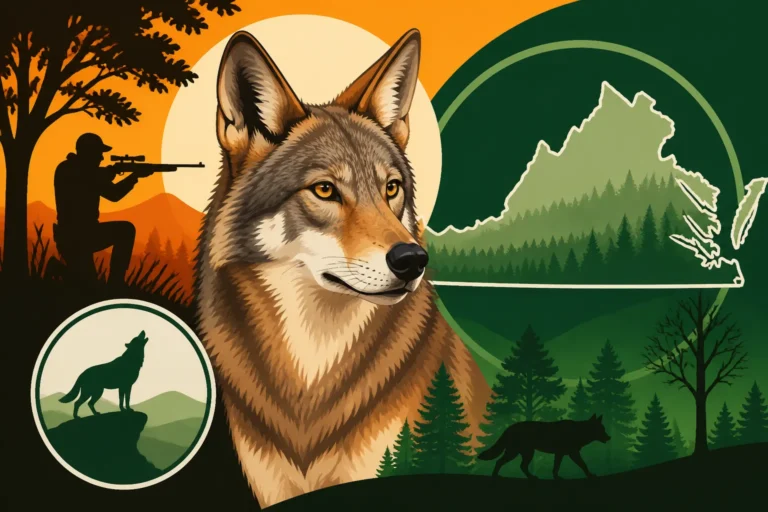
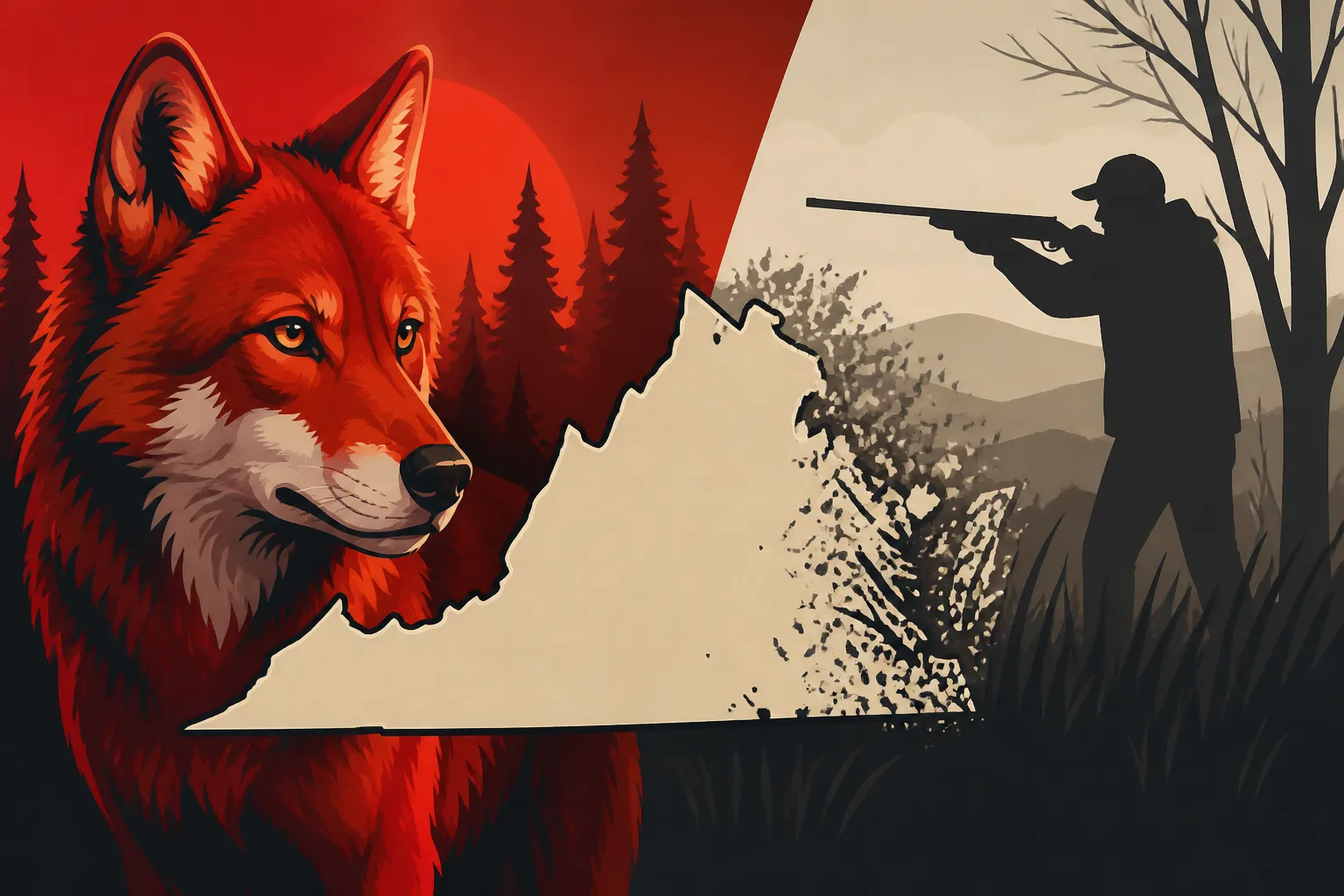
Historically, red wolves had a vast range, stretching across the southeastern United States, from the Atlantic and Gulf Coasts inland to the Ohio River Valley and central Texas. Virginia, with its diverse habitats of coastal marshes, vast Piedmont forests, and rugged mountain ranges, represented a significant portion of this native territory. While their exact numbers across the Commonwealth are hard to pin down from centuries past, historical accounts and early naturalists' records indicate they were present and widespread. They were creatures of deep woods, river bottoms, and transitional zones, thriving where game was plentiful and cover was dense. Imagine walking through what is now the George Washington National Forest or the vast swamps of the Great Dismal, and the chance of encountering one of these elusive canids would have been very real. Their territories would have overlapped with areas rich in prey, defining natural interactions in ways we can only speculate about today.
The Ecological Role They Once Played
As apex predators, red wolves were absolutely critical to maintaining the health and balance of Virginia's ecosystems. They primarily preyed on white-tailed deer, rabbits, raccoons, and other small to medium-sized mammals, acting as natural regulators of prey populations. By culling weak, sick, or old animals, they helped to keep deer herds strong and healthy, preventing overgrazing that could degrade forest habitats for other species. Without these top predators, mesopredators like coyotes (which arrived much later in Virginia's history, as we'll discuss) and foxes can experience population booms, leading to increased predation on ground-nesting birds and other small game. The red wolf's presence created a "trophic cascade," where their influence rippled down through the food web, benefiting everything from songbirds to forest health. It's a complex dance that nature orchestrates, and the removal of a key player like the red wolf disrupts the entire rhythm. Their historical presence would have also impacted the behavior of prey species, keeping them wary and widely distributed, rather than concentrating in easily accessible areas.
The Relentless Pressure: Why Red Wolves Disappeared
The disappearance of the red wolf from Virginia, and indeed from most of its historical range, was not a single event but a tragic culmination of multiple pressures, each chipping away at their existence until they were entirely gone from our wild spaces. It’s a stark reminder of how vulnerable even powerful predators can be when faced with overwhelming human impact.
Habitat Loss and Fragmentation: A Vanishing Wilderness
One of the most significant factors in the red wolf's decline was the relentless transformation of their habitat. As European settlers expanded across Virginia, forests were cleared for agriculture, towns, and roads. Wetlands were drained, and the sprawling, interconnected wilderness that red wolves needed to thrive began to shrink and fragment. Imagine a species that needs extensive, undisturbed territory to hunt and raise its young, suddenly finding its home carved up by farms, fences, and settlements. This fragmentation didn't just reduce the amount of available habitat; it isolated wolf populations, making them more vulnerable to disease, genetic inbreeding, and the direct threats posed by humans. The ability of wildlife to move freely across the landscape is paramount for their survival, and Virginia’s development effectively put up countless invisible barriers. Tools like GoHunt, which modern hunters use to understand current land ownership and boundaries, can, in a way, help us visualize the historical process of how land became divided and developed, stripping away the vast, continuous wildlands that once supported species like the red wolf.
Human Persecution: Misunderstanding and Eradication
Perhaps the most direct and devastating blow to red wolf populations was intentional human persecution. Historically, wolves were widely feared and misunderstood. They were seen as threats to livestock and, mistakenly, as dangers to human life, though documented cases of healthy wild wolves attacking humans are virtually nonexistent. Bounty programs were implemented across states, including Virginia, offering monetary rewards for wolf pelts or carcasses. This incentivized widespread hunting, trapping, and poisoning campaigns aimed at eradicrierating them entirely. Farmers, settlers, and even government agencies actively participated in these efforts, driving the species to the brink of extinction. This intense, systematic extermination pressure, fueled by fear and economic concerns, proved to be an insurmountable challenge for the red wolf. It’s a difficult truth to confront, but the desire to protect livestock and perceived threats led directly to their demise, a harsh lesson for us about the consequences of unchecked eradication efforts. Virginia Wildlife Violation Penalties today reflect a much different understanding of wildlife protection.
The Silent Threat of Hybridization
As red wolf populations dwindled and became increasingly isolated, another insidious threat emerged: hybridization with coyotes. Coyotes, originally a western species, began expanding their range eastward as their natural predators (like wolves and mountain lions) were eliminated. They arrived in Virginia much later than the red wolf vanished, but in the final strongholds of red wolves further south and west, where numbers were critically low, male red wolves often struggled to find purebred female red wolves to mate with. In a desperate attempt to reproduce, they began to breed with coyotes, which are closely related but genetically distinct. This resulted in hybrid offspring, further diluting the pure red wolf gene pool. Essentially, the remaining pure red wolves were being "absorbed" out of existence through interbreeding, an event that played a significant role in their final extirpation from the wild, including the last vestiges that might have persisted near Virginia's borders. Understanding the Virginia Coyote Range and Density today illustrates how pervasive this other canid has become in the landscape where red wolves once reigned.
Echoes of Loss and the Long Road to Recovery
The vanishing act of the red wolf from Virginia's wild places has left a profound mark, not just on the ecosystems but also on our collective consciousness. Efforts to bring them back have been fraught with challenges, offering valuable, if sometimes painful, lessons in conservation.
Failed Reintroduction Attempts and Lingering Challenges
While Virginia hasn't seen a large-scale red wolf reintroduction program within its borders, recovery efforts have focused primarily on the southeastern U.S., particularly in North Carolina. These efforts, detailed in resources like Virginia Red Wolf Recovery Program History, illustrate just how challenging it is to reverse a species' extirpation. Early reintroduction attempts faced numerous hurdles, including public opposition, poaching, and ongoing issues with hybridization with coyotes. The very same pressures that drove them out of Virginia – habitat concerns and human conflict – often complicated efforts elsewhere. Releasing captive-bred wolves into complex wild landscapes, often fragmented and surrounded by human activity, requires immense dedication, community buy-in, and innovative management strategies. The sheer cost and logistical complexity mean that such efforts must be meticulously planned and continually adapted, and the species faces an uphill battle to regain a secure foothold anywhere in the wild.
Lessons Learned for Virginia's Wildlife Future
The red wolf's disappearance serves as a powerful cautionary tale for Virginia and beyond. It underscores the critical importance of protecting large, interconnected habitats for wide-ranging species. It also highlights the need for public education and understanding to foster coexistence with predators, rather than fear-driven eradication. For species like Virginia Deer Herd Size or How Virginia's Bear Population Grew So Large, we see how active management and changing public attitudes can lead to population rebounds. The red wolf's story reminds us that every species plays a role, and the removal of even one can have unforeseen consequences throughout the ecosystem. Modern wildlife management in Virginia, often supported by data visualized through tools like GoHunt, now places a much greater emphasis on conserving biodiversity, understanding ecological roles, and mitigating human-wildlife conflicts before they escalate to irreversible loss. It also teaches us the importance of addressing threats early, before a species is pushed to the very brink.
The Lingering Legacy of Virginia's Absent Apex Predator
Even though red wolves no longer roam Virginia's forests and swamps, their absence continues to shape our natural world in subtle yet significant ways. Their story is a powerful reminder of what we've lost and what we must strive to protect for future generations.
Understanding the Impact on Ecosystem Dynamics
The removal of an apex predator like the red wolf has long-term consequences for ecosystem dynamics. Without the regulating presence of wolves, prey populations, particularly deer, can experience fluctuations. While Virginia has robust management programs for White-Tailed Deer Across Virginia, the historical role of the red wolf in maintaining natural balance is undeniable. Their predation would have kept deer on the move, preventing localized overbrowsing that degrades plant communities and impacts other species relying on those resources. We can see similar effects in other ecosystems where large predators have been removed. The intricate web of life is resilient but not infinitely so; removing a key strand, like the red wolf, weakens the entire structure. The absence of a large canid predator also opened an ecological niche, which has since been largely filled by the westward expansion of coyotes – a different species with different behaviors and impacts on the landscape. This shift changed the natural Virginia Predator Impact on Fawn Recruitment dynamics considerably over the centuries.
What Their Absence Teaches Us About Conservation
The narrative of the red wolf in Virginia is a potent lesson in conservation biology. It teaches us about the interconnectedness of species, the devastating impact of habitat loss and fragmentation, and the destructive power of human persecution driven by misinformation. It also teaches us the immense difficulty, and sometimes impossibility, of bringing a species back from the brink once it has been lost from its native habitat. Efforts to track and understand Virginia Wildlife Disease Monitoring today, or protect species like Virginia Timber Rattlesnake Range, are informed by these past losses. Their story underscores the value of proactive conservation – protecting species before they reach critically low numbers. For hunters and outdoor enthusiasts in Virginia today, understanding the red wolf's plight offers a deeper appreciation for the wildlife we still have and the ongoing efforts to manage and conserve it. Tools and platforms, whether for scouting, tracking, or simply learning, such as GoHunt, empower a more informed and responsible approach to interacting with our natural world, ensuring that we appreciate and protect what remains, and perhaps, eventually, can contemplate a future where lost species might return. The historical lessons are clear: what we choose to protect today determines the ecological richness of tomorrow.
Disclaimer
This article is for general informational purposes only and does not constitute professional advice. Laws, prices and regulations vary by location and change over time. Consult a qualified professional for guidance on your specific situation.