ATV Rules on Virginia Forest Roads
It can be incredibly frustrating to pack up your ATV, drive out to a promising public land hunting spot in Virginia, only to find confusing signs or realize you’re not even sure where you’re legally allowed to ride. Many of us just want to get to our stands or scout new ground efficiently, but navigating the rules around ATVs on Virginia’s forest roads can feel like trying to untangle a stubborn knot. This guide is here to shed some light on those regulations, helping you understand where and how you can responsibly use your ATV to access the vast hunting opportunities within Virginia's national forests.
Understanding the Basics of ATV Use on Virginia's National Forests
Virginia is blessed with vast tracts of public land, particularly the George Washington National Forest and the Jefferson National Forest. These sprawling landscapes offer incredible hunting opportunities, but they also come with a complex set of rules, especially when it comes to motorized vehicle use. It's not as simple as just driving wherever a dirt road leads; the National Forests operate under federal regulations that differ significantly from state roads or private property. Many hunters, myself included, have learned this the hard way after a long drive.
The Distinction: Forest Roads vs. Designated Trails
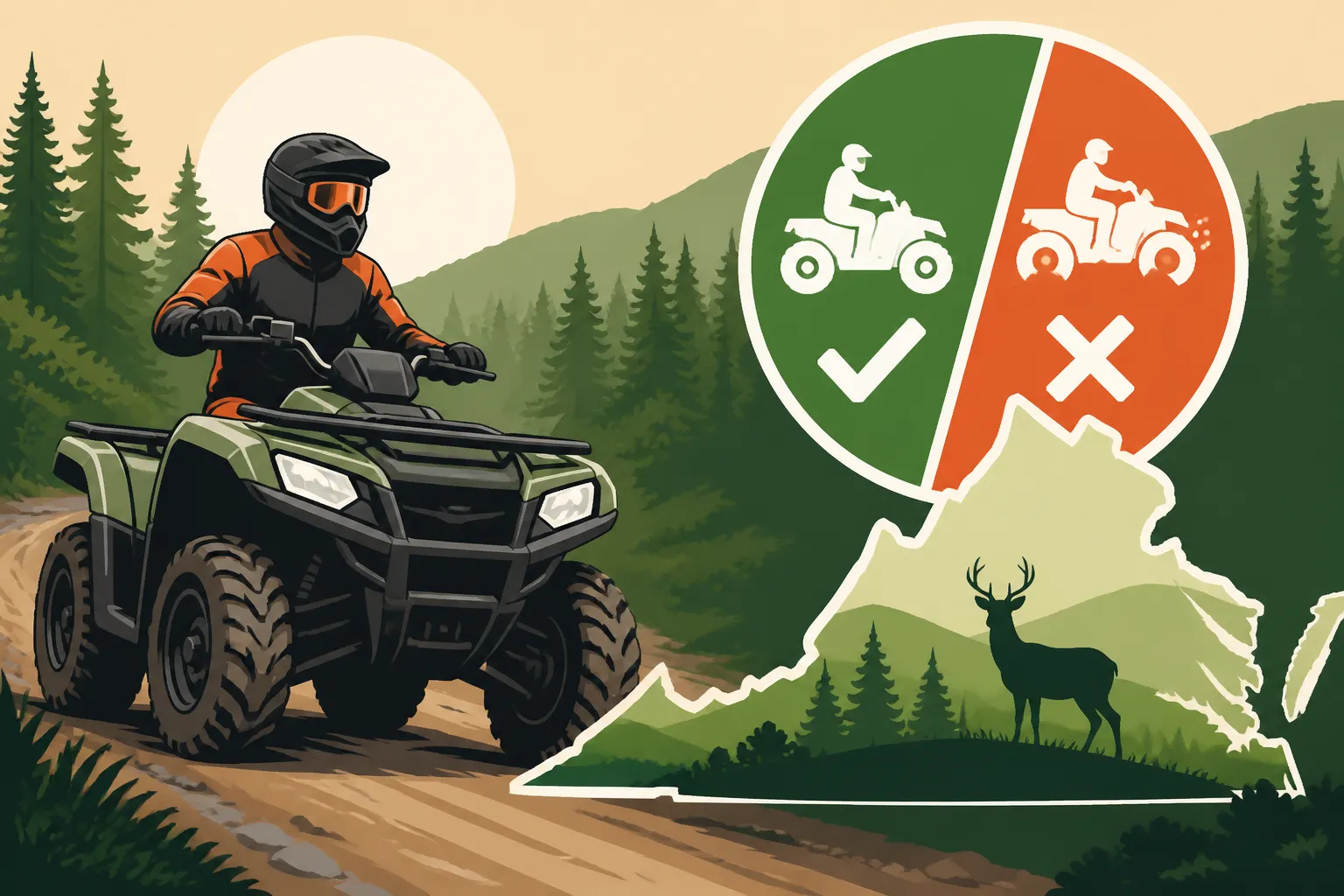
One of the biggest misconceptions I hear is that any "forest road" is open to ATVs. This simply isn't true on National Forest land. The U.S. Forest Service manages these lands, and they have very specific designations. Many roads are indeed open to highway-legal vehicles, but ATVs, UTVs, and other Off-Highway Vehicles (OHVs) are generally restricted to designated OHV trails. Think of it like this: your pickup truck can drive on a paved highway, but you wouldn't expect to drive it on a mountain bike trail. The same principle applies here for ATVs.
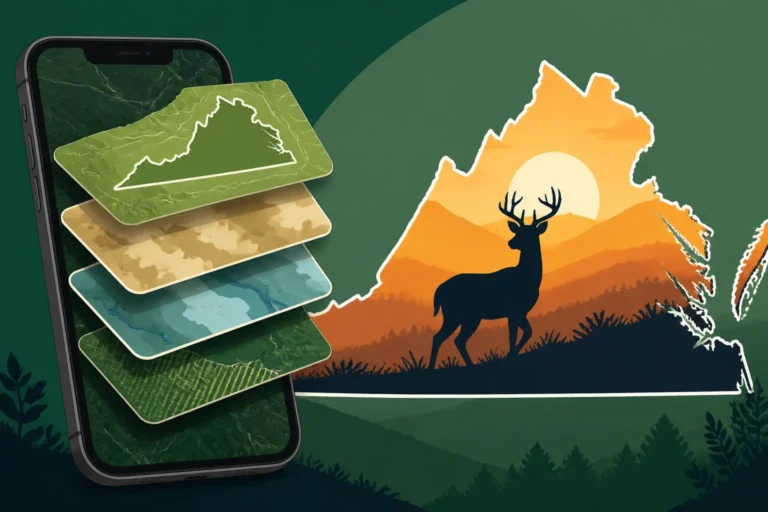
These designated trails are part of a larger system sometimes referred to as the "Motorized Travel Management" plan. The Forest Service spent years developing these plans to balance public access with resource protection. They publish Motor Vehicle Use Maps (MVUMs) that are the official guide to where you can legally drive any motorized vehicle, including your ATV. These maps are absolutely crucial, and you should always have the most current version for the area you plan to visit. I always keep a downloaded version on my phone and a printed copy in my truck – because cell service in the mountains is a luxury, not a given! Services like onX Hunt also integrate these MVUM layers, which can be incredibly helpful for planning.
Why the Strict Rules? Balancing Access and Conservation
It might feel overly restrictive at times, but these rules are put in place for several very good reasons. First and foremost is resource protection. Uncontrolled vehicle use can lead to erosion, damage sensitive habitats, disturb wildlife, and degrade water quality. Imagine every hunter driving their ATV wherever they pleased; the forest would be crisscrossed with deep ruts in no time.
Secondly, it's about minimizing user conflict. Hunters, hikers, mountain bikers, horseback riders, and even just folks out for a quiet walk all share these public lands. By clearly designating where motorized vehicles can and cannot go, it helps reduce conflicts and ensures a more enjoyable experience for everyone. Nobody wants their quiet morning walk through the woods interrupted by the roar of an ATV where it shouldn't be. Finally, safety is a huge factor. Designated trails are often designed and maintained to be safer for ATV use than unmarked, unmaintained forest roads which might have unexpected washouts, deep ruts, or fallen trees. It's a complex balancing act, and while it might sometimes feel like an inconvenience, these rules ultimately help preserve the hunting grounds we all cherish.
Navigating Specific Forest Road Regulations and Maps
Understanding that "forest roads" aren't all created equal for ATV users is the first step. The next is diving into the specifics of how to figure out what's what. This isn't always straightforward, and it requires a bit of homework before you even load up the quad. Trust me, a few minutes with a map at home beats a wasted trip or, worse, a citation.
The Importance of Motor Vehicle Use Maps (MVUMs)
If you're planning to use an ATV on National Forest land in Virginia, the Motor Vehicle Use Map (MVUM) is your bible. These maps are issued by each National Forest (or even individual Ranger Districts within a forest, like the Clinch Ranger District Deer Hunting or Mount Rogers Ranger District Bear Hunting areas) and are the definitive guide to legal motorized travel. They clearly delineate roads and trails that are open to wheeled motorized vehicles, including ATVs.
Here’s what you need to know about MVUMs:
- They show open routes, not closed ones. If a road or trail isn't explicitly marked as open on an MVUM, then it's closed to motorized use. This is a critical point: absence of evidence is evidence of absence in this case.
- They specify vehicle types. Some routes might be open to full-sized vehicles, while others are only open to OHVs (like ATVs/UTVs), and some may have seasonal restrictions. Pay close attention to the legend.
- They are updated frequently. Regulations can change, new trails might open, or old ones might close for maintenance or environmental reasons. Always get the most current version. You can usually find these on the U.S. Forest Service website for the specific forest you're visiting. Many hunters find it useful to overlay these MVUMs with their own scouting maps, often utilizing apps like onX Hunt or GoHunt which strive to keep their public land layers current.
For example, on the George Washington National Forest, you might find a robust system of roads open to highway-legal vehicles leading to trailheads, but very specific, limited loops designated for OHV use. Hunting George Washington National Forest is a big topic, and knowing the specific regulations for vehicle use is a key part of your planning.
Permit Requirements and Seasonal Restrictions
Beyond just knowing which trails are open, you might also encounter permit requirements. While a general hunting license allows you to hunt, a separate permit might be needed for OHV use on certain designated trails. This permit often comes with a small fee, which goes directly back into maintaining the OHV trail system. Always check with the specific National Forest or Ranger District for any such requirements.
Seasonal restrictions are also common. Many OHV trails are closed during certain times of the year, particularly during wet seasons to prevent excessive damage to the trails, or during specific wildlife management periods to minimize disturbance. You might find a trail open in the spring and fall but closed all winter. These closures are typically marked on the MVUMs and posted at trailheads. It's another reason why having the most up-to-date information is essential. A common scenario might be that you can drive your truck down a forest service road to a specific parking area, but then your ATV use is limited to a small, specific trail system from there.
Here's a quick reference for general motorized vehicle use on National Forests:
| Feature/Regulation | Open Forest Roads (Highway-Legal Vehicles) | Designated OHV Trails (ATVs/UTVs) | Undesignated/Closed Roads & Trails |
|---|---|---|---|
| Primary Use | Access, timber, recreation | Recreation, limited access | No motorized use |
| Vehicle Type | Licensed, highway-legal vehicles | ATVs, UTVs, dirt bikes (specific classes) | None |
| MVUM Designation | Solid black line with route number | Dashed line, often with specific symbols | Not shown, or marked as closed |
| Permit Required | Generally no | Often yes (OHV permit) | No (because no use) |
| Seasonal Closures | Less common, but can occur | Very common | Always effectively closed |
| Environmental Impact | Managed for stability | Managed for sustainability | Unmanaged/Sensitive |
| Enforcement | Forest Service, LEO | Forest Service, LEO | Forest Service, LEO |
Essential Gear and Responsible Riding Practices
When you finally get to a legal ATV trail in Virginia's national forests, it's not just about hitting the throttle. There's a responsibility that comes with operating these machines on public land, both for your safety and for the preservation of the resource. Thinking about your gear, your riding habits, and your impact is just as important as knowing the rules.
Safety Gear is Non-Negotiable
First and foremost, safety gear. This isn't just about avoiding a ticket; it's about protecting yourself. Virginia law requires helmets for ATV operators and passengers under 16, but honestly, everyone should wear one regardless of age. Beyond that, consider:
- Helmets: DOT-approved helmets are a must.
- Eye Protection: Goggles or a full-face helmet visor will keep dust, bugs, and branches out of your eyes.
- Gloves: Protect your hands from blisters, abrasions, and cold.
- Over-the-Ankle Boots: Offer crucial ankle support and protection from debris.
- Long Pants and Long-Sleeved Shirt: Protect against scrapes, sun, and insects. Blaze orange or pink is always a good idea, especially during hunting seasons. How Much Blaze Orange Virginia Requires is a key point here for hunters.
Beyond personal protective equipment, ensure your ATV is in good working order. Check tires, brakes, lights, and fluids before every ride. Carry a small toolkit, a first-aid kit, and enough water and snacks, especially if you're heading deep into the woods. A GPS device or a reliable mapping app like onX Hunt on your phone (with downloaded offline maps!) is also crucial for navigation and knowing exactly where you are in relation to designated trails and private land boundaries.
Staying on Designated Trails and Minimizing Impact
This goes hand-in-hand with the MVUMs we discussed earlier: stay on designated trails. Seriously, it's the most important rule. Riding off-trail causes erosion, damages vegetation, and disturbs wildlife. It also creates "user-created trails" that can confuse other users and lead to further resource degradation. These trails are often marked with brown signs and numbered posts. If you don't see a sign, don't assume it's an open trail.
Minimize your impact in other ways too:
- Respect speed limits: Most forest roads and trails have posted speed limits. Even if they don't, slow down around blind corners, near campgrounds, or whenever you encounter other users.
- Yield to others: Hikers, mountain bikers, and horseback riders generally have the right of way. Be courteous, slow down, and offer a friendly wave.
- Pack it in, pack it out: Don't leave any trash behind. This includes spent casings, food wrappers, and anything else you brought with you.
- Respect wildlife: Don't chase or harass animals. If you encounter wildlife, slow down or stop and allow them to pass safely. Virginia Deer Herd Size is significant, and minimizing disturbance helps maintain healthy populations.
Trail Etiquette and Encountering Other Users
Hunting on public land means sharing the space. When you're on an ATV, you're often more visible and audible than other users, so practicing good etiquette is key to being a good steward of the land and a respectful hunter. This is especially true when you might be accessing areas that others are using for quieter pursuits.
Imagine you’re Hunting a Green Field Planted for Deer and an ATV zips by. It can be jarring. So, when you see other forest users:
- Slow Down and Be Prepared to Stop: Reduce your speed significantly as you approach hikers, horseback riders, or even other motorized users.
- Turn Off Your Engine (if safe): If you encounter horses, it's often best to turn off your engine and allow them to pass. Sudden engine noises can spook horses and create a dangerous situation for the rider. Always ask the rider what they prefer if you're unsure.
- Give Plenty of Space: Pass with a wide berth, especially when visibility is limited.
- Be Polite: A friendly nod or wave goes a long way. We're all out there to enjoy the outdoors.
Being mindful of noise is also important, particularly during sensitive times like early morning or late evening when wildlife is most active, or when hunters might be trying to call in game. While ATVs are inherently noisy, responsible use means being aware of your surroundings and choosing your travel times wisely. Many hunters use ATVs simply to get to a remote parking spot and then walk a significant distance to their hunting location, minimizing the impact of engine noise on the immediate area.
Penalties, Safety, and Future Considerations
Ignoring ATV rules on Virginia's National Forest roads isn't just a minor infraction; it can lead to significant penalties, jeopardize your hunting privileges, and even put you and others at risk. Understanding the consequences and embracing ongoing safety and land stewardship practices are vital for ensuring these access opportunities remain available for future generations of hunters.
Consequences of Non-Compliance
Operating an ATV illegally on National Forest land can result in a range of penalties. Federal law enforcement officers, including Forest Service Rangers, have the authority to issue citations. These can include:
- Fines: Fines can range from a few hundred dollars to several thousand, depending on the severity of the offense and any damage caused.
- Vehicle Impoundment: In serious cases, your ATV could be impounded.
- Reimbursement for Damages: If your illegal riding causes damage to natural resources or infrastructure, you could be held financially responsible for restoration costs.
- Loss of Hunting Privileges: Violations of federal land use regulations can, in some cases, lead to the suspension of hunting or other recreational permits on federal lands. This could also impact your ability to apply for Virginia Quota Hunt Application Window opportunities in the future.
- Criminal Charges: In extreme cases, particularly those involving reckless endangerment or significant environmental damage, criminal charges could be filed.
These aren't just theoretical possibilities; they happen. Law enforcement takes these regulations seriously because the health of the forest and the safety of all users depend on them. It's simply not worth the risk to cut corners or ignore the rules.
Staying Updated and Being an Advocate for Responsible Access
The landscape of public land regulations is always subject to change. New management plans might be implemented, new areas might open or close, and even technology might influence how we access these lands. It's crucial for ATV users, especially hunters who rely on these machines for access, to stay informed.
- Regularly Check MVUMs: As mentioned, these are your primary resource. Before each season or before exploring a new area, download the latest maps.
- Follow Forest Service News: The local Ranger District offices often have websites or social media pages where they post updates on trail conditions, closures, and new regulations.
- Join OHV Clubs: Many organized OHV clubs are active in advocating for responsible access and maintaining trails. They often have the most up-to-date information and can be a great resource for learning about new opportunities or changes.
- Support Conservation Efforts: A portion of the fees from OHV permits often goes directly back into trail maintenance and management. By complying with regulations and purchasing permits, you're directly contributing to the sustainability of these resources.
By staying informed and acting as responsible stewards, we can help ensure that access for ATVs on designated forest roads and trails remains a viable option for hunters and other outdoor enthusiasts. Your actions directly reflect on the entire ATV community, and promoting responsible use helps to maintain a positive relationship with land managers and other user groups. Whether you're using your ATV to get to a remote treestand or to scout for Where George Washington Forest Bucks Bed, doing so responsibly is paramount.
Disclaimer
This article is for general informational purposes only and does not constitute professional advice. Laws, prices and regulations vary by location and change over time. Consult a qualified professional for guidance on your specific situation.