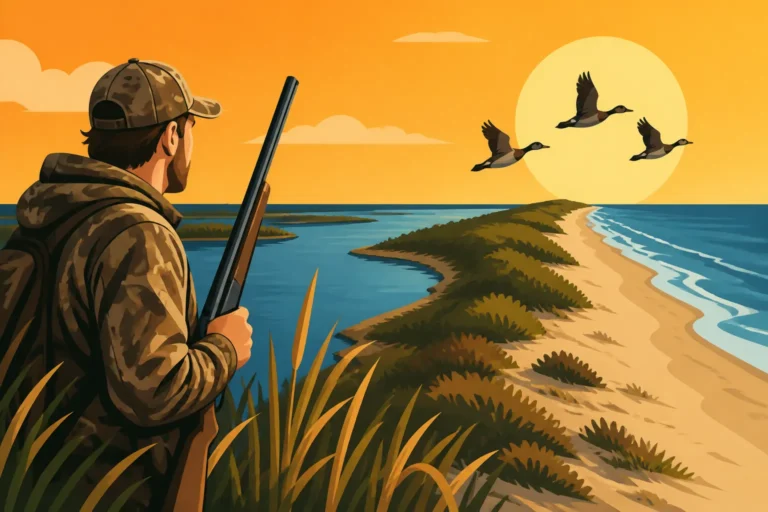
Presquile Refuge Deer Quota Hunts
For many Virginia hunters, the thought of finding a truly unique, low-pressure deer hunting experience feels like searching for a needle in a haystack. Public lands can often feel crowded, and securing private land access is a constant challenge. However, tucked away in the James River, Presquile National Wildlife Refuge offers a distinct opportunity through its limited-entry deer quota hunts. These hunts provide a different kind of challenge and a chance to experience deer hunting in a controlled, conservation-focused environment, but understanding the specific application process, rules, and strategies is absolutely crucial to even getting your foot in the door, let alone being successful. This guide will walk you through the ins and outs of securing and preparing for a Presquile Refuge deer quota hunt.
Understanding Presquile National Wildlife Refuge Deer Quota Hunts
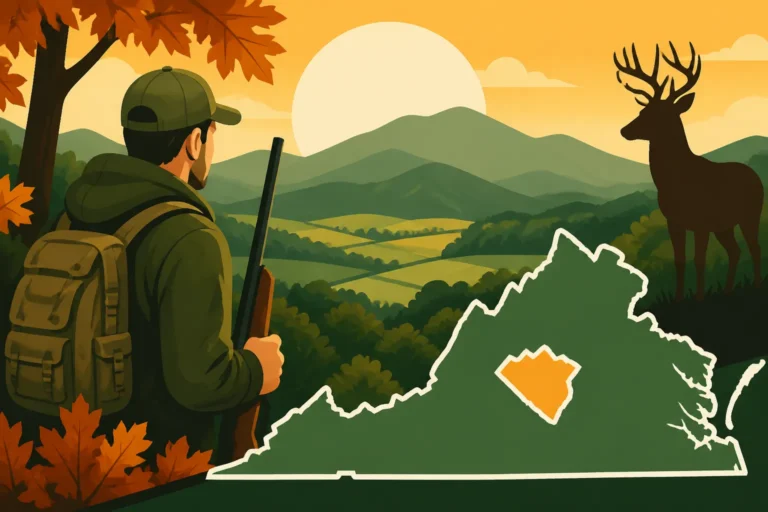
Presquile National Wildlife Refuge isn't your everyday patch of public hunting ground. This unique island refuge, nestled in the James River in Chesterfield County, was established specifically for migratory birds and other wildlife. Over the years, like many refuges, it's found itself needing to manage deer populations to protect sensitive habitat and ensure the health of the deer herd itself. This is where the special quota hunts come into play.
The Purpose of Limited-Entry Hunts
The primary goal of the deer quota hunts at Presquile is rooted in conservation. An overpopulation of deer can have devastating effects on the island's ecosystem, from over-browsing vegetation crucial for other species to increasing the risk of disease within the deer herd. By offering limited-entry hunts, the U.S. Fish and Wildlife Service, in cooperation with the Virginia Department of Wildlife Resources (DWR), can strategically manage deer numbers. This isn't just about reducing deer; it's about maintaining a healthy balance that benefits all wildlife on the refuge. For hunters, it offers a chance to participate in direct conservation efforts while pursuing an exciting hunt. These hunts are a carefully calibrated tool, not just a recreational activity, which is why the rules are so stringent.
What Makes Presquile Unique for Hunters
Hunting on Presquile is a far cry from stalking timber in the mountains or sitting a field edge in the Piedmont. Being an island, the dynamics are entirely different. Deer behavior is often influenced by the surrounding water, creating natural boundaries and funnel points. The limited number of hunters allowed means less pressure, but also means the deer can behave in ways you might not expect from heavily hunted areas. Access to the island is also highly controlled, usually requiring a boat shuttle provided by the DWR or other approved means, which adds another layer of planning and logistics. This isolated environment offers a true wilderness feel, even though it's relatively close to urban centers. The challenge isn't just finding a deer, but understanding how they live and move within this confined, unique landscape.
Navigating the Application Process for Presquile Quota Hunts
Getting a spot on a Presquile Refuge deer quota hunt is a competitive process, primarily managed through a lottery system. It requires diligence and attention to detail, as missing a deadline or overlooking a requirement will quickly take you out of the running.
Where and When to Apply
All applications for special quota hunts in Virginia, including those at Presquile National Wildlife Refuge, are handled through the Virginia Department of Wildlife Resources (DWR) Go Outdoors Virginia system. This is your one-stop shop for all things licensing, permits, and special hunt applications. While other platforms like GoHunt can provide general information or research on hunting opportunities, the actual application must go through the DWR portal.
The application window for Presquile hunts typically opens in the late summer or early fall. It’s absolutely critical to pay close attention to the DWR's announcements for these specific dates, as they can shift slightly from year to year. Setting a reminder on your phone or marking your calendar the moment the dates are released is a smart move. There's no late entry, and these draws are highly sought after, so don't miss out!
Understanding the Lottery and Required Licenses
Since the number of available hunting slots is extremely limited to maintain the refuge's management goals, the DWR employs a lottery system to select participants. Your chances of being drawn can vary widely depending on the number of applicants. It often takes several years of applying before your name might finally be pulled, so patience and persistence are key. Don't get discouraged if you don't get drawn the first time; many successful applicants have applied for years before receiving a permit.
Before you can even apply for a Presquile quota hunt, you'll need to ensure you have the appropriate Virginia hunting licenses in place. This includes a valid Virginia hunting license and a Virginia big game license. If you're planning on using archery equipment, you won't need an archery-specific stamp, but if it's a muzzleloader hunt, a muzzleloader license is usually required in addition to the big game license. Always double-check the specific requirements for the year you are applying. You can find more detailed information on general licensing requirements in our guide on Virginia Hunting Licenses and What They Cost and further specifics for larger game in Virginia Big Game License Requirements.
Quota Hunt Application Snapshot
| Feature | Detail | Importance |
|---|---|---|
| Application Portal | Go Outdoors Virginia (DWR Website) | Mandatory for all applications; no third-party platforms for actual application |
| Application Window | Typically late summer/early fall (check DWR for exact dates) | Strict deadlines; missing it means no hunt for the year |
| Selection Method | Lottery System | Highly competitive; expect to apply multiple years before being drawn |
| Required Licenses | Valid Virginia Hunting License, Virginia Big Game License, (Muzzleloader if applicable) | Must be current before applying; specific hunt type may dictate additional needs |
| Pre-hunt Briefing | Often mandatory on-site before the hunt begins | Crucial for understanding refuge-specific rules and safety protocols |
Preparing for a Successful Presquile Deer Hunt
Once you've secured a coveted spot in a Presquile quota hunt, the real preparation begins. These hunts require careful planning, not just for the hunt itself, but for the unique logistics of an island environment.
Scouting and Using Mapping Tools
Pre-hunt scouting on Presquile is often extremely limited, if allowed at all, due to the refuge's sensitive nature and controlled access. This means you’ll need to rely heavily on remote scouting techniques. Satellite imagery and topographic maps are your best friends here. Tools like onX Hunt are invaluable for this purpose, allowing you to examine the island's contours, vegetation types, and potential travel corridors from your couch. Look for pinch points created by water, dense cover, or changes in elevation. Identify areas with varied vegetation that might offer diverse food sources. Reading Aerial Photos for Piedmont Deer can give you some great foundational knowledge that applies perfectly to this kind of remote scouting.
Imagine the island as a miniature continent, with its own "ridges," "hollows," and "swamps." Deer will still follow the path of least resistance, seeking thermal cover in colder weather or bedding in thickets. Using onX Hunt, you can mark potential stand locations, exit routes, and areas you want to investigate once you're on the ground. Think about how deer will move from bedding to feeding areas, especially considering the water as a barrier rather than just a boundary.
Essential Gear for Island Hunting
The gear you pack for Presquile needs to be practical, mobile, and considerate of the unique environment. Since vehicular access for hunters is typically prohibited on the island itself, everything you bring in, you'll be carrying on your back.
- Footwear and Clothing: Expect varying terrain, from swampy lowlands to higher, drier ground. Waterproof boots that offer good support are non-negotiable. Layered clothing is always wise in Virginia, allowing you to adapt to changing temperatures throughout the day. Consider durable, quiet outer layers for still-hunting through thick cover.
- Weapon and Ammunition: The refuge typically dictates weapon type, often limiting it to archery or muzzleloader. Ensure your chosen weapon is sighted in and you're proficient with it. For muzzleloaders, bring ample powder, primers, and projectiles, and ensure they are kept dry. For archery, broadhead choice is critical for quick, clean kills, as tracking on an island can be challenging. You'll want to review Crossbow Rules During Virginia Archery Season if you plan to use one, as regulations can vary.
- Navigation: While you might have scouted with onX Hunt, having a reliable GPS unit or a fully charged phone with offline maps is essential. Getting turned around on an unfamiliar island, especially in low light, is a real possibility.
- Game Retrieval: This is a big one. You won't be driving a truck to your downed deer. You'll need to plan for either dragging the animal out to a designated pick-up point or quartering it in the field. Game bags and a quality field dressing knife are vital. Consider a deer drag or a portable game cart if allowed. For insights into field processing, check out Meat Care Gear for Virginia Hunters.
- Water and Food: Pack enough water and snacks for your entire hunt, as there are no facilities on the island.
- Safety Gear: A small first-aid kit, flashlight/headlamp, and signaling device are always good ideas. Remember, blaze orange or pink requirements usually apply even during archery seasons when walking to and from your stand, so be sure you understand How Much Blaze Orange Virginia Requires for your hunt dates.
Refuge-Specific Rules and Expectations
Upon being drawn, you'll likely receive detailed information from the DWR or the refuge directly regarding specific rules, dates, and mandatory check-in procedures. There's often a mandatory hunter orientation or safety briefing where staff will outline boundaries, allowable zones, legal deer, and retrieval protocols. Pay extremely close attention to these briefings; violating refuge rules can result in penalties and loss of hunting privileges. Understanding Virginia Antlerless Deer Requirements is also crucial, as antlerless harvest is often a key part of the refuge's management strategy. These hunts are strictly managed, and maintaining a high standard of ethical hunting is expected from all participants. Remember, these are not just hunting trips, but part of a larger wildlife management plan.
Tactics and Strategies for Hunting Presquile Deer
Hunting an island presents unique tactical challenges and opportunities. Deer behavior on Presquile can differ significantly from mainland deer, requiring hunters to adapt their usual strategies.
Understanding Island Deer Behavior
Deer on Presquile, while likely less accustomed to human pressure than those on some public lands, are still wild animals. The limited space means they often have a more intimate knowledge of their surroundings and utilize every nook and cranny for cover and movement. Expect them to use thickets, overgrown edges, and even marshy areas as bedding and escape routes. They've learned the boundaries of their world, and while they can swim, they generally prefer to stay on dry land. This creates natural funnels where the land narrows, or where dense vegetation forces them along specific paths. They might also be more patternable in their daily movements due to less disturbance. Understanding these inherent island dynamics is key to predicting their movements.
Locating Deer: Focus on Pinch Points and Travel Corridors
With the surrounding water acting as a giant boundary, deer movement on Presquile will naturally be funneled. Your remote scouting with tools like onX Hunt should help you identify these pinch points. Look for narrow strips of land, points extending into the water, or areas where dense, unhuntable cover forces deer into more open, accessible lanes. Creek bottoms, subtle changes in elevation, or the edges of dense cedar thickets can also serve as excellent travel corridors.
- Food Sources: Identify primary food sources available during your hunt period. This might include acorns, soft mast, or browse. Deer will gravitate towards these areas.
- Bedding Areas: Look for thick, secure cover that offers protection from the elements and a sense of safety. These could be dense stands of pines, briar patches, or overgrown marsh edges.
- Connecting the Dots: The most effective strategy involves identifying the paths deer take between bedding and feeding areas, especially where those paths are restricted by the island's geography. Setting up on these travel corridors, especially during morning and evening movements, can significantly increase your odds. Our general guide on Scouting Virginia Public Land Before Season offers principles that can be adapted to this island environment.
Treestand and Ground Blind Considerations
The choice between a treestand and a ground blind often comes down to personal preference and the specific cover you find. Both have their advantages on Presquile.
- Treestands: A mobile treestand or saddle setup can be very effective, allowing you to get above a deer's line of sight and scent. Look for mature trees along identified travel corridors or overlooking natural funnels. Portability is paramount, as you'll be carrying everything in. Make sure you understand and adhere to any refuge-specific rules regarding stand placement, especially if temporary stands are allowed or if screw-in steps are prohibited. While the environment is different, the principles outlined in Treestand Setups in George Washington National Forest can provide helpful context for safety and placement.
- Ground Blinds: If suitable trees are scarce or the cover is particularly dense, a ground blind can be an excellent option. Brushing it in well to break up its outline is crucial. Ground blinds offer comfort and concealment, especially in areas where deer are less accustomed to elevated hunters. Consider pop-up blinds for quick setup. Learn more about effective deployment in Using a Ground Blind on Virginia Public Land.
No matter your choice, scent control remains important, especially in a confined environment where wind currents can be tricky. Pay attention to the wind direction and thermals, even on relatively flat ground.
Shot Placement and Tracking on an Island
With water as a constant boundary and potentially limited access for tracking, making a precise shot is paramount. A wounded deer that makes it to the water or into impenetrable marsh can be incredibly difficult, if not impossible, to recover.
- Practice: Ensure you're highly proficient with your weapon at various distances, practicing from both elevated positions (if using a treestand) and from the ground.
- Wait for the Right Shot: Be patient. Only take a shot when you are confident it will be lethal and the deer is broadside or slightly quartering away. Avoid risky shots that could wound an animal.
- Tracking Challenges: If a deer is hit, note the exact location of the shot and where the animal was last seen. Mark the spot with flagging tape or a GPS waypoint. Begin tracking slowly and carefully. The unique habitat can make Tracking a Deer Through Virginia Leaf Litter challenging, especially in dense undergrowth. If daylight is fading, consider the challenge of Blood Trailing After Dark in Virginia and plan accordingly, perhaps coordinating with refuge staff if a recovery might extend into prohibited hours.
A Presquile Refuge deer quota hunt is a truly special opportunity. It demands thorough preparation, respect for the rules, and a deep understanding of unique island dynamics. By planning ahead and applying sound hunting principles, you can make the most of this exceptional Virginia hunting experience.
Disclaimer
This article is for general informational purposes only and does not constitute professional advice. Laws, prices and regulations vary by location and change over time. Consult a qualified professional for guidance on your specific situation.