Finding Ground That Sees Fewer Hunters
It can be incredibly disheartening to dedicate time and energy to scouting, only to arrive on opening day or a prime weekend morning and find truck after truck lined up along the public land boundary. We've all been there, feeling the punch to the gut as prime hunting spots are already occupied, leading to less natural deer movement and a frustratingly quiet hunt. This guide is all about sharing realistic, hard-won wisdom on how to locate those elusive patches of Virginia public land that see far less hunter traffic, helping you find success away from the crowds.
The Frustration of Hunting Pressure in Virginia
There’s a common lament among Virginia hunters: "Public land is just too crowded." And honestly, it’s a valid feeling. With a passionate hunting community and finite public access, it often feels like you're constantly competing for space, especially during peak seasons like the general firearms opener or the heart of the rut. This isn't just a minor inconvenience; it fundamentally alters the hunting experience and the behavior of the game we pursue.
Why Hunter Pressure is a Real Problem
Imagine waking up before dawn, the air crisp, and your heart thumping with anticipation. You slip into the woods, navigating by headlamp, only to see another hunter's light bobbing just ahead of you. Or worse, you settle into your stand overlooking a promising bottleneck, only to hear voices and rattling sticks in the distance as another group walks through. This isn't just about sharing the woods; it’s about the direct impact on deer, turkeys, and bears. When deer encounter constant human presence, they change their patterns. They become more nocturnal, moving primarily under the cover of darkness. They learn to associate vehicle noise, human scent, and even specific times of day with danger. The natural curiosity or consistent movement that might make them vulnerable in unpressured areas simply vanishes, replaced by hyper-vigilance.
The competition for prime spots can feel intense. Popular Wildlife Management Areas (WMAs) and easily accessible sections of the George Washington National Forest or Jefferson National Forest often bear the brunt of this pressure. On opening weekends, parking areas can overflow, and it can feel like you're hunting in a patchwork quilt of other hunters' scent cones and calling sequences. This level of disturbance makes a challenging endeavor even more so, forcing us to adapt or face consistently quiet hunts.
The Impact on Deer and Other Game
Hunter pressure has a profound, measurable effect on game animals. For white-tailed deer, the most commonly pursued species in Virginia, this often means retreating to the thickest, nastiest cover they can find. A mature buck, especially, will often seek out dense pine stands, overgrown clear-cuts, or remote swamp edges where human intrusion is minimal. You might find great sign—rub lines, scrapes, tracks—in an accessible oak flat, only to discover it's all nocturnal movement because the deer have learned to bed down in an impenetrable thicket just a few hundred yards away during daylight hours.
This behavioral shift isn't limited to deer. Turkeys become wary of traditional strutting grounds near roads, preferring to pitch down from the roost into dense creek bottoms or hidden fields that see no human traffic. Bears, too, will adjust their feeding patterns and bedding areas to avoid high-traffic zones, often moving into areas of extreme elevation or dense rhododendron thickets. The challenge then becomes not just finding game, but finding game that is acting naturally and isn't already on high alert from previous encounters. They often retreat to cover, leaving areas that look productive empty during legal hunting hours. This is why understanding Hunting Pressure on Virginia Public Land is so vital for success.
Understanding Hunter Behavior and Patterns
To find ground that sees fewer hunters, you first need to understand where most hunters go. It’s not about judging anyone’s preferred hunting style, but rather about predicting where the majority will gravitate so you can consciously choose a different path.
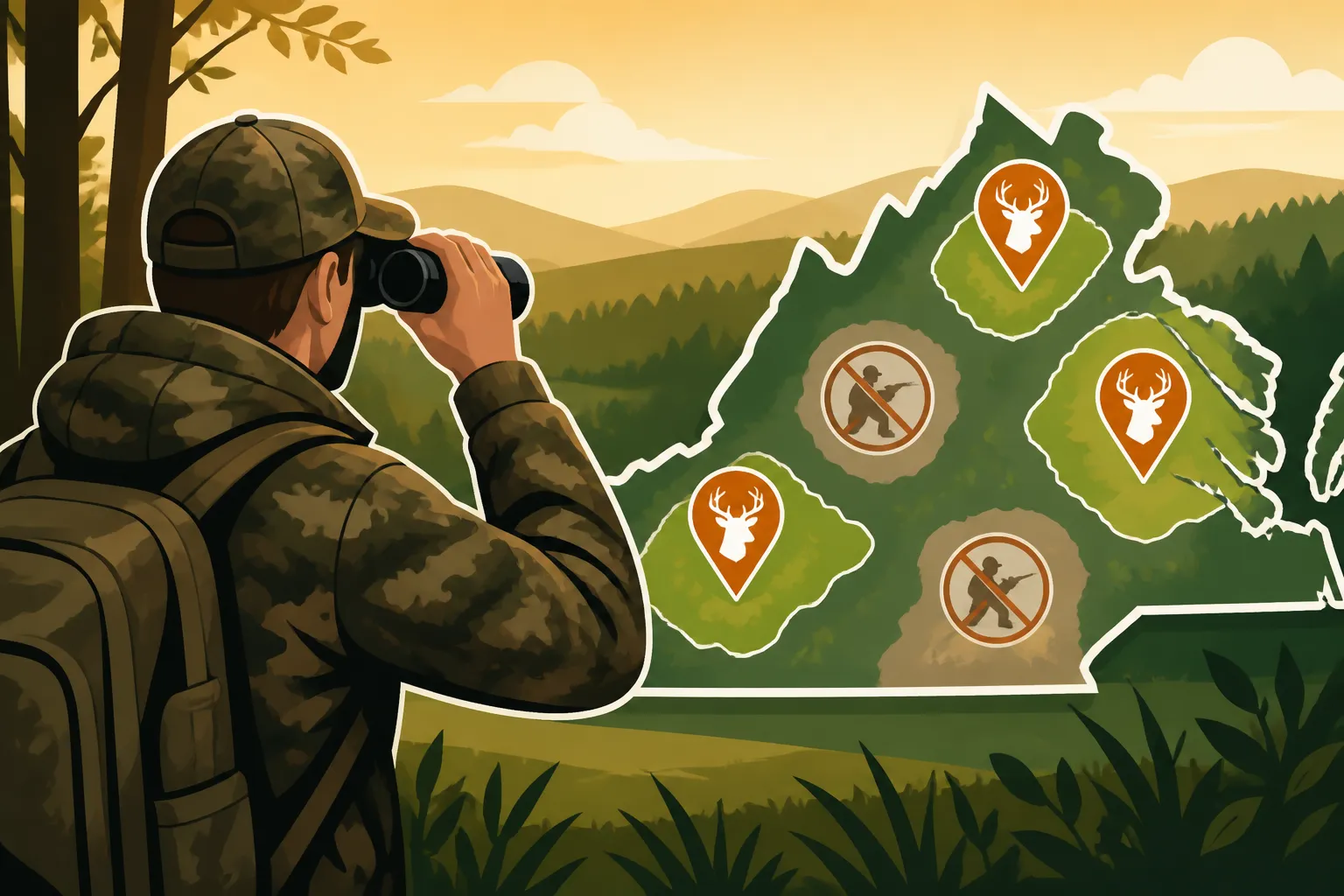
Where Most Hunters Go and Where They Don't
Let's be honest, we're all looking for convenience to some extent. Most hunters tend to stick close to established access points: parking lots, forest service roads, logging roads, and well-worn trails. There’s a widely accepted, though not always accurate, "half-mile rule" that suggests most hunters don't venture more than half a mile from a road or parking area. While this can be a good starting point, some public land warriors certainly go further. However, the density of hunters almost always drops off significantly the deeper you get into the woods and the further you move from an easy-to-access spot.
Consider a popular WMA entrance or a specific gate in the National Forest. The first several hundred yards in any direction from that point will likely be saturated with hunters. Stands will be set up, ground blinds brushed in, and game will be acutely aware of the human scent and noise. To find unpressured game, you often need to think about what constitutes a difficult or unappealing walk for the average hunter. This might mean bypassing the obvious entry points, or, if you must use them, planning a route that takes you perpendicular to the common pathways, perhaps over a steep ridge or through a dense laurel thicket. This is where knowing How Far to Walk From a Forest Road can really pay off.
Time of Day and Week
The timing of your hunt plays a massive role in encountering other hunters. The general firearms opener in Virginia, especially the first weekend, is practically a holiday for many. Expect crowds, noise, and deer on high alert. Similarly, every Saturday during deer season, regardless of method, will see a significant influx of hunters. If you can hunt during the week, especially Tuesday through Thursday, you'll immediately cut down on the competition. Fewer people have the flexibility to take off work, and those who do often prefer Friday or Monday for a longer weekend hunt.
Beyond the day of the week, consider the time of day. Most hunters are out at first light and last light, these being the prime movement periods for deer. While you should absolutely be in your stand during these times, consider the mid-day hours. Many hunters will head back to camp for lunch, warm up, or simply call it a day if the morning was slow. This mid-day lull can be a golden opportunity. Deer, especially pressured ones, might use this window to stretch their legs and move through cover between bedding areas. A committed all-day sit, or strategically still-hunting during these quieter hours, can put you on deer that other hunters have dismissed.
Strategies for Finding Unpressured Public Land
So, how do we actually find these less-pressured spots? It takes a combination of diligent scouting, a willingness to work harder, and a keen eye for terrain features that most others overlook.
Scouting the "Hidden" Spots
This is where the real work, and often the real reward, comes in. Before you ever step foot in the woods with your hunting gear, you should be pouring over maps and aerial photos. Topographic maps reveal elevation changes, steep ridges, and hidden saddles that can funnel deer but deter hunters. Aerial imagery, especially high-resolution versions available on mapping apps, can show you incredibly detailed habitat features: small thickets, hidden creek bottoms, benches on steep hillsides, or dense stands of conifers that don't look appealing from the road. Reading Aerial Photos for Piedmont Deer is a critical skill here.
Look for areas where terrain creates a natural barrier. Maybe it's a deep, winding creek that requires a difficult crossing, or a section of mountainous terrain so steep and rugged that most hunters simply won't bother. These "naturally protected" zones are often where unpressured deer will gravitate. Pay attention to changes in forest type – a transition from open hardwoods to a dense pine plantation, or a remote section of unlogged timber, can offer sanctuary. You'll want to be doing your Scouting Virginia Public Land Before Season to identify these nuances.
Once you’ve identified potential spots on your map, it’s time for boots on the ground. Walk those difficult creek bottoms, climb those steep ridges, and push through those thickets. You might be surprised to find fresh sign – big rubs, active scrapes, or well-worn trails – in places you'd never expect. Remember, the harder it is for you to get there, the less likely other hunters are making the same effort. When you’re on the ground, don’t just look for deer sign; look for human sign. Old flagging tape, discarded water bottles, established shooting lanes from a ground blind – these tell-tale signs are often more important than deer tracks in determining hunting pressure.
Going Deeper and Harder
This might sound obvious, but it's fundamentally true: the further you walk from an accessible road or parking area, the less likely you are to encounter other hunters. This means being prepared for a serious hike. Consider packing lighter, investing in good quality, comfortable boots, and being in reasonable physical shape. A two-mile walk into a remote corner of the National Forest might feel daunting in the dark, but it could put you in a spot where deer are moving naturally and haven't heard a truck door slam all season.
Sometimes, "going harder" doesn't just mean distance, but overcoming obstacles. This could involve crossing a stream with a sturdy pair of waders, pushing through dense mountain laurel thickets that most people avoid, or navigating areas with heavy blowdowns. These natural deterrents often create pockets of less-pressured habitat. The deer use these areas as security cover, and if you’re willing to put in the effort to reach them, you’ll often find them more relaxed and active during daylight hours. A good example of this might be finding deep-woods bedding areas like Where George Washington Forest Bucks Bed.
Focusing on Overlooked Habitat
Many hunters focus on food sources like oak flats or planted green fields. While these are certainly important, pressured deer often feed after dark in these areas and bed in places that offer maximum security. To find less-pressured deer, sometimes you need to focus on overlooked bedding and travel cover.
Think about dense pine plantations. While not always picturesque, these areas can be incredibly thick and offer fantastic thermal and security cover for deer, especially during cold weather or when pressure is high. Many hunters avoid them because they're difficult to walk through and visibility is limited. But if you can find deer trails cutting through them, or a small pocket of hardwoods within a pine block, you're onto something. Similarly, Hunting a Clear-Cut Regrowth Edge can be incredibly productive. These areas, typically 5-15 years post-cut, are often a tangled mess of briars, saplings, and downed timber – perfect for deer to hide and browse, but a nightmare for hunters to navigate.
Don't discount low-lying, wet areas either. Swamps, marsh edges, and creek bottoms, particularly in the Piedmont and Eastern Shore, often hold deer that are trying to escape pressure. These areas can be buggy, wet, and challenging to hunt, which means fewer hunters bother with them. But during rifle season, a thick swamp can be a sanctuary. Look for islands of dry ground within these wet areas where deer might bed. Hunting Tidewater Swamp Edges can be a surprisingly effective tactic for finding unpressured deer.
Leveraging Technology and Local Knowledge
In today's hunting world, we have tools at our fingertips that our grandfathers could only dream of. When combined with old-fashioned woodsmanship and local insights, technology can be a game-changer for finding those elusive quiet spots.
Using Mapping Apps to Your Advantage
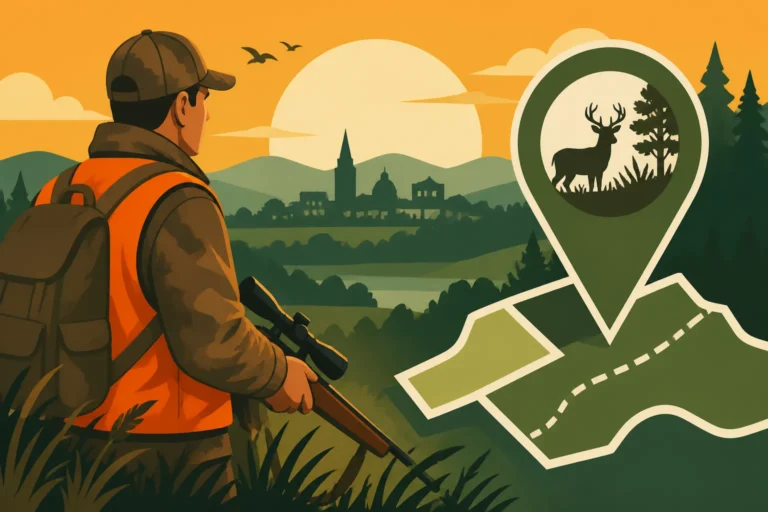
Modern mapping applications like onX Hunt and GoHunt are indispensable for serious public land hunters. These apps overlay public and private land boundaries, topography, and various aerial imagery options right on your phone or GPS device. This allows you to:
- Identify Remote Access: Find small, obscure pull-offs or unmaintained forest roads that aren't on main maps and may lead to less-used sections of public land.
- Pinpoint Terrain Features: Easily locate steep ravines, hidden benches, or fingers of timber extending into fields – all features that deer use for travel and security, and that often deter casual hunters.
- Study Water Features: Identify creek crossings, beaver ponds, or marshy areas that might create natural barriers to human travel, but funnel deer.
- Visualize Habitat Changes: Switch between different aerial imagery layers (summer vs. winter, satellite vs. topo) to see changes in canopy, clear-cuts, or dense thickets. This can help you understand Finding Sign in Big Jefferson Forest Timber from your couch.
- Track Your Own Movement: Mark your entry and exit points, record your tracks, and drop pins on significant deer sign, allowing you to learn from each trip and refine your strategy for the next. This is invaluable, especially if you're in an area where Using Go Outdoors Virginia Without Cell Service is a concern.
By using these tools, you can virtually scout areas for hours, identifying potential pinch points, bedding areas, and travel corridors that are a significant distance from any easily accessible roads or trails. You can look for patterns that suggest deer are moving through less-pressured routes, rather than crossing open areas or well-traveled paths. Don’t forget to check the specific rules for Treestand Rules on Virginia Public Land or Using a Ground Blind on Virginia Public Land when you scout your spots.
The Value of Local Intel and Patience
While mapping apps are fantastic, they can't replace old-fashioned observation and local knowledge. This doesn't mean asking other hunters for their secret spots (they won't tell you, and you shouldn't ask!), but rather observing patterns over time. Notice where vehicles are not parked. Pay attention to areas that look less appealing on a map but might hold hidden gems due to subtle terrain features or unique habitat.
Sometimes, the best spots are the ones that "look bad" on paper or seem too difficult to reach. It might be a small, isolated woodlot surrounded by open fields that most people drive past, or a tangled riparian zone along a creek that doesn't scream "deer highway." Patience is key. Spend time just observing. Watch field edges from a distance during the off-season. Drive less-traveled roads at dawn and dusk, noting where deer might be crossing or emerging. Over time, you'll start to build a mental map of where deer are generally less disturbed.
Talking to non-hunters who spend time in the woods – hikers, birdwatchers, even park rangers – can sometimes offer valuable, albeit indirect, clues about animal movement. They might not know about deer, but they can tell you about remote sections of a trail that are rarely used, or where certain types of habitat are particularly thick. And always remember the importance of natural elements; knowing about Wind and Thermals on a Blue Ridge Slope can tell you where a buck might bed or move without getting busted, irrespective of hunter pressure.
Ultimately, finding ground that sees fewer hunters is about thinking differently, working harder, and leveraging every tool at your disposal. It's a challenging pursuit, but the reward of an unpressured hunt and naturally moving game is truly priceless.
Disclaimer
This article is for general informational purposes only and does not constitute professional advice. Laws, prices and regulations vary by location and change over time. Consult a qualified professional for guidance on your specific situation.