Clothing for a Virginia Late Season
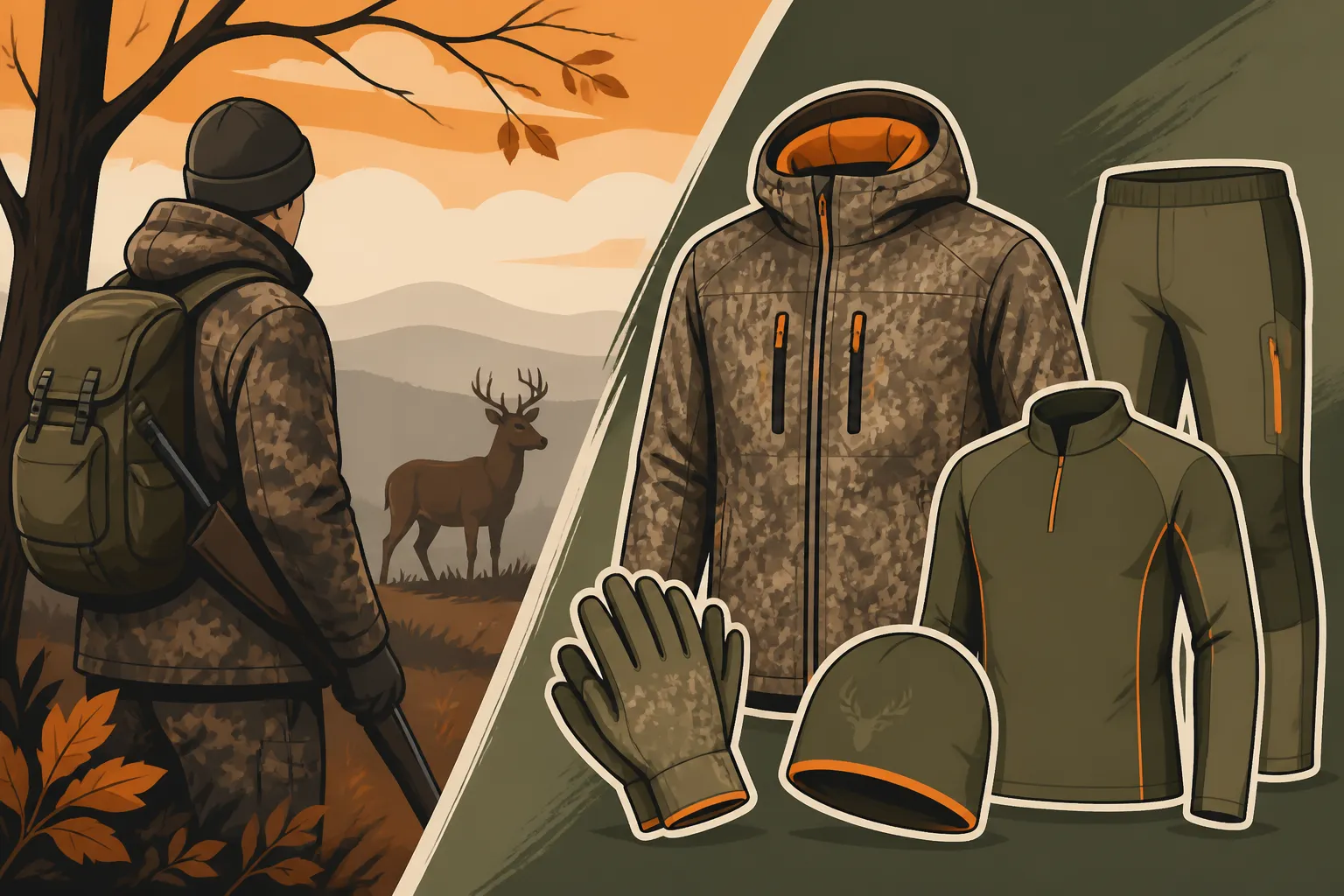
There's nothing quite like the crisp, biting air of a Virginia late season hunt, but it can also be brutally unforgiving if you're not prepared. That raw chill that seeps into your bones, the unexpected sleet that turns to snow, or the bone-chilling wind whipping across a ridge – these are the realities we face. This guide is all about helping you conquer those conditions, keeping you warm, dry, and comfortable so you can stay in the stand longer and focus on the hunt, not the shivers.
The Unique Challenges of Virginia's Late Season Weather
Virginia's late hunting season, typically stretching from late November through December and into January, is a wild card when it comes to weather. It’s not just "cold" — it's a dynamic, often extreme environment that demands a thoughtful approach to what you wear. Many hunters, myself included, have learned the hard way that assuming one mild day will be like the next is a recipe for misery.
Unpredictable Temperature Swings
One day you might be enjoying a fairly mild afternoon in the low 40s, feeling almost comfortable in your mid-weight layers, and the next morning you wake up to single-digit temperatures and a stiff breeze. These dramatic swings are common, especially after a cold front pushes through the state. You might start your hunt in the dark, shivering as you make your way to the stand, only for the sun to break through and warm things up just enough to make you sweat if you've over-layered. This push-and-pull between frigid mornings and slightly warmer afternoons can make dressing a real guessing game. It's why flexibility and adaptability in your clothing choices are paramount.
Dealing with Rain, Sleet, and Snow
It's not just the cold you're up against; it's the moisture. Late season can bring anything from a steady, soaking rain to freezing drizzle, sleet, or even heavy snowfall. Nothing zaps your body heat faster than getting wet when the temperatures are hovering around freezing. A small leak in your rain gear, a soaked pair of gloves, or boots that aren't quite waterproof can quickly turn a hunt into an emergency. We've all been there, feeling that icy drip down our neck, knowing our day is essentially over. Having reliable waterproof and windproof outerwear is non-negotiable for anyone serious about hunting Virginia in the late season. It acts as your crucial outer shell, protecting the insulation layers beneath from becoming compromised.
Wind Chill in Open Areas and Mountain Ridges
If you've ever hunted a powerline cut in the Piedmont or perched on a ridgeline in the Blue Ridge, you know the immense impact of wind chill. The thermometer might say it's 20 degrees, but a 15-20 mph wind can make it feel like zero or even below. This "feels like" temperature is what your clothing really needs to combat. Wind slices through poorly constructed or non-windproof garments, stripping away your body's warmth and quickly leading to hypothermia. Even a seemingly calm day can have unexpected gusts that creep up on you. This is where the right fabric choices and a solid understanding of layering become absolutely vital, ensuring you have an impenetrable barrier against the relentless Virginia winter wind.
Building Your Foundation: Base Layers for Warmth and Wicking
Your base layer is arguably the most important part of your late season hunting clothing system. It’s what sits directly against your skin, and its primary job isn't just to add warmth, but to manage moisture. Without effective moisture management, even the most expensive insulated jacket won't keep you comfortable.
Understanding Moisture Management
When you're hiking to your stand, dragging a deer, or even just shifting in your seat, your body generates heat and sweats. In cold weather, this sweat is your enemy. If it stays against your skin, it cools rapidly, chilling you to the bone through evaporative cooling. This is precisely why cotton is a terrible choice for any cold-weather hunting. It absorbs moisture and holds it, turning into a cold, wet rag against your skin. A good base layer, whether it's wool or synthetic, is designed to "wick" that moisture away from your skin, transferring it to the outer layers where it can evaporate more easily. This keeps your skin dry, which is the key to staying warm. Think of it as your personal climate control system.
Lightweight vs. Midweight Base Layers
Choosing between lightweight and midweight base layers depends heavily on your activity level and the expected temperatures. For very active hunts, like still-hunting through thick cover or executing deer drives, a lightweight or even an ultra-lightweight base layer might be sufficient to wick sweat away without adding too much bulk or warmth. The goal here is efficient moisture transfer. However, for stand hunting in bitter cold, particularly if you're not doing much walking, a midweight or even heavy-weight base layer provides more insulation and warmth right next to your skin. Many hunters will pack both options and decide at the truck, or layer a lightweight over a heavy-weight for extreme situations. It's all about balancing warmth with the ability to manage the sweat you're going to generate.
The Pros and Cons of Different Base Layer Materials
When it comes to base layers, you'll generally choose between merino wool and various synthetics. Both have their strong points.
- Merino Wool: This natural fiber is a hunter favorite for good reason. It’s incredibly soft, naturally antimicrobial (meaning it resists odor, a huge plus on multi-day hunts), and perhaps most importantly, it retains a significant amount of its insulating properties even when wet. If you get a little sweaty or caught in a drizzle, merino still pulls its weight. The downside can be the initial cost, and some hunters find it less durable than synthetics over many years of hard use, though quality merino has come a long way.
- Synthetics: Materials like polyester blends are engineered for performance. They excel at wicking moisture, dry incredibly fast, and are often more budget-friendly and durable than wool. They can be treated with antimicrobial finishes to combat odor, though these tend to wear off over time. For high-exertion activities where quick drying is paramount, synthetics often shine.
Many hunters use a combination. Perhaps a merino base layer for its warmth-when-wet and odor-fighting properties, paired with synthetic mid-layers for their quick-drying characteristics. Understanding the specific benefits of Wool Versus Synthetics in Mountain Cold is crucial for making the right choices.
The Critical Core: Mid-Layers for Insulation
Once your base layer is set, the mid-layer is where you really start to build your thermal barrier. This layer's job is to trap warm air close to your body, providing the bulk of your insulation. It’s also often the layer you can add or subtract to adapt to changing conditions and activity levels.
Fleece and Down/Synthetic Puffy Jackets
Fleece is a classic mid-layer material for a reason. It's lightweight, breathable, and provides excellent warmth-to-weight. Fleece comes in different weights (100-weight, 200-weight, 300-weight), allowing you to customize your warmth. A 100-weight fleece might be a good active layer, while a heavier 300-weight could be a primary insulator for stationary hunting.
Puffy jackets, filled with either down or synthetic insulation, have become incredibly popular. Down is renowned for its superior warmth-to-weight ratio and compressibility, making it easy to pack. However, down loses its insulating power when wet. Synthetic puffy jackets (using fills like Primaloft or Thinsulate) are a fantastic alternative, offering good warmth-to-weight and, crucially, retaining much of their insulating ability even when damp. They might not be quite as compressible as down, but for a late season Virginia hunt where moisture is always a threat, a synthetic puffy is often a safer bet. These can be worn under a shell, or as an outer layer on dry, cold days.
Vests for Core Warmth and Mobility
Don't underestimate the power of a good vest. A vest provides excellent core warmth without restricting your arm movement, which is essential for drawing a bow, shouldering a rifle, or climbing into a treestand. Many hunters find that keeping their core warm is the most important factor in staying comfortable, and a vest allows them to do that while retaining full dexterity.
A vest can be a fantastic addition over a base layer and under a mid-weight fleece or a shell. On milder days, it might be all the insulation you need for your torso. Look for insulated vests, either fleece or synthetic puffy style, that are quiet and don't add too much bulk. It’s a versatile piece that can extend the comfort range of your other layers, making it a staple for Cold-Weather Sitting Strategy in the Mountains.
Layering for Active vs. Stationary Hunting
The key to effective mid-layering is recognizing that active hunting (like still-hunting or walking long distances to a stand) and stationary hunting (sitting in a treestand or ground blind) demand different approaches.
- Active Hunting: When you're moving, you'll generate a lot of heat. The goal here is to prevent overheating and excessive sweating. You might start with just a base layer and a lighter mid-layer, carrying a heavier mid-layer in your pack to put on once you've reached your destination and cooled down. Think breathable fleece or a lighter synthetic puffy.
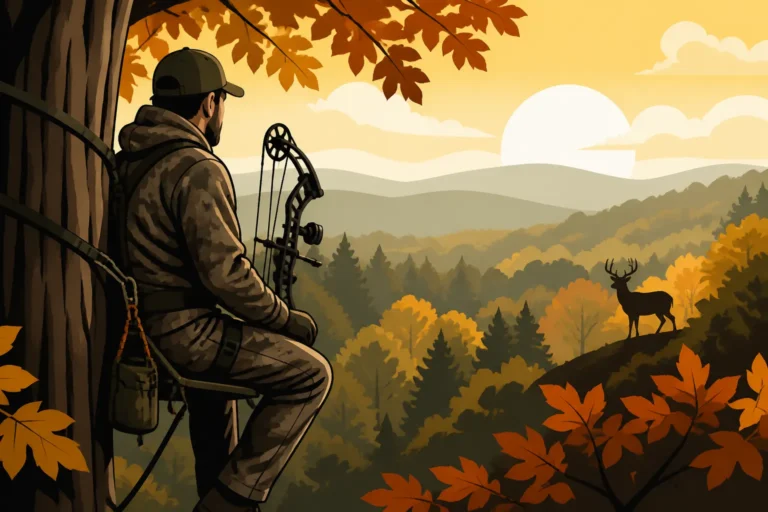
- Stationary Hunting: When you're sitting for hours in the cold, heat retention is paramount. You'll want to pile on those insulating layers. A heavy base layer, a thick fleece, and a substantial synthetic puffy jacket are often needed under your outer shell. The goal is to create as much trapped air space as possible around your body to keep you warm. This often means wearing more layers than you think you need, especially as the morning progresses and the cold seeps in. A well-planned layering system will keep you out longer, perhaps even hunting Into the January Second Close.
Your Shield Against the Elements: Outer Layers for Protection
The outer layer is your primary defense against the punishing late season weather. It needs to keep wind, rain, and snow out, while ideally allowing some moisture from your inner layers to escape. This is where durable, quiet, and protective fabrics truly earn their keep.
Waterproof and Windproof Shells
A good waterproof and windproof shell is non-negotiable for late season Virginia hunting. Look for garments with durable water repellent (DWR) finishes and waterproof/breathable membranes, such as Gore-Tex or similar proprietary technologies. These membranes are designed to block external moisture while allowing water vapor (sweat) to escape, preventing you from getting clammy inside your own gear.
Critically, a shell should also be windproof. Wind can strip warmth away even on dry days. Many cheaper "water-resistant" jackets simply don't cut it when a persistent rain or a howling wind sets in. You want a shell that offers full, impenetrable protection. Pay attention to features like taped seams, watertight zippers, and adjustable cuffs and hoods that can seal out the elements effectively. This layer is your fortress against the outside world.
Insulated Outerwear for Extreme Cold
For truly bitter cold days, especially when you're stand hunting and your activity level is minimal, an insulated outer layer can be a game-changer. These are typically heavier coats and bibs that have a waterproof/windproof shell integrated with a significant amount of insulation (down or synthetic). The advantage here is fewer layers to put on, and a consolidated system for maximum warmth.
However, the downside is their bulk and potential for overheating if you have to walk far or the temperature unexpectedly rises. If you opt for insulated outerwear, consider garments with good ventilation options, like pit zips, that allow you to dump heat if you get too warm. This type of gear is ideal for those frigid, static hunts where movement will be minimal, and staying absolutely warm is the only objective. If you're going to be sitting on a stand for hours, especially in a region like the Jefferson National Forest, this insulated outer layer can make or break your comfort.
Durability and Quietness in the Field
Beyond weather protection, your outer layer needs to stand up to the rigors of hunting in Virginia's diverse terrain. Walking through thick briars, pushing through pine saplings, or rubbing against rough tree bark can quickly shred flimsy fabrics. Look for outer layers made from robust materials that can handle abuse.
Equally important, especially for archery hunters or those trying to slip quietly through the woods during Virginia's General Firearms Deer Season, is quietness. Many waterproof fabrics can be notoriously noisy, creating a "crinkle" sound with every movement. Modern hunting apparel brands have developed incredibly quiet, brushed, or fleece-faced waterproof fabrics that minimize noise, allowing you to move silently. Before you buy, always try on the garment and move around in it to assess its noise level. A noisy jacket can easily spook deer that are on high alert during the late season.
Keeping Extremities Warm: Head, Hands, and Feet
It's a common saying that if your head, hands, and feet are warm, the rest of you will feel warm too. This is especially true in late season Virginia hunting, where frigid air attacks these vulnerable areas first. Neglecting your extremities is a quick way to shorten your hunt.
Hats and Neck Gaiters for Heat Retention
Your head is a major source of heat loss. In fact, you can lose a significant percentage of your body heat through an uncovered head. A good, insulated hat is therefore essential. Options range from simple fleece beanies to insulated wool or synthetic hats with windproof membranes. For really cold days, a balaclava or a combination of a hat and a neck gaiter provides comprehensive coverage, protecting your face, ears, and neck from biting winds and cold. A neck gaiter is incredibly versatile; it can be pulled up over your nose and mouth when the wind whips, or pulled down to your neck when you need to dump a little heat. Keeping your head warm is one of the easiest ways to regulate your entire body temperature, ensuring comfort during those long, cold vigils.
Gloves and Mittens for Dexterity and Warmth
Keeping your hands warm while retaining dexterity for shooting or adjusting gear is a constant challenge for cold-weather hunters. The best solution often involves a system.
- Thin Liner Gloves: These are great for providing a bit of warmth and protecting your hands from the initial cold when you first step out. They also allow for maximum dexterity for tasks like operating your phone to check the Go Outdoors Virginia Map Tool, baiting a hook, or adjusting scope settings.
- Insulated Gloves: For colder temperatures, a pair of insulated gloves is necessary. Look for waterproof and windproof options. The downside is often reduced dexterity.
- Mittens: For extreme cold, mittens offer superior warmth because your fingers are together, sharing warmth. Many mittens feature a flap that opens to expose your fingers or a thin liner glove for shooting.
- Hand Muffs: Often overlooked, a hand muff can be a fantastic addition, especially for stand hunters. Worn around your waist, it provides a warm, windproof pocket for your hands, allowing you to use lighter gloves or even no gloves while keeping your hands toasty until the moment of truth.
Experiment with combinations to find what works best for your specific hunting style and tolerance for cold.
Insulated Boots and Proper Sock Systems
Cold feet are a deal-breaker. A good pair of insulated, waterproof boots is a must-have. When choosing boots, consider the level of insulation (measured in grams, e.g., 800g, 1200g, 2000g). More insulation is better for stationary hunting in extreme cold, while less might be preferable for active hunts to prevent sweating. Ensure your boots are truly waterproof; a mid-calf or knee-high boot is ideal for slushy conditions or stream crossings.
Equally important is your sock system. Again, avoid cotton at all costs.
- Liner Socks: A thin pair of synthetic or merino wool liner socks can help wick moisture away from your feet, preventing blisters and keeping your main socks drier.
- Main Socks: Opt for thick, insulated merino wool or synthetic blend socks. These provide warmth and continue to wick moisture away.
- Layering Socks: On the coldest days, you might wear a thin liner with a heavy main sock. Just ensure your boots still fit comfortably; overly tight boots will restrict circulation and make your feet colder. Many seasoned hunters swear by Insulated Boots for All-Day Sits for their reliability and comfort.
Material Matters: Wool, Synthetics, and Hybrid Blends
The materials your hunting clothing is made from dictate its performance. Understanding the characteristics of wool, synthetics, and hybrid blends will empower you to build a smarter, more effective late season wardrobe. It's not just about one being "better" than the other, but rather which material suits specific layers and conditions.
The Enduring Power of Merino Wool
Merino wool has been a staple in outdoor gear for decades, and for good reason. Unlike traditional scratchy wool, merino fibers are much finer, making them incredibly soft against the skin, virtually itch-free. Its natural crimp creates countless air pockets, providing excellent insulation.
One of merino's biggest advantages for hunters is its ability to retain warmth even when wet. If you work up a sweat on the hike in or get caught in a light rain, merino will still insulate, unlike cotton. It's also naturally breathable, helping to regulate body temperature. Furthermore, merino is naturally antimicrobial, meaning it resists odor-causing bacteria. This is a huge benefit for multi-day hunts where laundry isn't an option, or for anyone who values stealth. You can wear merino base layers for several days without developing a strong "hunter funk," a critical factor when dealing with a deer's keen sense of smell.
The Versatility and Performance of Synthetics
Modern synthetic fabrics, typically polyester or nylon blends, have come a long way. They are engineered for performance, often excelling in specific areas where natural fibers might fall short. Synthetics are renowned for their superior moisture-wicking capabilities, efficiently pulling sweat away from your skin to the outer layers where it can evaporate. They also dry incredibly fast, making them ideal for high-exertion activities or when you need gear to dry overnight at camp.
Synthetics are generally more durable and abrasion-resistant than wool, making them a good choice for outer layers that take a lot of abuse. They are also often more affordable. The main downside used to be odor retention, but many synthetic garments now incorporate silver ion treatments or other antimicrobial technologies to combat this, though these treatments can diminish over time. For hunters who prioritize quick drying, durability, and a lower price point, high-quality synthetics are an excellent choice for any layer.
Blended Fabrics for Balanced Benefits
Increasingly, outdoor apparel manufacturers are turning to hybrid or blended fabrics to combine the best attributes of wool and synthetics. These blends might feature merino wool on the inside for comfort and odor resistance, with synthetic fibers on the outside for durability and enhanced wicking. Or, they might weave both fibers together throughout the garment.
The idea is to create a material that offers a balanced performance, harnessing merino's warmth-when-wet and natural odor resistance, along with synthetic's durability, faster drying times, and often lighter weight. This approach allows hunters to fine-tune their clothing system even further, selecting specific blends for specific layers to optimize performance. For example, a merino-synthetic blend might make an ideal mid-layer, offering good insulation and breathability while benefiting from the strength of synthetics where it might see more wear.
Essential Accessories for Late Season Comfort and Safety
Beyond your core clothing layers, a handful of accessories can significantly enhance your comfort, safety, and effectiveness during a late season Virginia hunt. Don't overlook these smaller, but critical, items.
Blaze Orange and Blaze Pink Requirements
Safety is paramount, especially during Virginia's general firearms season. Virginia law requires hunters to wear a certain amount of blaze orange (or blaze pink, which is now an option) during firearms deer season, and at certain times during other seasons. This is not just a suggestion; it's a legal requirement designed to make hunters visible to each other and prevent accidents.
Always check the current regulations for Virginia Blaze Orange Requirements to ensure you meet the legal minimums. Typically, this means wearing a solid blaze orange or pink hat and an outer garment, like a vest or jacket, that is visible from 360 degrees. Even if you're hunting an archery-only zone during late season, wearing blaze orange when walking to and from your stand, especially on public land that might have other hunters, is a smart safety practice. While stealth is important, safety is non-negotiable.
Scent Control for Stealth in Colder Air
As temperatures drop, air currents can become more stable, and scents tend to hang longer and travel further. This makes scent control even more critical during the late season. Deer are highly attuned to human odor, and a mature buck can detect you from a surprising distance downwind.
While no scent control system is foolproof, a combination of strategies can significantly reduce your scent footprint. This includes washing hunting clothes in scent-free detergent, storing them in airtight containers, taking scent-free showers, and using scent-eliminating sprays. Your base layers are particularly important here, as they absorb the most sweat and body odor. Consider investing in garments that have built-in antimicrobial properties (like merino wool or treated synthetics) to minimize bacterial growth and associated odors. For more specific tactics, explore guides like Scent Control Gear for Urban Archery Hunts, even if you're not in an urban zone, as the principles apply broadly.
Hand Warmers, Seat Pads, and Other Comfort Items
These small additions can make a huge difference in your late season comfort.
- Hand Warmers: Chemical hand warmers are inexpensive and can provide hours of warmth. Place them in your gloves, pockets, or even inside a hand muff for an extra boost of heat. They can be life savers on those truly frigid mornings.
- Seat Pads: Sitting directly on a cold metal treestand or frozen ground will rapidly pull heat from your body. A small, insulated seat pad, often made of closed-cell foam, provides a thermal barrier and makes sitting much more comfortable. Some even integrate with your pack or treestand.
- Thermos: A hot cup of coffee, tea, or even soup can provide both internal warmth and a mental boost during a long, cold sit. A good quality thermos will keep liquids hot for hours.
- Headlamp: For early morning walks to the stand or tracking a deer after sunset, a reliable headlamp with fresh batteries is absolutely essential. Consider one with a red-light option to preserve your night vision.
- Small Pack: Even for a day hunt, a small pack is crucial for carrying extra layers, snacks, water, and these essential accessories. Planning your carry with tools like GoHunt, which can help visualize your access points and potential stand locations, makes preparing your pack much more efficient.
Layering Strategies for Different Virginia Hunting Scenarios
The beauty of a well-thought-out layering system is its versatility. You can adapt it to a variety of hunting styles and terrains you might encounter across Virginia, from the rolling hills of the Piedmont to the rugged slopes of the mountains.
Still-Hunting and Active Movement
Still-hunting involves slow, deliberate movement, pausing frequently to observe and listen. While it's more active than stand hunting, it's not a high-exertion activity like a brisk hike. The challenge here is to stay warm enough during pauses without overheating and sweating profusely during movement.
For still-hunting, you'll want breathable layers that can easily be shed or unzipped. Start with a mid-weight base layer, perhaps a lighter fleece mid-layer, and a quiet, uninsulated, windproof shell. The key is to carry an additional, easily accessible insulated layer (like a synthetic puffy jacket) in your pack. When you stop for an extended period, especially if you find a promising spot to watch, you can quickly put on that extra layer to maintain warmth. As you start moving again, you can shed it. This "active layering" allows you to dump heat while moving and add warmth when stationary, preventing the dreaded cycle of sweat, chill, sweat.
Stand Hunting in the Bitter Cold
This is perhaps the most demanding scenario for your clothing system. Sitting motionless for hours in frigid temperatures, often before dawn and after dusk, requires maximum insulation. The goal is to create a robust barrier against the cold.
Your system for stand hunting should start with a heavy-weight base layer, followed by multiple insulating mid-layers. Think a thick merino top, then a heavy fleece, and then a substantial synthetic puffy jacket. Over all of this, you'll need a highly insulated, waterproof, and windproof outer layer, often a parka and bibs. Don't forget insulated boots with a good sock system, a warm hat, and a hand muff with warmers. Many hunters will even pack an insulated blanket or "sleeping bag style" outer garment for extreme cold. The objective is to be so warm that you can sit comfortably for hours without moving a muscle, blending into your surroundings. Planning your sit thoroughly using features on a mapping tool like GoHunt can even help you identify stand locations that offer some natural windbreaks, further aiding your comfort.
Hunting in Varying Terrain and Cover
Virginia's diverse landscape means you might be hunting open fields one day and dense mountain timber the next. Your clothing system needs to be adaptable.
- Open Fields and Clear-Cuts: These areas are exposed to wind and offer little shelter. Windproof outer layers are paramount here. You might need more insulation than in sheltered woods. Consider hunting from a ground blind that provides additional wind protection. Hunting a Clear-Cut Regrowth Edge can expose you to extreme winds, making layering critical.
- Thick Timber and Mountain Hollows: These areas can be more sheltered from the wind, but the cold can still seep in, and moisture (from snow or morning dew) can linger. Quiet fabrics are essential for moving through dense woods without spooking game. You might prioritize breathability more here to manage sweat if you're climbing steep terrain. When Dragging a Deer Out of a Mountain Hollow, you'll be glad for layers you can shed and fabrics that won't absorb too much moisture.
- Piedmont Broomsedge Fields and River Bottoms: These areas can be damp, especially near waterways, and often hold thick cover that can snag clothing. Durable, quiet fabrics that shed water are important. If you're near a river, consider rubber boots to keep your feet dry from marshy ground or shallow crossings.
Ultimately, a flexible layering system, combined with a deep understanding of Virginia's late season weather and your specific hunting plans, will allow you to stay out longer, hunt more effectively, and enjoy the challenging beauty of winter hunting. Don't let the cold be the reason you punch out early!
Disclaimer
This article is for general informational purposes only and does not constitute professional advice. Laws, prices and regulations vary by location and change over time. Consult a qualified professional for guidance on your specific situation.