Bear Bait Barrels and Site Gear
Hunting black bears in Virginia can be one of the most thrilling and challenging pursuits, but let's be real – finding and patterning these elusive animals often feels like trying to win the lottery without buying a ticket. Many hunters face the frustration of never seeing a bear, or only catching a fleeting glimpse, especially in the vast stretches of our national forests. This guide is here to unravel the complexities of bear baiting in Virginia, offering practical advice on legal regulations, essential gear like bait barrels, and strategic setup to increase your chances of a successful and ethical hunt.
Understanding Virginia's Bear Baiting Regulations
Before you even think about hauling a single bag of sweet feed into the woods, you absolutely must understand Virginia's regulations regarding bear baiting. The rules are in place for a reason – primarily to manage wildlife populations responsibly and ensure fair chase. Missteps here can lead to hefty fines, loss of privileges, and just a whole lot of heartbreak. It's not worth cutting corners; knowing the law is your first and most important piece of gear.
The Legal Landscape of Baiting Bears
Virginia's Department of Wildlife Resources (DWR) has specific guidelines that dictate where, when, and how you can use bait for bears. Unlike some other states where baiting is prohibited entirely, Virginia allows it under certain conditions, predominantly on private land with landowner permission. This isn't a free-for-all, though. Public lands, like portions of the George Washington National Forest or Jefferson National Forest, generally have much stricter rules, often prohibiting baiting altogether. It's crucial to consult the current DWR hunting regulations annually, as they can change. What was legal last season might not be this season, and county-specific rules can also apply. Ignoring these details can quickly turn an exciting hunting opportunity into a legal nightmare. Always clarify if your chosen hunting spot falls under any special regulations or a Chronic Wasting Disease (CWD) management area, as feeding bans in those regions might indirectly affect baiting practices.
It’s also important to differentiate between intentional baiting and incidental feeding. Leaving out a deer feeder might inadvertently attract bears, but if your intent is to lure bears for hunting, that falls squarely under baiting regulations. The DWR takes intent seriously, so clarity on your actions is paramount. Always consider if your actions could be perceived as baiting, even if your primary target is another species. When you're planning your hunt, a robust mapping application like GoHunt can be incredibly helpful for identifying public land boundaries and ensuring you're operating within the correct legal framework for your specific location.
Permitted Bait Materials and Methods
Virginia DWR regulations typically specify what types of bait can be used and how it must be presented. Generally, non-toxic, edible materials are allowed. Think things like stale bread, pastries, fruit, or commercial bear attractants. The key is that these items must not be harmful to wildlife or the environment. Leaving out garbage or anything that could create a public nuisance is strictly forbidden. You're trying to attract bears, not create a health hazard or draw in every stray animal in the county.
The method of presentation is equally important. Bait often needs to be contained in a manner that requires bears to work at it, preventing them from simply gorging themselves in minutes. This is where bait barrels truly shine. They slow down consumption, keep the bait somewhat protected from rain and smaller scavengers, and help habituate bears to return to the site regularly. You can't just dump a pile of donuts on the ground and call it a day; the DWR wants responsible use. Understanding how to properly deploy and secure your bait is as vital as knowing what bait to use.
Placement Restrictions and Considerations
Beyond what you can use, where you place your bear bait site is critical. There are often rules regarding proximity to public roads, residences, and even specific types of water sources. The DWR aims to minimize conflicts between bears and humans, so placing a bait site too close to a populated area is a definite no-go. For instance, many regulations specify a minimum distance from any road open to public vehicular traffic or from any occupied dwelling. These rules aren't just suggestions; they are strictly enforced.
Furthermore, consider the ecological impact of your bait site. You want to attract bears, but not create a dependency or disrupt their natural foraging patterns outside of the hunting season. Always position your site in an area that offers good natural cover for both the bears and yourself. Bears are naturally wary, and an exposed bait site is less likely to be visited regularly. You'll want to think about wind direction, potential stand locations, and clear shooting lanes when picking your spot. It's a strategic chess match against one of Virginia's most intelligent game animals.
Essential Bear Bait Barrels and Containers
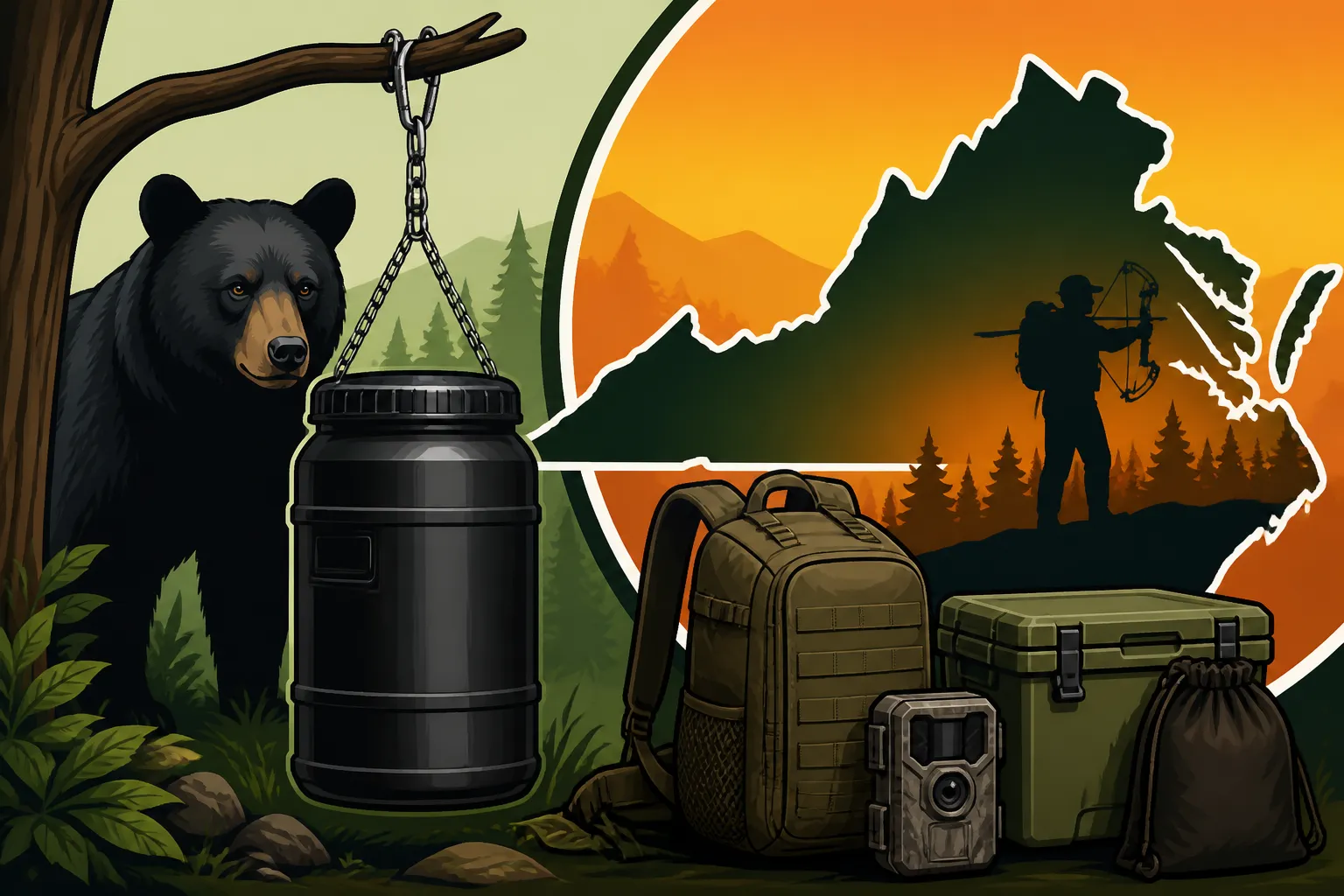
When it comes to bear baiting, your bait barrel isn't just a container; it's the centerpiece of your operation. A well-designed and properly secured barrel can make all the difference between a successful, well-managed bait site and one that's constantly raided by raccoons, opossums, or even other hunters. This isn't a place to cut corners. Investing a little time and effort here pays dividends.
Characteristics of an Effective Bait Barrel
An effective bear bait barrel needs to be robust, secure, and designed to withstand the immense strength and curiosity of a black bear. We're talking about animals that can tear apart car interiors or pry open dumpsters, so your standard plastic trash can just isn't going to cut it. Most successful bait barrels are made from heavy-duty steel or thick-walled plastic drums, often 30- to 55-gallon sizes. They need to be tough enough to endure being gnawed, clawed, and potentially rolled around by a persistent bear.
Beyond sheer durability, design elements are key. Many hunters modify their barrels by drilling small holes in the sides or bottom to allow scents to emanate and attract bears from a distance, while still making the bear work to access the bait. You also need a secure lid that a bear can't easily pop off. Some hunters use threaded lids, while others opt for metal bands with locking mechanisms. The goal is to make it a challenge, not an open buffet. The more a bear has to interact with the barrel, the more likely it is to return, and the more chances you have for observation. Remember, the idea is to pattern them, not just feed them once.
DIY Versus Commercial Bait Barrel Options
Hunters often choose between building their own bait barrels or purchasing commercially made options. Both have their merits.
DIY Bait Barrels:
For the do-it-yourself type, a sturdy 55-gallon steel drum, often sourced from industrial suppliers (just make sure it never held toxic chemicals!), forms an excellent base. You'll then need to consider how to secure the lid, perhaps with heavy-duty bolts, chains, or a strong cam-lock system. Drilling a few scent holes (no larger than a few inches) and adding some internal baffles can enhance its effectiveness. The main advantages here are cost savings and the ability to customize the barrel exactly to your specifications. However, it requires time, tools, and a bit of mechanical know-how. You'll want to be sure you're getting a barrel that can truly stand up to a bear; a flimsy solution will just lead to frustration and wasted bait.
Commercial Bait Barrels:
Several companies produce specialized bear bait barrels and feeders. These are often made from thick, reinforced plastic or heavy gauge steel, specifically designed to be bear-proof or at least bear-resistant. They frequently come with pre-drilled scent holes, built-in securing mechanisms, and even internal dispensing systems that slowly release bait as the bear manipulates the barrel. While more expensive upfront, they offer convenience and a high degree of confidence in their design and durability. Brands catering to serious bear hunters often have robust options designed for repeated use season after season. Regardless of whether you build or buy, the critical factor is ensuring the barrel is strong enough to reliably hold your bait and make bears work for it.
Securing Your Bait from Bears and Other Critters
A bait barrel, no matter how tough, is only as good as its anchor. A determined bear can roll a full 55-gallon barrel a surprising distance. This is why securing your barrel to a stationary object is non-negotiable. Heavy-duty chains, cables, or steel rebar stakes are commonly used. Wrapping a chain around a sturdy tree and padlocking it to the barrel is a classic method. You can also drive steel rebar stakes through holes in the bottom of the barrel and deep into the ground. The goal is to make it impossible for the bear to move the barrel away from your observation point or drag it into thick cover where you can't get a clear shot.
Beyond bears, you'll inevitably have other critters trying to get in on the action. Raccoons, opossums, and even deer can be persistent pests, quickly depleting your bait supply. While a secure barrel lid helps, you might also consider elevated platforms or protective cages around your bait barrels if you're experiencing excessive unwanted visitors. Some hunters use a heavy log or large rock placed directly on top of the barrel to deter smaller animals from easily accessing the lid, even if it's chained. Remember, the less non-target animals consume, the more bait remains for your intended target.
| Feature | DIY Bait Barrel (Modified Drum) | Commercial Bait Barrel (Specialized) |
|---|---|---|
| Initial Cost | Lower (cost of drum, hardware, time) | Higher (ready-made solution) |
| Durability | Good, if a heavy-gauge drum is used and reinforced | Excellent, designed specifically for bear abuse |
| Customization | High (control over hole size, locking mechanism) | Limited (pre-designed features) |
| Setup Effort | High (sourcing, cutting, drilling, securing) | Low (ready to deploy, often with instructions) |
| Security | Depends on modifications; can be very secure | Very high, often integrated locking/anchoring points |
| Scent Dispersion | Requires manual drilling of holes | Often features optimized scent dispersion points |
| Weight | Can be very heavy, especially steel drums | Varies, often designed for easier transport/placement |
Setting Up Your Bear Bait Site
The success of your bear hunt over bait hinges not just on the quality of your barrel or bait, but on the strategic placement and meticulous maintenance of your site. This isn't just about throwing food out; it's about creating an inviting, secure, and observable location that encourages bears to visit consistently and safely. Just like a real estate agent says, it's all about location, location, location.
Choosing the Right Location for Success
Picking the perfect spot for your bait site is a mix of art and science. First and foremost, you need to ensure it's in an area where baiting is legal, as discussed previously. Beyond legality, consider bear habitat. Look for areas with dense cover, like thickets, clear-cuts, or swamps, which bears use for bedding and travel. Proximity to reliable water sources is also a huge draw. Bears need water daily, and a good water source can act as a natural funnel. When Hunting Mountain Bears in November, you'll often find them focusing on natural mast crops, so placing your bait near oak or hickory stands can amplify its appeal.
Topography plays a significant role. Look for natural funnels, saddlebacks, or creek bottoms that bears use as travel corridors. Avoid placing your bait site in wide-open areas where bears will feel exposed and wary. Instead, tuck it back into the woods, just off a known trail or near a dense stand of trees. When scouting, think about prevailing wind direction; you want your stand to be downwind of the bait, so your scent blows away from the approach. Using mapping tools, such as those provided by GoHunt, can help you analyze topography, identify natural funnels, and pinpoint dense cover where bears are likely to feel secure. This strategic planning before you even step foot in the woods can save you countless hours of trial and error.
Camouflage and Concealment for Your Site
Once you've chosen your spot, the next step is making it blend seamlessly into the environment. This isn't just about hiding your stand; it's about making the entire bait site feel safe and natural for the bears. Bears are incredibly smart and can detect changes in their environment. Avoid clearing too much brush or leaving obvious signs of human disturbance. If you must clear shooting lanes or create a path, do so subtly and well in advance of the season. Use natural materials like downed branches or logs to help conceal your bait barrel if it's a bright, unnatural color.
Think about your access route to the bait site. You don't want to create a beaten path that screams "human activity here!" Instead, choose a route that minimizes your impact, perhaps following natural contours or existing animal trails. Always approach your stand and bait from a direction that doesn't put your scent over the bait. The goal is for the bears to feel completely undisturbed and comfortable feeding at your site. A well-camouflaged and discreetly accessed site will build confidence in the bears, leading to more frequent daytime visits.
Maintaining Your Bait Site Effectively
Consistency and cleanliness are paramount for successful bait site maintenance. Bears are creatures of habit, and regular, predictable bait availability will encourage them to return repeatedly. Plan to refresh your bait every few days, depending on how quickly it's being consumed and the weather conditions. In warm weather, bait can spoil quickly, becoming less appealing or even harmful. Always remove any moldy or foul-smelling bait and replace it with fresh supplies. This keeps the bears coming back and helps maintain a healthy site.
Keep the area around your barrel clean. While some scattering is inevitable, try to minimize excessive litter or uneaten bait scattered far from the barrel. This not only keeps the site tidy but also helps prevent attracting non-target animals like coyotes or even domestic animals if you're near agricultural areas. Finally, always be mindful of your own scent when servicing the bait. Wear clean clothes, use scent-free sprays, and handle the bait as little as possible. The less human scent you leave behind, the more comfortable the bears will be. When you're Scouting Virginia Public Land Before Season, or even checking on a private land bait site, remember to minimize your presence to avoid spooking game.
Ancillary Site Gear for Bear Baiting
While the bait barrel is the heart of your operation, a successful bear baiting strategy involves a whole suite of additional gear. These tools provide crucial intelligence, enhance the attractiveness of your site, and help you manage it efficiently and safely. Think of it as building a complete ecosystem around your bait, designed to give you the upper hand.
Trail Cameras for Monitoring Activity
Trail cameras are arguably the most important piece of ancillary gear for bear baiting. They are your eyes in the woods, providing invaluable intelligence about bear activity without human presence. By strategically placing trail cameras around your bait site, you can:
- Identify individual bears: Learn to recognize different bears by their size, markings, and unique behaviors. This helps you understand your local bear population and identify potential target animals.
- Track visitation patterns: Cameras reveal when bears are visiting, including their preferred times of day and how frequently they return. This is crucial for planning your actual hunt, ensuring you're in your stand when the bears are most active.
- Gauge bait consumption: See how quickly your bait is being eaten and by what. This helps you adjust your baiting schedule and quantity.
- Detect unwanted visitors: You'll also see raccoons, coyotes, or even other hunters visiting your site, which can inform your management strategy.
When placing cameras, position them to get a clear view of the barrel and the area immediately around it. Make sure they're high enough to avoid being damaged by curious bears but low enough to capture clear images. Consider using a security box or mounting strap to prevent theft or damage. Battery life and SD card capacity are also important; you want your cameras to run for weeks without needing a check. Some hunters opt for cellular trail cameras, which send photos directly to their phones, allowing for real-time monitoring without disturbing the site. Just be sure to check Virginia Trail Camera Rules on Public Land if applicable, as regulations can vary.
Scent Attractants and Lures
Beyond the edible bait in your barrel, various scent attractants and lures can significantly boost the drawing power of your site. Bears have an incredible sense of smell, and a strong, appealing scent can pull them in from a long distance, helping them locate your bait more quickly.
- Liquid Scents: These are often concentrated liquids with strong odors like anise, cherry, molasses, or various commercial blends. You can pour them on stumps, trees, or rags around your bait site. The scent dissipates over time, creating a "scent trail" that can lead bears to your barrel.
- Solid Attractants: Think about things like grease, expired candies, or strong-smelling pet foods (check regulations carefully here). These can be added directly to the barrel or smeared on nearby trees. They offer a long-lasting scent and often double as an additional food source.
- Sprays: Scent sprays are convenient for quickly refreshing a site or creating a new scent line. They're often used for initial attraction or to re-invigorate a slowing site.
Be mindful of the quantity; a little goes a long way. You want to entice, not overwhelm, and too much scent can sometimes deter wary bears. Also, consider the wind; strategically placing scents downwind of known travel corridors will maximize their reach. The goal is to create an irresistible aroma beacon that signals "easy meal" to any passing bear.
Essential Tools and Supplies for the Site
Setting up and maintaining a bear bait site requires more than just bait and barrels. A collection of basic tools and supplies will make your life much easier and ensure your site is always in top condition.
- Gloves: Always wear clean gloves when handling bait and touching anything at the site. This minimizes the transfer of human scent, which can make bears wary.
- Buckets and Containers: For transporting bait from your vehicle to the site. Having a few sturdy buckets ensures you can carry enough bait for a refresh.
- Shovel/Trowel: Useful for cleaning up old bait, digging small holes for scent placement, or anchoring stakes.
- Heavy-Duty Cutters/Pliers: For working with chains, cables, and securing mechanisms on your barrel. Bears are strong, and their attempts to access the bait can bend or break lesser hardware.
- Padlocks and Keys: Essential for securing your bait barrel and any camera housings. Make sure you have spares!
- Tarp/Ground Cloth: Useful for keeping your bait organized and clean while you're at the site, preventing spills or direct contact with the ground.
- First Aid Kit: You're in the woods, often alone. Always carry a basic first aid kit for minor cuts, scrapes, or insect bites.
- Navigation Tools: A GPS device or a robust mapping app on your phone (like GoHunt) is crucial for finding your way to and from your often-remote bait site, especially in unfamiliar territory. You don't want to get lost carrying a heavy load of bait.
- Water and Snacks: Staying hydrated and energized is important, particularly if your site requires a long hike.
Having these items readily available will streamline your baiting process, making it more efficient and ensuring you can address any issues that arise promptly. Preparing your gear beforehand, like you would for Bear Hunting Virginia's Mountains and Piedmont generally, ensures you're ready for anything the wilderness throws at you.
Strategic Baiting for Virginia Black Bears
Baiting bears is more than just putting out food; it's a strategic game of enticing, patterning, and ultimately outsmarting one of Virginia's most cunning game animals. To truly be successful, you need to understand bear behavior, adapt your tactics, and always prioritize safety and ethical hunting practices.
The Art of Bait Rotation and Freshness
Bears, like most animals, respond well to variety and freshness. While consistency in location is key, a bit of rotation in your bait types can keep them interested and coming back for more. Don't rely solely on one type of bait. If you start with pastries and bread, introduce some fruit or even a commercial attractant designed to mimic natural foods. This keeps their curiosity piqued and provides a broader spectrum of nutrients, making your site more appealing over time. Think about how much more appealing a varied buffet is compared to the same meal every day!
Freshness is paramount. Bears have an incredible sense of smell, and they can detect stale or moldy bait from a long distance. Not only is spoiled bait less appealing, but it can also be unhealthy for the bears. Plan to refresh your bait every 2-4 days, depending on consumption rates and ambient temperatures. In warmer weather, bait will spoil much faster. When you service the site, remove any old, unconsumed bait that shows signs of spoilage. This ensures that every visit to your barrel is a rewarding one for the bear, reinforcing their desire to return. By providing a consistent supply of varied, fresh bait, you build confidence in the bears and establish a reliable pattern.
Adapting to Bear Behavior and Seasonal Changes
Bear behavior isn't static; it shifts with the seasons, available natural food sources, and even local hunting pressure. Successful baiting means observing these changes and adapting your strategy accordingly. Early season, when natural food sources might be scarce, bears might hit your bait harder. As the season progresses and natural mast crops like acorns and berries become available, bears might show less interest in your bait. You might need to adjust the quantity or type of bait, or even intensify your scent attractants, to compete with nature's bounty. Hunting Bears Over Natural Mast in the Mountains will often show reduced bait activity.
Trail camera data is invaluable here. If your cameras show a drop-off in activity, it's a signal to reassess. Are other food sources more appealing? Has something spooked the bears? Have other animals taken over the site? Understanding Virginia's Black Bear Population movements and seasonal diet will help you anticipate these changes. Also, be aware of the pressure in your hunting area. If other hunters are also baiting or actively hunting nearby, bears may become more nocturnal or wary. You might need to shift your hunting times, or even adjust your stand location, to accommodate these factors. The key is flexibility and continuous learning from the bears themselves.
Safety First: Hunting Over Bait
Hunting over bait requires strict adherence to safety protocols and ethical considerations. While baiting can increase your chances, it doesn't remove the need for responsible hunting.
First, always be absolutely sure of your target and what lies beyond it. When a bear comes into the bait, take your time. Identify it clearly, confirm it's a legal animal (if specific regulations apply, such as Virginia Bear Season Rules), and ensure you have a clean, ethical shot. Never take a rushed shot, especially in low light or thick cover, even if you’ve seen the bear on camera for weeks. Always consider proper Shot Placement on a Virginia Black Bear to ensure a quick and humane harvest.
Always inform someone of your hunting location and expected return time. Bear country can be rugged, and accidents can happen. When approaching and leaving your stand, wear visible clothing like blaze orange, especially during general firearms season. Even if you're bowhunting during archery season when blaze orange isn't always mandated, it's a smart safety measure, particularly on public lands or if other hunters are around. Refer to Virginia Blaze Orange Requirements to ensure compliance.
Finally, remember the ethical responsibility. Baiting is a tool to attract and pattern bears, not a guarantee. Respect the animal, the land, and the regulations. After a successful harvest, handle the bear properly, whether it's field dressing or Handling a Bear After the Shot. Leave your bait site clean and free of litter. Responsible baiting contributes to a positive image of hunting and helps ensure future opportunities for bear hunters in Virginia.
Disclaimer
This article is for general informational purposes only and does not constitute professional advice. Laws, prices and regulations vary by location and change over time. Consult a qualified professional for guidance on your specific situation.