Filling a Six-Deer Eastern Limit
For many Virginia deer hunters east of the Blue Ridge, the challenge isn't just taking a deer, but thoughtfully planning and executing their season to truly take advantage of the generous six-deer limit. It’s a fantastic opportunity to keep your family well-fed with venison, but it can feel overwhelming to strategically fill those tags without just chasing a trophy. This comprehensive guide will walk you through the nuances of the Eastern Region's deer regulations, help you craft a smart seasonal game plan, and explore various methods to maximize your success and fill your freezer.
Demystifying Virginia's Eastern Deer Regulations
Navigating hunting regulations can feel like deciphering ancient texts sometimes, especially when you're trying to understand the intricacies of Virginia's deer limits. The Eastern Region, generally defined as those counties located east of the Blue Ridge Mountains, operates under specific rules designed to manage a healthy deer population while providing ample opportunity for hunters. Understanding these foundational rules is the first step toward a successful season.
Breaking Down the Six-Deer Limit and Antler Restrictions
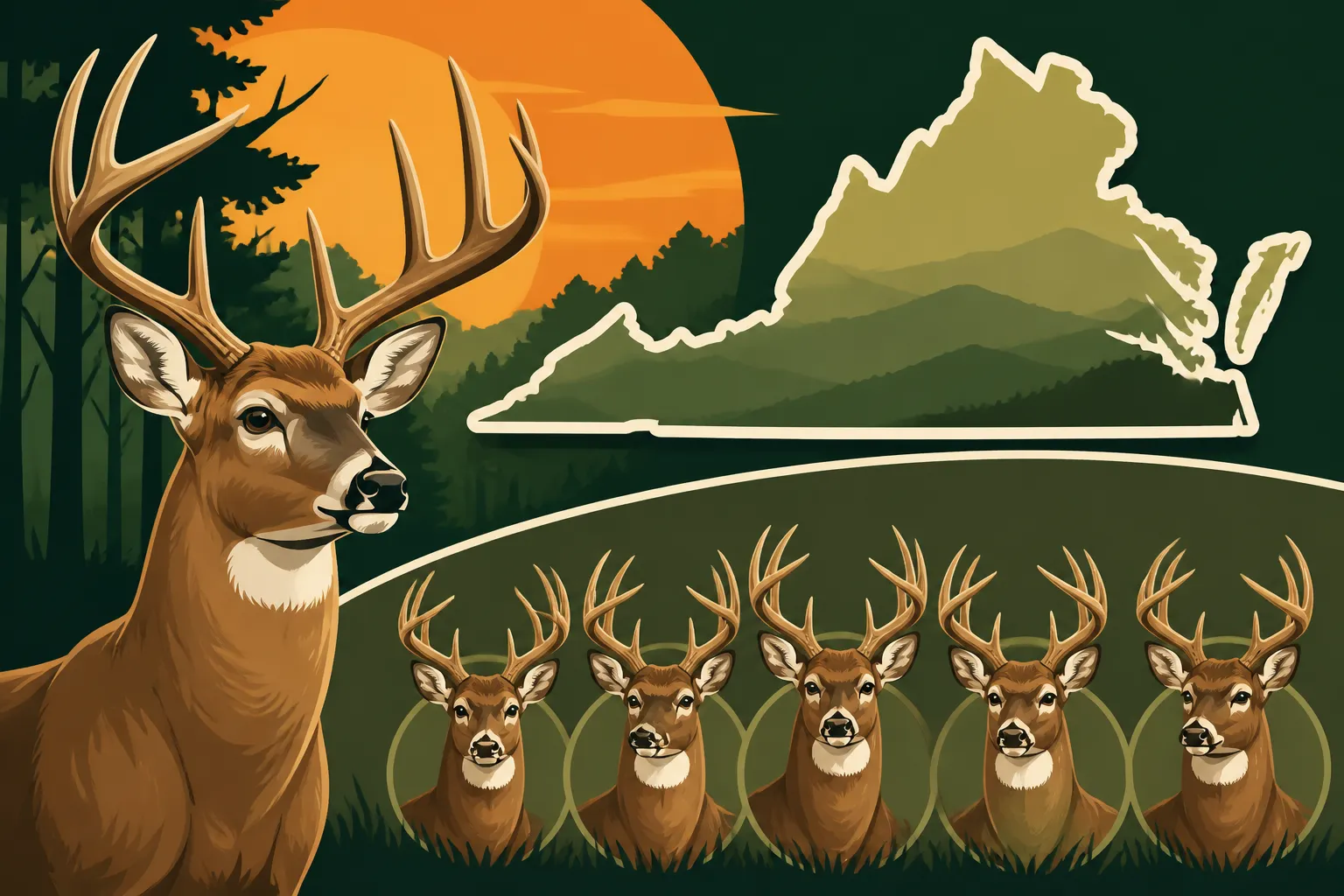
The cornerstone of the Eastern Region's deer management is the six-deer annual bag limit. This isn't just six random deer; it's broken down into very specific categories: three antlered bucks and three antlerless deer. This structure is designed to encourage antlerless harvest, which is absolutely crucial for maintaining a balanced and healthy deer herd. Without adequate doe harvest, deer populations can quickly outgrow their habitat, leading to widespread disease and reduced overall health for the entire herd.
It’s important to note the "Antlerless Deer First" rule that applies in many areas of Virginia, including much of the Eastern Region. This regulation typically requires you to harvest at least one antlerless deer before you can take a third antlered buck. This isn't just a suggestion; it's a hard rule that influences how many bucks you can legally take. While you can take two bucks right off the bat, to get to that third, you need to prove you're contributing to herd management. This rule underscores the Virginia Department of Wildlife Resources' (DWR) commitment to sustainable hunting practices. Make sure you're always checking the current year's DWR regulations, as specific county rules and bag limits, including those for antlered bucks, can sometimes have slight variations. For a deep dive into the specifics, you can always refer to the official DWR guide on Eastern Region Antlered Buck Limits.
Understanding the Eastern Region's Calendar and Zone Specifics
The Eastern Region offers a longer, more diverse deer season compared to some other parts of the state, giving hunters a fantastic window of opportunity from early fall all the way into winter. This extended season includes periods for archery, muzzleloader, and general firearms, each with its own set of rules and strategic considerations. For example, many eastern counties have an extended urban archery season, which kicks off well before the statewide archery opener and can last into the late winter. This provides an excellent chance to fill antlerless tags, especially if you have access to property in suburban areas.
Beyond just the main seasons, it's vital to be aware of county-specific regulations. While the general framework is statewide, certain counties might have different Sunday hunting rules, CWD (Chronic Wasting Disease) management zone restrictions, or even slightly altered bag limits based on local deer population dynamics. Before each season, I make it a point to thoroughly review the DWR regulations for every county I plan to hunt. It's easy to get caught off guard by a small detail that could lead to a violation. Tools like GoHunt can be incredibly helpful here, as they often integrate the latest regulations and highlight any special conditions, allowing you to cross-reference with the official DWR site. A well-informed hunter is a successful and compliant hunter! Knowing How Virginia's Season Runs Urban Archery to January is key to understanding the full picture.
Crafting Your Seasonal Game Plan for Success
Simply heading into the woods with a general idea isn't going to consistently yield a six-deer limit. To truly make the most of the Eastern Region's opportunities, you need a thoughtful, adaptable game plan. This isn't just about bagging deer; it's about making smart decisions throughout the season to ensure you're filling tags legally, managing your meat, and enjoying the process.
Prioritizing Antlerless Harvest for a Full Freezer
Let's be honest, everyone loves to chase a big buck. But if your goal is to fill that six-deer limit and keep your freezer stocked, prioritizing antlerless deer early in the season is a non-negotiable strategy. Taking does early, particularly during the archery and early muzzleloader seasons, accomplishes several things. First, it satisfies those "Antlerless Deer First" requirements, opening up your ability to take additional bucks later. Second, it reduces pressure on the deer herd during the more popular firearms season, as fewer does will be around to detect your presence. Third, and perhaps most importantly for many families, it ensures you get high-quality venison into the freezer before the intense cold of late season.
Think about it: an early season doe often provides prime, tender meat, and you avoid the rush and stress of trying to fill multiple tags at the end of the season. Plus, handling and processing a deer in cooler fall temperatures is far more pleasant than dealing with one on a warm September day. Many seasoned hunters will dedicate their first few outings, especially on private lands where access is easier, to taking a doe or two. This proactive approach takes the pressure off later in the season when you might be focusing on buck movement or dealing with increased hunting pressure. For more detailed information on regulations and strategies for harvesting does, check out Virginia Antlerless Deer Requirements.
Strategic Scouting and Adapting to Conditions
The Eastern Region's diverse landscape, from sprawling farm fields to dense timber and suburban woodlots, demands varied scouting approaches. Year-round scouting is your secret weapon. During the off-season, I'm out there looking for travel corridors, pinch points, bedding areas, and historical food sources. Summer scouting with trail cameras can reveal patterns and identify specific deer that might be using an area. Pay close attention to mast crops – specifically acorns. A strong acorn crop in one area might mean deer concentrate there, while a poor crop can force them to seek alternative food sources like agricultural fields, creating entirely different patterns.
However, scouting isn't a one-and-done deal. You have to be willing to adapt. If a hurricane blows through and knocks down a lot of timber, deer patterns will change. If a farmer harvests a cornfield overnight, those deer are moving. Using mapping tools like GoHunt or the DWR app can really give you an edge. These platforms allow you to analyze aerial imagery, mark potential stand sites, track deer movement patterns, and even overlay property lines to ensure you're on legal ground. Before each season, I'll update my GoHunt maps with fresh satellite imagery if available, looking for new clear-cuts, logging roads, or changes in crop rotation that might influence deer behavior. Don't forget that scouting extends into the season itself; fresh sign, rubs, and scrapes tell a real-time story of deer activity. Being observant and flexible will pay huge dividends. Learning to interpret these signs is part of Scouting Virginia Public Land Before Season.
Maximizing Opportunities Across Hunting Seasons and Methods
The beauty of Virginia's Eastern Region is the variety of hunting seasons and methods available. To fill a six-deer limit, you'll want to take advantage of these different periods, each offering unique challenges and rewards. It's about having a diverse toolkit and knowing when to use each tool effectively.
Leveraging Early Archery and Muzzleloader Advantages
The archery season in Virginia, especially the early statewide archery segment, is a fantastic time to get a jump on your six-deer limit. Deer are often still in their late-summer patterns, focused heavily on food sources like acorns, persimmons, and agricultural crops. Pressure from other hunters is typically much lower than during firearms season, offering opportunities to encounter more relaxed deer. This is an ideal time to fill those crucial antlerless tags. Setting up near established food plots or natural mast trees, especially those slightly off the beaten path, can be incredibly productive. Remember to practice your shooting consistently, as bowhunting often means closer, more intimate encounters where precision is paramount. For a full breakdown, check out Bowhunting Virginia's Statewide Archery Season.
Following archery, the early muzzleloader season provides another excellent bridge period. While deer might be a little warier than during the first weeks of archery, they haven't yet faced the full onslaught of general firearms season. Muzzleloaders offer a good compromise for hunters who prefer a firearm but want to avoid the heaviest hunting pressure. Tactics during this season often mirror archery strategies, focusing on food-to-bedding travel routes and pinch points. The sound of a muzzleloader shot is certainly louder than an arrow, but it's generally a more solitary pursuit than the opening days of rifle season, allowing for careful stalking and patience. For those who enjoy the challenge of primitive weapons, Virginia Early Muzzleloader Tactics can be incredibly rewarding.
Capitalizing on General Firearms and Late-Season Tactics
Without a doubt, the general firearms season is the most popular period for deer hunting in Virginia, and for good reason—it often coincides with the peak of the rut in many Eastern Region counties. This is when buck activity skyrockets, as they are actively seeking does, often throwing caution to the wind. Understanding the timing of the rut in your specific hunting area is crucial for maximizing your chances at an antlered buck. Scouting for fresh scrapes and rubs, and employing calling techniques like rattling and grunting, can be highly effective during this time. While hunting pressure will be at its highest during the opening weeks, this period offers prime opportunities to fill both antlered and antlerless tags. Don't be afraid to walk deeper into public lands or use terrain features to find pockets that other hunters overlook. Get all the details for Virginia's General Firearms Deer Season.
As the season progresses into late December and January, conditions change dramatically. Food sources become scarcer, temperatures drop, and deer shift their focus back to finding calories and conserving energy. This late season can be incredibly productive for filling your remaining tags, especially for antlerless deer. Look for persistent food sources like standing corn, winter wheat, clover plots, or browse in sheltered areas. Thermal cover, such as thick pines or south-facing slopes that catch the sun, also becomes vital. Deer will often bed in these areas during the day and only move to feed during short, intense bursts at dawn and dusk. Patience and cold-weather gear are your best friends during this period. For specific strategies, consult Late-Season Food Sources for Virginia Whitetails. The Hunting the Virginia Rut in November period is usually the most anticipated for big buck hunters.
Exploring Niche Hunts Like Urban Archery and Youth Weekends
Virginia also offers some fantastic specialized hunting opportunities that are often overlooked but can be invaluable for filling your six-deer limit, especially with antlerless tags. Urban archery season, for instance, has grown significantly in many Eastern Virginia cities and counties. These zones typically have high deer densities due to reduced hunting pressure and abundant suburban forage. The seasons are often much longer than statewide seasons, sometimes running from early September all the way to late March, providing ample time and opportunity. Gaining access to private land within these zones is key, and it often requires networking and good communication with landowners who are eager to have deer numbers managed.
Another incredibly rewarding opportunity is the Youth and Apprentice Deer Weekend. This special weekend typically occurs in late September or early October, giving mentored youth hunters (and apprentice hunters, regardless of age) an early crack at deer before the general firearms season. This is a perfect, low-pressure environment to introduce new hunters to the sport and easily fill antlerless tags. It's a fantastic way to pass on the tradition and make memories, while also contributing to your overall season harvest goals. Always confirm the specific dates and regulations for these special hunts, as they can vary slightly year to year.
| Season Type | Primary Species | Eastern Region Antlerless Opportunity | Key Characteristics |
|---|---|---|---|
| Urban Archery | Deer | High (often extended) | Specific city/county limits, often longer seasons, high density, private land focus. |
| Statewide Archery | Deer | Good | Statewide, less pressure early, focus on natural food sources. |
| Early Muzzleloader | Deer | Good | Bridges archery/firearms, good for second antlerless tag, primitive weapon focus. |
| Youth Deer Weekend | Deer | Excellent (mentored) | Low pressure, dedicated opportunity for young hunters, often concurrent with early archery. |
| General Firearms | Deer | Excellent | Most popular, can be high pressure, prime rut opportunities, late-season options. |
Ethical Practices and Post-Harvest Responsibilities
Harvesting a deer is only half the job. As ethical hunters, our responsibilities extend well beyond the shot. Proper meat care ensures a high-quality product for the table, and accurate reporting contributes vital data to wildlife management efforts, ensuring healthy deer populations for future generations.
Ensuring Proper Meat Care and Processing
Once you've successfully harvested a deer, the race against time begins, especially if the weather is mild. The single most important step is to field dress your deer as quickly and cleanly as possible. Removing the internal organs allows the carcass to cool down rapidly, preventing bacterial growth and spoilage. In warmer early season conditions, this is absolutely critical. Some hunters even carry game bags and ice packs to cool the cavity further if they're a long walk from their vehicle or processor.
Once field dressed, get your deer to a cool place. If you're butchering it yourself, having a clean workspace, sharp knives, and plenty of freezer bags or vacuum sealer material is essential. If you opt for a professional processor, make sure they are reputable and can handle the volume, especially during the peak of firearms season. Communicate your preferences clearly—do you want sausage, jerky, specific cuts? Don't let all your hard work go to waste with improper care. A well-cared-for deer means delicious venison for months to come.
The Importance of Accurate and Timely Deer Reporting
Reporting your deer harvest isn't just a formality; it's a critical component of wildlife management in Virginia. The data collected from hunter reports allows the DWR to accurately assess deer populations, track harvest trends, and make informed decisions about future regulations, bag limits, and season structures. Without this information, they'd be flying blind, and that could negatively impact the long-term health of our deer herd.
Thankfully, reporting is straightforward. You can report your harvest online via the DWR website, by phone, or through the "Go Outdoors Virginia" mobile app. It's a quick process that typically asks for the county of harvest, the date, the sex of the deer, and whether it was antlered or antlerless. I always make sure to report my deer as soon as possible after recovery, often right there in the field with the Go Outdoors Virginia app on my phone. Not only is it legally required, but it's a small way we, as hunters, can contribute directly to the conservation efforts that make our sport possible. For detailed instructions on this vital step, check out Reporting a Deer Through Virginia's App.
Finding and Accessing Productive Eastern Region Deer Ground
Successfully filling a six-deer limit often hinges on access to productive hunting grounds. The Eastern Region offers a mix of public and private land opportunities, each coming with its own set of advantages and challenges. Knowing how to find and secure access to these areas is a cornerstone of a consistent harvest strategy.
Navigating Public Land Challenges and Rewards
Virginia is fortunate to have a significant amount of public hunting land, from national forests like George Washington and Jefferson to numerous Wildlife Management Areas (WMAs) managed by the DWR. Hunting public land in the Eastern Region, particularly during the general firearms season, can be incredibly challenging due to hunting pressure. Don't be discouraged, though! Many hunters stick to easily accessible areas near roads or parking lots. Your strategy should be to go where others won't. This often means walking further, hiking into steeper terrain, or exploring dense, uninviting cover.
Look for less obvious access points, small pockets of public land, or areas adjacent to large private holdings. Utilize mapping applications like GoHunt to scout these remote areas from your couch. Look for pinch points, natural funnels, unpressured food sources, or overlooked thickets that might hold deer seeking refuge. Early season scouting is paramount to finding these honey holes before the crowds arrive. While it requires more effort, the rewards of harvesting a deer on public land are immense and can significantly contribute to your six-deer goal. Dive deeper into public land options with Public Hunting Land in Virginia.
Building Relationships for Private Land Access
For consistent opportunities and often less pressure, private land access is gold. The Eastern Region is a patchwork of farms, timber tracts, and residential properties, many of which hold abundant deer. However, simply showing up and asking for permission is rarely effective. Building relationships is the key. Start by knocking on doors in the off-season, well before hunting season. Introduce yourself, offer to help with chores like fixing fences, clearing brush, or even just sharing your harvest. Landowners are often more inclined to grant permission to someone they know and trust, especially if they have deer damage issues.
Be respectful, always follow their rules, and leave the property better than you found it. Offering to share venison from your harvest is a great gesture of appreciation and helps build goodwill for future seasons. Remember, you’re not just asking to hunt for one day; you’re trying to establish a long-term relationship. The more private land you can access, the more strategic you can be about rotating hunting pressure and ensuring you have reliable spots to fill those critical antlerless tags throughout the season. Learn more about the nuances in Getting Private Land Permission in Virginia.
Disclaimer
Please remember that hunting regulations, bag limits, and season dates are subject to change. Always consult the most current Virginia Department of Wildlife Resources (DWR) regulations before heading afield. This guide is for informational purposes only and does not supersede official DWR publications.