Turkey Vests With a Kickstand Seat
It's happened to every Virginia turkey hunter: you're working a hot bird, he's just out of sight, and you settle in for a long wait, only to find yourself shifting uncomfortably, your back aching against a tree, or worse, your rear getting soaked from damp ground. The traditional turkey vest, while great for carrying calls and shells, often falls short when it comes to true comfort during those crucial long sits. This guide dives deep into the world of turkey vests equipped with a kickstand seat, exploring how these innovative designs can transform your hunting experience, especially in the varied and often challenging terrains of Virginia.
The Game-Changer: Why Kickstand Vests for Virginia Turkey Hunting?
For years, turkey hunters just accepted the discomfort that often came with setting up in the woods. You found the biggest tree you could, leaned back, perhaps pulled out a small foam pad, and hoped for the best. This approach worked, but it wasn't ideal, especially when a gobbler decided to hang up for an hour or more, just out of range. The introduction of vests with integrated kickstand seats changed the game, offering a level of comfort and stability that traditional vests simply couldn't match.
Beyond the Traditional Back Pad
Think about the classic turkey vest: a series of pockets, maybe a small, thin foam pad for your back, and often nothing substantial for your rear. You'd find yourself leaning against a tree, feeling every knot and bump, or trying to balance precariously on uneven ground. If the ground was wet, muddy, or covered in dew, you were going to feel it eventually. This constant discomfort isn't just an annoyance; it can directly impact your hunt. When you're constantly shifting, trying to get comfortable, you're not fully focused on listening for that soft cluck or watching for the subtle movement of a bird.
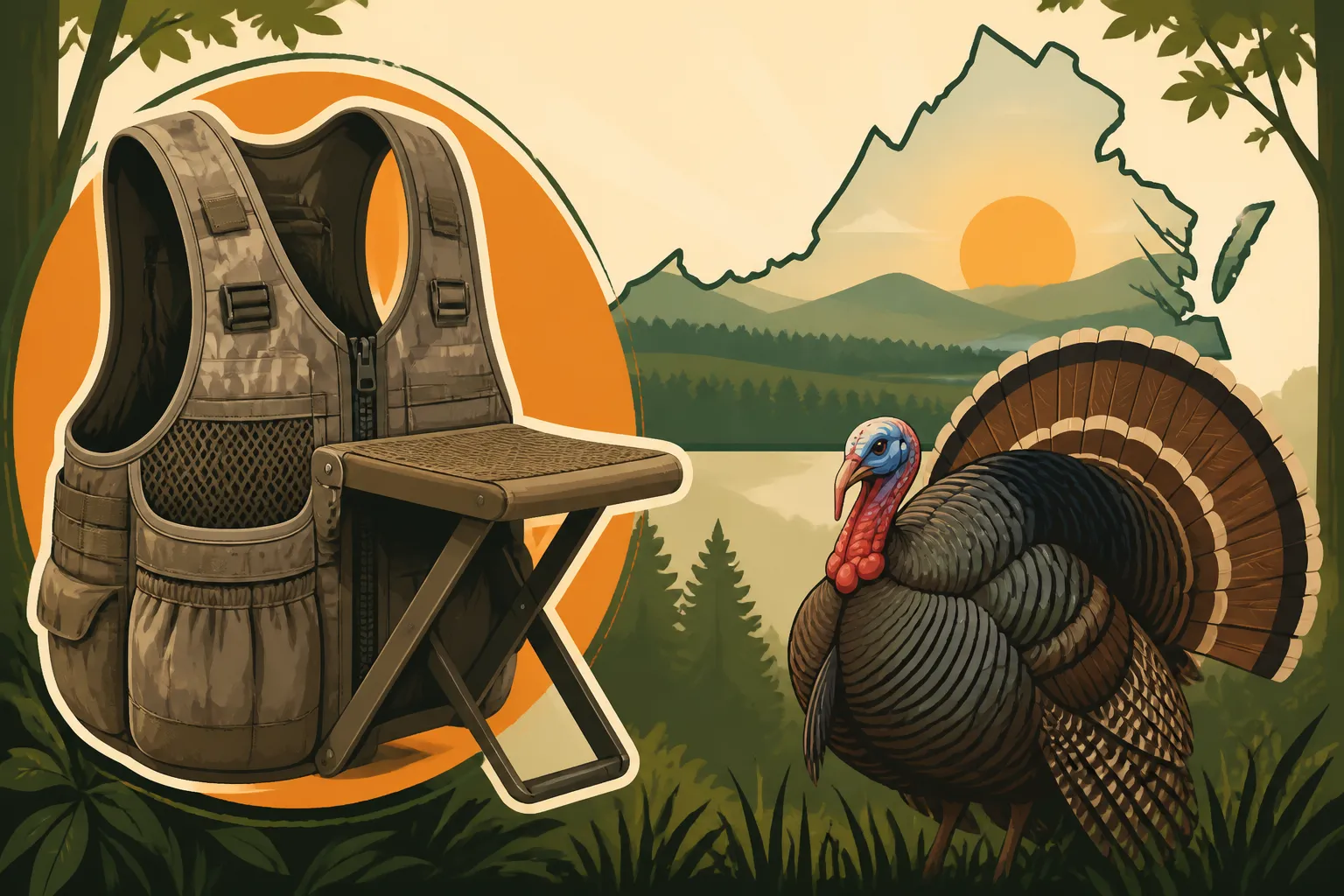
A kickstand vest, on the other hand, provides a completely different experience. It's designed with an integrated, often collapsible, frame that allows you to sit upright and comfortably, almost like a portable chair. This means your weight is evenly distributed, taking pressure off your lower back and posterior. No more numb legs, no more aching spine. You can settle in for extended periods, remaining still and alert, without the nagging distractions of discomfort. This is particularly crucial when dealing with those wary Virginia gobblers that demand absolute patience.
The Stability Factor
Beyond pure comfort, the stability offered by a kickstand vest is a huge advantage, especially when it's time to make a shot. Imagine you're leaning against a tree, trying to balance your shotgun or bow, while simultaneously manipulating a call. If you shift your weight, or if the ground is uneven, your entire position can become wobbly. This can lead to missed opportunities, a hurried shot, or even spooking a bird if you have to readjust too much.
With a kickstand vest, you get a solid, stable platform. The integrated seat holds you firmly, allowing you to focus on your calling sequence, scanning for movement, and ultimately, making a clean, ethical shot. You can rest your elbows on your knees, steady your weapon, and maintain a consistent shooting position, even if a bird approaches from an unexpected angle. This stability is invaluable, whether you're drawing a bow for an archery kill in the spring or shouldering a shotgun during the later season. It removes one more variable from the high-pressure moment of truth, letting you execute with confidence.
Key Features to Look for in a Virginia Turkey Vest with a Kickstand
When you're outfitting yourself for Virginia's spring turkey season, a kickstand vest isn't just a luxury; it's a strategic piece of gear. But not all kickstand vests are created equal. Knowing what to look for can make all the difference in your comfort, efficiency, and overall success in the field.
Comfort and Adjustability for Long Sits
The whole point of a kickstand vest is enhanced comfort, so naturally, this should be a top priority. Look for ample padding in the seat and back areas. Some vests feature thicker, more supportive foam, while others might even incorporate air-bladder systems for custom comfort. The straps are equally important; padded shoulder straps that are wide and distribute weight effectively will prevent digging in, especially when your vest is loaded down with calls, water, and shells.
Adjustability is key for a custom fit. A vest with multiple adjustment points – not just on the shoulders but also across the chest and waist – allows you to tailor the fit to your body type and the layers of clothing you might be wearing. This ensures the vest moves with you, doesn't bounce when you're walking, and provides optimal support when you deploy the kickstand. An ill-fitting vest, even with a kickstand, can quickly become a source of irritation. Spend some time trying on different models, even with your hunting layers, to ensure a snug and comfortable fit. Remember, you might be sitting in this vest for hours as you wait for that wise old gobbler.
Practical Storage and Organization
A turkey vest is essentially a mobile command center, and a kickstand model should be no exception. Think about the types and number of calls you carry: slate calls, box calls, mouth calls, locator calls. Each needs a dedicated, easily accessible, and protected spot. Pockets with magnetic closures are fantastic for quick, silent access, while zippered pockets are crucial for securing valuables like your phone, license, or truck keys. Don't forget about external mesh pockets for gloves, face masks, or even a discarded diaphragm call wrapper.
Beyond calls, consider hydration. Many vests include integrated sleeves or pockets for hydration bladders, which are a godsend on warm spring days. Shell loops, a game bag for packing out your bird (or snacks), and accessory loops for things like clippers or rangefinders are also important. Some vests even feature a dedicated pocket for a GPS unit or a smartphone, which can be invaluable when using mapping apps like those from GoHunt to pinpoint your location or navigate public land. Good organization means less fumbling and more focus on the hunt.
Durability and Materials for Virginia Terrains
Virginia's hunting grounds can be tough on gear, from briar patches in the Piedmont to rocky mountain slopes. Your vest needs to withstand abuse, so durable materials are essential. Look for vests made from heavy-duty nylon or Cordura fabric, often with ripstop properties to prevent tears from spreading. Reinforced stitching at stress points, like where straps attach or pockets are frequently accessed, is a good indicator of quality.
Consider the weather, too. While not fully waterproof, many vests offer water-resistant treatments that can shed light rain or dew, keeping your gear drier. Quiet fabrics are paramount; nothing spooks a wary turkey faster than the rustle of synthetic material when you reach for a call. Brands often use brushed tricot or similar quiet fabrics. And don't overlook the kickstand mechanism itself: it should be robust, easy to deploy and collapse silently, and made from strong, lightweight aluminum or composite materials that won't bend or break under your weight or in rough terrain.
Real-World Scenarios: When a Kickstand Vest Shines in Virginia
The theory of a kickstand vest sounds great on paper, but where does it truly make a difference in the varied hunting landscapes of Virginia? From the open fields of the Piedmont to the steep hollows of the Blue Ridge, these vests offer distinct advantages that can elevate your success rate and overall enjoyment.
Run-and-Gun Tactics and Quick Setups
Virginia gobblers can be notoriously fickle. One minute they're hammering, the next they've gone silent or are moving rapidly. This often demands a "run-and-gun" approach, where you're constantly moving, calling, and repositioning to get ahead of or intercept a bird. In these fast-paced scenarios, speed and efficiency are paramount. You don't have time to search for the perfect log or spend precious minutes clearing a comfortable spot to sit.
This is where a kickstand vest truly shines for the mobile hunter. As soon as you hear a gobble that's getting closer, or you need to make a quick move, you can simply drop to your knees, deploy the kickstand, and be instantly ready. You're not sacrificing comfort or stability for speed. The vest provides an immediate, solid seat, allowing you to quickly set up your calling position, shoulder your gun, and scan the woods. This rapid deployment means you're more likely to capitalize on those fleeting opportunities when a gobbler is hot and on the move, without breaking stride. Whether you're chasing birds on Run-and-Gun Turkey Tactics on Public Land or trying to get ahead of them on private parcels, the kickstand offers unmatched readiness.
Extended Waits in Tough Terrain
Not every hunt is a sprint. Sometimes, you find a bird that's roosted up or simply hangs up across a creek or field, forcing you into a prolonged waiting game. This is especially common on the public lands of the George Washington or Jefferson National Forests, where steep, rocky terrain and thick underbrush make comfortable sitting a real challenge. Without a kickstand vest, you might be perched precariously on a rock, leaning against a rough tree trunk, or slowly sinking into damp leaf litter.
A kickstand vest transforms these long, drawn-out sits. You can set up on uneven ground, knowing the stable frame will keep you upright and comfortable. It keeps you off cold, wet, or rocky surfaces, making those extended waits much more tolerable. When a gobbler finally decides to commit and approaches after an hour of silence, you'll be alert, comfortable, and ready, rather than stiff and distracted by discomfort. This ability to stay put and remain motionless for long periods is often the key to punching a tag on a cagey public land tom, particularly when hunting areas like Still-Hunting Jefferson Forest Ridges where patience is rewarded.
Dealing with Unpredictable Virginia Weather
Virginia's spring weather is notoriously unpredictable. One morning might start crisp and clear, only to turn into a drizzly, damp affair by midday. Or you might encounter fog and heavy dew in a creek bottom, even if the higher ground is dry. Sitting directly on wet ground can quickly lead to being cold, uncomfortable, and miserable, which, again, detracts from your focus.
A kickstand vest elevates you off the ground, even by just a few inches, providing a crucial barrier against moisture and cold. This can be a game-changer when setting up in a dew-covered field edge, a damp bottomland, or after a light rain. It helps keep your core temperature stable and prevents that damp chill from setting in. By staying drier and warmer, you'll be able to maintain your concentration and endurance throughout the hunt, regardless of what the temperamental Virginia spring weather throws your way. Being able to adapt to conditions without sacrificing comfort is a huge benefit for any dedicated hunter.
Maximizing Your Kickstand Vest: Tips and Tricks
Investing in a kickstand turkey vest is a smart move, but simply owning one isn't enough. To truly unlock its full potential and enhance your Virginia turkey hunting experience, there are a few tips and tricks that can make a significant difference in comfort, efficiency, and ultimately, your success.
Practicing Your Setup
Just like practicing your calling or shooting, practicing with your kickstand vest before opening day is crucial. The goal is smooth, silent, and quick deployment. Find a spot in your yard or local woods that mimics hunting conditions. Sit down, deploy the kickstand, and then pack it away. Repeat this process multiple times until it feels intuitive. You want to be able to do this almost instinctively, without looking, and without making unnecessary noise.
Pay attention to how your gear sits in the pockets when you're in the sitting position. Can you easily access your diaphragm calls, your friction calls, your shells? Adjust the placement of items if necessary. A fumbling movement to grab a call at the wrong moment can blow an entire hunt. Also, practice deploying and collapsing the kickstand silently. Some models might have a slight clunk or creak initially; figure out if there's a technique to minimize this noise. This "dry run" preparation will build muscle memory and ensure that when a hot gobbler is approaching, your focus is entirely on the bird, not on wrestling with your gear. Scouting Virginia Public Land Before Season is a great time to bring your vest and practice.
Strategic Placement for Optimal Comfort and Shot Angles
Even with a kickstand vest, choosing your setup location wisely remains paramount. While the vest provides inherent stability, consider the ground you're on. Look for relatively level spots if possible, or at least avoid extreme slopes where you might feel pitched forward or backward despite the kickstand. Clear away any large rocks, sticks, or other debris that could interfere with the kickstand's feet or create an uneven foundation.
Beyond ground conditions, think about your cover and shot angles. Position yourself against a tree that breaks up your outline from multiple directions. Crucially, set up so that you have clear shooting lanes in the most likely directions a gobbler will approach. The beauty of the kickstand vest is that it allows you to maintain a steady aim for longer periods. Use this to your advantage by anticipating where the bird will appear and orienting yourself accordingly. Being slightly off-center from the largest tree can often give you better visibility and a wider field of fire.
Maintenance for Longevity
Your turkey vest is an investment, and proper care will ensure it lasts for many seasons to come. After each hunt, especially if you've been in wet or muddy conditions, take the time to clean your vest. Empty all pockets, shake out any debris, and wipe down soiled areas with a damp cloth. For tougher grime, a mild soap and water solution can work, but always check the manufacturer's care instructions first to avoid damaging specialized fabrics or waterproof coatings.
Allow the vest to air dry completely before storing it. Hanging it in a well-ventilated area will prevent mildew and odors. Regularly inspect the kickstand mechanism for any signs of wear, loose bolts, or damage. Lubricate any pivot points if they start to become stiff or noisy. Check zippers, buckles, and stitching for fraying or damage, and repair them promptly if needed. A well-maintained vest is a reliable vest, ensuring it's ready for action when the Virginia Spring Turkey Season Rules say it's time to hit the woods.
Comparing Kickstand Turkey Vest Features
When looking at kickstand turkey vests, you'll find a range of options, each with a slightly different take on features and design. While specific models and prices vary greatly, understanding the common features can help you compare what's available and decide what's best for your hunting style. Whether you are looking for something basic or a fully loaded mobile blind, GoHunt often lists gear that can help enhance your hunting experience.
| Feature Category | Basic Kickstand Vest | Mid-Range Performer | Premium Comfort Model |
|---|---|---|---|
| Seat Type | Simple padded fold-out seat, basic foam | Thicker padded seat, often with ergonomic shaping | Heavily padded, often adjustable thickness, sometimes air bladder or gel |
| Kickstand Frame | Lightweight aluminum, basic folding mechanism | Durable aluminum or composite, silent deploy/collapse | Robust, lightweight composite, advanced quiet mechanism, potentially adjustable height |
| Storage Capacity | Essential pockets for 3-5 calls, shells, small items | Ample pockets for 5-8 calls, water bottle, small gear | Extensive organization, multiple specialized pockets, hydration bladder sleeve, game bag |
| Call Organization | Basic slate/mouth call pockets | Dedicated pockets for various call types, often magnetic closures | Specialized, protected pockets for every call type, silent access, external loops |
| Material Durability | Standard polyester, water-resistant | Ripstop nylon or Cordura, good water resistance | Heavy-duty Cordura or similar, excellent water/weather resistance, quiet fabrics |
| Adjustability | Basic shoulder strap adjustments | Shoulder, chest, and waist adjustments for better fit | Highly adjustable, custom-fit options, often load lifters |
| Weight (Empty) | Lighter side (e.g., 5-7 lbs) | Moderate (e.g., 7-9 lbs) | Can be heavier due to features (e.g., 9-12+ lbs) |
Keep in mind that weight can be a significant factor, especially if you plan on covering a lot of ground following Run-and-Gun Turkey Tactics on Public Land. A lighter vest might sacrifice some features but will be easier to carry all day. Conversely, a heavier, feature-rich vest offers maximum comfort and organization but might be better suited for hunters who don't move quite as much. Always balance your personal comfort needs with your hunting style and the distances you typically cover.
Disclaimer
This article is for general informational purposes only and does not constitute professional advice. Laws, prices and regulations vary by location and change over time. Consult a qualified professional for guidance on your specific situation.