Layout Blinds for Virginia Cut Corn
Hunting waterfowl in Virginia's vast, open cut cornfields can feel like trying to hide a car in an empty parking lot – those ducks and geese have an uncanny ability to spot anything out of place. Many a hunter has spent a frosty morning huddled behind a few sparse rows of standing corn or a lonely fencerow, only to watch flock after flock flare just out of range, their keen eyesight picking out the unnatural blob. This guide is all about changing that narrative. We're going to dive deep into using layout blinds, the ultimate tool for disappearing into those expansive fields, and transform how you approach hunting cut corn in Virginia.
Why Layout Blinds are a Game Changer in Virginia Cut Corn
There’s a unique frustration that comes with hunting in wide-open agricultural fields, especially after the combines have done their work. You know the birds are there, you see them flying, but finding adequate cover feels impossible. This is precisely where layout blinds shine, turning what seems like a disadvantage into your biggest asset.
The Challenge of Hunting Open Fields
Let's be honest, those big, beautiful Virginia cornfields, once they're harvested, can be a real headache for waterfowl hunters. The birds—especially the mature ones—have seen it all. They've been shot at, spooked, and educated, making them incredibly wary. When they're circling high, scouting for a safe landing, anything that looks remotely out of place in that sea of stubble is going to send them packing faster than a startled deer. You might find a small ditch or a bit of thicker cover along a field edge, but these spots rarely offer the perfect position to intercept birds exactly where they want to be. The birds are often focusing on the wide-open expanse, not the edges.
The visual challenge is immense. With no trees, brush, or tall crops, your silhouette sticks out like a sore thumb against the low horizon. Trying to hide a traditional pop-up blind or even just yourself under a camouflage net often results in a blob of unnatural shadow or shape that the birds pick up instantly. This is particularly true for Canada Geese on Virginia Farmland, which often prefer these wide-open spaces for feeding and can approach with incredible caution, circling multiple times before committing. The frustration of watching a flock slowly drift away, realizing they've seen you, is a feeling every field hunter knows all too well.
Many of us have tried to make do. We’ve piled up cornstalks into makeshift bunkers, laid on a tarp trying to be invisible, or even just hunkered down, hoping for the best. While these methods can work on occasion, especially with less pressured birds or in very specific situations, they are rarely consistent. The goal isn't just to hide; it's to disappear so completely that the birds feel entirely safe dropping into your carefully crafted decoy spread, giving you those close-range, ethical shots we all strive for. Layout blinds offer that consistent, deep level of concealment you simply can't achieve with improvised methods in open fields.
How Layout Blinds Provide Unmatched Concealment
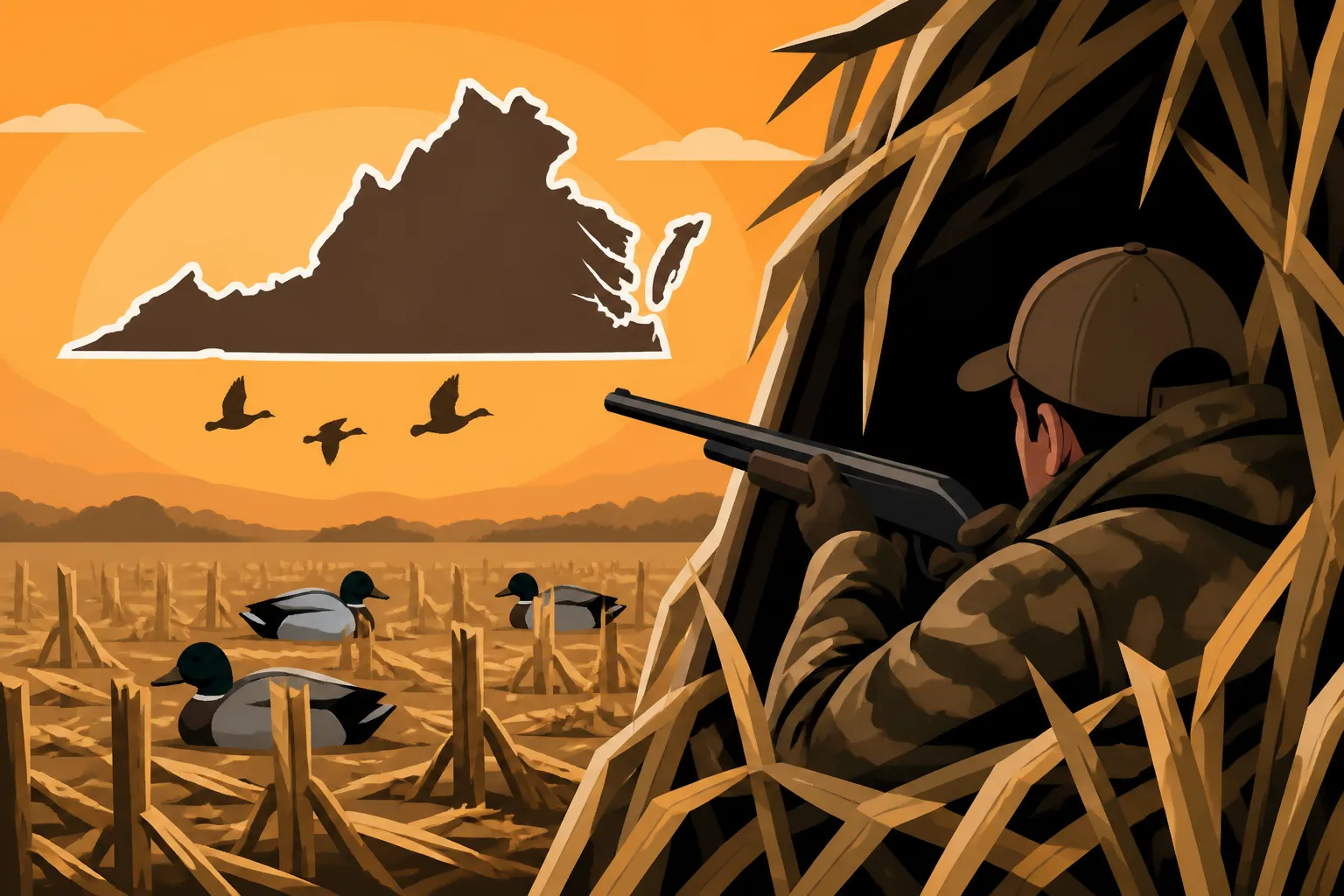
A layout blind is essentially a low-profile, coffin-like structure designed for a hunter to lie down in. It's built to blend seamlessly into the ground, eliminating your vertical silhouette almost entirely. Instead of trying to hide behind something, you're hiding within the field itself. This fundamental difference is what makes them so incredibly effective. When you're lying flat, your body mass is distributed horizontally, making it nearly impossible for birds flying overhead to discern your form from the natural undulations and stubble of the cut cornfield.
The magic of a layout blind lies in its ability to integrate into the landscape. Unlike a traditional treestand or an elevated ground blind that requires birds to look past you, a layout blind positions you at their eye level when they're descending. As birds come in for a landing, their focus shifts from searching for predators on the horizon to scanning the ground for other birds and potential threats. When all they see is a natural-looking patch of stubble—because your blind is brushed in properly—they commit without hesitation. You become part of the field, not an anomaly on it.
Furthermore, layout blinds allow you to be exactly where the birds want to be: in the middle of their favorite feeding field. No longer are you relegated to the less-than-ideal cover on the field's edge. You can set up your spread precisely where you've scouted the birds to be feeding, right in their flight path. This strategic placement, combined with exceptional concealment, dramatically increases your chances of decoying birds into gunning range. It's a fundamental shift in how you engage waterfowl in these open environments, giving you an edge that makeshift cover simply cannot replicate.
Choosing the Right Layout Blind for Virginia Conditions
Not all layout blinds are created equal, and selecting the right one for Virginia's cut corn environments involves a few specific considerations. You'll want something durable, effective at concealment, and comfortable enough for those long, cold waits in the field.
Key Features to Look For
When you're eyeing a layout blind, durability should be high on your list. Virginia's weather can be unpredictable, swinging from mild to bone-chilling cold, often accompanied by rain or even snow. You need a blind made from rugged, water-resistant fabrics that can withstand mud, ice, and constant deployment and packing up. Look for strong stitching, reinforced stress points, and a frame that can handle being jostled and dragged across fields. A flimsy blind will quickly fall apart under the rigors of a hunting season.
Concealment features are paramount. The best blinds come equipped with ample stubble straps or loops on their exterior. These aren't just for show; they are absolutely essential for attaching local vegetation like corn stalks, dirt, and dried grass. These straps allow you to literally "brush in" your blind, making it disappear into the surrounding environment. Pay attention to the factory camouflage pattern too; while brushing in is key, a good base pattern in natural tones (tans, browns, khaki, dry grass patterns) will give you a head start in blending into Virginia's diverse agricultural fields. Some popular blinds available through outfitters you might find on GoHunt often feature patterns specifically designed for corn stubble or dry grass.
Finally, consider the blind's accessibility and functionality. You'll want a blind with a smooth, quiet entry and exit system. Some have a hinged door that flips open, while others use zippers. Test these mechanisms to ensure they operate quietly and quickly when the moment of truth arrives. Integrated flag holes are also a huge plus, allowing you to use motion flags without exposing your hands or breaking your outline. Look for features that make your hunt smoother and more effective, ensuring that when the ducks commit, your blind helps, not hinders, your shot. You'll find a range of options, from basic models to more feature-rich ones, often described in detail on platforms like GoHunt, making it easier to compare and decide which blind is right for you. While some blinds are designed for broader use, the best ones for cut corn will prioritize a low profile and maximum stubble-holding capability, like those detailed in a guide on Layout Blinds and Marsh Boats for different waterfowl scenarios.
Comfort and Portability Considerations
Let’s be honest, hunting is a passion, but there’s no need to suffer unnecessarily. Comfort in a layout blind is surprisingly important, especially during those long, cold, or wet mornings in a Virginia cornfield. Look for blinds with decent padding for your back and head. Some offer integrated seats or adjustable backrests, which can make a world of difference over several hours. Lying flat on frozen or muddy ground, even for a short time, can quickly become miserable without adequate insulation and support. A comfortable hunter is a patient hunter, and patience often pays off in the field.
Portability is another major factor, especially if you're hunting public land or areas that require a bit of a hike from the truck. Virginia's cut cornfields can be expansive, and you might need to move your setup based on changing bird patterns or wind direction. Consider the blind's weight and how easily it folds or collapses for transport. Some blinds are designed for quick pack-up and are light enough to carry on your back, while others are heavier and might require a sled or cart. Think about the terrain you’ll typically be crossing – will you be traversing muddy lanes, dry stubble, or even short stretches of woods? The easier your blind is to transport, the more likely you are to use it effectively and get into those prime locations.
The ideal layout blind strikes a balance between robust construction and manageable weight. You don't want something so flimsy it breaks down after a few hunts, nor so heavy you dread moving it. Test out the setup and takedown process; it should be quick and intuitive, even with cold fingers. Ultimately, the best blind for you is one that you’ll actually use consistently because it's both comfortable for the duration of the hunt and easy enough to get to your chosen spot. Taking the time to research these aspects, perhaps by reading reviews from other Virginia hunters on platforms like GoHunt, can save you a lot of buyer's remorse and make your field hunting experience far more enjoyable.
Mastering Deployment and Decoy Spreads in Cut Corn
Having the best layout blind won't do you much good if you don't know how to properly deploy it and set up your decoys. The goal is complete immersion – making your setup look so natural that even the wariest birds don't give it a second glance.
Blending Your Blind into the Landscape
This is arguably the most critical step in layout blind hunting. You can have the fanciest, most expensive blind, but if it's not brushed in properly, it's just a big, suspicious lump in the field. Start by identifying where you want your blind to be. Ideally, this is where birds are already feeding or where you expect them to land. Once you're positioned, begin to break up the blind's hard lines. Don't just throw a few cornstalks on top; truly integrate it into the field. This means gathering actual corn stubble, dirt, and any other local vegetation present and weaving it into every stubble strap on your blind.
Think about how light and shadows play on the field. The natural contours and variations in stubble height should dictate how you brush in. Pile up some stubble around the edges to soften the blind's outline. If there's mud, smear some on the blind fabric to dull any unnatural sheen. The goal is to make your blind look like just another small mound of field debris. Step back and look at it from different angles, especially from an elevated position if possible, to get a bird's-eye view. This attention to detail is what separates a good blind setup from a phenomenal one.
Always collect your brushing material from the surrounding field, being mindful not to create obvious bare spots. You want to enhance the existing environment, not detract from it. For a truly immersive experience, consider wearing clothing that matches the dry tones of corn stubble when you're in the blind. Even though you're concealed, any accidental exposure of bright colors or stark contrasts can give you away. This meticulous process of blending your blind is vital for success, much like the detailed concealment strategies discussed for Layout Blind Hunting Eastern Shore Fields, where blending into the marsh or cut fields is paramount.
Effective Decoy Placement Strategies
Once your blind is a ghostly part of the field, it's time to create an inviting scene with your decoys. The classic approach is to create a "hole" or landing zone right in front of your blinds. This is the open space where you want the birds to commit and drop into. The size and shape of this hole can vary, but generally, it should be large enough for a flock to comfortably land without feeling crowded. Place your decoys around this area, making sure not to place any directly in the landing zone itself.
Consider the wind direction. Waterfowl almost always land into the wind. Position your blinds so that birds will be landing directly in front of you, flying into the wind, for the best shooting angles. Your decoy spread should extend primarily downwind and to the sides of your blinds. Use a mix of feeder and sentry decoys to create a realistic look. Feeder decoys, with their heads down, signal safety and contentment, while a few upright sentry decoys suggest vigilance. For Canada geese, larger spreads tend to be more effective, mimicking a large, confident flock. For ducks, smaller, more natural groupings can work wonders.
Adding motion to your spread is a game-changer. Flags, spinning-wing decoys (where legal and appropriate), and even simple jerk cords can bring your spread to life, especially on calm days. The movement catches the birds' attention from a distance and adds a layer of realism that static decoys can't match. Remember to observe how real birds behave in the fields; they don't form perfect lines, and they often cluster in family groups. Mimic that natural, slightly disorganized appearance. While the core principles apply across species, adapting your setup from general waterfowl knowledge, such as that for Decoy Spreads for Chesapeake Bay Divers, to specific cut corn scenarios for ducks and geese is key for maximizing your success.
Practical Tips for Success in Virginia's Cut Corn Fields
Beyond the gear and setup, successful hunting in Virginia's cut corn fields requires keen observation, adaptable tactics, and a strong understanding of both bird behavior and local regulations.
Scouting and Understanding Bird Movement
The single most important factor for consistent success in cut corn is meticulous scouting. You can have the best blind and the most realistic decoys, but if you're not where the birds want to be, you'll go home empty-handed. Before the season, and certainly before each hunt, spend time observing bird patterns. Identify their flight paths from roosts to feeding areas, which specific fields they're hitting, and even the particular areas within those fields where they prefer to land. Often, birds will favor certain sections of a field, perhaps due to standing water, remaining grain, or proximity to cover.
Use tools like aerial photos on mapping apps (even the basic ones, or advanced ones like those found on GoHunt) to identify key features. Look for subtle depressions, old drainages, or even slightly higher ground that might offer a natural rise to help conceal your blind. Pay attention to the weather forecast: cold fronts often push new birds south, and wind direction will dictate how birds approach a field. Knowing Virginia Waterfowl Migration Timing can give you a heads-up on when different species might be moving through your area, allowing you to tailor your scouting efforts.
Don't just scout the day before; try to observe over several days if possible. Bird patterns can change quickly due to hunting pressure, food availability, or weather shifts. If the birds are hitting a field on Monday, they might be in a different one by Wednesday. Adaptability is crucial. If your initial setup isn't working, be prepared to move your blinds and decoys. Sometimes, a subtle shift of a hundred yards can make all the difference between birds flaring and birds committing. This proactive approach to scouting, much like applying techniques for Reading Aerial Photos for Piedmont Deer, gives you an invaluable advantage.
Safety and Etiquette in Field Hunting
Safety is always paramount, and hunting in open fields presents its own set of considerations. While lying in a layout blind, you are exceptionally well-hidden, which means you need to be acutely aware of your surroundings and any other hunters in the area. Before you settle into your blind, always confirm the position of all hunting partners. Establish clear shooting lanes and zones to prevent accidental injury. When walking to and from your blinds, especially in low light, always wear blaze orange or blaze pink. Even if not strictly required while in the blind, it's a critical safety measure for visibility before the hunt starts and after it ends. Virginia's Virginia Blaze Orange Requirements are clear for general firearms hunting and serve as a good guideline for visibility.
Always respect landowner property. If you have permission to hunt a field, make sure you understand the boundaries and any specific requests from the landowner. Leave gates as you found them, pick up all spent shells and trash, and avoid driving vehicles unnecessarily across fields, especially wet ones, to prevent ruts and crop damage. A good relationship with a landowner is invaluable, and showing respect for their property ensures future hunting opportunities. If you're hunting public access fields, adhere strictly to all DWR regulations, including legal shooting hours, bag limits, and any specific access rules.
Finally, ethical hunting includes prompt retrieval of downed birds. In a vast cornfield, a crippled bird can quickly disappear. Have a plan for retrieval, whether it's a trained dog, a good pair of binoculars to mark the fall, or a systematic search strategy. Always be mindful of Virginia Duck and Goose Bag Limits and ensure you correctly identify your target before taking a shot. We are guests in these fields, and our actions reflect on all hunters. By prioritizing safety, respecting landowners, and adhering to ethical practices, we ensure the continuation of our cherished hunting traditions in Virginia.
Conclusion
Hunting Virginia's cut cornfields with layout blinds offers an incredibly effective and rewarding experience, transforming what was once a challenging environment into a prime hunting ground. By understanding the unique challenges of open fields, choosing the right durable and comfortable blind, meticulously blending it into the landscape, and strategically placing your decoys, you can consistently bring wary ducks and geese into close range. Remember that thorough scouting and adherence to safety and etiquette are the cornerstones of success, ensuring that your time afield is both productive and responsible. Embrace the layout blind, and you'll find yourself disappearing into the field, ready for those unforgettable moments when a flock locks up and drops right into your spread.
Disclaimer
This article is for general informational purposes only and does not constitute professional advice. Laws, prices and regulations vary by location and change over time. Consult a qualified professional for guidance on your specific situation.