Hunting Mountain Bears in November
Hunting black bears in Virginia's rugged mountains during November can feel like searching for a ghost in a vast, wild cathedral. These intelligent, elusive animals challenge even the most seasoned hunter, blending seamlessly into the dense timber and steep terrain. This guide is dedicated to helping you unravel the mysteries of late-fall mountain bear hunting, offering strategies, scouting tips, and a realistic look at what it takes to find success when the woods get cold and the stakes are high.
Understanding Virginia's November Bear Season
November in Virginia’s mountains isn't just about deer; it's also prime time for black bear season, a period that holds unique opportunities and challenges. If you've ever tried to pattern a bear, you know they're not like deer, often covering vast distances and shifting their habits with food availability and weather. This makes understanding the nuances of the season critical for any hopeful bear hunter.
Key Dates and Regulations
The Virginia Department of Wildlife Resources (DWR) sets specific dates and regulations for bear season, and these can vary slightly by region and even by county. Typically, the statewide bear season begins in early November for archery and muzzleloader hunters, often coinciding with or immediately following the opening of firearms deer season in many western counties. This overlap can mean increased hunter pressure, but also offers the chance to pursue multiple species. For firearms hunters, the general bear season usually opens a bit later in November, often running through late December or early January, though some areas may have shorter windows. You'll definitely want to check the most current DWR regulations pamphlet or their website to confirm exact dates for your target county, as they can update annually. Remember, there's a specific limit on how many bears you can take per license year, and there are strict rules around what constitutes a legal bear (no cubs or sows with cubs). It’s also important to understand the specific rules regarding method of take; while archery, muzzleloader, and modern firearms are all generally allowed, certain public lands or local ordinances might have restrictions.
Regional Differences and Mange Impacts
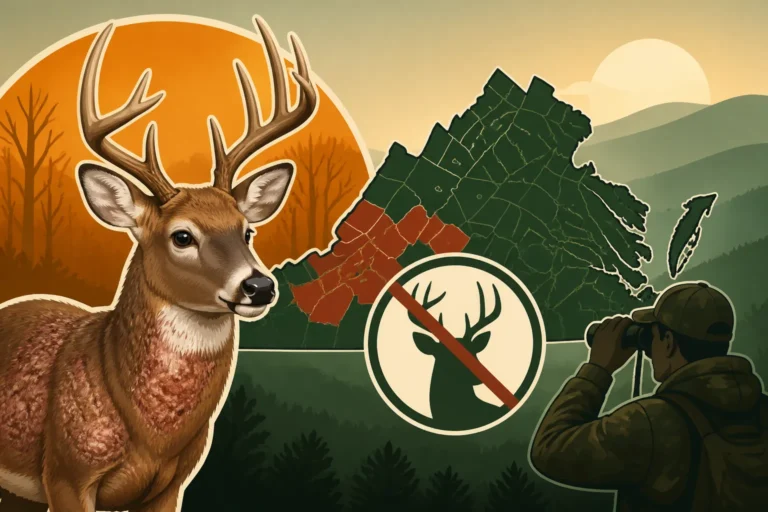
Virginia's bear population is thriving, particularly in the western mountainous regions like the George Washington and Jefferson National Forests. However, the bear population isn't uniform, and regulations often reflect these differences. For instance, some southwestern counties might have slightly different season structures or bag limits based on local population dynamics and historical harvest data. A significant factor impacting bear populations and, consequently, hunting regulations in certain areas is mange. As explored in depth in resources like How Mange Affects Virginia's Bear Population, this parasitic disease has caused a reduction in bear numbers in some affected counties, leading the DWR to implement reduced seasons or even closures in an effort to aid recovery. This is why it’s so important to not just know the statewide rules, but to drill down to your specific county. If you're hunting in a mange-affected area, your season might be shorter, or specific hunting methods could be restricted. Always confirm these details before planning your hunt to avoid any surprises. The Blue Ridge Mountains, in particular, hold a robust bear population, but even within that range, densities can vary.
Bear Biology and Behavior in Late Fall
As November rolls in, bears are deep into hyperphagia, a period of intense feeding to pack on fat reserves for winter hibernation. This behavior is a double-edged sword for hunters: it makes bears more active and focused on food, but also incredibly mobile as they seek out the richest mast crops. Their diet shifts dramatically through the fall. Early fall might see them focused on acorns and soft mast, but by November, especially after a few hard frosts, they're often digging for leftover nuts, tubers, and even scavenging for carrion. Hard mast, particularly acorns, is king. If you find an oak ridge producing a bumper crop, you're likely to find bears nearby. However, if it's a poor mast year, bears will travel extensively, hitting whatever food sources they can find, which might include agricultural fields in the foothills or even urban areas. Understanding Where Mountain and Piedmont Bears Range can give you an idea of these movements. They’ll also be seeking out den sites as the weather truly turns cold, often in rock crevices, hollow trees, or dense brush piles, especially on steep, north-facing slopes that offer protection from the elements. Knowing these behavioral patterns helps you predict where they might be, not just where they’ve been.
Scouting and Locating Mountain Bears
Finding a bear in Virginia's vast mountain ranges can feel like finding a needle in a haystack, especially if you're not familiar with their habits. Unlike deer, bears don't leave easily discernible trails in every woodlot. Their movements are often dictated by food sources and the rugged terrain, making thorough scouting an absolute necessity. You can't just stumble into a bear; you have to actively seek them out.
Identifying Prime Bear Habitat and Food Sources
The mountains offer a diverse buffet for bears, but knowing what they're looking for in November is key. As mentioned, hard mast, especially acorns from various oak species (red, white, chestnut), is paramount. Look for mature oak ridges, particularly those with a mix of species that might drop acorns at slightly different times, extending the food source. Beech nuts, if available, are also a huge draw. Bears will spend hours gorging themselves, and you'll often find distinct signs of their presence in these areas. Don't overlook secondary food sources either; if acorns are scarce, bears will turn to wild grapes, persimmons, and even certain grasses or clover in forest openings. Water sources are also important, particularly in drier periods. Look for springs, seeps, and small mountain creeks. Prime habitat will often combine these food sources with dense cover for bedding and security, typically on steep, north-facing slopes or in thick laurel and rhododendron thickets. Areas adjacent to remote clear-cuts or recent timber harvests can also be productive, as the regenerating growth offers both food and cover.
Reading Sign and Trail Camera Strategies
When scouting for bears, you're looking for specific clues. Bear scat is an obvious indicator, its contents often revealing what they've been eating. Torn-up logs, overturned rocks, and claw marks on trees are all signs of bears foraging for insects and grubs. Look for "bear trees" – often large, prominent trees with claw marks high up where bears have climbed to feed on nuts or mark their territory. Fresh tracks in mud or soft earth near water sources can also be invaluable.
Trail cameras are an absolute game-changer for bear scouting, allowing you to monitor remote areas without constant human presence. When deploying cameras, focus on the edges of promising mast crops, natural funnels between bedding and feeding areas, or along established game trails that show signs of large animals. Setting them to video mode can often provide more information about the bear's size and behavior. Don't check them too frequently; bears are smart and can become wary of human disturbance. When using mapping tools like those offered by GoHunt, you can pinpoint potential mast-producing areas, identify dense cover, and mark potential travel corridors on a topo map before you ever set foot in the woods. This kind of pre-scouting with technology saves an immense amount of time and energy, directing you to the most promising spots.
Utilizing Technology for Scouting
In today's hunting world, ignoring technology is putting yourself at a disadvantage, especially when trying to pinpoint elusive animals like bears. A good GPS unit or a reliable hunting app on your smartphone, such as the DWR app or something like GoHunt, is indispensable. These tools allow you to mark potential food sources, locate bedding areas, track your own movements through dense cover, and identify property boundaries with precision. Before you head out, use these apps to study topographical maps, identifying saddles, benches, and thickets that bears might use for travel or bedding. Look for drainages and creek bottoms, as these often serve as natural travel corridors through otherwise impenetrable terrain.
Satellite imagery can reveal clear-cuts, old logging roads, and dense forest pockets that might not be obvious on a simple topo map. By layering this information with your boots-on-the-ground scouting, you can develop a comprehensive understanding of the landscape. Additionally, keep an eye on weather patterns. Bears are often more active just before a major cold front, trying to get those last few big meals in before conditions worsen. Understanding wind and thermals is also crucial in the mountains; bears have an incredible sense of smell, and a shifting thermal current can betray your position instantly. Consider how Wind and Thermals on a Blue Ridge Slope can impact your approach. Using a compass and map, even if you rely on GPS, is a critical backup, especially in areas with poor cell service, which is common in the deeper mountain hollows.
Hunting Tactics for November Mountain Bears
Once you've done your homework and found promising bear sign, it's time to put a hunting plan into action. Virginia's mountain terrain and the bears' cunning nature demand a versatile approach. You can't just sit and wait; you often have to actively pursue them, or at least be ready to adapt to their unpredictable movements.
Still-Hunting and Stalking Strategies
Still-hunting is perhaps the most effective tactic for mountain bears in November, particularly on large tracts of public land like the National Forests. This involves moving incredibly slowly, stopping frequently to glass and listen, covering ground quietly, and observing every detail. Bears are often found in thick cover, so you'll be easing through laurel slicks, rhododendron thickets, and dense regrowth. The key is to move with the wind in your face or on your quarter, taking advantage of terrain features to mask your sound and movement. Focus on areas where you've found fresh sign – recent scat, overturned rocks, or fresh tracks. Benches and saddles on mountain sides are excellent places to still-hunt, as bears often travel these contour lines. Pay close attention to subtle movements, or even the sound of rustling leaves that might indicate a bear digging or foraging. This strategy requires patience and an intimate knowledge of the terrain, similar to Still-Hunting Jefferson Forest Ridges for deer. When still-hunting, keep your rifle or bow at the ready; mountain encounters can be close and sudden. Be prepared for a quick, accurate shot.
Stand Hunting Over Natural Funnels
While still-hunting is proactive, sometimes a well-placed stand can pay dividends, especially if you've identified a consistent travel corridor or a particularly hot food source. Setting up a treestand or ground blind near a productive oak flat, a natural choke point between two hollows, or along a bench that connects a bedding area to a feeding area can be highly effective. Bears are creatures of habit to some extent, and they'll often utilize the easiest path through rugged terrain. Look for drainages, old logging roads, or distinct saddles that serve as funnels. When placing a stand, consider the prevailing wind direction and thermals, which often pull scent downhill in the mornings and rise uphill in the afternoons.
You’ll want to be in place well before daylight and stay until last light, as bears can move at any time, though they are often most active during the early morning and late afternoon. If you're on public land, remember the specific rules regarding treestand setup, as outlined in guides like Treestand Setups in George Washington National Forest. A sturdy, comfortable stand is essential for long, cold November sits. Using a ground blind, perhaps brushed in carefully on a field edge or along a thicket, can also be effective, especially if you're targeting a specific food source or if the timber isn't suitable for a treestand.
The Role of Bear Hounds Where Permitted
For many hunters in Virginia, especially in the western counties where the tradition runs deep, hunting bears with hounds is a time-honored and highly effective method. However, it's crucial to understand that bear hound hunting is only legal in specific counties within Virginia, primarily in the western and southwestern parts of the state. It is absolutely essential to verify county-specific regulations with the DWR, as these rules can change. If you're considering hunting with hounds, joining an experienced bear hunting club or going with a seasoned guide is the best way to learn the ropes. This method is physically demanding for both hunters and dogs, often involving navigating extremely steep and rugged terrain, tracking bears for miles, and dealing with unpredictable situations.
The dogs track the bear's scent, eventually "treeing" or "baying" the bear on the ground, allowing hunters to approach. This requires strong, well-trained hounds and handlers who understand bear behavior and dog safety. A key part of the experience is having robust GPS collars for the hounds, like those offered by brands such as Garmin Alpha or GoHunt, which allow handlers to track their dogs in real-time across vast, unforgiving landscapes. This technology is indispensable for keeping track of dogs and ensuring their safety while they're hot on a bear's trail. While not for everyone, hound hunting is a significant part of Virginia's bear hunting culture and can provide an exhilarating experience if done legally and ethically.
Essential Gear and Safety Considerations
Hunting mountain bears in November means facing unpredictable weather, rugged terrain, and a formidable animal. Being prepared with the right gear and a strong focus on safety isn't just a good idea; it's non-negotiable for a successful and responsible hunt.
Caliber and Shot Placement for Bears
Virginia black bears are tough, muscular animals, and they can weigh hundreds of pounds, especially in November when they're fattening up. This means you need a rifle and caliber that delivers ample knockdown power. While many deer calibers will work, choosing something on the heavier end of the spectrum is wise. Popular choices include the .30-06, .308, .270, and magnum calibers like the .300 Win Mag. For specific insights, check out Rifle Calibers for Virginia Bear. Shot placement is even more critical than caliber. Aim for the vitals – the lungs and heart – which typically means aiming directly behind the shoulder. Avoid shoulder shots, as the heavy bone and muscle can prevent adequate penetration, and gut shots, which rarely lead to quick kills and often result in a difficult, prolonged tracking job.
If you’re bowhunting, broadhead choice is paramount. Fixed-blade broadheads with strong construction are often preferred for their reliability and penetration on tough hide and bone. Regardless of your weapon, practice extensively beforehand, especially from various positions you might encounter in the mountains – uphill, downhill, off-hand, or bracing against a tree. Remember, follow-up shots are often necessary with bears, so be prepared to cycle your action quickly or draw another arrow if needed.
Cold Weather Gear and Navigation Tools
November in the Virginia mountains can swing from mild to brutally cold, often with rain, sleet, or even snow. Layering is crucial. Start with a moisture-wicking base layer, add insulating mid-layers like fleece or wool, and finish with a waterproof and windproof outer shell. Wool is an excellent choice for hunting apparel as it retains warmth even when wet. Insulated, waterproof boots with good ankle support are essential for navigating steep, uneven terrain and keeping your feet warm and dry. Don't forget warm gloves, a hat, and a neck gaiter. When planning for all-day sits in frigid temperatures, consider hand warmers, which can be a lifesaver.
Navigation is paramount in the vastness of the National Forests. Carry a reliable GPS unit (like a Garmin InReach or similar) and a map and compass as a backup. Cell service is often nonexistent in deep hollows. Inform someone of your hunting plans and expected return time. A powerful headlamp with extra batteries is non-negotiable for walking in before dawn or tracking a bear after dark. A first-aid kit, fire-starting materials, and enough water and high-energy snacks for a full day are also vital. For more details on navigation, check out guides on GPS Units Versus Phone Apps.
Field Dressing and Recovery Challenges
Successfully shooting a bear is only half the battle; recovering it can be an even greater challenge, especially in the mountains. Bears are large, heavy animals, and they often expire in steep, difficult-to-access locations. It's critical to give a bear enough time after the shot before beginning to track, similar to deer, especially if your shot wasn't immediately fatal. Once you've located the bear, field dressing should happen quickly, especially if temperatures are mild, to begin the cooling process and preserve the meat.
Bears have a thick layer of fat, which insulates them and holds heat, so getting the hide off and the internal organs out as soon as possible is crucial. Consider using the gutless method if you're alone or in extremely rugged terrain, which involves quartering the animal and packing it out without gutting it whole. This approach minimizes weight and can make recovery much more manageable. Carrying a good quality field dressing knife, a small bone saw, and game bags is essential. For extraction, a deer sled or a game cart might work on flatter ground or old logging roads, but in steep, thick country, you'll likely be doing a lot of hard dragging, potentially with help from hunting partners. Guides like Dragging a Deer Out of a Mountain Hollow offer valuable insights into moving large game through challenging terrain. Be realistic about the effort involved; recovering a mountain bear is a monumental task.
Post-Harvest Responsibilities and Reporting
After the hard work of the hunt and the even harder work of recovery, your responsibilities as a Virginia bear hunter aren't quite over. There are critical steps you need to take to comply with DWR regulations, contribute to wildlife management, and ensure your hard-earned meat is properly cared for.
Mandatory Bear Checking Requirements
In Virginia, all harvested bears, like deer and turkeys, must be reported to the DWR. This isn't just a suggestion; it's a mandatory legal requirement. The DWR uses this data to monitor bear populations, track harvest trends, and make informed management decisions. You typically have a deadline, often within 24 hours of harvest, to report your bear. The most convenient way to do this is often through the DWR's Go Outdoors Virginia mobile app or their website.
When you check your bear, you'll need specific information, including the date of harvest, county, sex of the bear, and sometimes even the method of take. Make sure you understand the rules for transporting your bear prior to checking, especially if you harvested it in a remote area and need to drive it a significant distance. The DWR may also require certain biological samples (e.g., a tooth) for age and health analysis, which further aids their research. Compliance with these rules is vital for ensuring the long-term health of Virginia's impressive bear population and helps inform decisions on Virginia Bear Harvest Trends.
Carcass Handling and Meat Preservation
Proper carcass handling is crucial for ensuring the quality of your bear meat. As mentioned earlier, bears have a thick layer of fat that insulates them, so cooling the carcass as quickly as possible is paramount. After field dressing or quartering, get the meat into game bags to protect it from dirt, flies, and debris. If you're on a multi-day hunt or far from home, a large cooler packed with ice is indispensable. Layer ice on the bottom, then meat, then more ice, ensuring good air circulation.
Bear meat can be delicious, but it requires careful handling. Many hunters choose to process their own bear, while others take it to a reputable wild game processor. The meat can be quite fatty, and removing as much of the fat as possible during butchering is often recommended, as bear fat can sometimes impart a strong, gamey flavor, especially in older bears. The lean muscle meat, however, can be excellent. It's important to cook bear meat thoroughly to an internal temperature of at least 160°F (71°C) to kill any potential parasites, such as Trichinella. This is a critical food safety step, so always err on the side of caution. Learning Handling a Bear After the Shot also encompasses the initial steps of preserving your meat.
Disclaimer
The information provided in this guide is for general informational purposes only and is not a substitute for official regulations. Hunting laws and seasons can change, and it is the responsibility of every hunter to consult the most current Virginia Department of Wildlife Resources (DWR) regulations prior to engaging in any hunting activity. Always prioritize safety, ethical hunting practices, and respect for wildlife and the land.