Hunting Piedmont Broomsedge Fields
It's easy to look at a vast, golden-brown field of broomsedge in Virginia's Piedmont region and think it's nothing more than an aesthetic backdrop, completely devoid of deer activity. Many hunters walk right past these seemingly barren landscapes, convinced that all the action is tucked away in dense timber or lush food plots. However, this oversight means missing out on incredible opportunities, because whitetails utilize these fields far more than you might realize for bedding, feeding, and travel. This comprehensive guide will peel back the layers of these unique habitats, revealing how deer really use broomsedge fields and equipping you with the strategies to hunt them effectively, turning forgotten patches into some of your most productive hunting grounds.
Understanding Broomsedge Fields as Deer Habitat
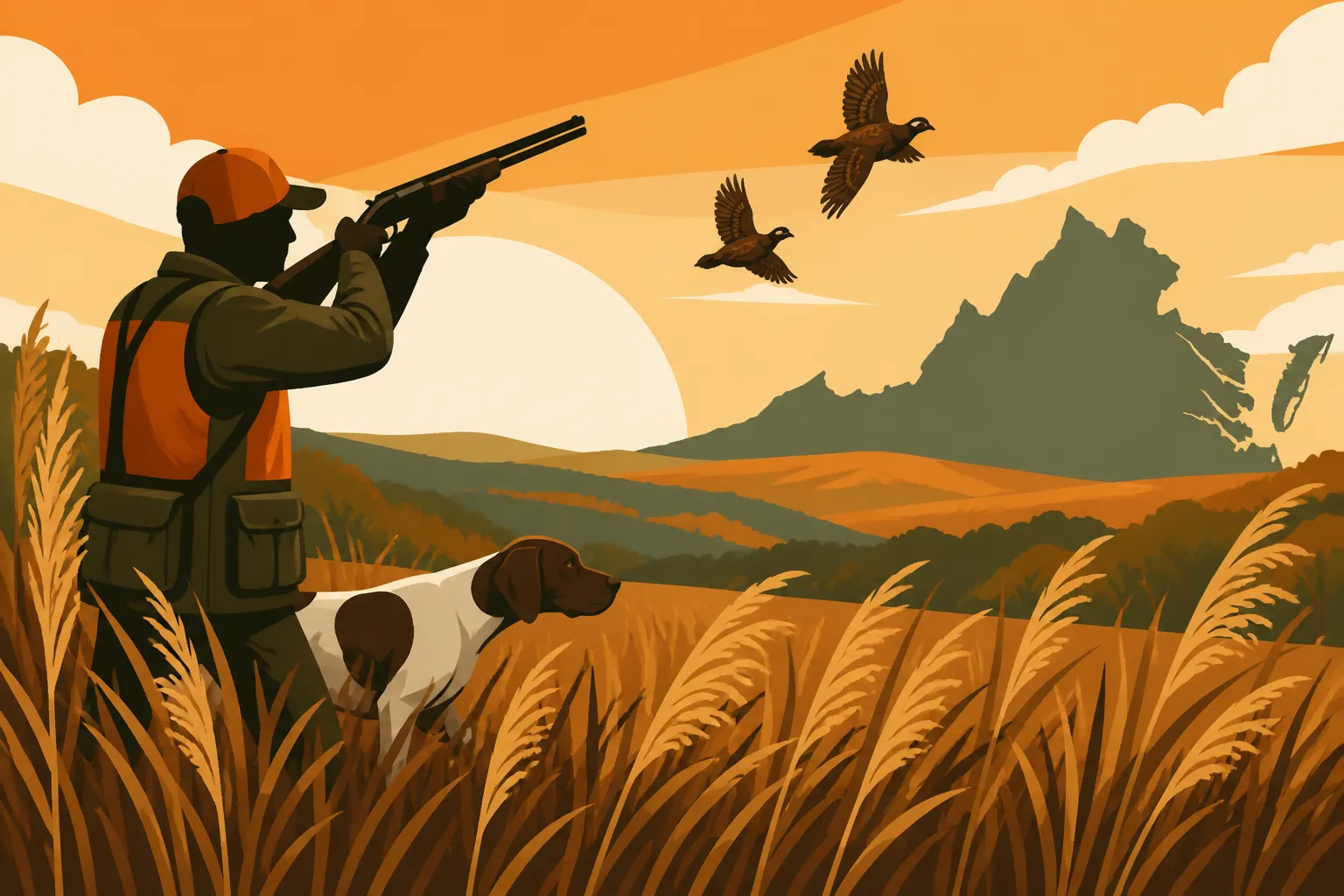
Broomsedge, also known as broomsedge bluestem (Andropogon virginicus), is a native perennial grass common throughout the Piedmont region of Virginia. It thrives in disturbed soils, old fields, and open woodlands, often colonizing areas that were once farmed or logged and are now in various stages of succession. What looks like a sea of dry, brittle stalks to us is actually a highly valuable resource for deer, providing cover, thermal regulation, and even a limited food source during certain times of the year. The plant itself isn't a primary browse item, especially once it's mature and dry, but deer will nibble on the tender new growth in spring or graze on other forbs that grow within its protective canopy.
The real value of broomsedge fields lies in their structure. They grow in dense clumps, often reaching heights of three to five feet, creating a thick, tangled environment that's perfect for concealment. Imagine a deer needing to disappear from predators, find a warm bed on a cold day, or seek refuge from the elements – a dense patch of broomsedge offers just that. These fields act as fantastic bedding areas, especially if they're adjacent to richer food sources like oak stands, agricultural fields, or even small creek bottoms. Deer can melt into the chest-high grass, remaining completely hidden while still benefiting from any sunlight filtering through or the slight breeze that helps carry scent.
Why Deer Are Drawn to Broomsedge
Deer are creatures of cover, and broomsedge fields offer an abundance of it. These fields provide excellent thermal cover in both cold and warm weather. In winter, the dense, dry stalks insulate deer from harsh winds and can even trap some warmth from the sun, creating a surprisingly cozy microclimate. During the warmer months, while not offering shade like a dense canopy, the tall grass can provide a cooler, breezier spot than thick timber, especially if the field is large enough to catch a crosswind. This dual-purpose thermal regulation makes broomsedge attractive throughout the hunting season.
Beyond thermal comfort, these fields offer a sense of security. The tall, rustling grass makes it difficult for predators (including hunters) to see deer approaching or to hear them bedded down. A deer can stand perfectly still, and you could walk within yards of it without knowing it's there. This cover also acts as a natural screen, allowing deer to move between different areas, such as feeding grounds and traditional timber bedding, without being exposed. They often create subtle, winding trails through the densest parts of the broomsedge, connecting more open areas or leading to thicker cover. Understanding these subtle travel corridors is key to unlocking the field's potential.
Reading the Signs in Broomsedge
Identifying deer sign in broomsedge fields can be a bit more challenging than in a manicured food plot or a clear-cut, simply because the dense vegetation can obscure things. However, the signs are there if you know what to look for. The most obvious indicator is deer trails. Look for flattened paths, often just barely visible as a slight depression in the grass. These trails will be more pronounced where deer frequently enter and exit the field, or where they navigate through particularly thick sections. Pay close attention to trails that lead into timber edges, creek bottoms, or agricultural fields.
Within the field itself, search for bedding areas. These will appear as flattened, oval-shaped depressions in the grass where a deer has laid down. You might find a cluster of these beds, indicating a doe group, or a solitary, larger bed, which could suggest a buck. Look for droppings nearby, which can tell you how recent the activity was and even give you clues about their diet. Rubs and scrapes are less common deep within a broomsedge field but can be found along its edges, especially where a buck is transitioning from the security of the grass to more open travel routes. The Reading Virginia Mud for Fresh Deer Movement article can offer additional insights into interpreting subtle ground signs that might transfer to the edges of these fields. Using a mapping tool like GoHunt can help you analyze aerial photos to identify potential travel corridors or denser patches of broomsedge that might serve as bedding sanctuaries.
Seasonal Strategies for Broomsedge Fields
Hunting broomsedge fields isn't a one-size-fits-all endeavor. Deer use these areas differently depending on the time of year, the prevailing weather, and the pressure they're experiencing. Adapting your tactics to the season is crucial for consistent success. What might work during the early archery season could be completely ineffective during the peak of the rut or the late firearm season. The key is understanding the deer's primary needs during each period and how the broomsedge habitat fulfills those needs.
| Season | Primary Deer Activity in Broomsedge | Recommended Tactics | Key Considerations |
|---|---|---|---|
| Early Season | Bedding, transitioning to early fall food sources. | Edge hunting, ambush points near entry/exit trails. | Wind direction, thermal drafts, early morning/late evening. |
| Rut | Cruising bucks, doe bedding, chasing. | Observation stands, still-hunting edges, small drives. | Scrapes/rubs on edges, doe concentration. |
| Late Season | Thermal bedding, residual browse/cover, winter refuge. | Still-hunting, cold-weather ambush, ground blinds. | Snow/ice cover, subtle terrain features, remaining food. |
Early Season and Archery Tactics
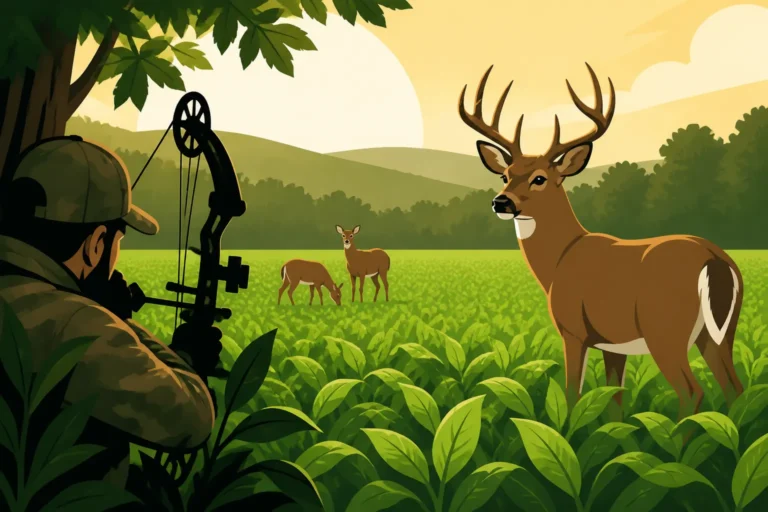
During the early archery season, typically from October into early November in Virginia, broomsedge fields often provide a crucial combination of concealment and proximity to emerging food sources. Deer haven't typically transitioned to their deep winter patterns yet, but they're already seeking secure bedding. If the broomsedge is adjacent to standing crops, newly fallen acorns, or early fall food plots, it becomes an ideal bedding area for deer feeding nearby. Your best bet during this time is to focus on the edges of these fields.
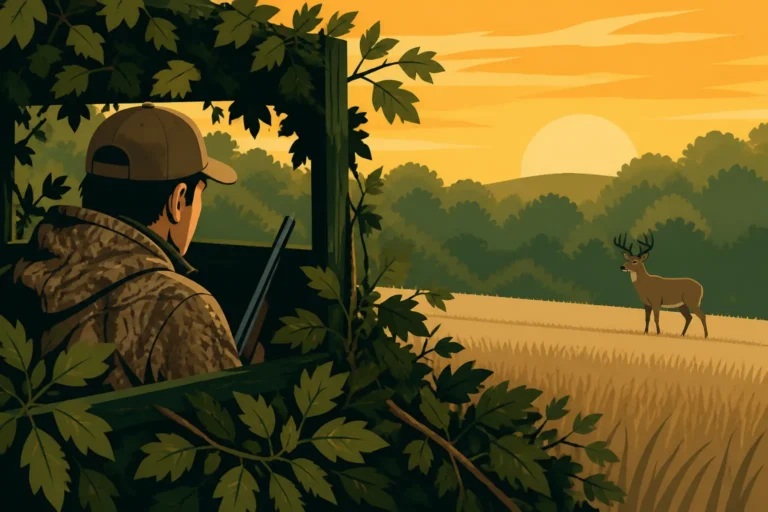
Deer will typically emerge from the broomsedge around last light to feed and head back into its dense cover around first light to bed down. This makes the field edges, especially those bordering timber, ideal ambush points. Look for pinch points or funnels where multiple trails converge along the edge. Consider setting up a treestand or ground blind that offers a clear shot at these transition zones. Remember that early season often means warmer temperatures, so scent control is paramount. Playing the wind correctly will dictate your success; a deer bedding in the broomsedge will undoubtedly be scent-checking the perimeter. For more on maximizing your chances during this period, check out our guide on Bowhunting Virginia's Statewide Archery Season.
Rut and Firearms Season Approaches
As November rolls around and the rut kicks into gear, broomsedge fields become even more dynamic. Bucks are on the move, cruising for does, and those does often seek refuge and security within the thick broomsedge. This makes these fields hotbeds of activity. A mature buck might cruise the edge of a field, scent-checking for does, or even enter the field for a quick look around, especially if there are subtle clearings or dips within it. This is a fantastic time for observation hunting from a vantage point overlooking a large field, or for strategic still-hunting along the internal trails.
During the general firearms season, which typically opens in mid-November, the increased hunting pressure will drive deer to seek even thicker cover, making broomsedge fields even more valuable to them. While sitting a treestand on the edge remains a solid strategy, this is also a prime opportunity for small, coordinated deer drives. If you have a few hunting partners, one or two hunters can slowly push through a broomsedge field, while others post up on the downwind side or at known escape routes. The key is to move slowly and quietly, allowing deer to filter out naturally rather than blowing them out of the country. Knowing When Virginia's General Firearms Deer Season kicks off and anticipating that pressure can make all the difference.
Late Season Opportunities
When late season arrives in December and January, broomsedge fields truly shine as a critical deer habitat. Much of the natural browse has disappeared, and deciduous trees have dropped their leaves, making timber much less secure. Broomsedge, with its dense, insulating qualities, becomes an even more important thermal cover, especially on cold, windy days. Deer will gravitate to these fields for warmth and protection, particularly if they can find residual food sources like leftover acorns in nearby timber or late-season green fields.
For late-season hunting, focus your efforts on the thickest parts of the broomsedge, particularly those areas that receive sunlight throughout the day. Still-hunting slowly and meticulously through these fields can be effective, but it requires extreme patience and quiet movement. The crunch of dry grass can be loud, so waiting for a damp day or a light snow cover can make for a quieter approach. Alternatively, identify key entry and exit points where deer are moving to and from the broomsedge for feeding, and set up ground blinds or treestands to intercept them. Remember, deer will be focused on conservation of energy, so they won't move far from their bedding unless absolutely necessary. Understanding Late-Season Food Sources for Virginia Whitetails is paramount when hunting broomsedge in the depths of winter.
Advanced Tactics and Gear for Broomsedge
Hunting broomsedge fields effectively often means thinking outside the box and embracing tactics that might differ from traditional timber hunting. It requires a keen understanding of how environmental factors influence deer movement within these unique habitats and having the right gear to execute your strategy. Don't let the seemingly uniform appearance of a broomsedge field fool you; subtle changes in elevation, density of cover, and prevailing winds can create highly predictable deer patterns.
Using advanced mapping tools can be a game-changer. Services like GoHunt allow you to zoom in on aerial imagery and identify subtle contours, denser patches of broomsedge, and even faint game trails that might not be visible from the ground. This virtual scouting can save you hours of tromping through the fields and help you pinpoint high-potential areas before you ever step foot on the property.
Wind, Thermals, and Entry/Exit Routes
Understanding wind and thermals is always critical for deer hunting, but it takes on a special significance in broomsedge fields. Unlike dense timber, where canopy and topography can create complex wind currents, large, open broomsedge fields can have more consistent, predictable wind patterns. However, even subtle changes in elevation within the field, or the presence of an adjacent creek bottom or timber line, can create micro-thermals that affect how your scent is carried. Deer bedding in these fields will almost always be positioned to utilize the wind and thermals to detect approaching danger.
Your entry and exit routes must be meticulously planned to avoid alerting deer. Since broomsedge is often found in open areas, your approach might be exposed. Utilize ditches, creek beds, fence lines, or timber strips to mask your movement. Avoid walking directly across the middle of a field unless you are actively still-hunting or driving it. When setting up a stand or ground blind, position it so that the prevailing wind carries your scent away from where you expect deer to approach or bed. Early mornings often see thermals dropping, pushing scent downhill, while evenings see them rising. Factor this into your stand placement, especially if hunting near a slight elevation change or a creek bed bordering the field. Reading Wind and Thermals on a Blue Ridge Slope can provide transferable knowledge, even though broomsedge fields present slightly different dynamics.
Effective Stand Placement and Blinds
Choosing the right stand placement or blind setup in a broomsedge field is paramount. Treestands are still viable, especially on the timber edges where deer transition in and out. Look for trees that offer a commanding view of a field edge or a specific trail. If the broomsedge field has an internal "island" of trees or a small patch of thicker brush, these can be dynamite spots for a stand, providing an excellent vantage point within the field itself. Be mindful of the sun's position throughout the day to avoid being silhouetted or having glare interfere with your vision.
However, ground blinds often become the unsung heroes of broomsedge field hunting. The tall, dense nature of the grass provides natural concealment, and a well-brushed-in ground blind can virtually disappear into the environment. This is particularly effective during the late season when deer are more prone to bedding in the thickest cover. When placing a ground blind, look for subtle depressions, small clumps of thicker brush, or even a slight rise in elevation that allows you to see over the broomsedge without being skylined. Build your blind well in advance if possible, allowing deer to get accustomed to its presence. For public land hunts, where permanent structures are often restricted, portable ground blinds offer excellent flexibility. Our guide on Using a Ground Blind on Virginia Public Land offers fantastic tips that apply directly to these scenarios. Always ensure your shooting lanes are clear, but don't over-trim, as that can make your blind too obvious.
Disclaimer
Hunting is an inherently dangerous activity. This content is for informational purposes only and does not constitute professional advice. Always consult the Virginia Department of Wildlife Resources (DWR) regulations for the most current and accurate hunting laws, seasons, and licensing requirements. Adhere to all safety guidelines, obtain proper landowner permissions, and consider taking a hunter education course. The author and publisher are not responsible for any accidents, injuries, or legal infractions that may occur.